
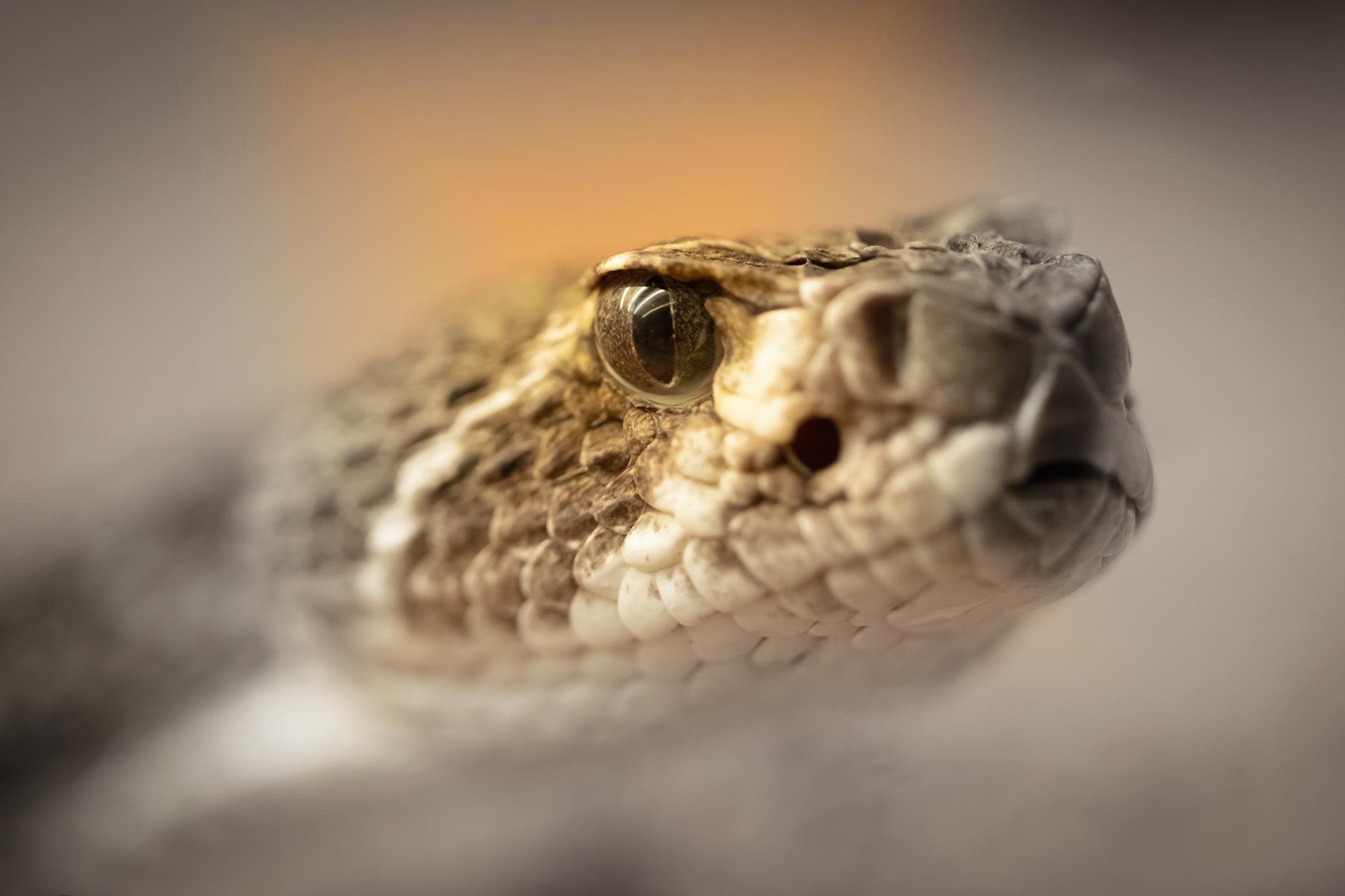
Red-winged blackbirds largely avoided striking rattlesnakes while aggressively attacking gopher snakes, revealing a striking difference in nest defense behavior.
At nests across western Oregon, red-winged blackbirds readily confronted many threats to their young, but rattlesnakes prompted a strikingly different response. Even though the birds likely had little or no experience with vipers, they were remarkably reluctant to physically attack them.
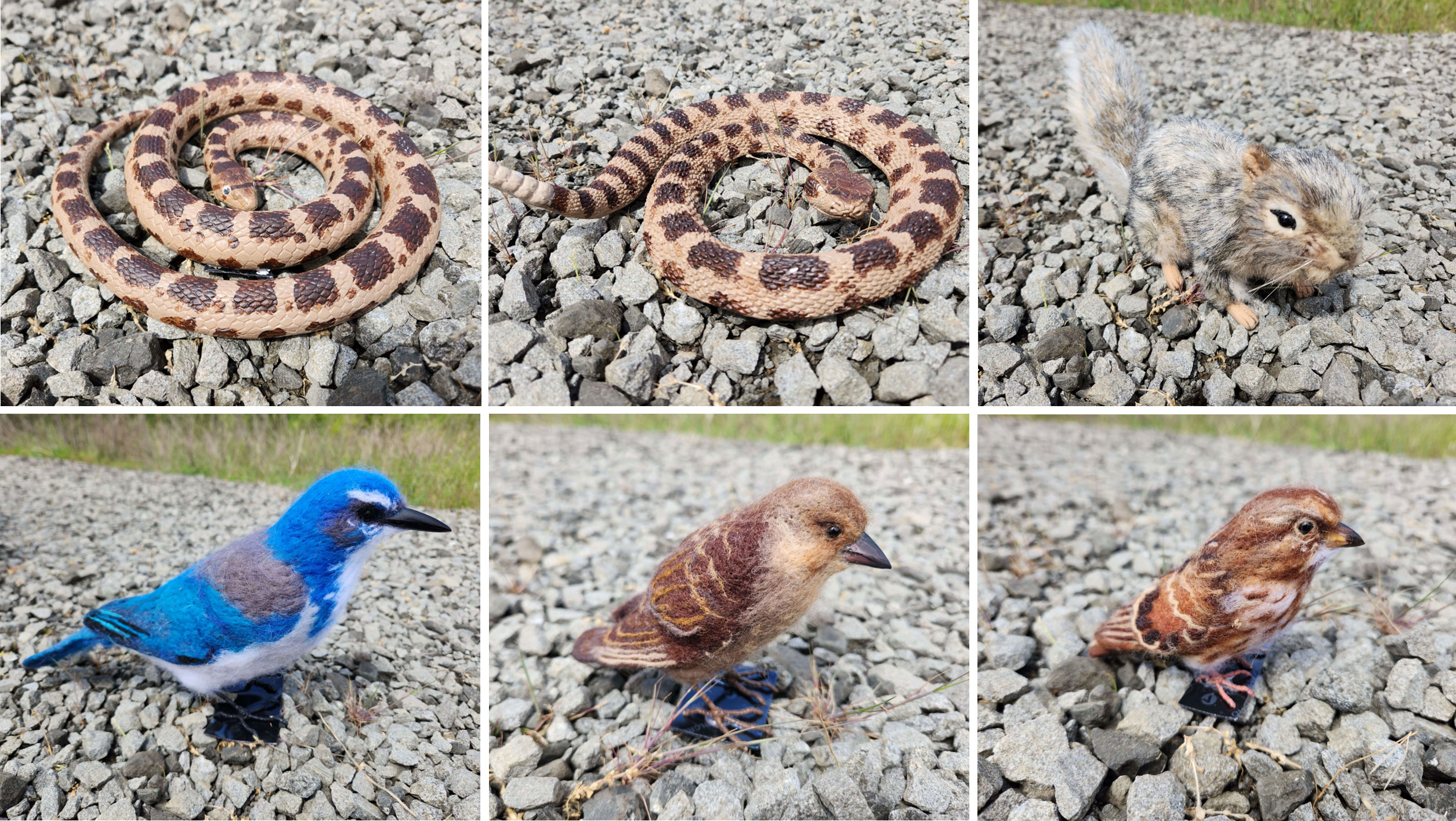
The research, published in Behavioral Ecology, tested how red-winged blackbirds responded to several potential nest predators found in western Oregon, including scrub jays, ground squirrels, and nonvenomous gopher snakes.
Led by Shelby Lawson of Oregon State University, the researchers used realistic but inanimate models of the animals, placing them on platforms a few meters from blackbird nests. Red-winged blackbirds are known for aggressively defending their nests.
The birds were also presented with cowbirds, which are brood parasites – they lay their eggs in someone else’s nest, forcing another species to expend resources raising them – along with song sparrows (as a control species; sparrows don’t prey on blackbird nests) and rattlesnakes.
Rattlesnakes triggered unusual restraint
Although rattlesnakes are native to western Oregon, they were largely eliminated west of the Cascade Range during the 1800s, so blackbirds living there today probably rarely encounter them. Yet across tests at dozens of nests – roughly half featuring eggs and half containing nestlings – the birds struck a rattlesnake only once. Gopher snakes, by comparison, were struck more than 80 times.
“We don’t know whether that’s because they recognized the danger or if there’s something about the viperid features or the rattle that gave the birds pause,” said Lawson, a postdoctoral researcher in David Kikuchi’s integrative biology lab in the OSU College of Science.
Nest defense depends on parental risk
The experiment also provides a new test of parental investment theory, a biological framework for understanding when animals devote more effort or accept greater danger to protect their offspring and when they prioritize their own survival.
Red-winged blackbirds have been studied extensively in this context, Lawson said. Their defensive behavior changes according to how much danger a predator poses to the nest and whether approaching that predator also puts the parent at risk.
“For example, they might physically beat up an egg-eating jay or squirrel near their nest, but in response to something like a hawk that could eat them, they might choose to keep their distance and alarm-call instead,” she said.
Nesting red-winged blackbirds react to an apparent scrub jay. Credit: Russell Campbell
Across the experiment, blackbirds reacted more aggressively to predator models than to controls. They also did not simply become more cautious around all snakes, despite snakes generally posing greater danger to adult birds than most of the other predators included in the tests.
Blackbirds and other passerines—perching birds, as opposed to raptors, waterfowl, hummingbirds, penguins, etc.—typically respond more cautiously to predators capable of killing them, Lawson said. By contrast, they often directly attack animals such as crows and squirrels that primarily threaten their offspring.
“In our experiment, the gopher snakes and rattlesnakes represented medium-sized adults that would be unlikely to pursue healthy adult blackbirds but definitely able to injure them during close-range nest defense,” Lawson said. “And obviously a rattlesnake’s venom makes it inherently more dangerous to deal with.”
Venom changed strikes, not overall response
Despite that additional danger, the blackbirds otherwise responded to rattlesnakes much as they did to gopher snakes, including swooping toward them. The major difference was that the birds almost never made physical contact with the vipers.
“Neither snake was struck during incubation, but during the nestling stage the focal birds—the ones whose nest it was—routinely struck gopher snakes, and neighboring blackbirds regularly got in the act too,” she said.
“This is the first paper to test responses of breeding birds to both nonvenomous and venomous snakes within a parental investment theory framework, and it shows that we need to be including snakes in these kinds of tests more often,” Lawson added. “We still don’t fully know how birds recognize or make decisions regarding snakes despite them being a major threat to their nests, and this study is a good step toward understanding that.”
Reference: “Red-winged blackbirds adjust aggression with brood value and predator type, but show broadly similar responses to snake predators of differing risk” by Shelby L Lawson, Angela H Zbaracki, Russell M L Campbell, Eleanor M Fraser and David W Kikuchi, 29 July 2026, Behavioral Ecology.
DOI: 10.1093/beheco/arag089
Never miss a breakthrough: Join the SciTechDaily newsletter.
Follow us on Google and Google News.
1 Comment
Since they were using models, smell can be ruled out, as well as movement. That leaves head shape and color pattern for the snakes.