
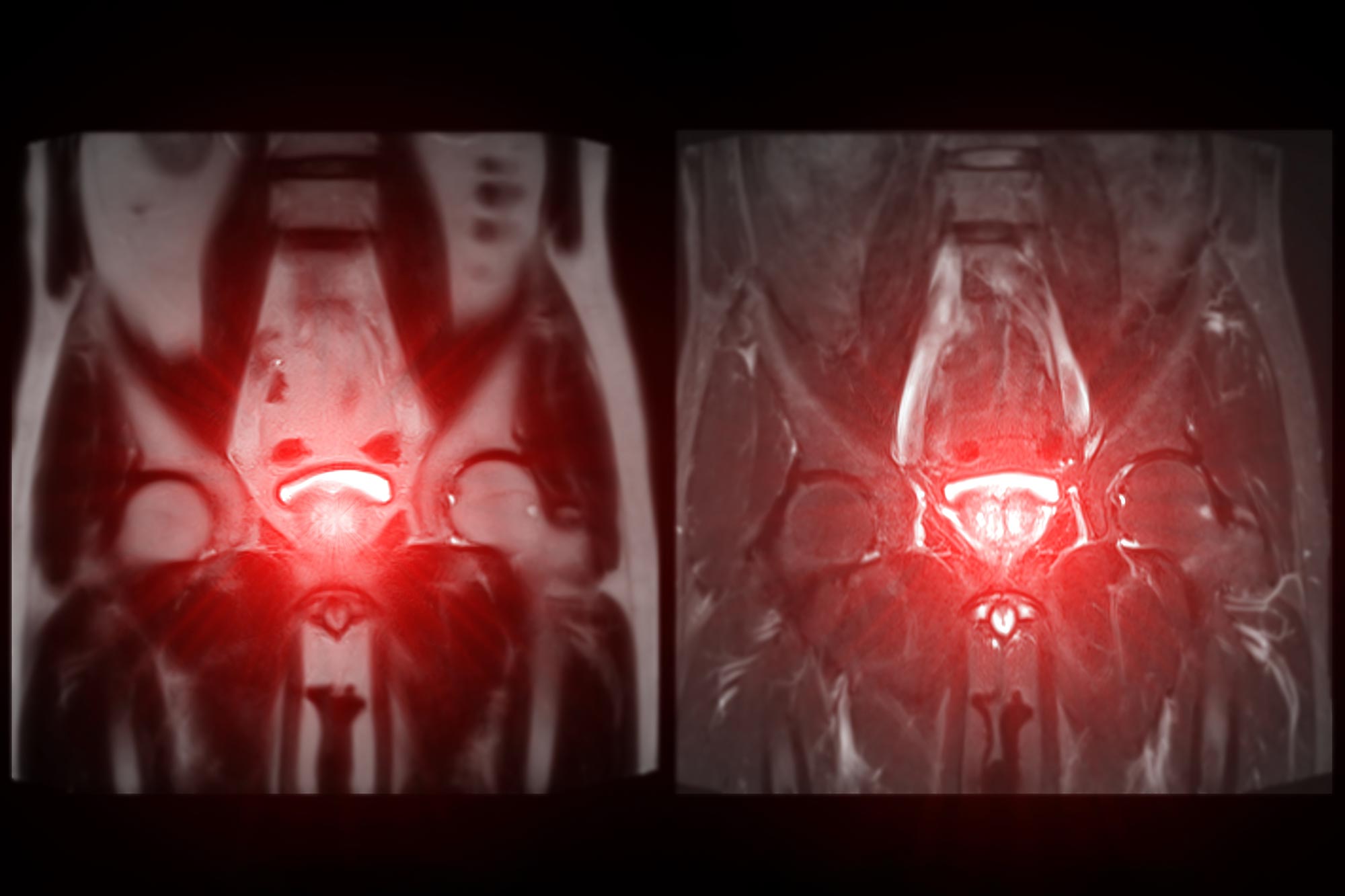
MRI use before a first prostate biopsy has risen sharply, yet about one-third of men still undergo the procedure without a scan.
For a man facing a prostate biopsy, an MRI scan can give doctors a clearer idea of where to look for cancer before they collect tissue samples. That approach has become much more common at U.S. hospitals. A new study found that 64% of men undergoing their first biopsy had an MRI beforehand in the first half of 2026, up from 14% in 2017.
The shift follows evidence from multiple randomized trials showing that scanning the prostate first and then targeting suspicious areas finds more aggressive cancers. Those results have led guidelines to increasingly recommend MRI before biopsy. How widely that evidence had reached everyday practice, however, was less clear.
“This is a well- recognized national problem which to a certain extent has been related to access and issues with insurance coverage. I still regularly see patients biopsied at other institutions who did not have an MRI first, but the scope of the problem is, to a large extent, unknown. The best prior data came from insurance claims through 2022 and suggested MRI was used in only about 30% of biopsies. We wanted a current, national picture: how many men are getting an MRI before biopsy today, and is everyone benefiting equally?” said senior author Jonathan Shoag, MD, chief of the Division of Urologic Oncology and director of the Prostate Cancer Program at University Hospitals.
To get that more recent picture, the researchers, including Stephen Rhodes, lead clinical research biostatistician at the UH Urology Institute, examined more than 505,000 prostate biopsies performed at U.S. hospitals between January 2017 and June 2026. They used Epic Cosmos, a database of electronic health records from many health systems. The study was published in JAMA Oncology.
MRI use also increased among men whose previous biopsy had found no cancer, the group for whom evidence supporting the scans emerged earliest. In that group, use rose from 38% in 2017 to 67% in the first half of 2026.
“That is a genuinely rapid shift, and the timing tracks closely with the publication of the major trials and their results adoption into guidelines,” said Rhodes.
Who still goes without prostate MRI?
- About one-third of men undergoing their first prostate biopsy still do not receive an MRI beforehand.
- Men facing a biopsy should ask whether an MRI is appropriate for them. The scan can affect whether a biopsy is needed as well as where tissue samples are taken.
- Health systems can measure gaps in care by reviewing their MRI use across patient groups and acting on the differences they find.
- MRI use was lower among men over 80 and those with very high levels of prostate-specific antigen, or PSA, a protein measured in a blood test. Those patterns may reflect reasonable clinical judgment in some cases, but they warrant examination rather than assumptions.
- Rising MRI use is a positive development, although gaps in access and problems with scan quality remain.
Connecting prostate scans with follow-up care
“As we’ve expanded access to advanced prostate cancer diagnostics, we’ve also worked to streamline the patient journey,” said Shoag. “Our prostate program helps navigate patients with elevated PSA levels through evaluation and decision-making, while our point-of-service scheduling initiative ensures imaging and follow-up appointments before patients leave the office. By combining early detection, personalized navigation, and improved access to care, we’re helping patients move more efficiently from concern to diagnosis and, when necessary, treatment.”
The hospital also tracks how its MRI scans perform against biopsy results. Its biopsy options include the transperineal approach, in which needles pass through the skin between the scrotum and anus to reach the prostate.
“At University Hospitals, we have really invested in rigorously tracking our MRI quality and performance, and how it relates to biopsy outcomes. We have established workflows for giving patients access to the latest and greatest technology and biopsy techniques, like the transperineal approach. We were actually part of the clinical trials that established this as a standard, and have built a program to offer this with sedation to all our patients,” explained Shoag. “We were also one of the first to really adopt MRI and make it accessible to all our patients, and we are currently involved in multiple studies testing new tools to improve prostate cancer diagnosis.”
Reference: “Trends in Prebiopsy MRI Utilization for Prostate Cancer Detection” by Stephen Rhodes, Spyridon P. Basourakos, Jim C. Hu, Christopher E. Barbieri, Angela Y. Jia, Soumyajit Roy, Daniel E. Spratt, Lee Ponsky and Jonathan E. Shoag, 17 September 2026, JAMA Oncology.
DOI: 10.1001/jamaoncol.2026.3620
Never miss a breakthrough: Join the SciTechDaily newsletter.
Follow us on Google and Google News.