
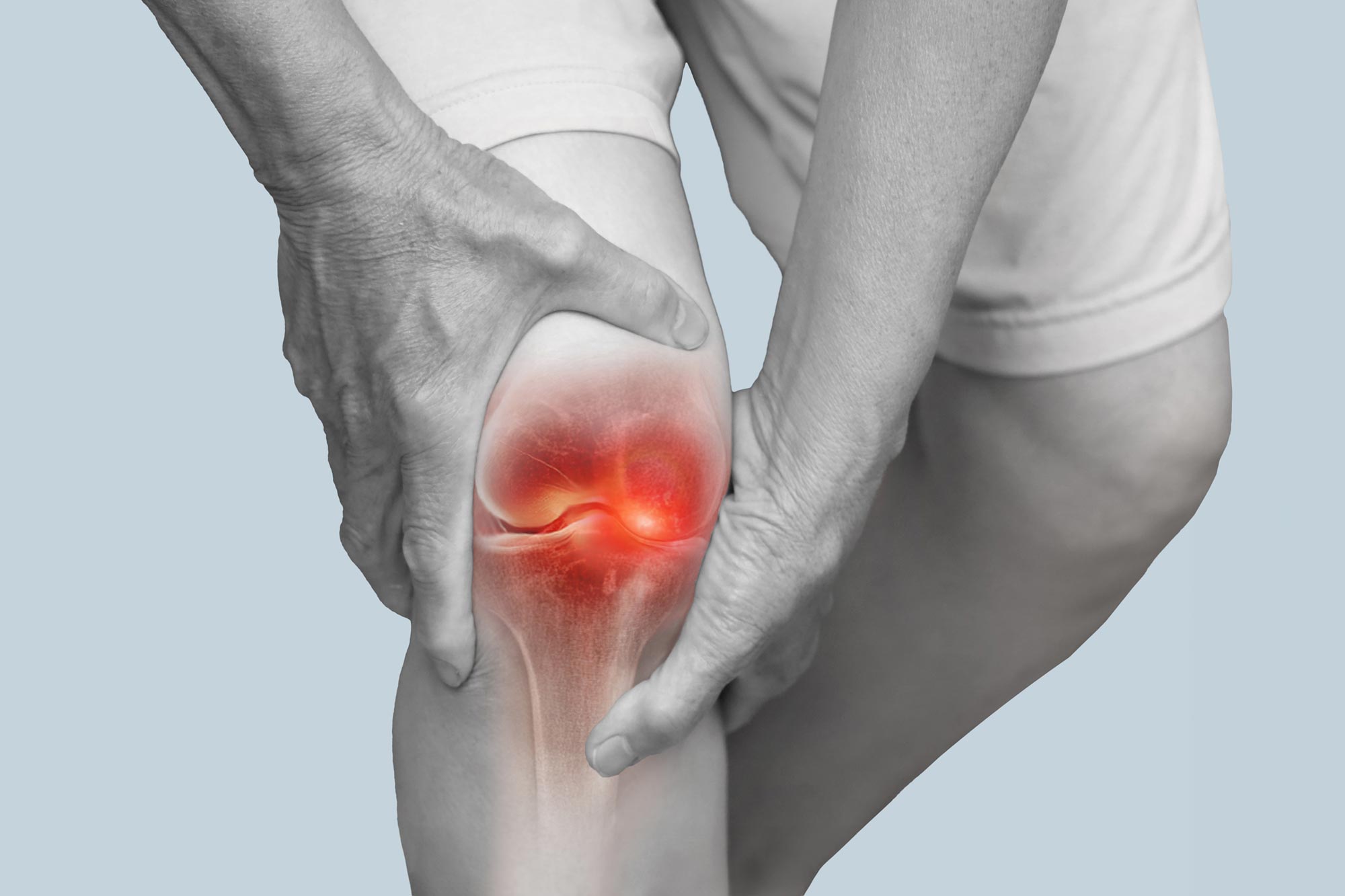
Healthy behaviors and appropriate treatment can help people manage knee osteoarthritis and may reduce the risk of developing it.
Knee pain can make everyday movements such as walking, climbing stairs, or getting up from a chair more difficult. For many people, especially as they get older, osteoarthritis is one of the most common reasons those aches and mobility problems develop.
Knee osteoarthritis occurs as the cartilage between the bones of the joint gradually breaks down. Healthy cartilage allows the knee to move smoothly while cushioning and protecting the joint. As that protective layer becomes thinner, pain and other problems can emerge — and may worsen over time.
“Osteoarthritis can cause knee pain and stiffness, which can negatively impact a person’s activity level, risk of falling, mood and general quality of life,” said Dr. Abby Cheng, an orthopedic surgeon at Washington University School of Medicine in St. Louis who also specializes in physiatry, the nonsurgical treatment and rehabilitation of conditions such as arthritis.
The effects can extend well beyond discomfort in the knee. Pain and reduced mobility may contribute to missed work and lost income, while lower levels of physical activity can increase the risk of chronic diseases including heart disease, cancer, and diabetes.
Knee osteoarthritis affects millions
Osteoarthritis is widespread, affecting more than 30 million adults in the U.S., and the knee is the joint most commonly affected. Although it becomes more common with age, roughly half of cases occur among people of working age.
“Having weak leg muscles and being overweight or obese increases a person’s risk for knee osteoarthritis,” Cheng said. “Women, older adults, people with a prior knee injury and those with a family history of osteoarthritis are also more likely to have the condition.”
Small changes can reduce joint strain
Healthy habits and medical treatments can help people manage symptoms such as pain and reduced mobility — and may even help slow progression of the disease.
“Eating more plants and less processed or sugary food reduces inflammation in the body, which can reduce pain from osteoarthritis in all joints,” Cheng said. “Other common treatments for knee osteoarthritis include strengthening the thigh muscles, using knee braces, taking anti-inflammatory medications, getting cortisone and other injections, and sometimes having knee replacement surgery.”
Health care providers can help patients develop individualized plans for managing osteoarthritis and connect them with programs or other resources that make healthy habits easier to begin and maintain.
Even modest changes can reduce the burden on painful joints, Cheng said. For someone who is overweight, losing 10 pounds reduces the force on the knees by 40 pounds with every step, which can significantly ease joint pain.
Prevention can start before symptoms
Many of the same strategies used to manage osteoarthritis may also lower the chance of developing it. These include staying physically active — including running, despite a common misconception that it damages the knees — maintaining a healthy weight, and eating a diet rich in whole grains, fruits, and vegetables while limiting processed and refined foods.
Although osteoarthritis differs from diseases such as cancer and heart disease, it can still substantially affect the health, well-being, and quality of life of millions of people. And as with those conditions, people can take steps that may reduce their own risk and potentially that of their families.
“Some people think that because a parent or grandparent had osteoarthritis, they will develop it too,” Cheng said. “And while it’s true that osteoarthritis can run in families, it doesn’t mean there’s nothing a person can do to successfully lower their risk of developing it.”
Protecting knee health is not entirely outside a person’s control.
Never miss a breakthrough: Join the SciTechDaily newsletter.
Follow us on Google and Google News.
5 Comments
Yes I togally agree. I am 76 and vegan. Apparently I have no inflammation,probably due to my diet
I excerise at least twive a week,where I get out of breath. My knee joints and hips are ok. I am not overweight my vegan diet is the reason I am very energetic
It is not unreasonable to believe that your diet is responsible for being energetic and not having inflammation. But I think that you would be hard pressed to prove it. I could make the same claim until I was about your age, despite not being vegan.
I agree with the research. I am 81. I eat all five food groups every day – grains, legumes, fruits, vegetables, nuts. I do strength training in my home every day and get additional exercise walking my exuberant dog, a golden retriever. I watch my weight. I have arthritis in my right hip but it does not stop the exercise regimen. Movement helps prevent the hip from stiffening. I think osteoarthritis runs in my family but I’m determined not to let it curtail my activities.
There is plenty of science to support the advice to lose weight and remain active. However, there is no scientific evidence that demonstrates that a plant-based diet alone will lead to healthy joints.
Plenty of carnivores never have joint problems. Before you recommend a plant-based diet, you have to explain that.
Perfect Sandra!