
Close Menu
    Facebook X (Twitter) Instagram
    SciTechDaily
    • Biology
    • Chemistry
    • Earth
    • Health
    • Physics
    • Science
    • Space
    • Technology
    Facebook X (Twitter) Pinterest YouTube RSS
    SciTechDaily
    Home»Biology»Scientists Discover a Butterfly That Barely Seems To Age
    Biology

    Scientists Discover a Butterfly That Barely Seems To Age

    By University of BristolSeptember 17, 2026No Comments4 Mins Read
    Facebook Twitter Pinterest Telegram LinkedIn WhatsApp Email Reddit
    Share
    Facebook Twitter LinkedIn Pinterest Telegram Email Reddit
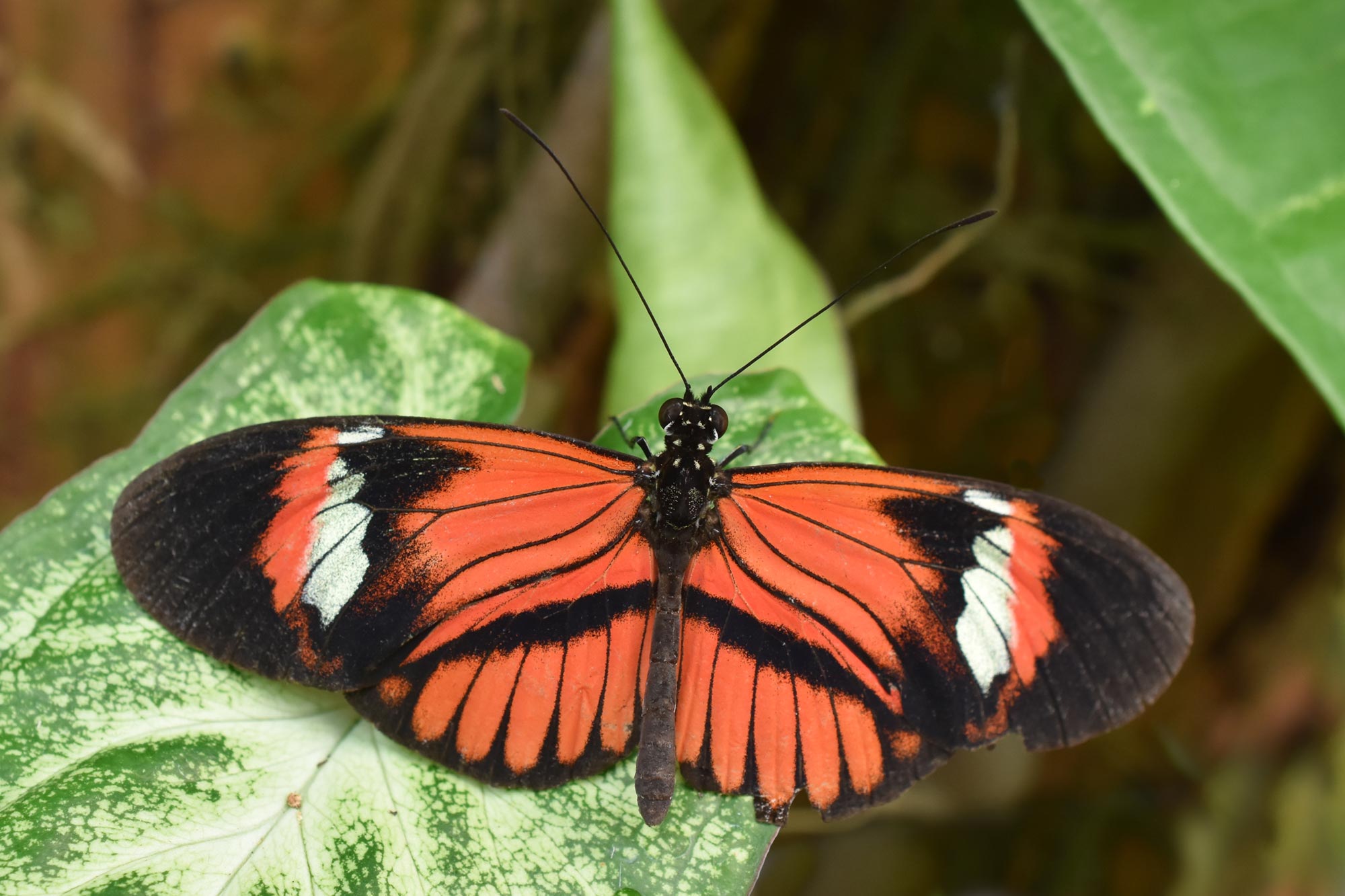
    Heliconius melpomene Postman Butterfly
    Scientists discovered tropical butterflies that live far longer than their relatives and may largely escape the physical decline that normally comes with aging. Credit: Shutterstock

    Heliconius butterflies live longer and age more slowly than close relatives, with experiments suggesting that pollen alone cannot explain their longevity.

    Some Heliconius butterflies, found in tropical rainforests across South and Central America, can survive for almost a year while most butterflies live only a few weeks. Their unusual diet has been one possible explanation for this longevity. Unlike most butterflies, which primarily rely on flower nectar, Heliconius adults also eat pollen.

    Yet removing pollen from their diet did not erase their advantage. In experiments comparing the pollen-feeding Heliconius hecale with its shorter-lived relative Dryas iulia, which does not eat pollen, researchers found that H. hecale still lived substantially longer without it. The result suggests that nutrition and evolved differences both contribute to its extended lifespan.

    The difference also showed up in how well the butterflies maintained their bodies. H. hecale retained its body mass for longer than D. iulia. To assess muscle function and physical performance, the researchers tested the butterflies’ grip strength. They detected no apparent deterioration in older H. hecale individuals, while D. iulia weakened with age. At least in the measures tested, H. hecale appeared to experience little or no physiological decline as it grew older.
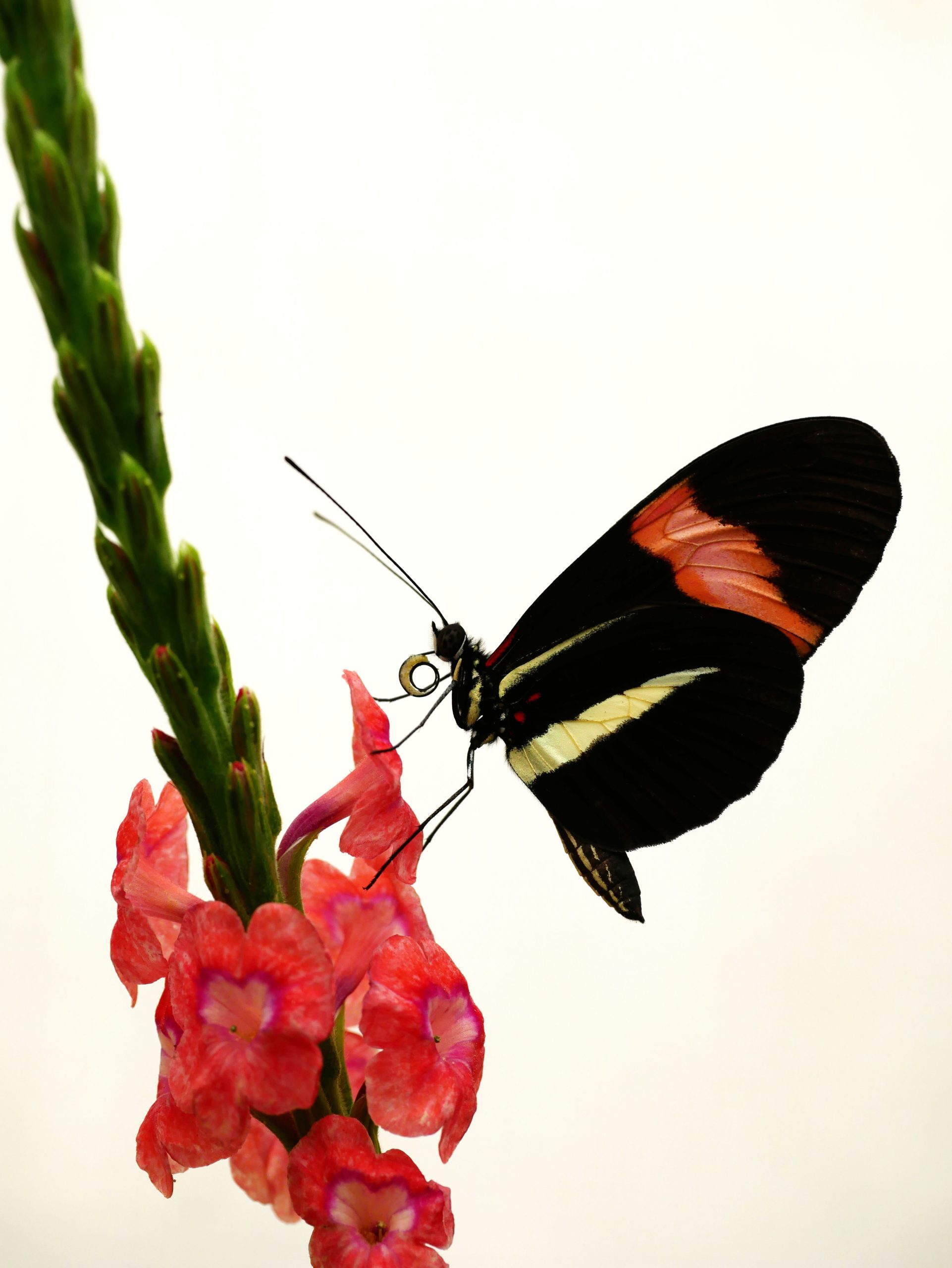
    Heliconius melpomene Butterfly Feeding on Pollen
    A Heliconius melpomene with a partly digested load of pollen grains on its proboscis; Heliconius are the only butterflies known to collect and digest pollen, which is linked to their elongated life span. Credit: Louise Bestea

    Close relatives, sharply different lifespans

    The diet experiments were part of a University of Bristol-led study conducted with researchers at the Smithsonian Tropical Research Institute in Panama. Published in Nature Communications, the work examined lifespan and aging across the wider Heliconiini butterfly tribe. The team combined records from butterfly houses, studies in which butterflies were marked, released, and recaptured, and controlled experiments in insectaries, facilities where insects are raised.
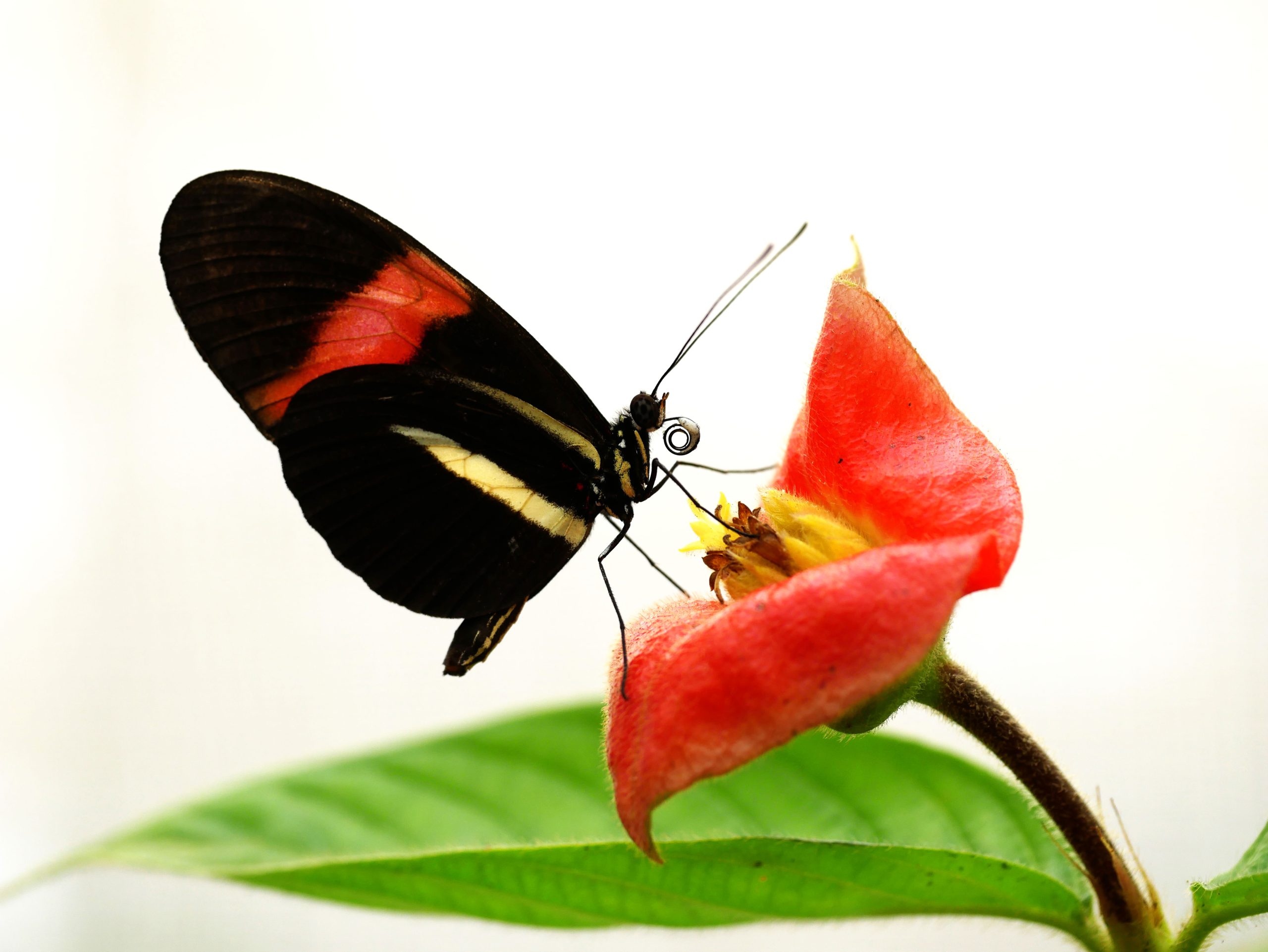
    Heliconius melpomene Collecting Pollen From Flower
    A Heliconius melpomene with a partly digested load of pollen grains on its proboscis; Heliconius are the only butterflies known to collect and digest pollen, which is linked to their elongated life span. Credit: Louise Bestea

    Across those comparisons, Heliconius butterflies aged more slowly and had lower baseline mortality, or underlying risk of death, than relatives that do not feed on pollen. Their advantage appeared in both maximum lifespan and median lifespan, the age by which half the butterflies in a group had died.

    Some Heliconius species lived about three times as long as their close relatives on average. The largest contrast in maximum lifespan was much greater. Heliconius hewitsoni, the longest-lived species in the comparison, reached 348 days, while the short-lived relative Dione juno reached just 14 days. That represents a roughly 25-fold difference.
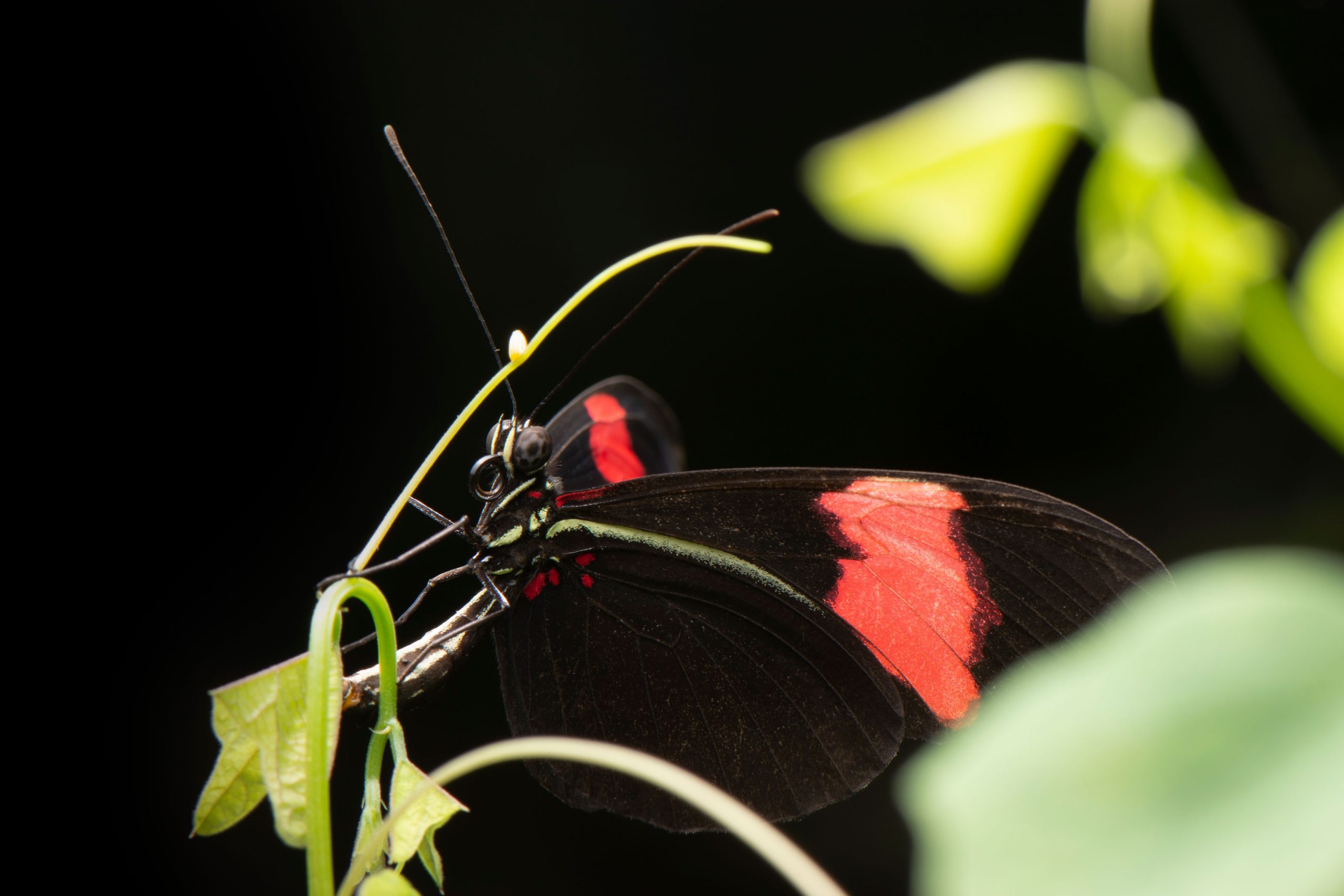
    Female Heliconius erato Laying an Egg on Passiflora biflora
    A female Heliconius erato laying an egg on Passiflora biflora. Credit: Sebastián Mena

    Butterfly evolution offers clues to longevity

    Dr. Jessica Foley, the study’s lead author from the University of Bristol’s School of Biological Sciences, said, “As the most species-rich animal class, insects are renowned for their extraordinary morphological and ecological diversity. They also exhibit extreme variation in longevity, with maximum lifespans ranging from just a few days in adult mayflies to several decades in the reproductive castes of some ants and termites. This represents a roughly 5,000-fold difference within the class, compared with around a 100-fold difference in lifespan observed in mammals.
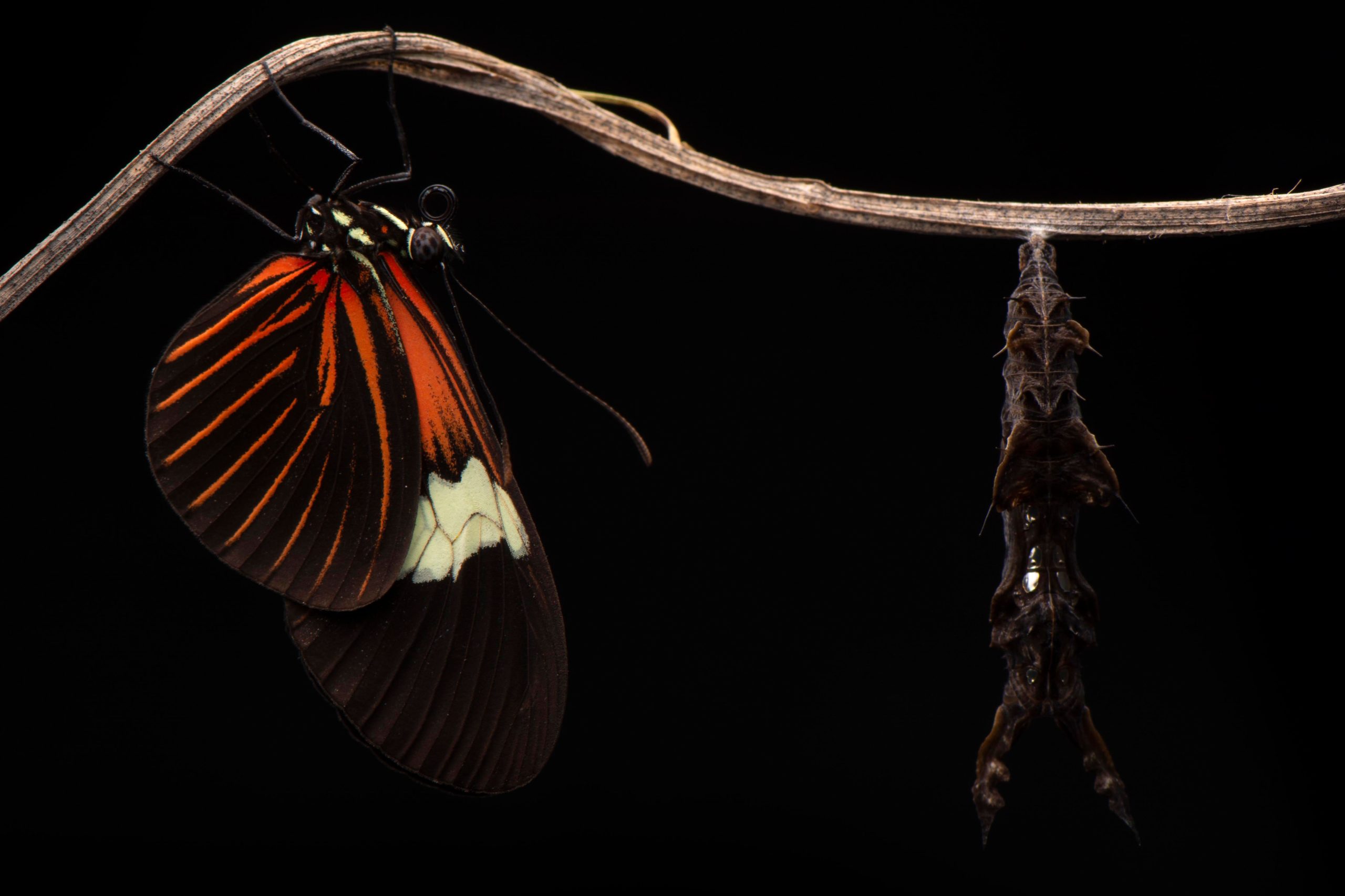
    Adult Heliconius erato Next to a Pupae
    An adult Heliconius erato next to a pupae of the same species. Credit: Sebastián Mena

    “Heliconius butterflies are among the longest-lived butterflies, but what makes them particularly remarkable is that they appear to have evolved not only longer lifespans, but also slower aging. This allows them to live significantly longer than closely related species from which they diverged relatively recently in evolutionary time.

    “The exciting implication of this lifespan extension is that it provides a powerful opportunity to identify the mechanisms that underpin longevity. By comparing long-lived Heliconius butterflies with their short-lived relatives, we have a natural evolutionary experiment that can help reveal how lifespan is extended, making them a highly promising new model for research into the biology of aging and longevity.”

    Reference: “Evolution of increased longevity and slowed ageing in a genus of tropical butterfly” by Jessica Foley, Josie McPherson, Made Roger, Cruz Batista, Rémi Mauxion, Greta Hernández, Richard Kelson, Fletcher J. Young, W. Owen McMillan and Stephen H. Montgomery, 16 June 2026, Nature Communications.
    DOI: 10.1038/s41467-026-73635-7

    Never miss a breakthrough: Join the SciTechDaily newsletter.
    Follow us on Google and Google News.

    Aging Butterflies Entomology Longevity University of Bristol
    Share. Facebook Twitter Pinterest LinkedIn Email Reddit

    Related Articles

    Crickets Eavesdrop on Bat Echolocation Calls and Drop From the Sky to Evade Capture

    Genetic Self-Destruct – Some Worms Programmed to Die Early for Sake of Colony

    Even Among Wild Mammals, Females Live Longer

    Optical Illusion Created by Butterflies’ Wing Scales Is Secret to Ultra-Black, Lightweight Materials

    Deaf Moths Evolved Noise-Cancelling Scales to Evade Prey – More Efficient Than Current Sound Engineering Technology

    Synergistic Cellular Pathways Identified That Extend Lifespan by 500%

    Nanostructures and Living Cells in Butterfly Wings Could Inspire Radiative-Cooling Materials & Advanced Flying Machines

    Scientists Discover Why Climate Change Is Threatening Some British Butterflies

    New Butterfly Species Discovered in South Russia

    Leave A Reply Cancel Reply

    • Facebook
    • Twitter
    • Pinterest
    • YouTube

    Don't Miss a Discovery

    Subscribe for the Latest in Science & Tech!

    Trending News

    Common Osteoporosis Drugs Linked to Lower Alzheimer’s Risk in 120,000-Person Study

    Scientists Used Cancer Therapy To Reset Rheumatoid Arthritis

    Scientists Detect a Mysterious Signal That Could Be Dark Matter

    New Tick-Borne Virus May Explain Mysterious Cases of Severe Illness

    Your Brain Cleans Itself While You Sleep – Scientists Just Discovered How Fast

    Cancer Is Quantum – and That Could Change How We Treat It

    A Cosmic Catastrophe May Have Turned Neptune’s Ancient Moons Inside Out

    One of Earth’s Driest Deserts Just Turned White

    Follow SciTechDaily
    • Facebook
    • Twitter
    • YouTube
    • Pinterest
    • Newsletter
    • RSS
    SciTech News
    • Biology News
    • Chemistry News
    • Earth News
    • Health News
    • Physics News
    • Science News
    • Space News
    • Technology News
    Recent Posts
    • Scientists Discover a Butterfly That Barely Seems To Age
    • The “Glue” Inside Protons May Hold the Secret to Matter’s Identity
    • Astronomers Detect a Faint Hydrogen Signal From Billions of Light-Years Away
    • NASA’s Artemis III Will Test SpaceX and Blue Origin Moon Landers
    • Fighting Fire With Fire Could Save Giant Sequoias
    Copyright © 1998 - 2026 SciTechDaily. All Rights Reserved.
    • Science News
    • About
    • Contact
    • Editorial Board
    • Privacy Policy
    • Terms of Use

    Type above and press Enter to search. Press Esc to cancel.