

Before astronauts land on the Moon again, NASA will stage an ambitious Artemis III rehearsal involving Orion, SpaceX Starship, Blue Moon, and three major rocket launches.
NASA plans to use Artemis III in 2027 as a major rehearsal for future astronaut landings on the Moon. Before astronauts descend to the lunar surface in 2028, teams on Earth and in space will use the mission to practice rendezvous and docking between Orion and commercial human landing systems. Information gathered during Artemis III, together with data from future uncrewed demonstration missions at the Moon, will help NASA improve astronaut safety and prepare for successful crewed lunar landings.
NASA is working with two U.S. companies to develop the spacecraft that will eventually carry astronauts between lunar orbit and the Moon’s surface. During Artemis III, SpaceX and Blue Origin will each fly test versions, or test articles, of the landers they are developing for future crewed missions. The commercial lander test articles will launch on commercial rockets, while the Artemis III astronauts will travel to low Earth orbit aboard Orion on NASA’s SLS (Space Launch System) rocket.
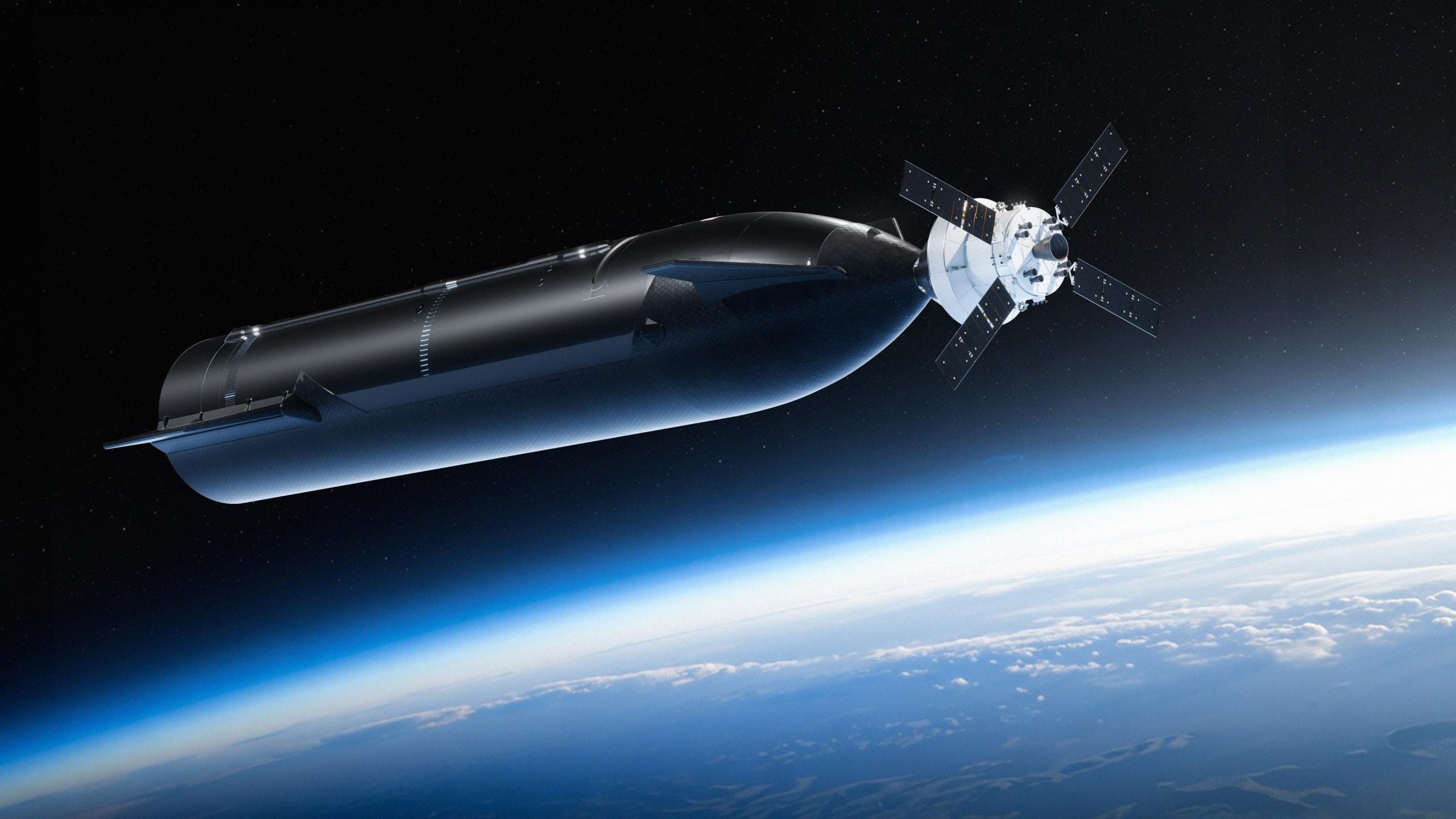
Preparing SpaceX and Blue Origin for Crewed Moon Missions
NASA has been working closely with both human landing system providers to define what Artemis III will test and how those demonstrations will support later missions. As the flight date approaches, SpaceX and Blue Origin are adjusting their plans around available hardware and the capabilities they want to demonstrate. SpaceX intends to fly the newest version of Starship, called Version 3, which will serve as the foundation for the future Starship HLS. Blue Origin plans to test the crew cabin intended for its human landing system. Both companies will use the results to refine their vehicles ahead of uncrewed and crewed missions at the Moon.
“Each human landing system provider has taken a different approach to the Artemis III mission,” said Steve Creech, program manager, Human Landing System Program, NASA’s Marshall Space Flight Center in Huntsville, Alabama. “Ultimately, SpaceX and Blue Origin have put forward a list of aggressive objectives and goals intended to complement upcoming uncrewed demonstration missions at the Moon so that we can gain both understanding and confidence in the spacecraft and launch vehicles prior to a crewed landing. The lander prototype designs will inform future development efforts and will continue to mature over the next year.”
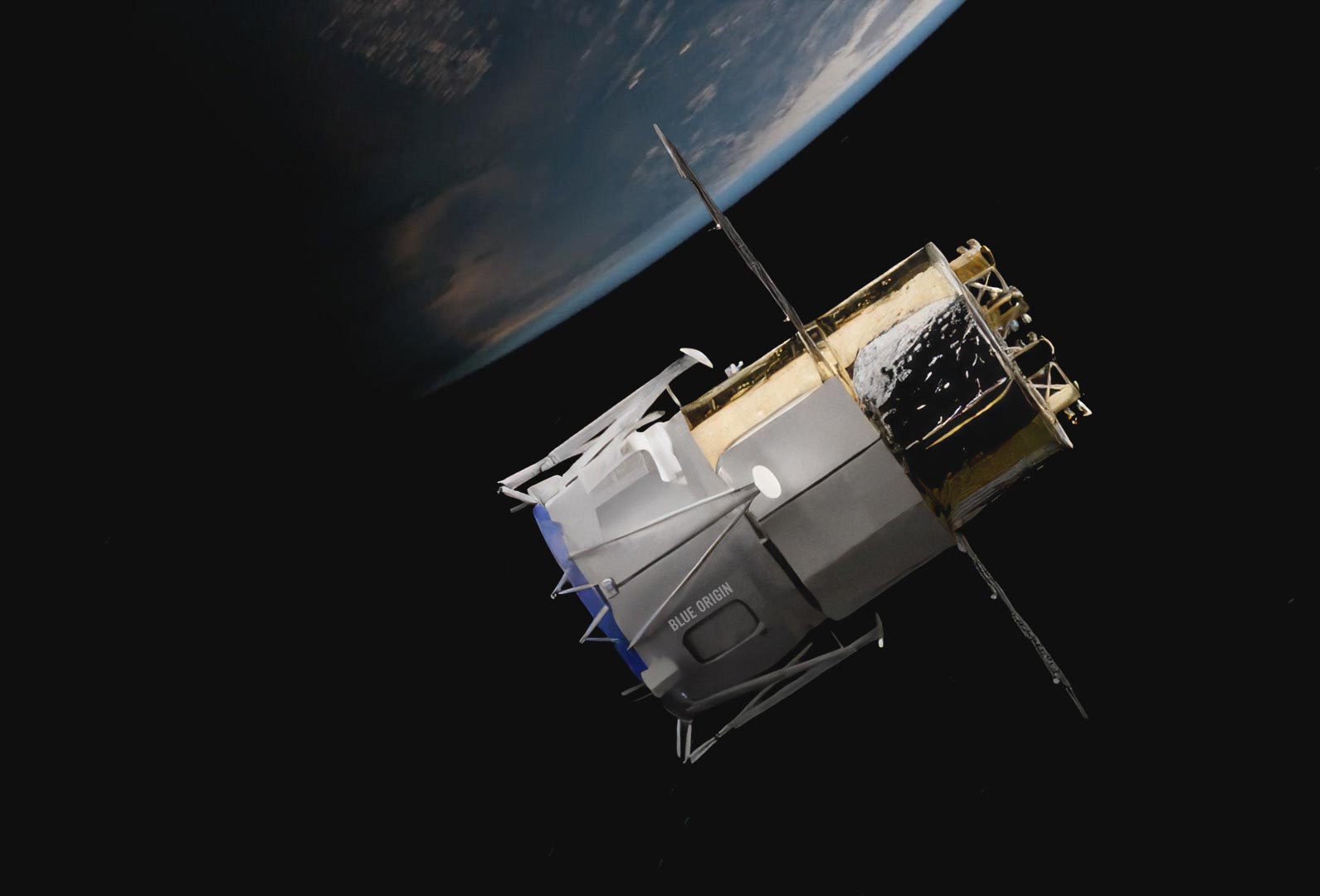
Blue Origin’s Artemis III test vehicle will be based on the company’s current Mark 2 crew lander architecture. The Blue Moon test lander will include the major avionics, flight software, and control systems needed to make the demonstration useful for future crewed lunar missions. As many as two Artemis III astronauts, wearing orange Orion crew survival system suits, will open the hatch and enter the Blue Origin test lander. The final production vehicle will need many of the same systems and subsystems, including an Environmental Control and Life Support System (ECLSS), a crew cabin, and avionics.
Blue Origin will also carry an instrumented lunar surface spacesuit mass simulator. Similar in purpose to the suited “Moonikin” manikin flown aboard Orion during the uncrewed Artemis I mission, the low-fidelity simulator will collect real-time information about conditions inside the Blue Moon crew cabin.
A Giant Starship Will Dock With Orion
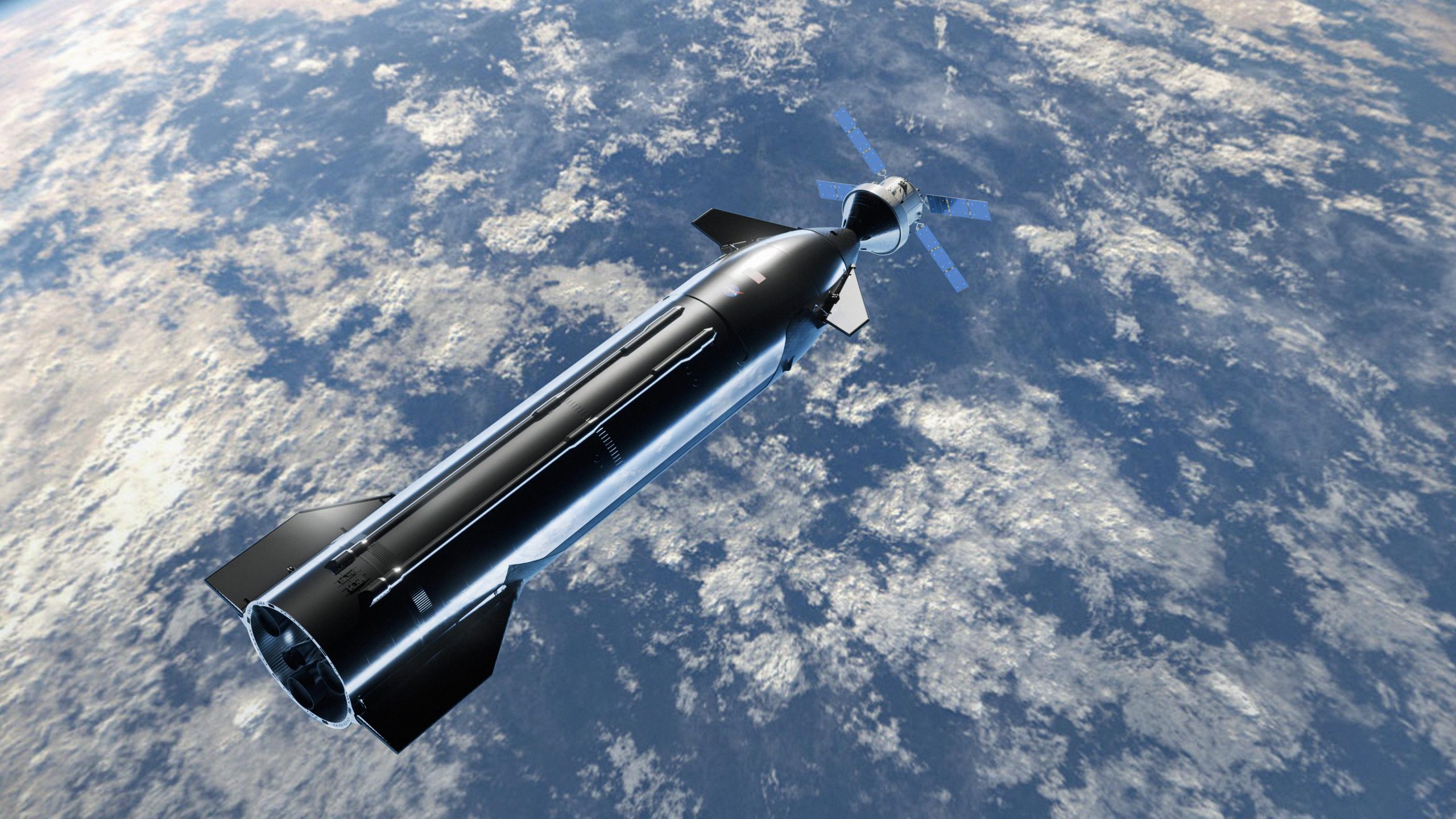
SpaceX will use a Starship Version 3 test article that is currently being built and tested. A docking system will be added to the nose of the 171-foot (52-m) spacecraft so NASA and SpaceX can study how Orion and the Starship test lander behave when connected as one integrated spacecraft.
NASA and SpaceX are also identifying tests related to vehicle control and communications. Unlike the Blue Origin portion of the mission, Artemis III astronauts will not enter the SpaceX Starship test lander.
Three Powerful Rockets in Rapid Succession
Artemis III will require NASA, SpaceX, and Blue Origin to launch three of the world’s most powerful rockets within a relatively short period. The sequence will test far more than spacecraft alone. It will exercise ground processing systems, launch teams, facilities, mission control centers, communications networks, and data sharing across important sites around the country.
The mission will include two separate rendezvous and docking operations between Orion and the commercial lander test articles. After those demonstrations are completed, the Artemis III astronauts will return to Earth aboard Orion for a planned splashdown.
“Artemis III will be a highly choreographed dance with a demanding launch sequence across multiple launch pads and equally demanding mission operations for our ground and flight crews, making it one of the most complex and ambitious missions NASA has ever undertaken,” said Jeremy Parsons, Artemis program manager. “The demonstration mission will set the stage before our next giant leap. NASA’s expertise in systems engineering and integration, as well as launch and mission operations in low Earth orbit, will bring the mission together.”
Future crewed lunar missions will use what NASA calls a “dual launch campaign,” in which a commercial lander is positioned in orbit before a crewed Orion arrives after launching on SLS. Artemis III gives NASA and its partners an opportunity to practice parts of that process by launching three rockets in succession and coordinating the related ground and flight operations.
Blue Moon Goes First
Blue Origin’s test lander is scheduled to launch first. It will be capable of remaining in space for as long as 30 days, giving teams time to perform orbital checkouts before SLS and Orion launch from Launch Complex 39B at NASA’s Kennedy Space Center in Florida.
The Blue Origin vehicle will follow a predetermined trajectory into a designated “parking” orbit, where teams can carry out the planned systems checks.
After Blue Origin completes its rendezvous and docking tests and the Artemis III crew has launched aboard SLS, SpaceX will send its Starship lander test article into orbit. Starship will then rendezvous with Orion and its crew for the second phase of orbital testing.
Orion will remain in a circular orbit throughout Artemis III. Because the mission stays in Earth orbit rather than traveling to the Moon, all three rockets will have more potential launch opportunities than they would for a lunar flight. Each rocket will also be able to reach the required mission altitude with a single launch.
How the Docking Tests Will Work
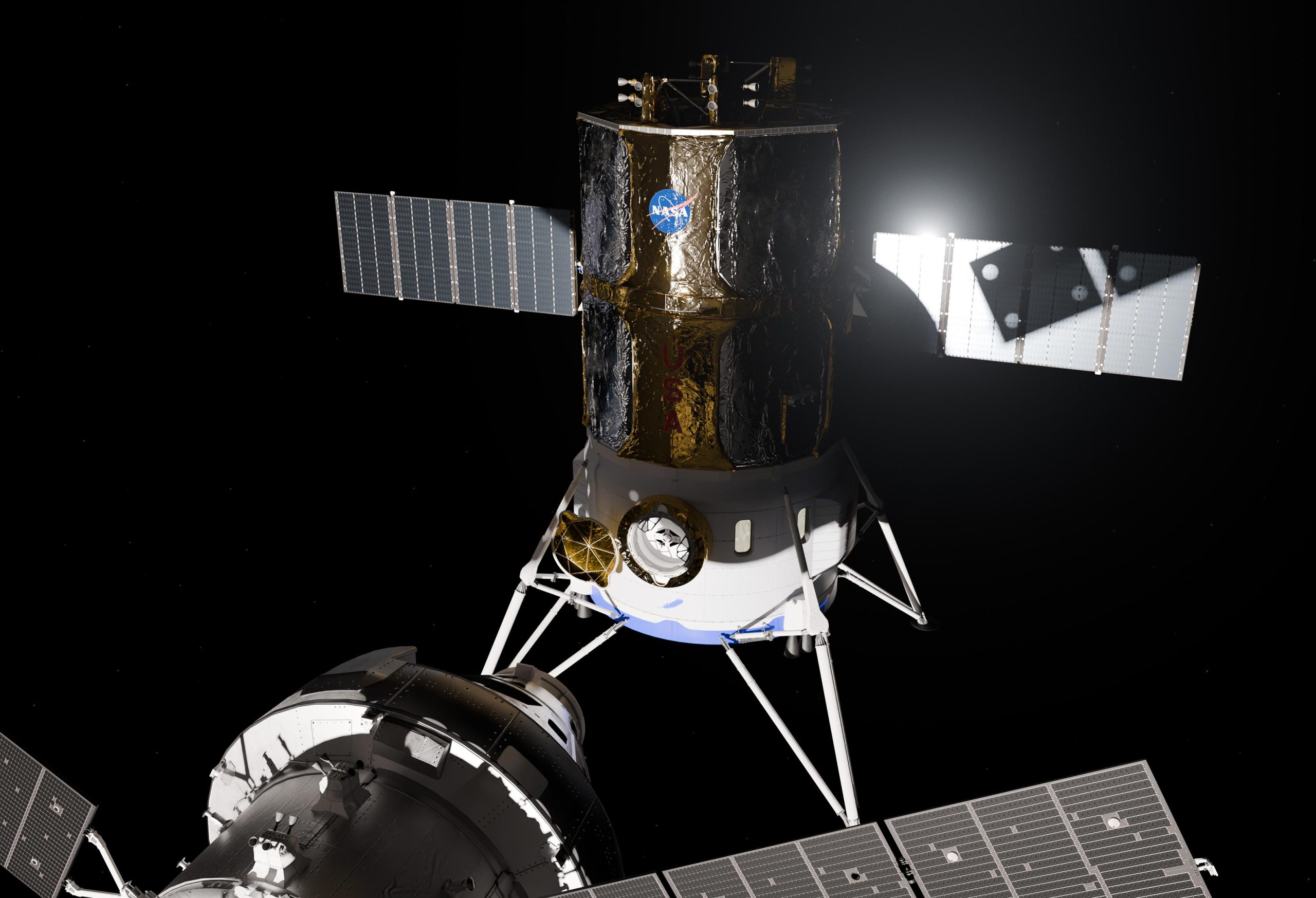
During both docking and undocking sequences, the commercial lander test articles will serve as the targets. Orion, carrying the Artemis III astronauts, will act as the chaser spacecraft. NASA plans to use the same basic arrangement during future crewed landing missions to the Moon.
Before Artemis III flies, NASA will verify that both lander test articles are ready for the mission and safe for the crew. Those reviews will evaluate the vehicles against functional and performance requirements as well as hardware and software hazard controls. The goal is to ensure that the astronauts remain protected inside Orion during both docking demonstrations.
SpaceX and Blue Origin have already conducted ground testing of their respective docking systems. SpaceX qualified its docking capability in 2023. Blue Origin carried out development testing of its pressurized docking system on the ground earlier this year.
The two landers will connect with Orion in very different ways. Orion will dock to the side of the Blue Moon test lander near its crew cabin. Later in the mission, Orion will meet the much larger SpaceX vehicle nose to nose.
Testing How Three Spacecraft Systems Work Together
Software tests will help determine whether Orion and the commercial human landing system prototypes can navigate to the same precise place in space at the required time.
When Orion is connected to Blue Moon, Orion’s software will control the joined spacecraft. During the SpaceX portion of the mission, the Starship test article will control the combined vehicles.
These docking phases will allow NASA, SpaceX, and Blue Origin to study how their hardware and software operate together. Engineers will also examine the motion and dynamics of Orion and each lander when the spacecraft are physically connected.
Through the Artemis program, NASA plans to send astronauts back to the Moon for scientific exploration and economic benefits while developing the experience and technology needed for the first crewed missions to Mars – for the benefit of all.
Never miss a breakthrough: Join the SciTechDaily newsletter.
Follow us on Google and Google News.
1 Comment
Starship is utterly amazing. I never miss a launch.