
Close Menu
    Facebook X (Twitter) Instagram
    SciTechDaily
    • Biology
    • Chemistry
    • Earth
    • Health
    • Physics
    • Science
    • Space
    • Technology
    Facebook X (Twitter) Pinterest YouTube RSS
    SciTechDaily
    Home»Space»NASA and SpaceX Successfully Test Starship’s Lunar Lander Docking System
    Space

    NASA and SpaceX Successfully Test Starship’s Lunar Lander Docking System

    By NASA's Marshall Space Flight CenterMay 16, 20241 Comment3 Mins Read
    Facebook Twitter Pinterest Telegram LinkedIn WhatsApp Email Reddit
    Share
    Facebook Twitter LinkedIn Pinterest Telegram Email Reddit
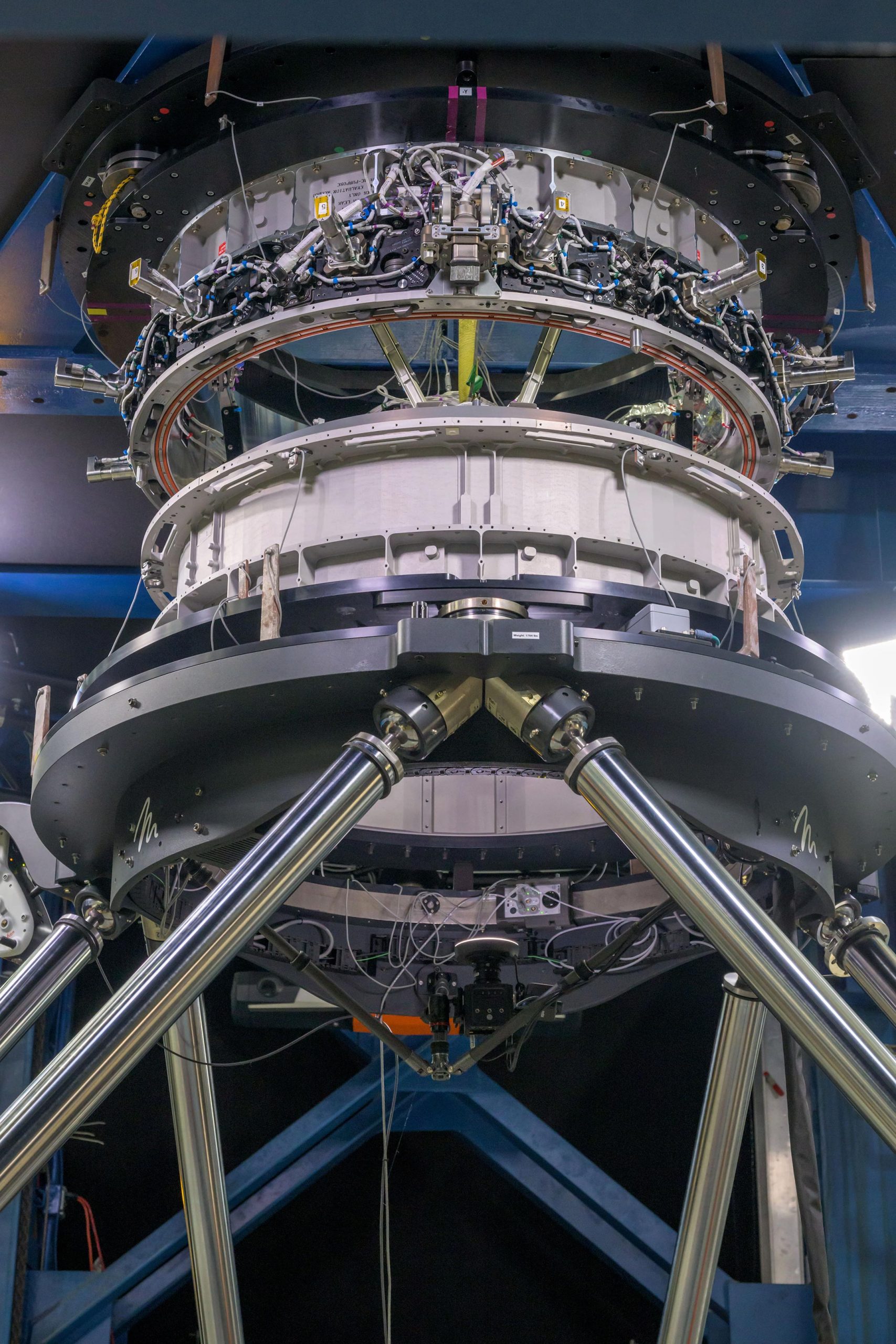
    SpaceX Starship Docking System
    SpaceX and NASA recently performed full-scale qualification testing of the docking system that will connect SpaceX’s Starship Human Landing System (HLS) with Orion and later Gateway in lunar orbit during future crewed Artemis missions. Based on the flight-proven Dragon 2 active docking system, the Starship HLS docking system will be able to act as an active or passive system during docking. Credit: SpaceX

    NASA and SpaceX have successfully tested the docking system for the Artemis III mission, which will enable astronauts to transfer between the Orion spacecraft and the Starship HLS for lunar landings.

    This system, based on the Dragon 2 docking technology, will facilitate future crew transfers to the lunar surface and from lunar orbit to the Gateway space station. Over 200 docking scenarios were tested, proving the system’s capability for a smooth transfer.

    NASA’s Artemis campaign is setting the stage for sustained scientific exploration at the Moon. To facilitate lunar landings, astronauts will need to transfer between various spacecraft. Recently, NASA and SpaceX conducted qualification tests on a docking system designed to enable these crucial transitions.

    For the Artemis III mission, astronauts will ride the Orion spacecraft from Earth to lunar orbit, and then once the two spacecraft are docked, move to the lander, the Starship Human Landing System (HLS) that will bring them to the surface. After surface activities are complete, Starship will return the astronauts to Orion waiting in lunar orbit. During later missions, astronauts will transfer from Orion to Starship via the Gateway lunar space station. Based on SpaceX’s flight-proven Dragon 2 docking system used on missions to the International Space Station, the Starship docking system can be configured to connect the lander to Orion or Gateway.
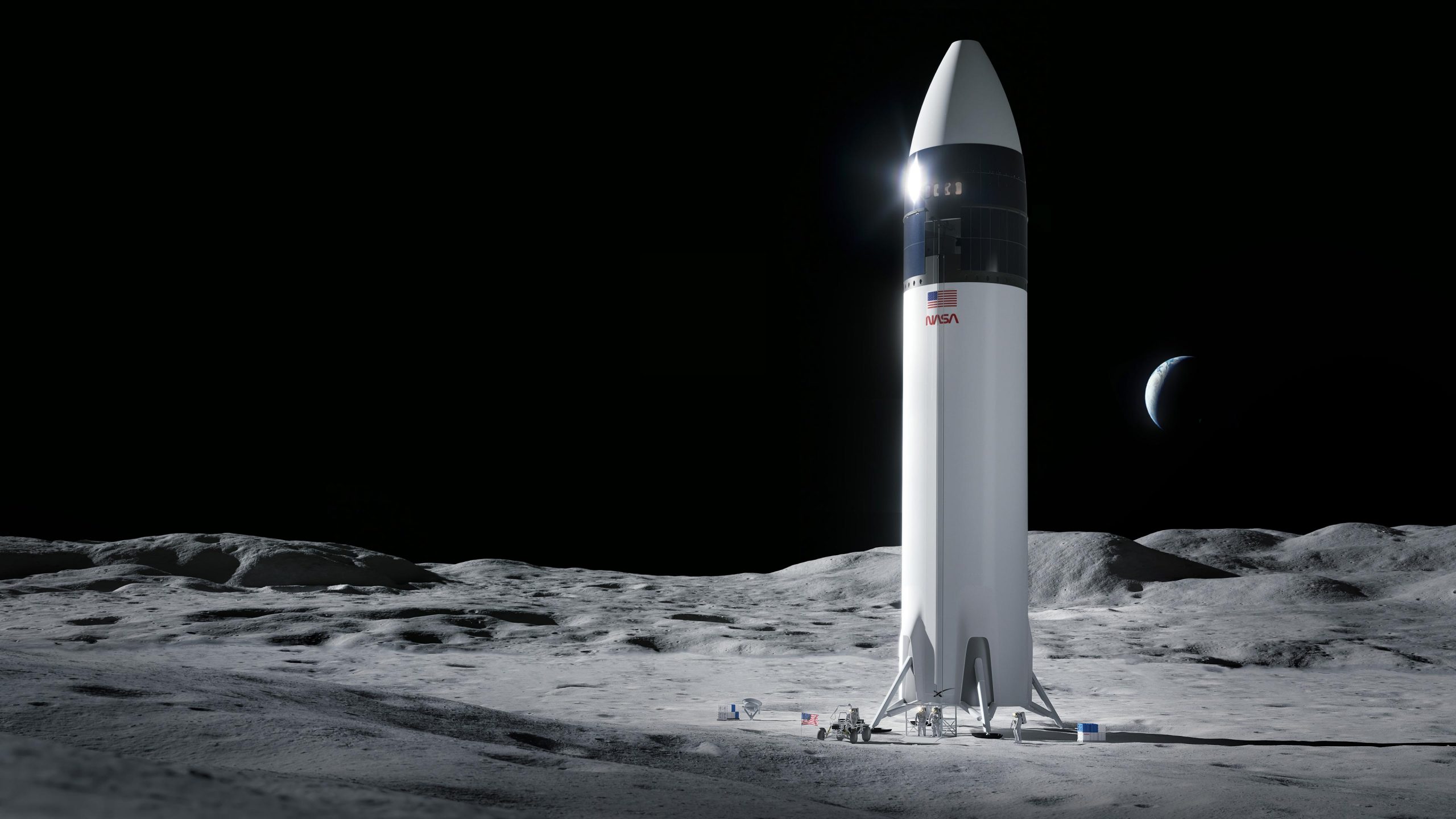
    SpaceX Starship Human Lander
    Illustration of SpaceX Starship human lander design that will carry the first NASA astronauts to the surface of the Moon under the Artemis program. Credit: SpaceX

    The docking system tests for Starship HLS were conducted at NASA’s Johnson Space Center over 10 days using a system that simulates contact dynamics between two spacecraft in orbit. The testing included more than 200 docking scenarios, with various approach angles and speeds. These real-world results using full-scale hardware will validate computer models of the Moon lander’s docking system.

    This dynamic testing demonstrated that the Starship system could perform a “soft capture” while in the active docking role. When two spacecraft dock, one vehicle assumes an active “chaser” role while the other is in a passive “target” role. To perform a soft capture, the soft capture system (SCS) of the active docking system is extended while the passive system on the other spacecraft remains retracted. Latches and other mechanisms on the active docking system SCS attach to the passive system, allowing the two spacecraft to dock.

    Since being selected as the lander to return humans to the surface of the Moon for the first time since Apollo, SpaceX has completed more than 30 HLS specific milestones by defining and testing hardware needed for power generation, communications, guidance and navigation, propulsion, life support, and space environments protection.

    Under NASA’s Artemis campaign, the agency will land the first woman, first person of color, and its first international partner astronaut on the lunar surface, and prepare for human expeditions to Mars for the benefit of all. Commercial human landing systems are critical to deep space exploration, along with the Space Launch System rocket, Orion spacecraft, advanced spacesuits and rovers, exploration ground systems, and the Gateway space station.

    Never miss a breakthrough: Join the SciTechDaily newsletter.
    Follow us on Google and Google News.

    ARTEMIS Mission NASA NASA Marshall Space Flight Center SpaceX
    Share. Facebook Twitter Pinterest LinkedIn Email Reddit

    Related Articles

    NASA Solar Sail Spacecraft to Chase Tiny Asteroid After Artemis I Launch

    NASA Prepares Massive SLS Moon Rockets for First Crewed Artemis Missions

    NASA Selects Five U.S. Companies – Including SpaceX and Blue Origin – for Artemis Lunar Lander Concepts

    NASA Selects SpaceX Starship to Land Next Americans on Moon

    NASA Space Launch System Rocket Proceeding with Green Run Hot Fire Test

    NASA Perseveres Through COVID-19 Pandemic – Here’s What’s Ahead in 2020, 2021

    NASA Selects SpaceX and Two Other Companies to Develop Human Landers for Artemis Moon Missions

    SpaceX Awarded Contract to Deliver Cargo to Lunar Gateway Orbital Outpost

    First Massive SLS Rocket Core Stage for NASA’s Artemis Completed and Loaded for Transport

    1 Comment

    1. Boba on May 18, 2024 6:51 pm

      That test is meaningless. They already knew the docking system would be working.

      Now they only have to mount it on the rocket that’s not even remotely working – and send it into orbit where testing really only counts.

      As for the rendering of the Moon lander, I wonder where on the Moon are they gonna find a perfectly flat surface like that? Because even at the slightest inclination that thing is gonna topple over like nobody’s business and then nobody will be going home.

      Reply
    Leave A Reply Cancel Reply

    • Facebook
    • Twitter
    • Pinterest
    • YouTube

    Don't Miss a Discovery

    Subscribe for the Latest in Science & Tech!

    Trending News

    One of the Universe’s Largest Stars May Be Getting Ready To Explode

    Scientists Discover Enzyme That Could Supercharge Ozempic-Like Weight Loss Drugs

    Popular Sweetener Linked to DNA Damage – “It’s Something You Should Not Be Eating”

    Ancient “Rock” Microbes May Reveal How Complex Life Began

    Researchers Capture Quantum Interference in One of Nature’s Rarest Atoms

    “A Plague Is Upon Us”: The Mass Death That Changed an Ancient City Forever

    Scientists Discover Game-Changing New Way To Treat High Cholesterol

    This Small Change to Your Exercise Routine Could Be the Secret to Living Longer

    Follow SciTechDaily
    • Facebook
    • Twitter
    • YouTube
    • Pinterest
    • Newsletter
    • RSS
    SciTech News
    • Biology News
    • Chemistry News
    • Earth News
    • Health News
    • Physics News
    • Science News
    • Space News
    • Technology News
    Recent Posts
    • Natural Compounds Boost Bone Implant Success While Killing Bacteria and Cancer Cells
    • After 60 Years, Scientists Uncover Unexpected Brain Effects of Popular Diabetes Drug Metformin
    • New Research Uncovers Hidden Side Effects of Popular Weight-Loss Drugs
    • Scientists Rethink Extreme Warming After Surprising Ocean Discovery
    • The Surprising Role of Asteroids in the Origin of Life
    Copyright © 1998 - 2026 SciTechDaily. All Rights Reserved.
    • Science News
    • About
    • Contact
    • Editorial Board
    • Privacy Policy
    • Terms of Use

    Type above and press Enter to search. Press Esc to cancel.