
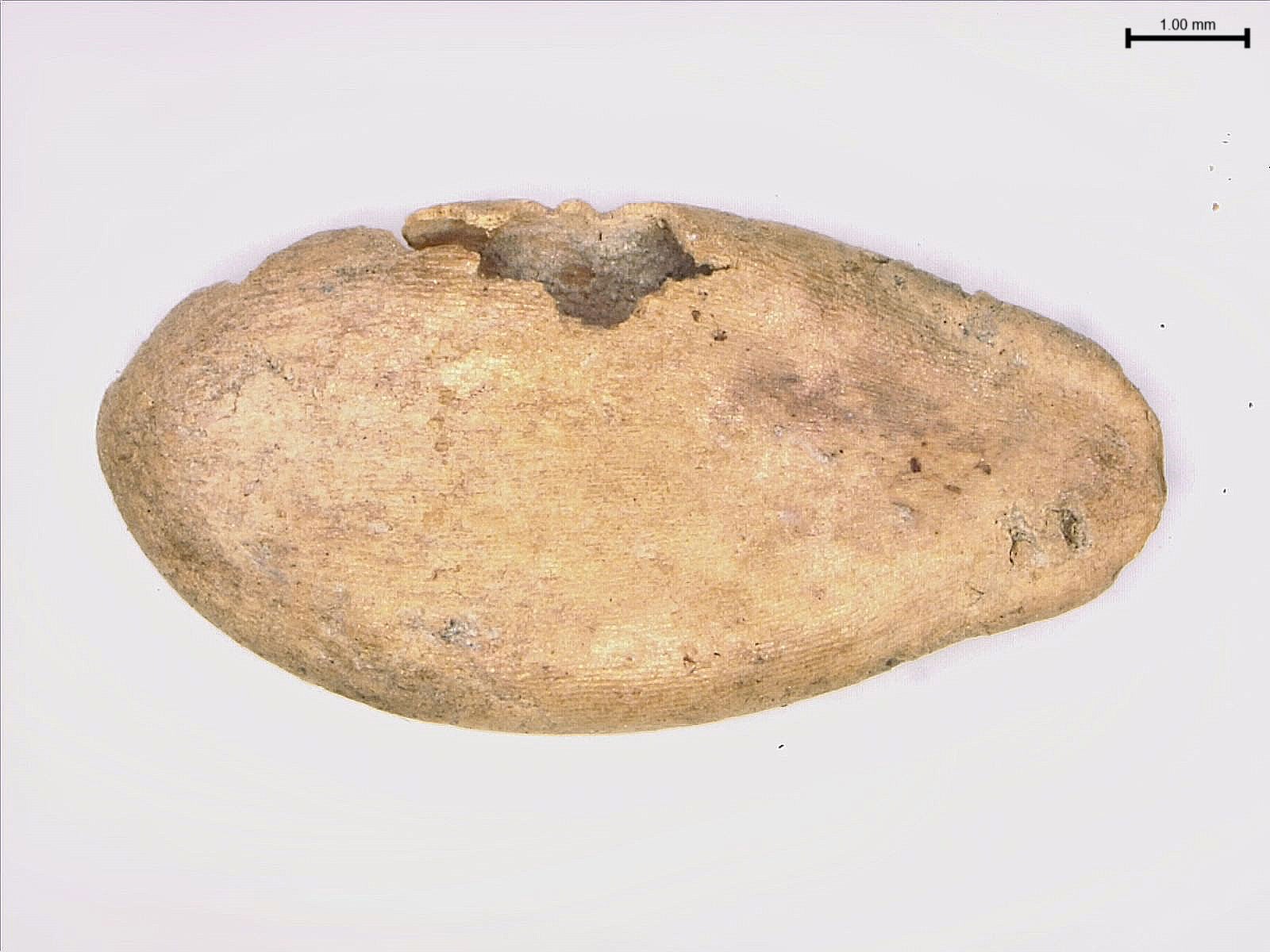
Ancient DNA recovered from melon seeds at a medieval Chinese port is revealing surprising clues about the fruit’s origins and evolution.
Melons grown in medieval China may have looked and tasted very different from the sweet varieties enjoyed today. DNA recovered from ancient seeds suggests these fruits had light-green flesh, yellow skin, and genetic ties to South Asia. Their appearance may also have reflected the artistic tastes of China’s Song dynasty.
The findings, published in the Proceedings of the National Academy of Sciences, come from seeds discovered at the Gugang port (Shuomen Gugang) in southeastern China. Excavations in 2024 uncovered shipwrecks, porcelain, and remains of imported fruits. Waterlogged sediments preserved plant DNA dating to the Song dynasty (circa 960-1279).
Ancient DNA Points to the Melon’s Asian Origins
Researchers at Washington University in St. Louis, working with colleagues in Germany and the United Kingdom, identified the seeds as belonging to the East Asian agrestis melon lineage. Genetic evidence suggests these melons originated in South Asia before reaching China, although independent domestication in China remains possible.
WashU biologist Susanne Renner, who has studied melons for more than 25 years, explained that scientists once favored a different origin. “At that time, it was assumed that because the genus Cucumis, to which melons belong, has numerous wild African species, that melons originated in Africa,” she said.
In 2010, Renner analyzed approximately 100 Cucumis samples from Africa, Australia, and Asia, identifying previously overlooked melon relatives around the Indian Ocean. “Based on biogeographic analysis, we inferred that melons most likely originated in Asia, not Africa,” Renner said. Research has since established separate domestication events in Northeast Africa and twice in India, with a possible additional event in southeastern China.
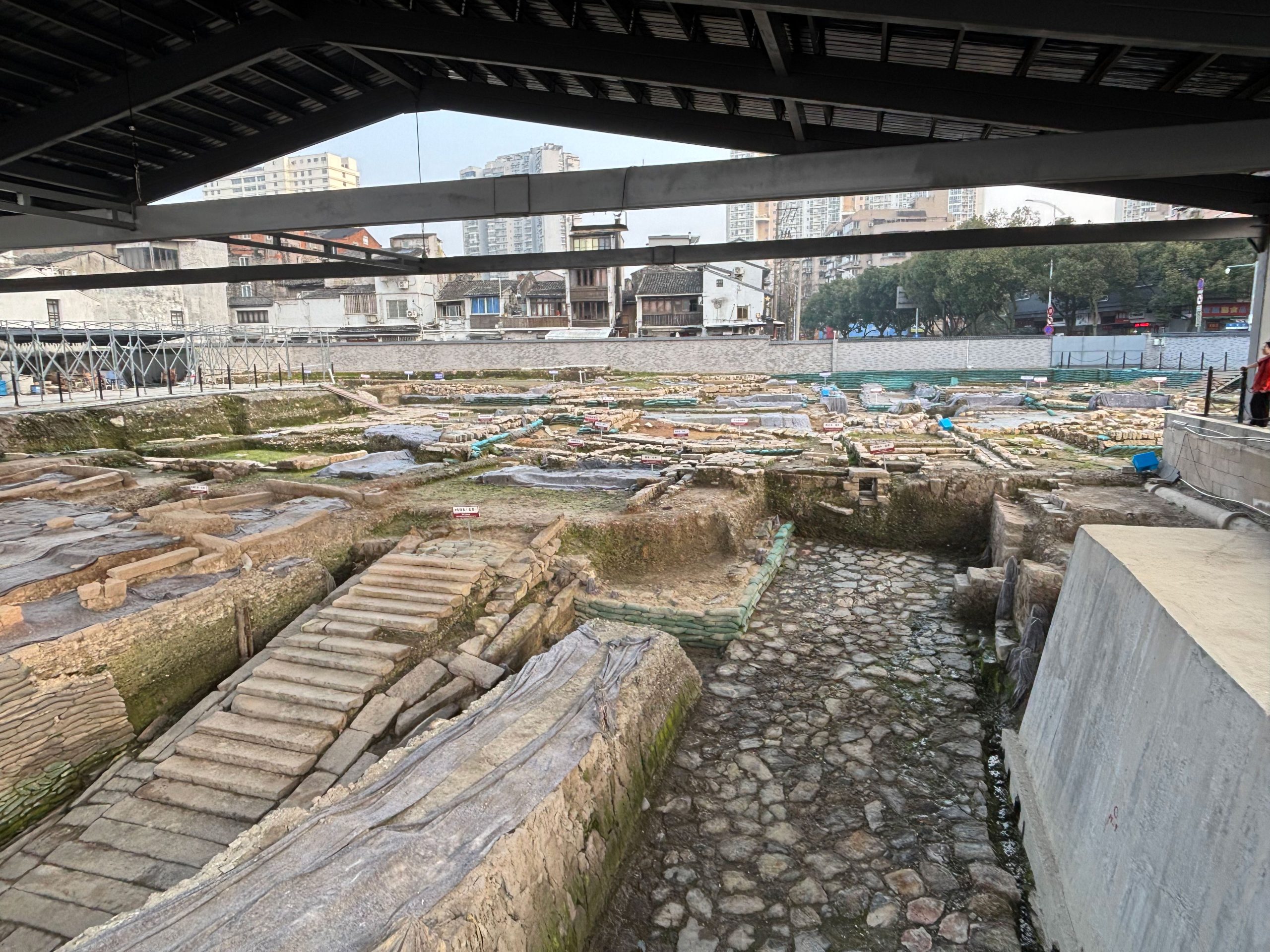
How Melons May Have Reached Ancient China
Two historical trade corridors could explain the arrival of South Asian melons in China. One followed the northern Silk Road along the Tibetan Plateau, while the other traveled south of the Himalayas through routes associated with the Tea Horse Road.
“Both corridors are historically plausible, as demonstrated by the movement of other food resources,” said WashU archaeologist Xinyi Liu. “Current archaeological evidence points more strongly to a southern route. The earliest melon remains in China have been recovered from Han and pre-Han royal tombs in southern China, predating comparable finds from northern ‘Silk Road’ sites by approximately 800 to 1,000 years. We therefore consider a southern route connecting southern China with Southeast and South Asia to be a candidate for the early introduction of melon into China.”
Ancient Melons Were Different From Today’s Sweet Varieties
Genetic analysis suggests that melons cultivated during the 10th to 13th centuries had characteristics unlike those of modern dessert varieties. Rather than being selected primarily for sweetness, they may have been valued as vegetables, mildly sweet fruits, or sources of edible seeds.
“The color-related traits are particularly interesting. They suggest that these ancient melons likely had light-green flesh and yellow peel,” Liu said. “Melons with these characteristics are often consumed as vegetables, as mildly sweet fruit, or for their seeds, rather than as high-sugar dessert melons. In the lower Yangtze region today, culinary traditions of consuming melon as pickles or vegetables still persist.”
The fruit also held cultural meaning. Because melons contain numerous seeds, they traditionally symbolized fertility and prosperity in China. Their pale-green flesh may have complemented the aesthetic preferences of Song dynasty society.
A Surprising Connection to Jade-Green Ceramics
Song dynasty artisans produced celadon pottery with delicate green glazes resembling jade. Many vessels were shaped like melons, suggesting a possible relationship between the fruit’s appearance and contemporary decorative traditions.
“The light-green color resonates with the fine-toned color of Chinese jade and with the glazes of celadon porcelain, both highly valued in East Asian aesthetic traditions,” Liu said. “During the Song dynasty, green celadon ceramics produced in the lower Yangtze region and beyond were frequently fashioned in melon-shaped forms, with glazes echoing the jade-green tones of melon flesh.”
Celadon ceramics circulated throughout China, Korea, and Japan, and numerous examples were recovered from Gugang. The researchers suggest that agricultural selection and cultural preferences may have influenced one another, although a direct connection remains unproven.
“Taken together, this represents a rare and compelling case of cultural-genetic symbiosis, reflected in the parallel historical selection of melon traits and celadon aesthetics,” Liu said.
Ancient Seeds Offer a New Way to Study Crop History
The collaboration began when Renner and Liu discussed archaeological seeds recovered from Gugang at a Washington University Living Earth Collaborative event. The port’s waterlogged deposits offered rare conditions for preserving ancient plant DNA.
Such genetic evidence can reveal crop ancestry and inherited characteristics that archaeological artifacts alone cannot establish. However, connecting individual genetic changes to specific traits remains difficult. Comparable ancient DNA research has been conducted on only a handful of crops, including barley, wheat, cotton, maize, and beans.
“The difficulty lies in the generally very few substitutions that can be attributed to selection on specific traits,” Renner said.
The findings strengthen the case for a South Asian connection to medieval Chinese melons while raising new questions about how agricultural traits, trade, and cultural preferences developed together.
Reference: “Ancient DNA reveals early use of melons in China’s Song dynasty” by Nathanael Walker-Hale, Yunfei Zheng, Marion Verdenaud, Lara Pereira, Oscar Alejandro Pérez-Escobar, Michaela Preick, Abdelhafid Bendahmane, Michael V. Westbury, Michael Hofreiter, Hanno Schaefer, Xinyi Liu, Guillaume Chomicki and Susanne S. Renner, 4 September 2026, Proceedings of the National Academy of Sciences.
DOI: 10.1073/pnas.2610284123
Never miss a breakthrough: Join the SciTechDaily newsletter.
Follow us on Google and Google News.