
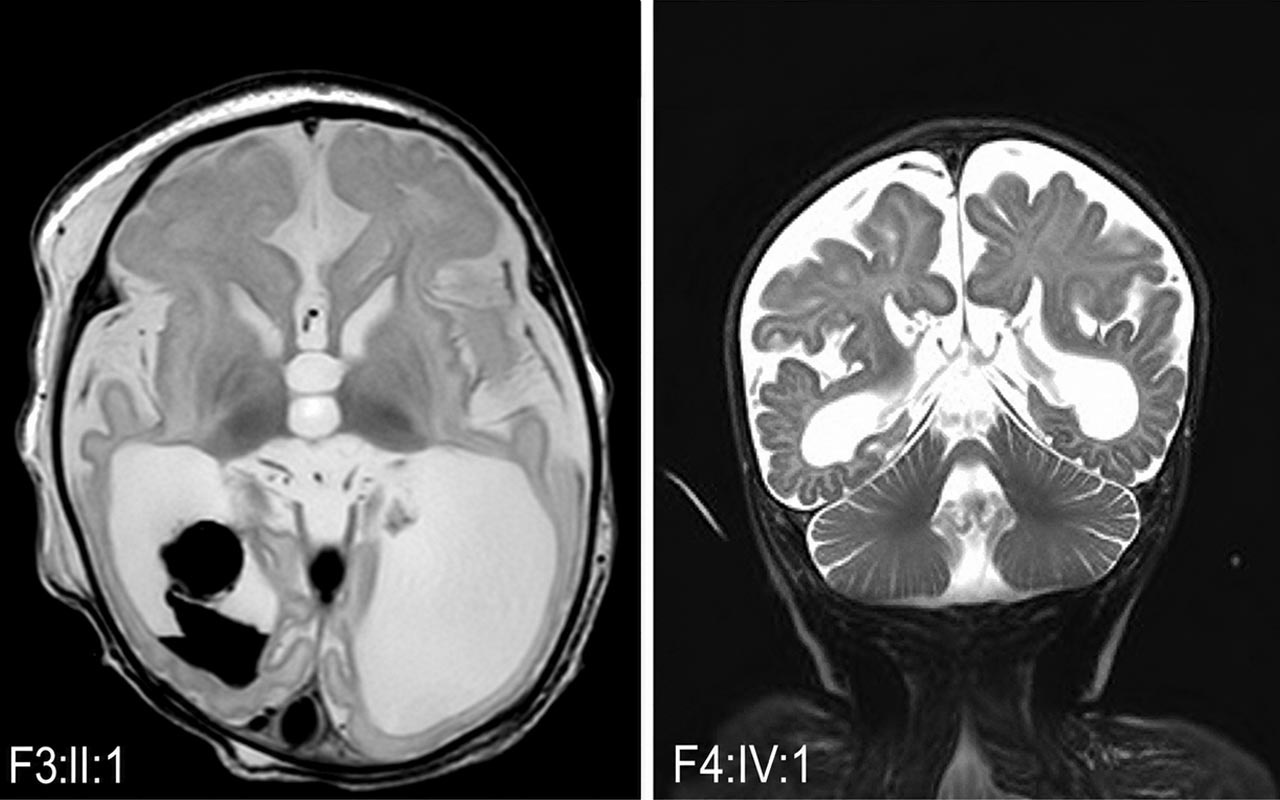
Five unrelated families across three continents helped uncover a genetic cause of a devastating newborn brain disorder, offering new hope for earlier detection and answers to previously unexplained tragedies.
Some newborns enter the world with devastating brain abnormalities that can cause seizures, profound developmental difficulties, and life-threatening complications. The damage begins before birth, and for some families, the condition has claimed the lives of multiple children without doctors being able to explain why or determine whether it could happen again.
Researchers have now identified a genetic cause behind some of these cases, offering long-awaited answers to affected families. A study published in Genome Medicine links changes in a gene called VPS25 to a previously unknown brain disorder, giving doctors a new way to investigate severe neurological conditions that have remained unexplained.
Five families reveal a shared genetic clue
The discovery began with a pattern of illness shared by children from five unrelated families across Saudi Arabia, Europe, and North America. Three families were initially identified through genomic programs in Saudi Arabia, and researchers subsequently connected their cases with others overseas. Although the families were unrelated, their children had similar symptoms and changes in the same gene.
“When a condition is this rare, one family alone may not be enough to reveal what is happening,” said Professor Fowzan Alkuraya, clinical genetics lead on the study who is affiliated with both King Faisal Specialist Hospital and Research Center (KFSHRC) and King Abdullah University of Science and Technology (KAUST). “Bringing together clinical experience with genomic data from Saudi Arabia, and connecting it with cases internationally, allowed us to see a pattern that had previously been invisible. This is why building these genomic resources matters: they can help us find answers to diseases that might otherwise remain unexplained.”
Missing proteins offer clues to brain damage
To understand how these genetic changes might affect the developing brain, scientists at KAUST examined biological processes inside affected cells. The VPS25 gene plays a role in maintaining nerve cells, and laboratory testing revealed disruptions that altered both the number and contents of tiny packages released by cells. Some of these packages were missing proteins involved in protecting and maintaining nerve cells, offering clues about how the disorder develops.
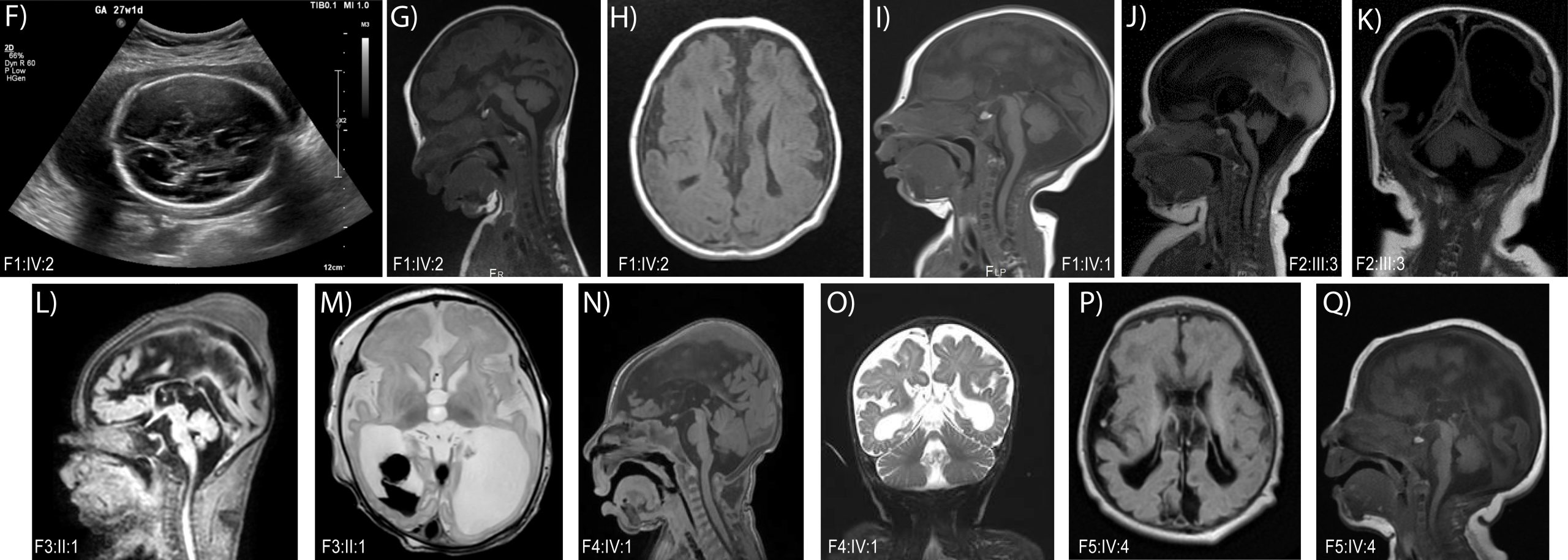
The findings provide the first evidence connecting VPS25 changes to a human disease. Establishing that connection required clinicians at KFSHRC to work closely with affected families, documenting their symptoms and investigating possible genetic causes, while KAUST researchers studied the underlying cellular problems.
Genetic answers could guide future pregnancies
For families who have endured years of uncertainty, identifying the cause offers something that was previously missing: an explanation for their children’s illness and information that could help guide future pregnancy decisions. The discovery also gives clinicians a new gene to examine when investigating similar brain abnormalities and may allow the condition to be detected through genetic testing during pregnancy.
“Knowing that this disease has a rare genetic cause can bring comfort to families who have lived for years with uncertainty about their tragic losses,” said Professor Jasmeen Merzaban, co-lead of the study at KAUST. “It also enables clinicians around the world to recognize similar cases and detect the disease through genetic testing during pregnancy.”
Researchers hope that identifying VPS25 as a disease-associated gene will help uncover additional cases around the world. Studying more affected families could reveal how the condition varies between children, improve diagnosis and genetic counseling, and provide a clearer understanding of how disruptions involving VPS25 interfere with early brain development.
Reference: “Recessive variants in ESCRT-II component VPS25 alter vesicular transport and small extracellular vesicle processing in lethal neonatal encephalopathy” by Ioannis Isaioglou, Lama AlAbdi, Muhammad Tehseen, Yossef Lopez de los Santos, Mansour Aldehaiman, Gloria Lopez-Madrigal, Norah Altuwaijri, Viviana Hermosilla Aguayo, Anna Pleyers, Maya Ayach, Ashraf Al-Amoudi, Jing Kai, Vlad-Stefan Raducanu, Bader Alhaddad, Edda Hofstätter, Amani Al-Amodi, Mais O. Hashem, Hessa S. Alsaif, Claudius Fazelnia, Firdous Abdulwahab, Amal Jaafar, Tarfa Alshidi, Rana Helaby, Adriana M. Montaño, Kara C. Klemp, Ellen Totten, Wesam Kurdi, Saly Eltohamy, Hadeel Abdollah E. Alrukban, Bashayer Alawam, Licia Selleri, Davor Lessel, Dimitrios Kapogiannis, Samir M. Hamdan, Stephen R. Braddock, Fowzan S. Alkuraya and Jasmeen S. Merzaban, 14 September 2026, Genome Medicine.
DOI: 10.1186/s13073-026-01693-z
The research reported in this publication was supported by funding to J.M. from King Abdullah University of Science and Technology (KAUST), including Faculty Baseline Research Funding Program award number 1005 and KAUST Center of Excellence for Smart Health award number 5932. This research was supported in part (author D.K.) by the Intramural Research Program of the National Institutes of Health (NIH). The contributions of the NIH author(s) are considered Works of the United States Government.
Never miss a breakthrough: Join the SciTechDaily newsletter.
Follow us on Google and Google News.