
The same vitamin found in everyday foods could eventually help store surplus renewable electricity, after an experimental zinc-air battery using B12 completed up to 250 recharge cycles.
The search for safer, more sustainable batteries is leading scientists to some unexpected places, including the chemistry of vitamins. Researchers at the University of Córdoba in Spain have found that vitamin B12, a nutrient essential to human health, can also help power a rechargeable battery. Their experimental design completed up to 250 charge and discharge cycles, opening another possibility for future energy storage technology.
The researchers developed a zinc-air battery, which generates electricity through chemical reactions involving zinc and oxygen from the surrounding air. Unlike conventional batteries that store all their reactive materials internally, zinc-air batteries draw oxygen from the environment. This makes them lighter and gives them high energy density, meaning they can store substantial energy relative to their weight. They are already used in small devices such as hearing aids.
Zinc also offers advantages because it is abundant and recyclable. These batteries use nonflammable, water-based electrolytes, making them potentially safer than conventional lithium-ion batteries, whose raw material extraction raises economic, social, and environmental concerns.
One catalyst for charging and discharging
Making zinc-air batteries rechargeable, however, presents a challenge. They need a catalyst, a substance that helps chemical reactions proceed, that can support both the production of electricity and the reverse process needed to recharge the battery.
Vitamin B12, also known as cobalamin, offered a possible solution because its molecular structure contains cobalt (III), a form of the metal cobalt that helps drive these reactions. Although better known for its role in nutrition, B12 is produced naturally by certain bacteria and manufactured commercially for food and pharmaceutical applications. Found in foods of animal origin, it is used to address nutritional deficiencies and has also become popular alongside other B vitamins as a hangover remedy because it can help reduce fatigue.
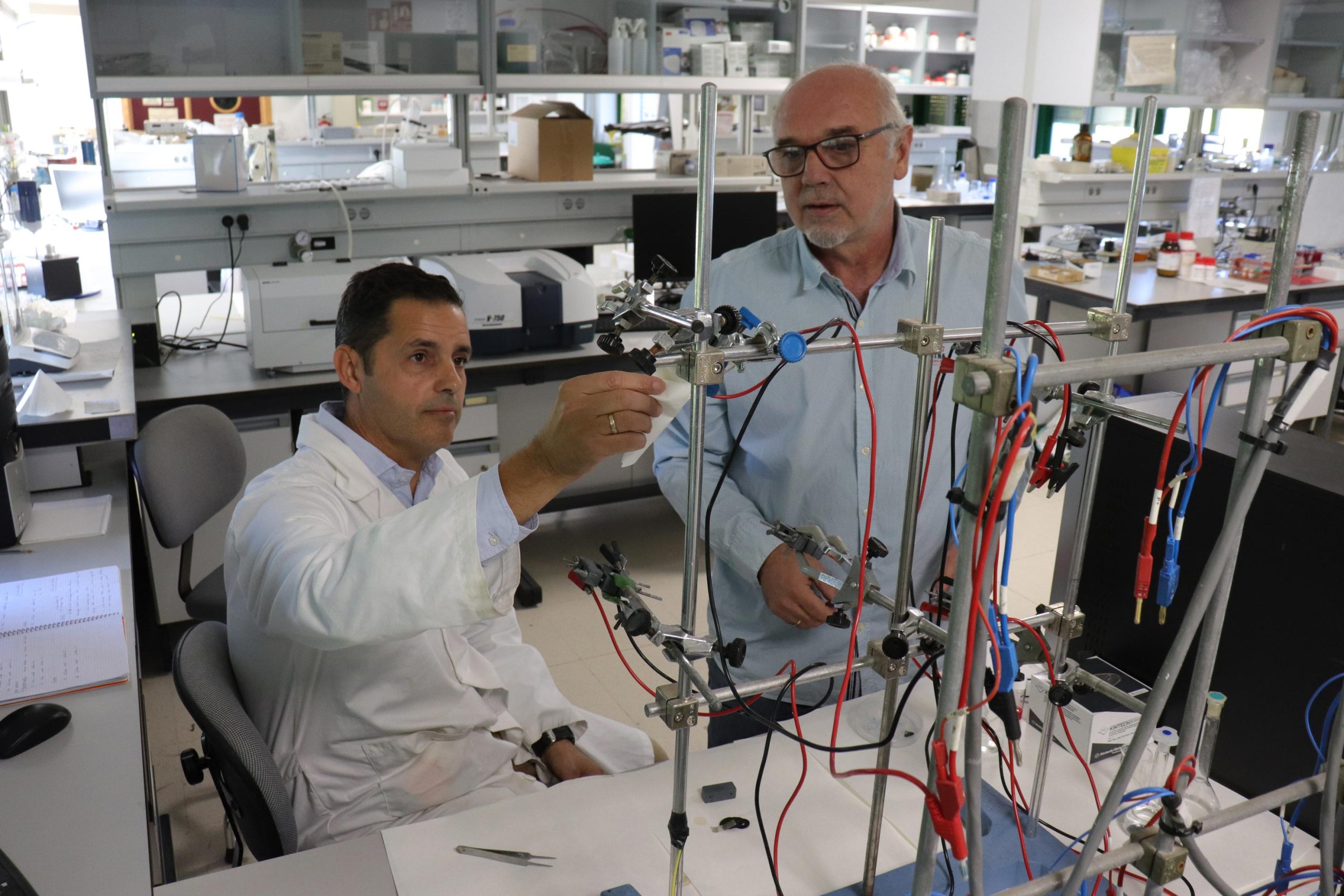
Researcher Antonio Jesús Fernández Romero explained that vitamin B12 “has proven to meet the necessary conditions to act as a good catalyst because, during discharge, it catalyzes the reduction of oxygen to water and, during recharging, it promotes the production of oxygen”.
Carbon nanotubes keep B12 in place
The difficulty was keeping the vitamin inside the battery. Because B12 dissolves readily in water, it could not simply be added to a battery that uses a water-based electrolyte. The researchers solved this problem by attaching the vitamin to single-walled carbon nanotubes, extremely thin carbon structures that hold it in place while allowing it to support the chemical reactions. Their approach mimicked “the process by which amino acids bind together in proteins.”
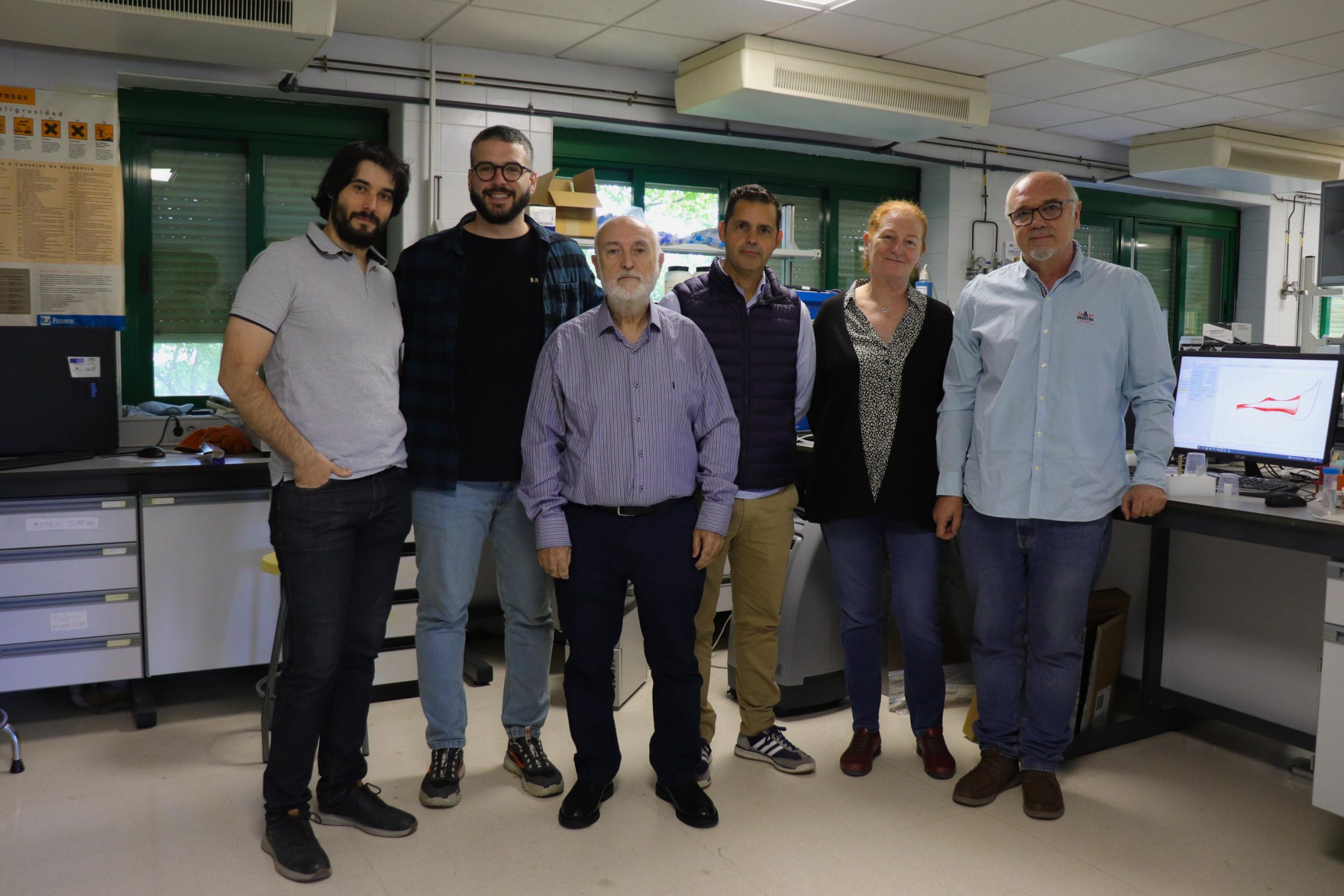
The prototype was developed by the Physical Chemistry research group (FQM-204) at the University of Córdoba’s Chemical Institute for Energy and the Environment (IQUEMA). As study author Manuel Cano Luna explained, “we looked at the properties we can find in naturally occurring materials to use them in new batteries.”
B12 adds recharging to earlier designs
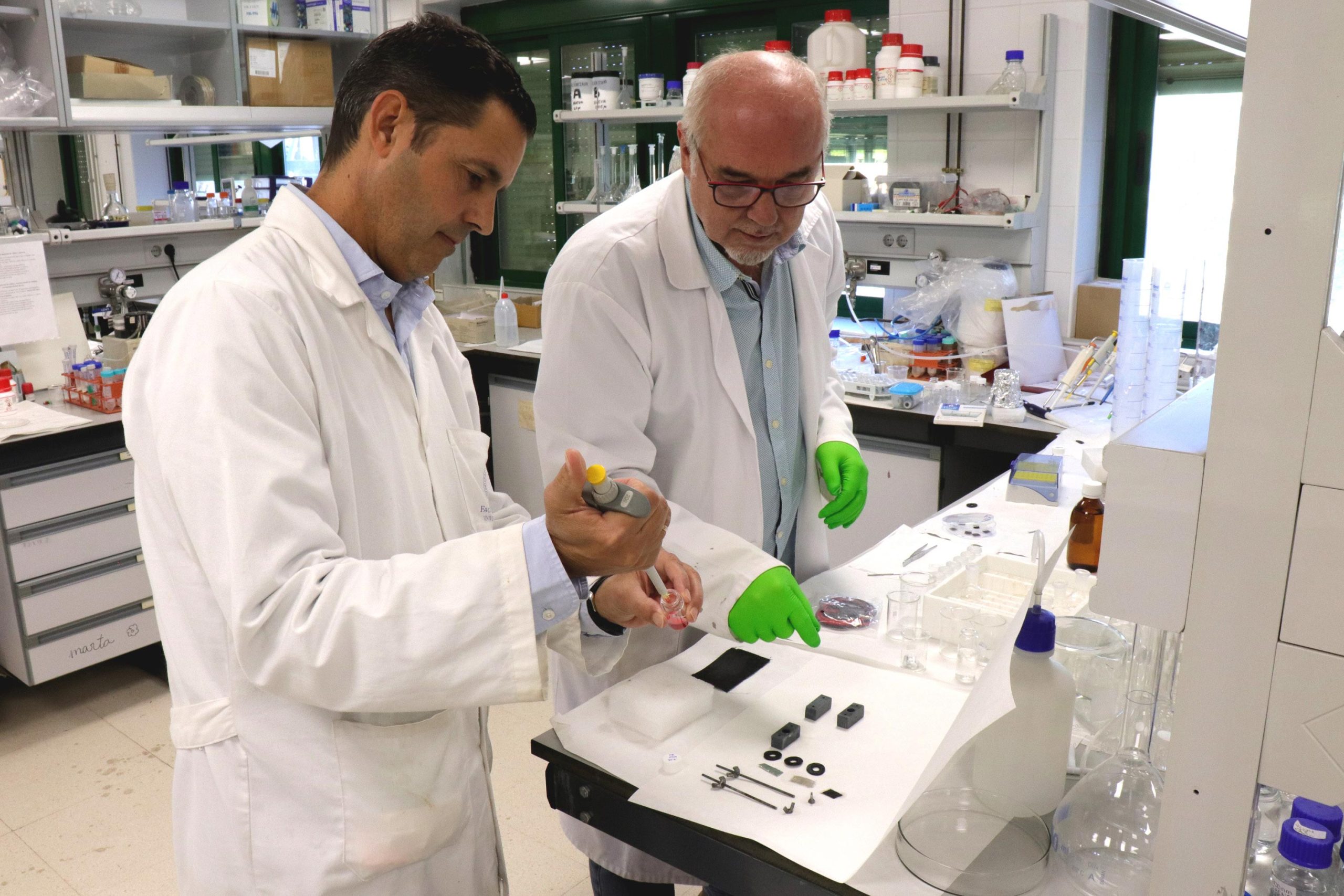
This is the group’s third battery prototype using a biological molecule as a catalyst. Earlier experiments involved hemoglobin, which contains iron (II), and catalase, which contains iron (III). The key advance with vitamin B12 is that the resulting battery can be recharged, completing up to 250 cycles in the researchers’ tests.
Although the prototype remains experimental, the findings suggest that naturally occurring molecules could contribute to cheaper, more sustainable energy storage systems. With further development, rechargeable zinc-air batteries could eventually help store surplus electricity from renewable energy sources, addressing one of the challenges of transitioning toward cleaner energy.
Reference: “A vitamin B12-based air electrode for high-performance rechargeable zinc–air batteries” by García-Caballero, Valentín, López-León, Miguel, G. Argudo, Pablo, Camacho, Luis, Rodríguez Mellado, José M., Martín-Romero, Maria T., Abad, José, Fernández Romero, Antonio J. and Cano, Manuel, , Journal of Materials Chemistry A.
DOI: 10.1039/d6ta02773c
The authors would like to acknowledge the financial support from MICIU/AEI/10.13039/501100011033 and FEDER/UE (PID2022-139191OB-C32 project). M. L.-L. Acknowledges the Ministry of Science, Innovation, and Universities for an FPU predoctoral contract (FPU24/03131).
Never miss a breakthrough: Join the SciTechDaily newsletter.
Follow us on Google and Google News.