

Close Menu
    Facebook X (Twitter) Instagram
    SciTechDaily
    • Biology
    • Chemistry
    • Earth
    • Health
    • Physics
    • Science
    • Space
    • Technology
    Facebook X (Twitter) Pinterest YouTube RSS
    SciTechDaily
    Home»Science»Ancient Tomb Reveals That People Were Getting High on Cannabis 2,800 Years Ago
    Science

    Ancient Tomb Reveals That People Were Getting High on Cannabis 2,800 Years Ago

    By University of BernNovember 13, 2026No Comments4 Mins Read
    Facebook Twitter Pinterest Telegram LinkedIn WhatsApp Email Reddit
    Share
    Facebook Twitter LinkedIn Pinterest Telegram Email Reddit
    Cannabis Leaves Vintage Marijuana Leaf
    Scientists have uncovered 2,800-year-old evidence of people getting high on cannabis, hidden in an ancient Siberian tomb filled with clues to mysterious burial rituals. Credit: Shutterstock

    The oldest directly dated evidence of intoxicating cannabis use comes from a Scythian tomb, suggesting the plant’s mind-altering effects had a place in ancient burial rituals.

    About 1,000 cannabis seeds recovered from a princely tomb in southern Siberia could not, on their own, tell archaeologists whether anyone had used the plant to get high. Cannabis, one of today’s most commonly used psychoactive plants, has also supplied oil, fiber, and medicine, and its flowers, leaves, and resins rarely survive to help distinguish among prehistoric uses.

    The tomb, in the South Siberian Republic of Tyva, belonged to high-ranking members of Scythian society, a horse-riding culture of the Eurasian steppe. Researchers investigating the burial found another source of evidence in preserved human hair from its central chamber.
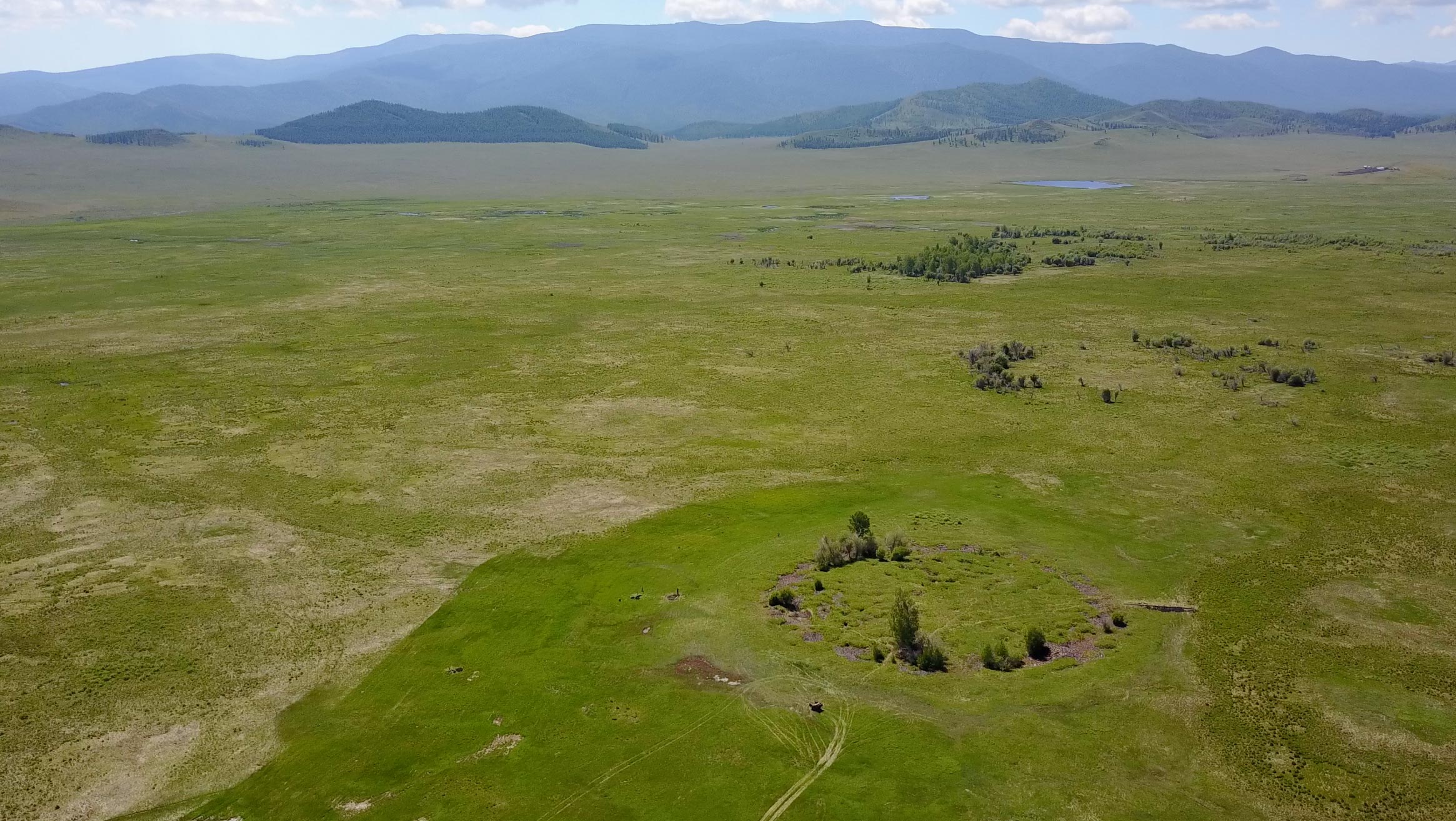
    The Tunnug 1 Archaeological Excavation Site in Southern Siberia
    The Tunnug 1 archaeological excavation site in southern Siberia. Credit: T. Wallace

    Dr. Gino Caspari, an archaeologist at the University of Bern’s Institute of Archaeological Sciences and the Max Planck Institute of Geoanthropology in Jena, Germany, led the international research team and is the lead author of the study, published in Science. “The molecular traces in the hair and the cannabis seeds come from the same grave and suggest that cannabis was used for its intoxicating properties,” he says.
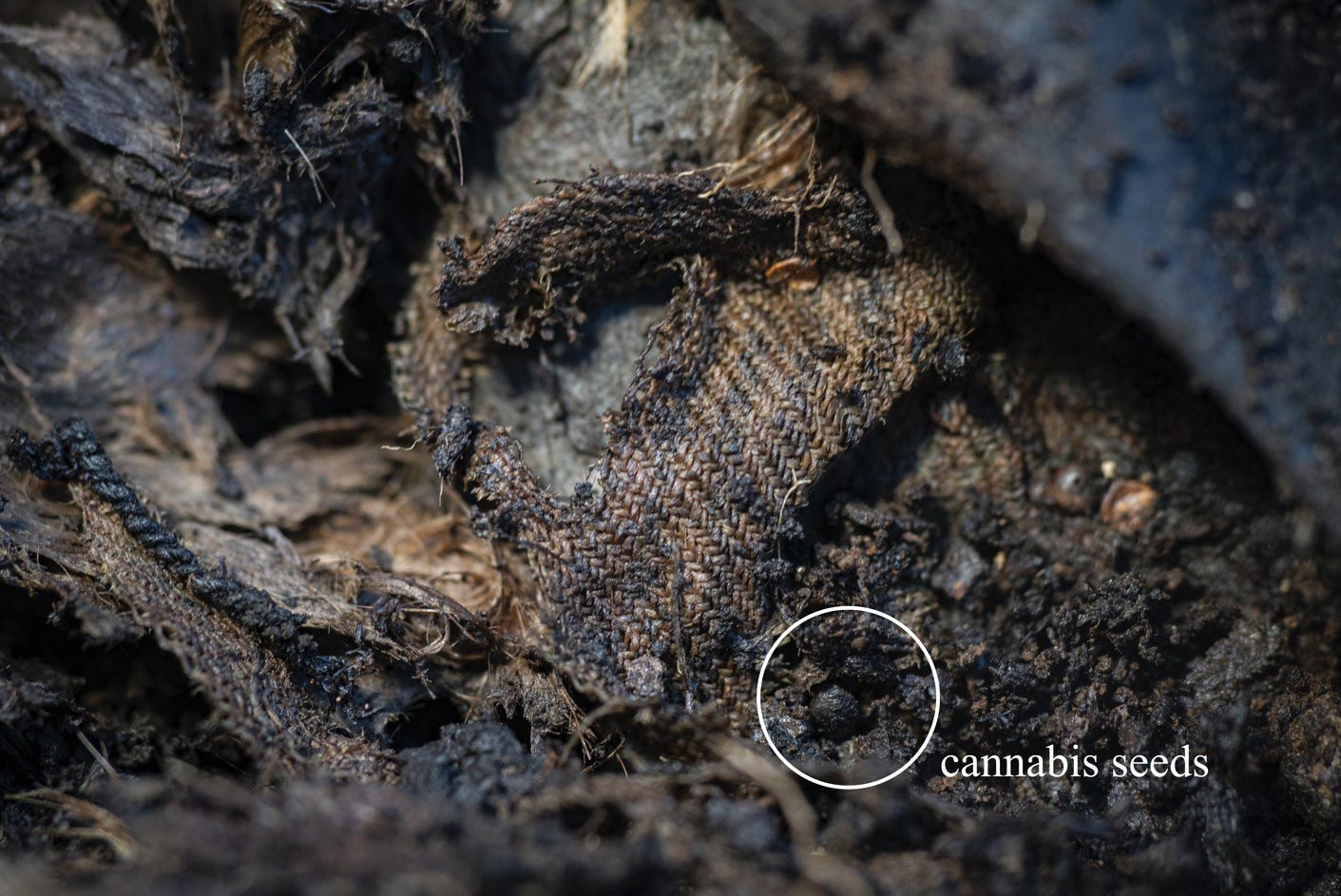
    Cannabis Seeds Discovered in Ancient Scythian Tomb
    The cannabis seeds are not easy to spot in the excavation context. Credit: T. Wallace

    Cannabis and sacrifice in a Scythian tomb

    By directly radiocarbon dating six seeds and combining those measurements with other dating results, the researchers determined that the seeds were placed in the grave in the early eighth century B.C. The findings provide what is currently the oldest directly dated archaeological evidence of cannabis use for its intoxicating properties. “The seeds show that cannabis played an important role in the rituals surrounding the burial,” says Caspari.

    In an earlier publication, the team described the remains of 18 horses that had once been arranged on the burial mound. Several dozen additional horse sacrifices and scattered human bones have since come to light. “In this princely tomb, the burials were accompanied by extensive horse sacrifices and, most likely, human sacrifices as well,” says Caspari.
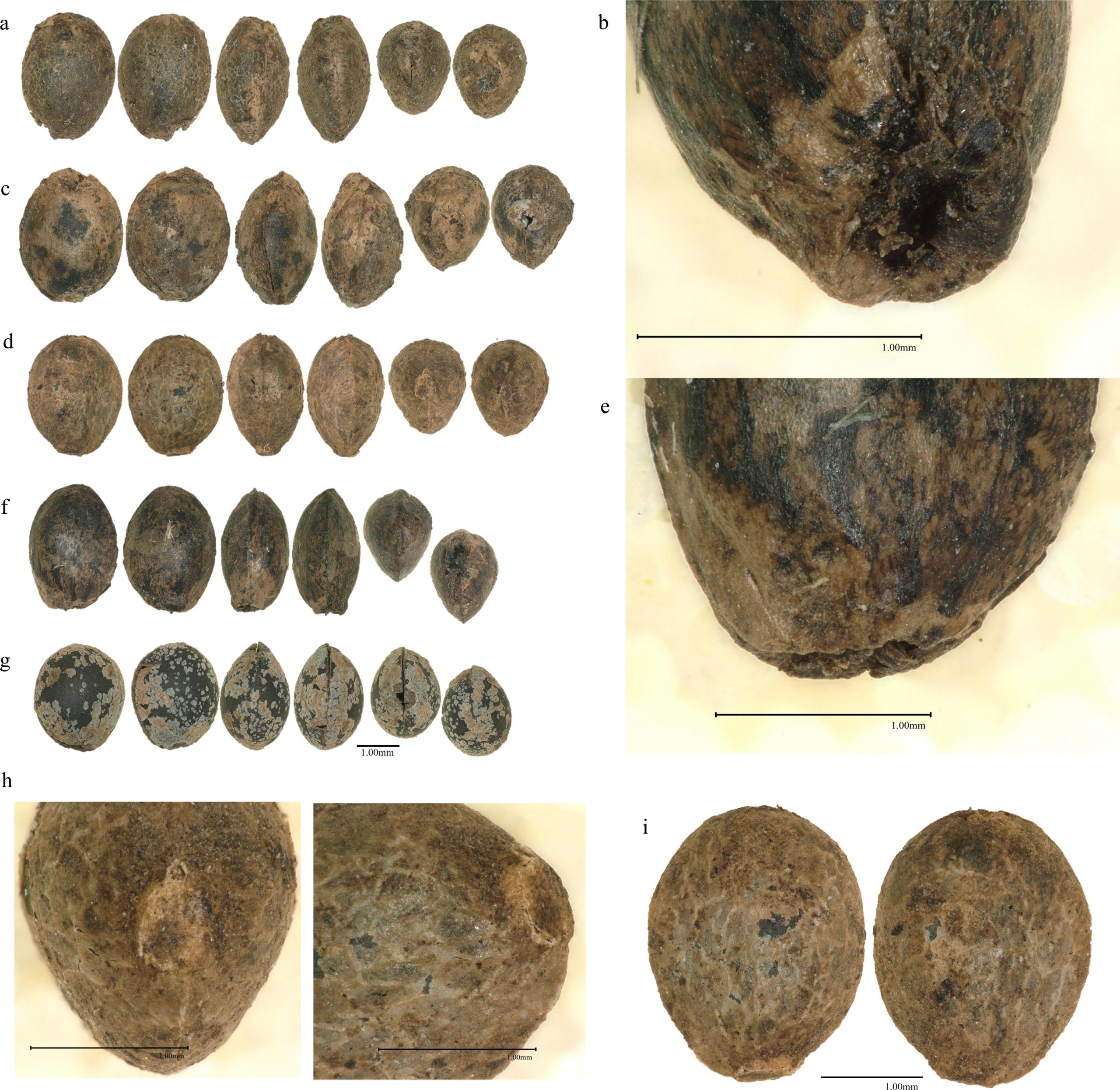
    Microscopic Comparison of Ancient Cannabis Seeds
    When photographed under good lighting, the seeds reveal a characteristic net-like pattern that allows for their identification as cannabis. Credit: Caspari et al.

    Hair preserves evidence of cannabis use

    To investigate whether cannabis compounds had entered the bodies of people buried there, the researchers analyzed the hair using high-resolution mass spectrometry and other methods. Mass spectrometry helps distinguish compounds by the mass and electrical charge of their molecules or fragments. Several hair samples produced clear signals consistent with cannabinol, or CBN, a compound that can form through the oxidation of tetrahydrocannabinol, or THC, the main intoxicating compound in cannabis. The team also detected weak signals whose masses were consistent with THC.
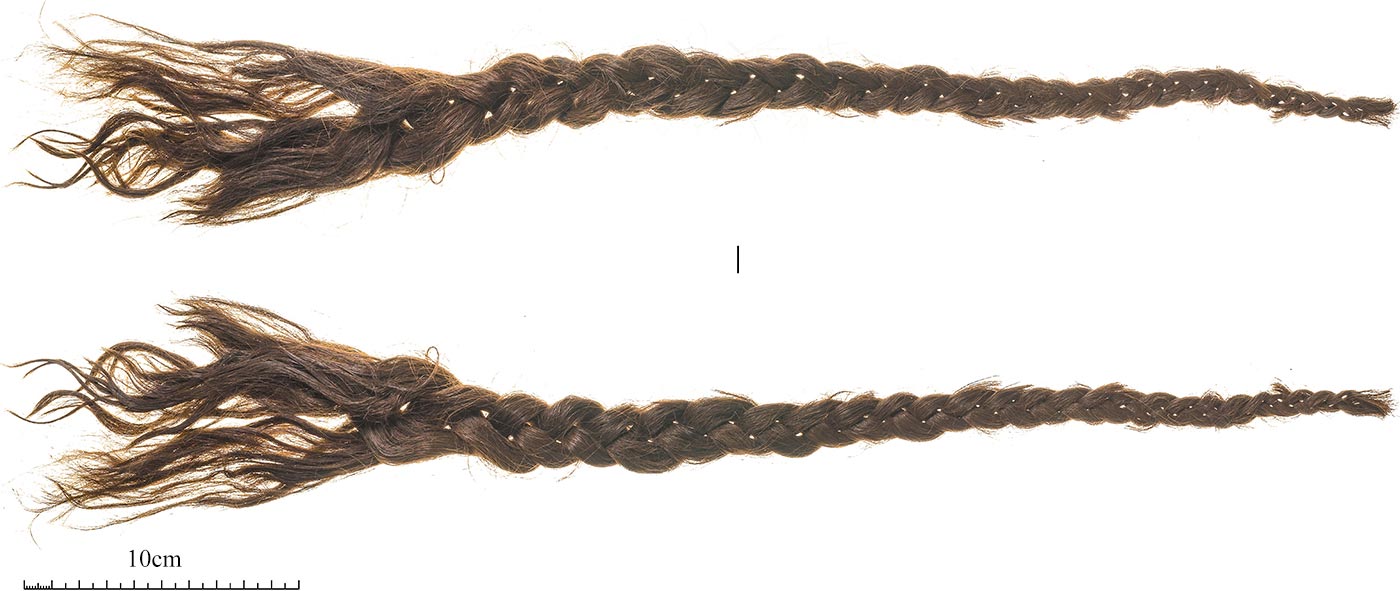
    Preserved Braided Human Hair From Scythian Graves
    Preserved human hair from the graves made it possible to detect cannabis use. Credit: Caspari et al.

    “This study is particularly insightful because it combines the analysis of plant remains with molecular traces in the human body,” says Caspari.

    The researchers interpret the hair results as evidence of cannabis use, although the analyses cannot reliably establish how much was consumed or determine with certainty how its active compounds entered the body, such as through inhalation or ingestion. Later archaeological sites in Central Asia have yielded chemical residues of cannabinoids, compounds found in cannabis, in vessels and on heated stones that clearly indicate inhalation. The Tyva hair samples do not establish a particular method of consumption.
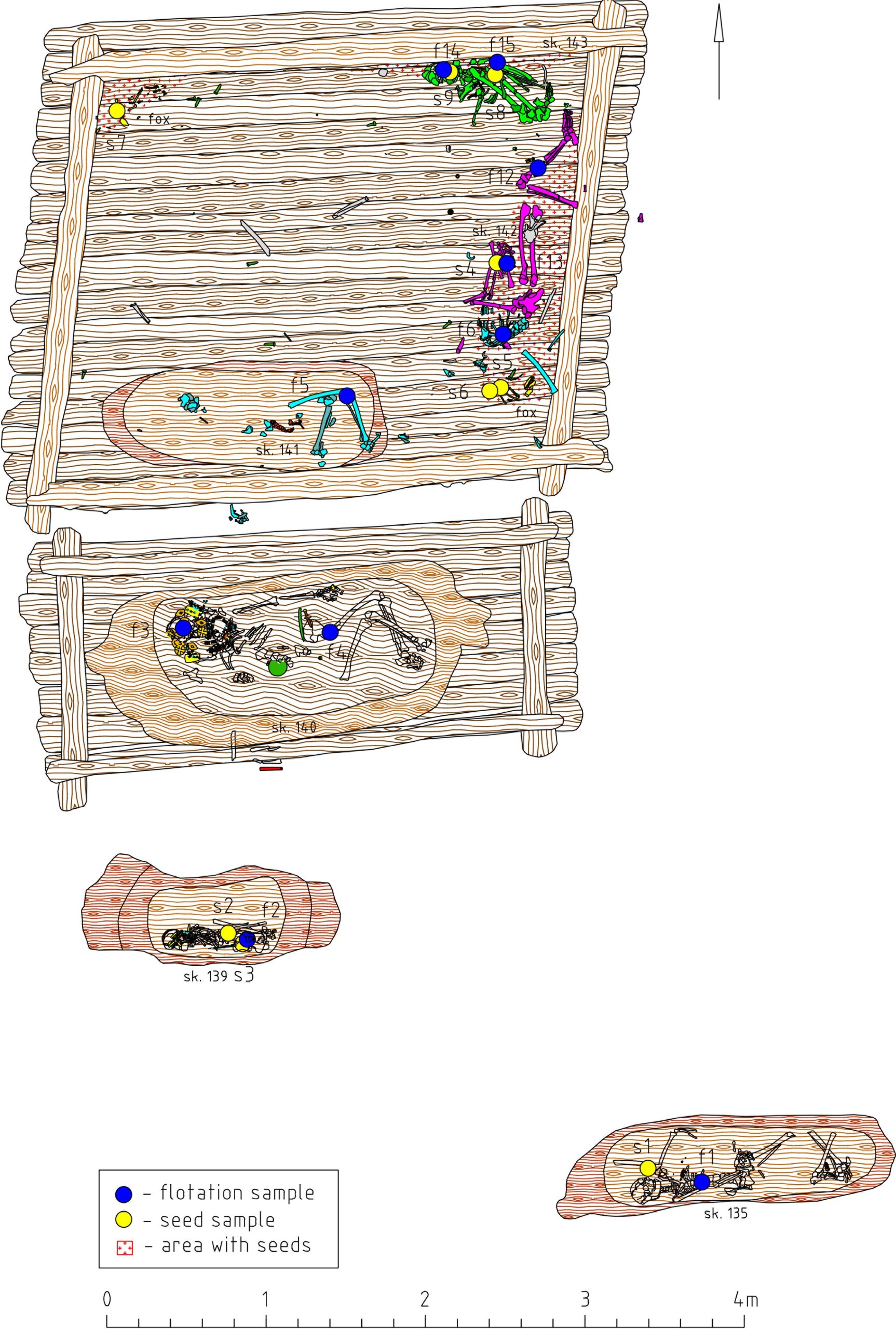
    Archaeological Site Plan of Tunnug 1 Scythian Tomb
    A site plan of the central burial area of the Tunnug 1 princely tomb. Credit: Caspari et al.

    Ancient cannabis potency remains unknown

    The recovered seeds likely came from wild plants, and the findings do not reveal how much THC those plants contained. It also remains unclear whether people specifically cultivated cannabis for its psychoactive properties or selected or cultivated plants for higher levels of active compounds.

    The team is continuing its investigation. “We have already begun sequencing some of the plant samples,” says Caspari. “DNA preservation is excellent in this case. This will help us learn more about the history of the domestication and spread of this crop soon.”

    Gino Caspari
    Researcher at the Institute of Archaeological Sciences (IAW) of the University of Bern and the Max Planck Institute of Geoanthropology in Jena, Germany. Credit: Luis Moreira

    Reference: “Direct evidence for psychoactive cannabis use 2800 years ago” by Gino Caspari, Timur Sadykov, Daria Fomicheva, Jegor Blochin, Dominic Armbruster, Oliver Happel, Natalia Ryabogina, Kseniia Boxleitner and Robert Spengler, 5 November 2026, Science.
    DOI: 10.1126/science.aeg3800

    Never miss a breakthrough: Join the SciTechDaily newsletter.
    Follow us on Google and Google News.

    Archaeobotany Archaeology Cannabis Marijuana University of Bern
    Share. Facebook Twitter Pinterest LinkedIn Email Reddit

    Related Articles

    This Ancient South American Society Used Psychedelics To Secure Their Power

    Cosmic Ray Sheds New Light on 7,000-Year-Old Ancient Greek Settlement

    Researchers Successfully Extract Ancient DNA From 2,900-Year-Old Clay Brick

    Legalization of Marijuana Linked to an Increase in Traffic Crashes and Deaths

    New Research Reveals Cannabis on Iron Age Altars at the Judahite Shrine of Biblical Arad

    The Most Potent Cannabis Flowers Revealed by Advanced Microscopy

    Exposing 8,000 Years of Civilization With Satellites

    Humans Implicated in Africa’s Deforestation 3,000 Years Ago

    Archaeologists Inch Closer to Understanding Stonehenge

    Leave A Reply Cancel Reply

    • Facebook
    • Twitter
    • Pinterest
    • YouTube

    Don't Miss a Discovery

    Subscribe for the Latest in Science & Tech!

    Trending News

    Scientists Discover a Hidden Weakness in One of the Deadliest Cancers

    Scientists Discover That Male and Female Hearts Age in Surprisingly Different Ways

    A Common Plastic Could Solve a Major Problem With Living on the Moon

    NASA Warns a Monster El Niño Could Surpass the Historic 1997 Event

    “This Should Not Happen”: Scientists Discover a Strange New Way To Control Atoms

    Massive Study of 2.8 Million People Reveals New Secrets of Alzheimer’s Disease

    An Ancient Virus May Hold the Secret to What Makes the Human Brain Different

    Scientists Discover a Strange Form of Iron on the Moon That Shouldn’t Be There

    Follow SciTechDaily
    • Facebook
    • Twitter
    • YouTube
    • Pinterest
    • Newsletter
    • RSS
    SciTech News
    • Biology News
    • Chemistry News
    • Earth News
    • Health News
    • Physics News
    • Science News
    • Space News
    • Technology News
    Recent Posts
    • Ancient Tomb Reveals That People Were Getting High on Cannabis 2,800 Years Ago
    • Scientists Warn of a Disturbing Rise in Vitamin K Deficiency Among American Newborns
    • Blood Vessel Function Improved Just 60 Minutes After Taking This Anti-Aging Supplement
    • Scientists Discover New Form of Prostate Cancer
    • Scientists Warn: The World Has Less Than Four Years of Carbon Budget Left
    Copyright © 1998 - 2026 SciTechDaily. All Rights Reserved.
    • Science News
    • About
    • Contact
    • Editorial Board
    • Privacy Policy
    • Terms of Use

    Type above and press Enter to search. Press Esc to cancel.