
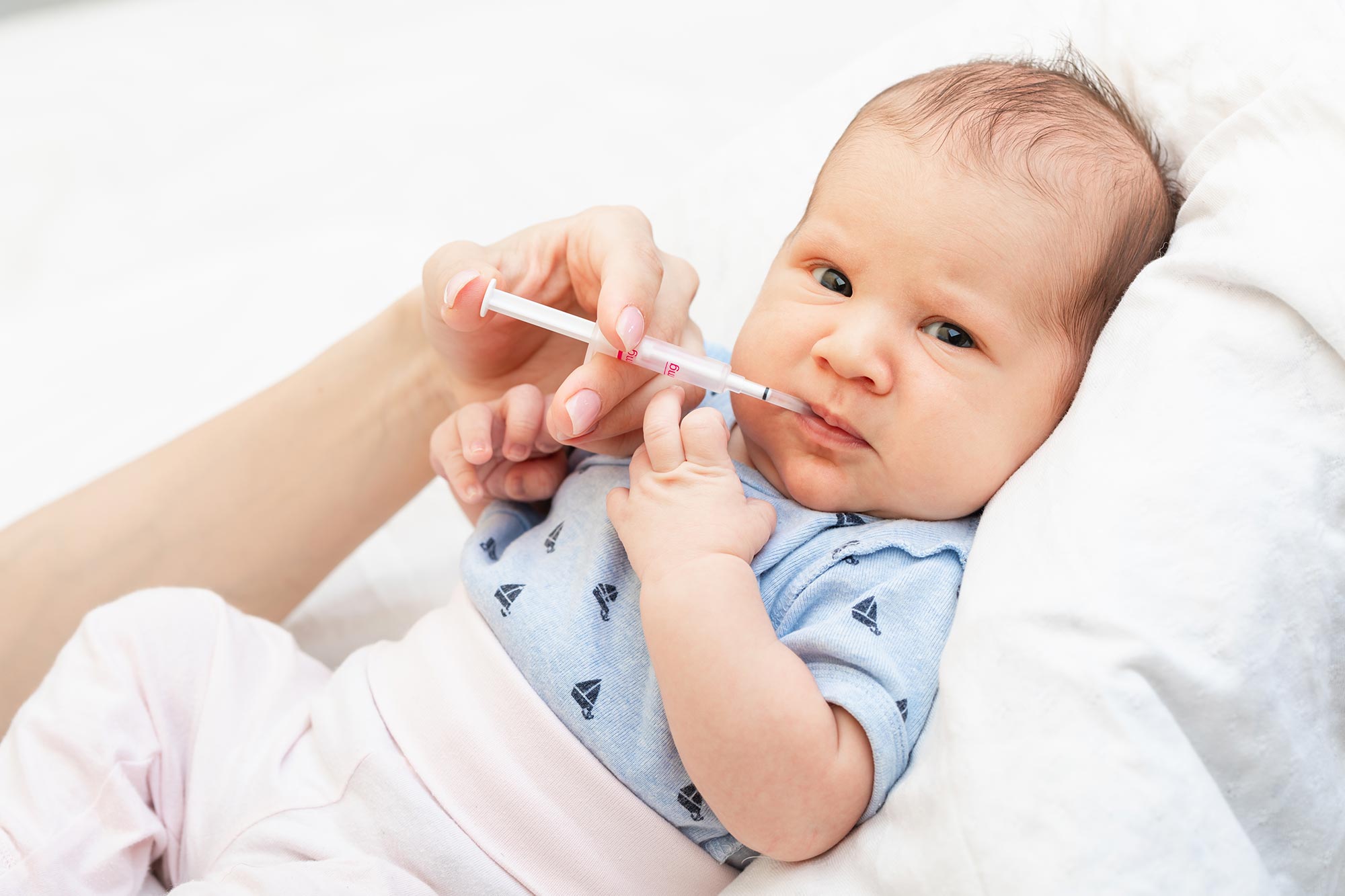
Only about one in five infants diagnosed with vitamin K-related bleeding had received the shot, U.S. health records show.
Babies are born with little vitamin K, leaving them vulnerable to bleeding that can cause permanent brain damage or death. A single shot helps protect against that danger. The American Academy of Pediatrics has recommended one dose injected into a muscle for newborns since 1961, and a growing number of American parents are choosing to skip it.
That trend has coincided with a sharp rise in diagnoses of vitamin K deficiency (VKD) and vitamin-K-deficient bleeding (VKDB). A nationwide study found that their rates increased by 216% and 347%, respectively, between 2017 and 2025, while the percentage of newborns receiving injectable vitamin K fell from 97.7% to 95.0%. The findings were published on November 5, 2026, in JAMA Pediatrics.
Bleeding risk can last for months
Vitamin K activates specialized proteins needed for normal blood clotting. Newborns receive too little through the placenta, absorb it poorly through their digestive systems, and get little from breast milk. The injection addresses a deficiency at a time when its consequences can be severe.
Classical VKD occurs between 2 days and 1 week after birth and causes bruising and bleeding from the umbilicus, or belly button. Late VKD, which occurs between 1 week and 6 months of age, carries a 30% to 60% risk of intracranial hemorrhage, or bleeding inside the skull. That bleeding can lead to seizures, permanent brain damage, or death.
Bleeding diagnoses rise as injections decline
Refusal of the shot has increased over the past decade. Previous studies found that the proportion of newborns who did not receive intramuscular vitamin K rose from 2.9% in 2017 to 5.2% in 2024.
To investigate the consequences of that trend, Elizabeth Wolf, M.D., MPH, led the new nationwide study. Wolf is a pediatrician at Children’s Hospital of Richmond at VCU and an associate professor in the Department of Pediatrics at Virginia Commonwealth University School of Medicine.
The researchers analyzed de-identified electronic health records from a large national database covering health systems across the United States. Their analysis included more than 11 million infants aged 0 to 6 months who were born at 35 weeks’ gestation or later and received care between 2017 and 2025.
Only 40% of infants diagnosed with VKD and about 19% of those diagnosed with VKDB had received vitamin K shots. About 7% of infants with VKD and 2% of those with VKDB also had a diagnosis of intracranial or intracerebral hemorrhage, meaning bleeding inside the skull or within the brain tissue itself.
“We knew from prior studies that vitamin K refusal had been increasing in the U.S., and we wanted to learn if there were any real-life consequences of this trend,” Wolf said. “We found that the answer is undeniably yes, with the rates of VKD and VKDB multiplying over the course of our study.”
The researchers caution that the simultaneous decline in injections and increase in diagnoses does not prove causation. Wolf considers other explanations unlikely, however, because behaviors and diseases that increase the risk of VKD remained constant or decreased during the study period.
The study’s co-authors included Steven Woolf, M.D., director emeritus of the VCU Center on Society and Health and a professor in VCU School of Medicine’s Department of Family Medicine, Evan French, MS, of VCU’s C. Kenneth and Dianne Wright Center for Clinical and Translational Research, and Darya Shokouhi Niaki, Pharm.D., of the VCU School of Public Health’s Department of Biostatistics.
Vitamin K shots face growing mistrust
Wolf connected the findings to growing mistrust of doctors and public health professionals.
“Similar to the recent measles outbreaks, we are seeing the real-world implications of growing mistrust of doctors and public health professionals. We need clear messaging from all levels of public health about the benefits of vitamin K administration for newborns.”
Like childhood vaccines, the researchers say, vitamin K has been “a victim of its own success,” with many parents unaware that refusing the shot can have serious lifelong consequences. Wolf says more research is needed to determine how best to communicate the seriousness of vitamin K deficiency and encourage use of the medication in newborns.
“We should continue to follow these trends moving forward since the rates of vitamin K deficiency and vitamin-K-deficient bleeding may continue to rise if vitamin K refusal keeps increasing. We need to better understand why parents are refusing vitamin K and what can be done to improve the uptake of this important medication,” Wolf said.
Reference: “Vitamin K Deficiency and Associated Bleeding in Infants” by Elizabeth R. Wolf, Evan French, Darya Shokouhi Niaki and Steven H. Woolf, 5 November 2026, JAMA Pediatrics.
DOI: 10.1001/jamapediatrics.2026.5794
Never miss a breakthrough: Join the SciTechDaily newsletter.
Follow us on Google and Google News.