
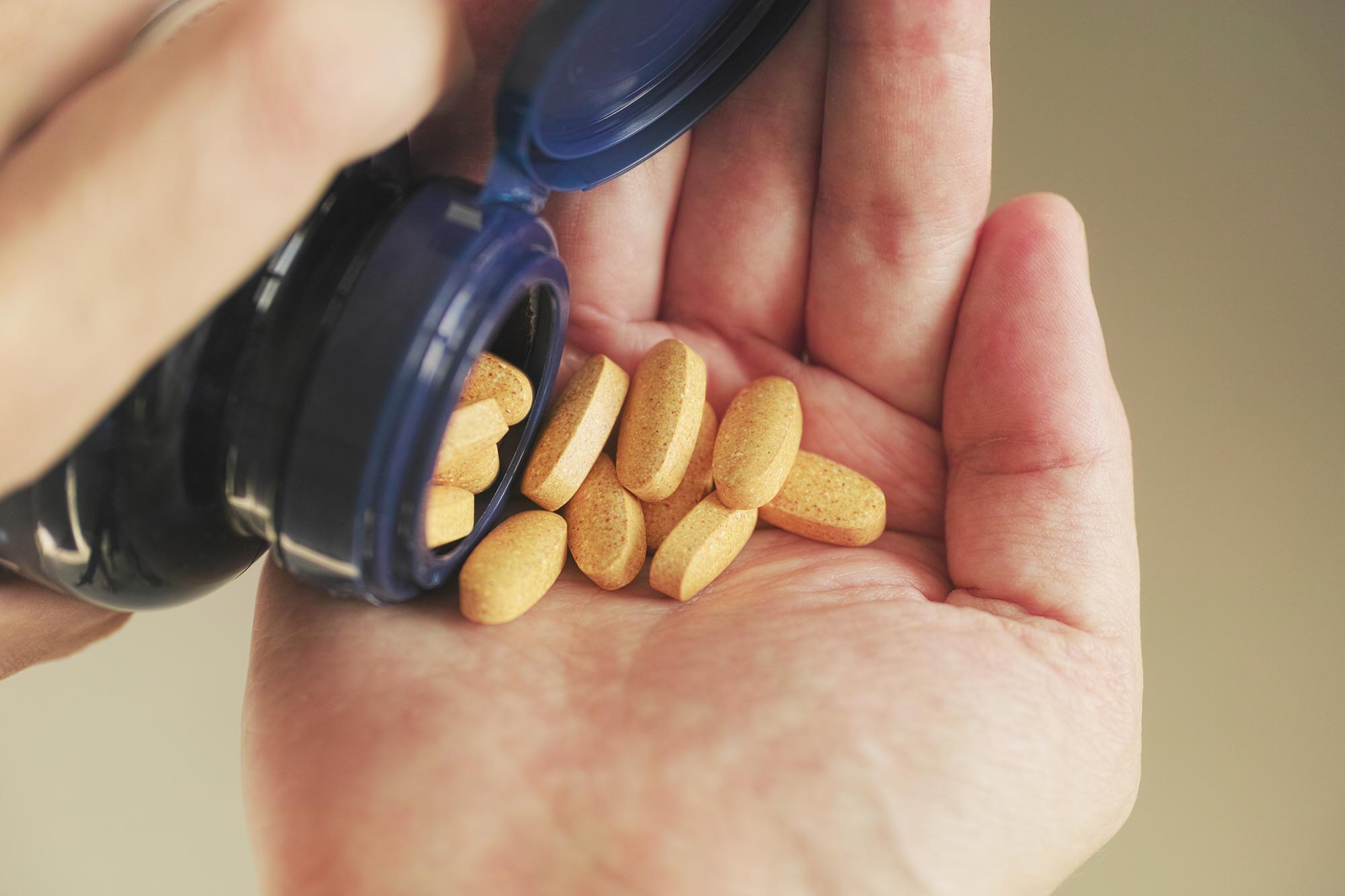
Blood vessel function improved within an hour of a supplement’s first dose in a small human trial, though lasting protection against cardiovascular disease remains unproven.
What if protecting the heart and blood vessels requires more than treating traditional risk factors such as high blood pressure and cholesterol?
Cardiovascular disease remains the world’s leading cause of death, and researchers at the University of Surrey are exploring whether targeting the biology of aging could help protect the heart and blood vessels. In a small trial, they tested a nutritional supplement designed to address several aging-related processes at once, finding improvements in blood vessel function and blood pressure over six months.
The randomized controlled trial enrolled 61 participants, with 33 taking NOVOS Core and 28 receiving a placebo once daily for six months. Researchers investigated whether combining these substances could improve cardiovascular health by influencing multiple aging-related pathways simultaneously.
The supplement combines 12 ingredients selected to target biological processes associated with aging. These include glycine, magnesium malate, calcium alpha-ketoglutarate, glucosamine sulfate, vitamin C, L-theanine, hyaluronic acid, and small amounts of lithium, along with plant-derived compounds such as fisetin, pterostilbene, Rhodiola rosea extract, and ginger extract.
Professor Christian Heiss, Professor of Cardiovascular Medicine at the University of Surrey, said: “Biological aging is not driven by one pathway, but by a number of interacting molecular and cellular processes. The idea behind this study was to ask whether addressing several of these processes at the same time via a nutritional supplement could produce measurable effects on cardiovascular health biomarkers.
“As a first step, we looked at established biomarkers of vascular health, such as blood pressure and cholesterol levels, rather than clinical outcomes. We found favorable changes in endothelial function, arterial stiffness, and systolic blood pressure after six months. These findings are encouraging. We now need larger studies to understand the mechanisms involved and, importantly, whether these changes translate into longer-term health benefits.”
Arteries widened more readily within an hour
Researchers measured flow-mediated dilation, or how readily an artery widens as blood flow increases. This reveals how well its inner lining, the endothelium, works to regulate vessel width and blood clotting. Dilation improved in the supplement group compared with the placebo group after six months. An improvement also appeared just one hour after the first dose, while placebo readings remained largely unchanged.
Arteries were also less stiff in the supplement group. Researchers assessed this using pulse wave velocity, the speed at which a pressure wave travels through arteries. Slower waves indicate more flexible arteries, and the adjusted difference between groups was 1.18 meters per second after six months.
Systolic blood pressure, the pressure when the heart contracts, was an adjusted 6.1 mmHg lower in the supplement group than in the placebo group at six months. A difference was also observed one hour after the first dose. Estimated 10-year cardiovascular risk decreased modestly, largely reflecting the blood pressure difference.
Lower blood pressure, uncertain long-term benefits
Previous large studies have associated a sustained 5 mmHg reduction in systolic blood pressure with approximately 10 percent fewer major cardiovascular events. The Surrey trial measured markers associated with risk and was not designed to determine whether participants experienced fewer such events.
Diogo Barardo, PhD, Director of R&D at NOVOS and a geroscientist, a scientist specializing in the biology of aging, said:
“When we began developing NOVOS Core in 2019, our hypothesis was that simultaneously targeting all the hallmarks of aging, the fundamental biological processes underlying aging and age-related diseases, could produce measurable improvements in the organs and systems affected by aging.
“The STAMINA results provide encouraging clinical evidence consistent with that hypothesis, demonstrating improvements across three measures of cardiovascular function, particularly meaningful given that cardiovascular disease remains the leading cause of death worldwide.”
Blood tests showed no significant changes in cholesterol or other blood lipids, suggesting that lipid lowering did not explain the improvements in blood vessel measures.
Professor Juliet Wright, Founding Dean of the School of Medicine at the University of Surrey, said:
“This study is a good example of how ideas emerging from the biology of aging can be tested rigorously in people. The findings provide an interesting proof of concept, but the important next step is to understand the underlying biology and establish whether changes in cardiovascular biomarkers translate into meaningful longer-term health benefits.”
Reference: “Acute and 6-month vascular effects of a multi-component nutritional supplement: a randomized controlled trial” by Charles Piercy, Jenny Harris, Kenza Sackho, Paola Campagnolo, Diogo Barardo, Ben Creagh-Brown and Christian Heiss, 4 November 2026, European Heart Journal Open.
DOI: 10.1093/ehjopen/oeag157
The investigator-initiated study was supported by NOVOS Labs through provision of the study supplement known as NOVOS Core and matching control and an unrestricted contribution towards research costs. NOVOS Labs had no role in study design, collection, or primary interpretation of the data, or the decision to publish.
Never miss a breakthrough: Join the SciTechDaily newsletter.
Follow us on Google and Google News.