

Ancient Chavín elites used hallucinogens in private rituals to strengthen their authority and shape early social hierarchies.
Two thousand years before the Inca empire rose to power in the Andes, a lesser-known society called the Chavín Phenomenon unified regions of modern-day Peru through shared art, architecture, and materials. With advances in agriculture, skilled craftsmanship, and trade, Chavín helped establish a growing social order and laid the groundwork for a hierarchical society in the highlands.
However, one of their most powerful tools was not agriculture. It was access to altered states of consciousness.
Snuff tubes offer earliest direct evidence of psychoactives
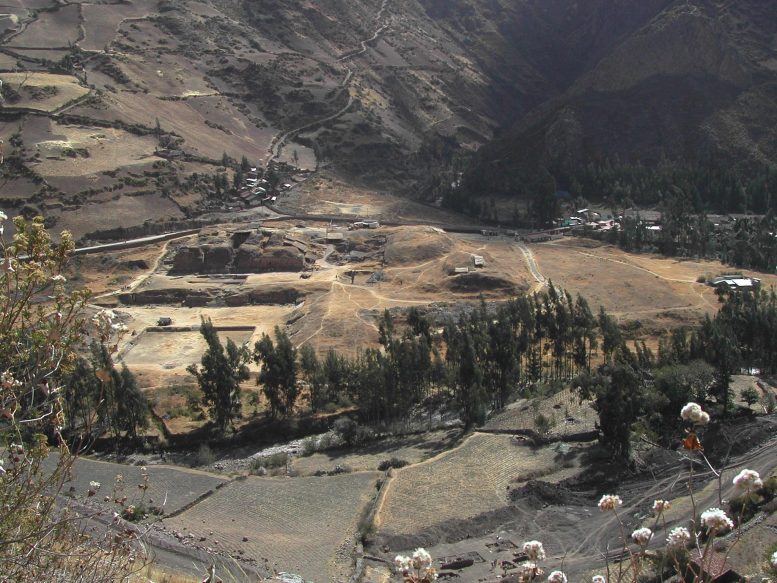
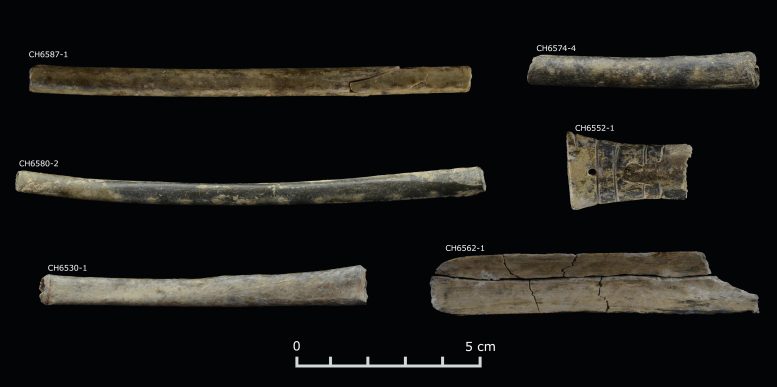
According to a new study, researchers have found the earliest direct evidence of psychoactive plant use in the Peruvian Andes. A team of archaeologists from the University of Florida, Stanford University, and several South American institutions uncovered ancient snuff tubes carved from hollow bones within the monumental stone structures of Chavín de Huántar, a prehistoric ceremonial center in the Andes.
Chemical and microscopic analyses of the tubes revealed traces of nicotine from wild tobacco relatives and residue from vilca beans, a hallucinogen related to DMT. The findings suggest that these substances were used by leaders not merely for personal spiritual experiences, but to reinforce their social and political power.
Elite-only rituals linked to hallucinogen use
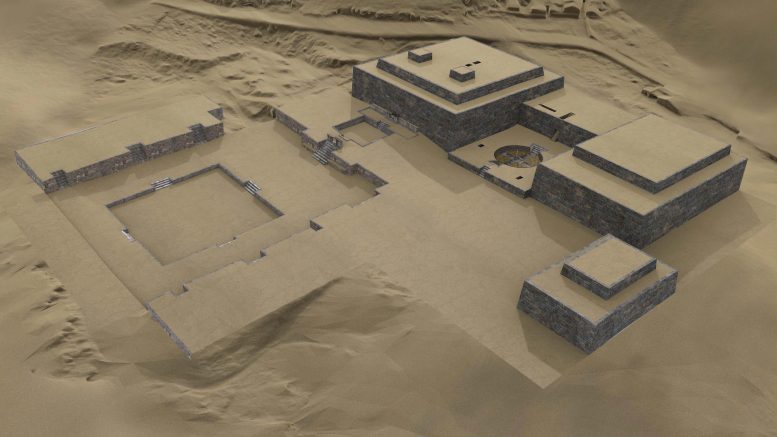
Unlike communal hallucinogenic use common in other ancient cultures, Chavín’s rituals were exclusive. Archaeologists discovered the snuff tubes in private chambers within massive stone structures that held only a handful of participants at a time, creating an air of mystique and control.
“Taking psychoactives was not just about seeing visions. It was part of a tightly controlled ritual, likely reserved for a select few, reinforcing the social hierarchy,” said Daniel Contreras, Ph.D., an anthropological archaeologist at UF and co-author of the new study that revealed these rituals at Chavín.
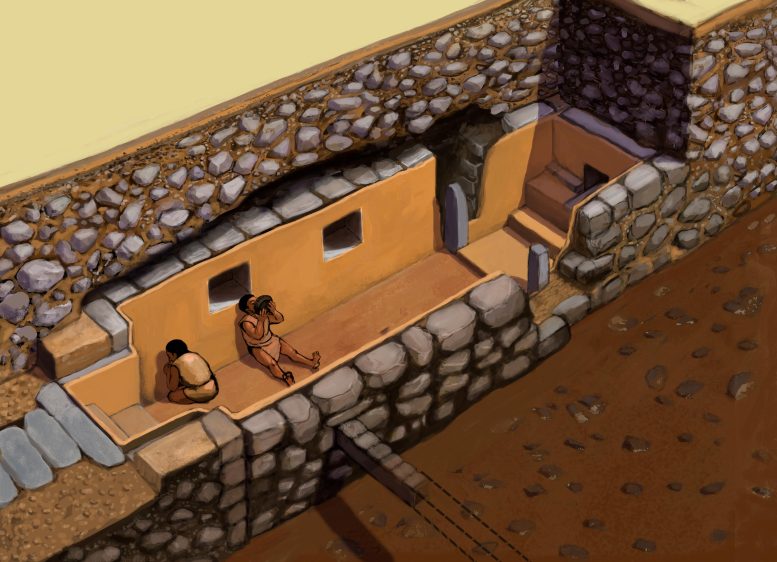
These experiences were likely profound, even terrifying. To those who inhaled, the supernatural might have felt like a force beyond comprehension. And that was precisely the point. By controlling access to these altered states, Chavín’s rulers established a potent ideology and convinced their people that their leadership was intertwined with mystical power and part of the natural order.
“The supernatural world isn’t necessarily friendly, but it’s powerful,” Contreras said. “These rituals, often enhanced by psychoactives, were compelling, transformative experiences that reinforced belief systems and social structures.”
Ceremonies shaped early class structures
Contreras has spent nearly thirty years studying the site as part of a team led by John Rick, Ph.D, professor emeritus at Stanford University. The team argues that these ceremonies were pivotal in shaping early class structures. Unlike forced labor societies, Chavín’s builders likely believed in the grandeur of the monuments they were constructing, persuaded by these immersive rituals.
Those rituals extended beyond the use of psychedelics. Archaeologists have also uncovered trumpets made from conch shells and chambers seemingly designed to enhance the awe-inducing musical performances.
“One of the ways that inequality was justified or naturalized was through ideology — through the creation of impressive ceremonial experiences that made people believe this whole project was a good idea,” Contreras said.
Their study was published in the Proceedings of the National Academy of Sciences.
New techniques illuminate ancient inequality
The findings help solve a century-old mystery about this site, located at an elevation of 10,000 feet. Since its first excavation over a hundred years ago, Chavín has been seen as related to both earlier, more egalitarian societies and the mountain-spanning empires ruled by powerful elites that came later.
Controlled access to mystical experiences helps explain this major social transition, a finding only made possible by decades of intense excavations and advanced analytical methods.
“It’s exciting that ongoing excavations can be combined with cutting-edge archaeological science techniques to get us closer to understanding what it was like to live at this site,” Contreras said.
Reference: “Pre-Hispanic ritual use of psychoactive plants at Chavín de Huántar, Peru” by John W. Rick, Verónica S. Lema, Javier Echeverría, Giuseppe Alva Valverde, Daniel A. Contreras, Oscar Arias Espinoza, Silvana A. Rosenfeld and Matthew P. Sayre, 5 May 2025, Proceedings of the National Academy of Sciences.
DOI: 10.1073/pnas.2425125122
Never miss a breakthrough: Join the SciTechDaily newsletter.
Follow us on Google and Google News.
2 Comments
Keep ’em drugged up… big pharma knows the drill.
not new, this has been known for over 40yrs.
my proven model is way better than this bs