
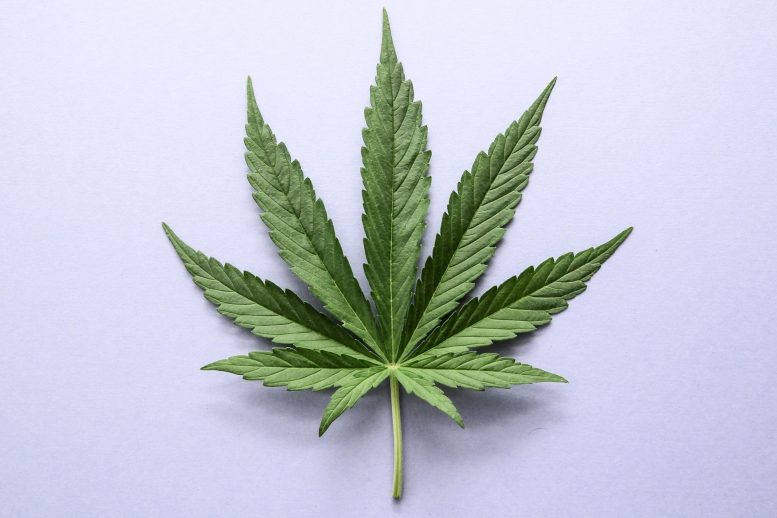
A newly published research study shows the benefits of smoking cannabis for spasticity in multiple sclerosis. Using 30 adult patients with multiple sclerosis, the researchers found that smoked cannabis was superior to a placebo in reducing symptoms and pain in patients with treatment-resistant spasticity, or excessive muscle contractions.
A clinical study of 30 adult patients with multiple sclerosis (MS) at the University of California, San Diego School of Medicine has shown that smoked cannabis may be an effective treatment for spasticity – a common and disabling symptom of this neurological disease.
The placebo-controlled trial also resulted in reduced perception of pain, although participants also reported short-term, adverse cognitive effects and increased fatigue. The study was published in the Canadian Medical Association Journal on May 14.
Principal investigator Jody Corey-Bloom, MD, PhD, professor of neurosciences and director of the Multiple Sclerosis Center at UC San Diego, and colleagues randomly assigned participants to either the intervention group (which smoked cannabis once daily for three days) or the control group (which smoked identical placebo cigarettes, also once a day for three days). After an 11-day interval, the participants crossed over to the other group.
“We found that smoked cannabis was superior to placebo in reducing symptoms and pain in patients with treatment-resistant spasticity, or excessive muscle contractions,” said Corey-Bloom.
Earlier reports suggested that the active compounds of medical marijuana were potentially effective in treating neurologic conditions, but most studies focused on orally administered cannabinoids. There were also anecdotal reports of MS patients that endorsed smoking marijuana to relieve symptoms of spasticity.
However, this trial used a more objective measurement, a modified Ashworth scale which graded the intensity of muscle tone by measuring such things as resistance in range of motion and rigidity. The secondary outcome, pain, was measured using a visual analogue scale. The researchers also looked at physical performance (using a timed walk) and cognitive function and – at the end of each visit – asked patients to assess their feeling of “highness.”
Although generally well tolerated, smoking cannabis did have mild effects on attention and concentration. The researchers noted that larger, long-terms studies are needed to confirm their findings and determine whether lower doses can result in beneficial effects with less cognitive impact.
The current study is the fifth clinical test of the possible efficacy of cannabis for clinical use reported by the University of California Center for Medicinal Cannabis Research (CMCR). Four other human studies on control of neuropathic pain also reported positive results.
“The study by Corey Bloom and her colleagues adds to a growing body of evidence that cannabis has therapeutic value for selected indications, and may be an adjunct or alternative for patients whose spasticity or pain is not optimally managed,” said Igor Grant, MD, director of the CMCR, which provided funding for the study.
Reference: “Smoked cannabis for spasticity in multiple sclerosis: a randomized, placebo-controlled trial” by Jody Corey-Bloom, Tanya Wolfson, Anthony Gamst, Shelia Jin, Thomas D. Marcotte, Heather Bentley and Ben Gouaux, 10 July 2012, Canadian Medical Association Journal.
DOI: 10.1503/cmaj.110837
Additional contributors include Tanya Wolfson, Anthony Gamst, PhD, Shelia Jin, MD, MPH, Thomas D. Marcotte, PhD, Heather Bentley and Ben Gouaux, all from UC San Diego School of Medicine.
Never miss a breakthrough: Join the SciTechDaily newsletter.
Follow us on Google and Google News.