
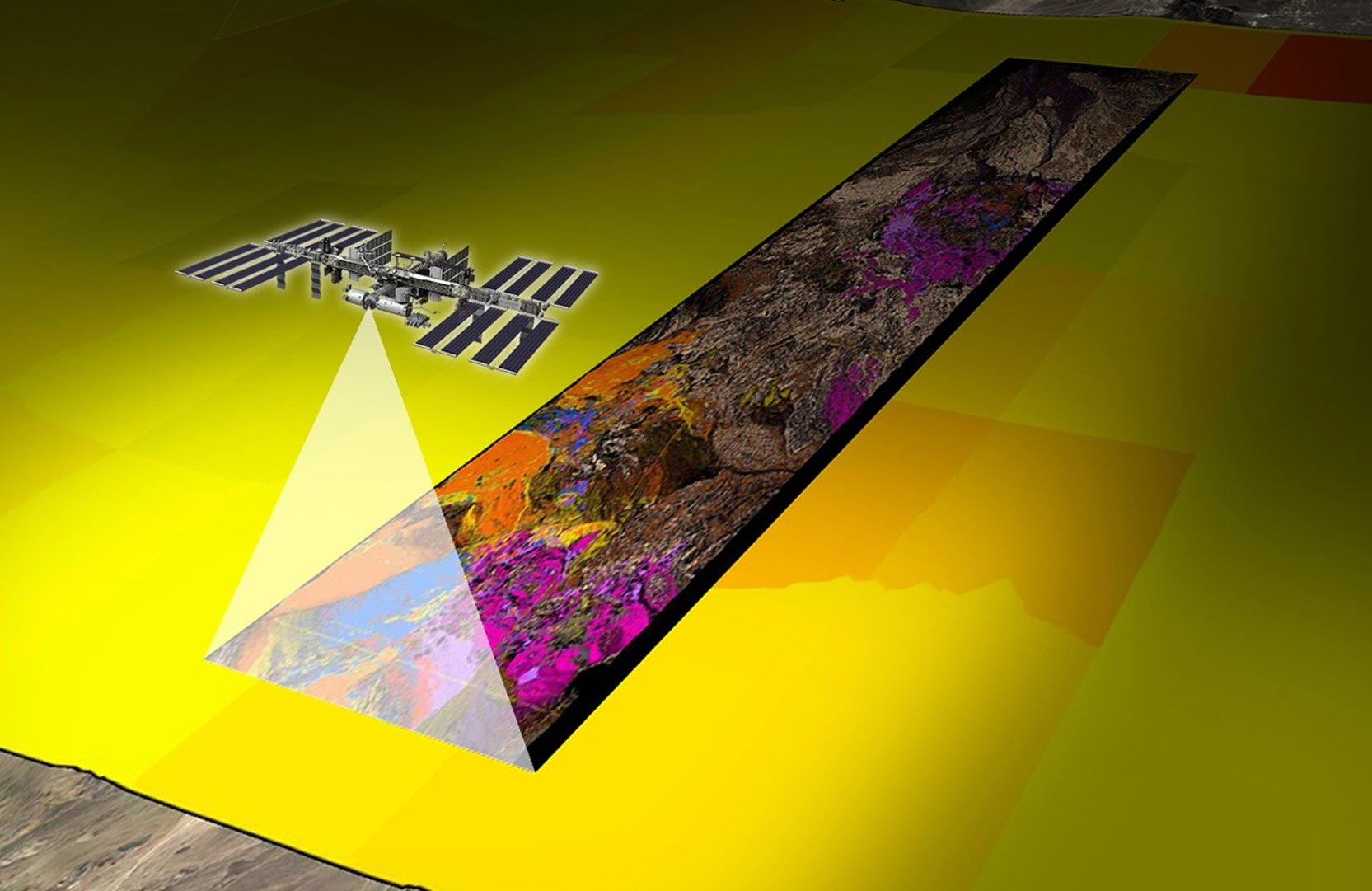
Launched in July 2022, NASA’s EMIT mission aboard the International Space Station has evolved from mapping minerals in deserts to a broader role in climate science, agriculture, and hydrology.
It now helps pinpoint greenhouse gas emissions, measure snowpack melting rates, and assess the climate impact of dust, supporting numerous new research projects across various scientific domains.
Observing our planet from the International Space Station since July 2022, NASA’s EMIT (Earth Surface Mineral Dust Source Investigation) mission is beginning its next act.
At first, the imaging spectrometer was solely aimed at mapping minerals over Earth’s desert regions to help determine the cooling and heating effects that dust can have on regional and global climate. The instrument soon added another skill: pinpointing greenhouse gas emission sources, including landfills and fossil fuel infrastructure.
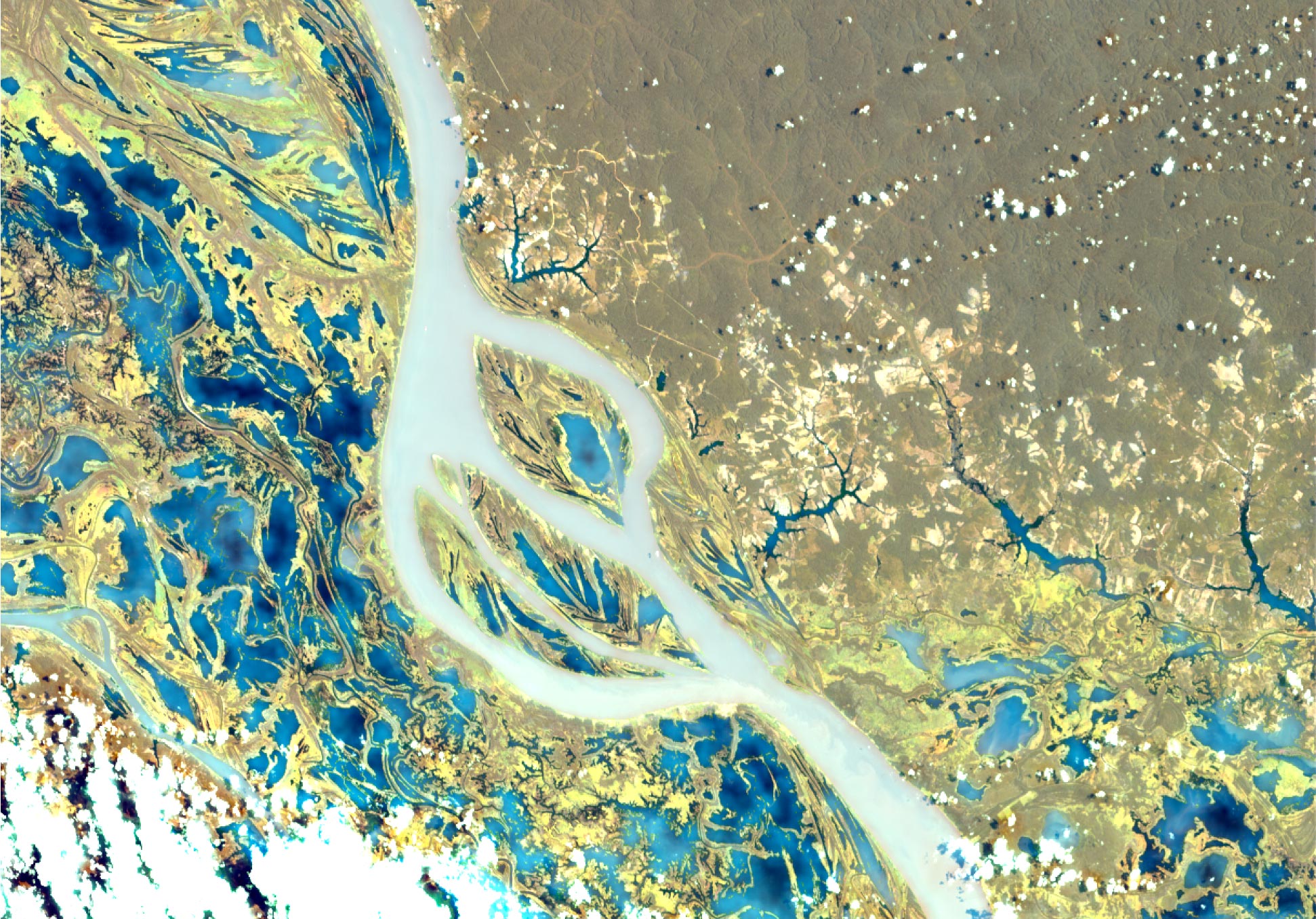
Credit: NASA/JPL-Caltech
Mission Expansion and New Applications
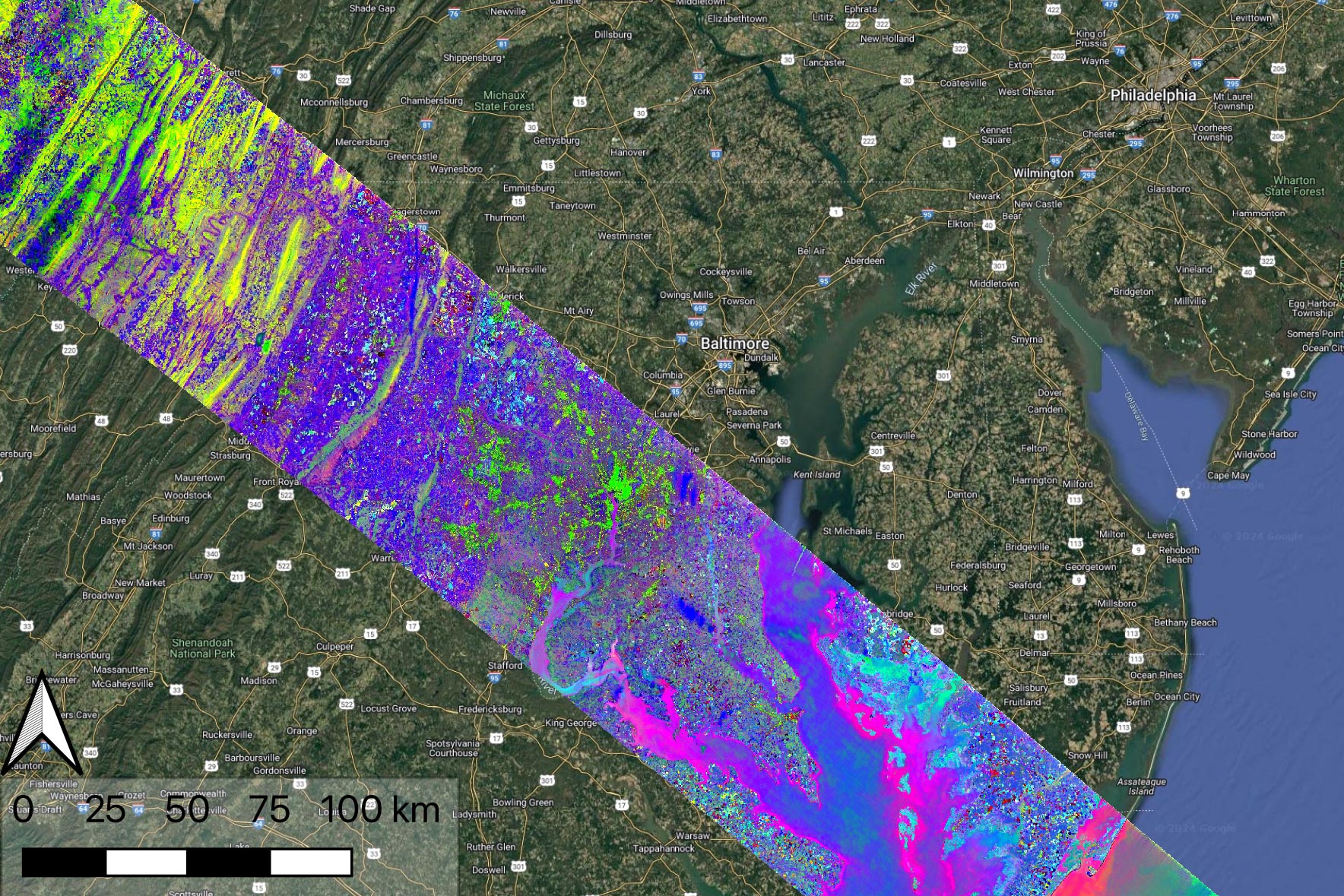
Following a mission extension this year, EMIT is now collecting data from regions beyond deserts, addressing topics as varied as agriculture, hydrology, and climate science.
Imaging spectrometers like EMIT detect the light reflected from Earth, and they separate visible and infrared light into hundreds of wavelength bands — colors, essentially. Scientists use patterns of reflection and absorption at different wavelengths to determine the composition of what the instrument is observing. The approach echoes Isaac Newton’s prism experiments in 1672, in which the physicist discovered that visible light is composed of a rainbow of colors.
“Breakthroughs in optics, physics, and chemistry led to where we are today with this incredible instrument, providing data to help address pressing questions on our planet,” said Dana Chadwick, EMIT’s applications lead at NASA’s Jet Propulsion Laboratory in Southern California.
New Research Projects Utilizing EMIT
In its extended mission, EMIT’s data will be the focus of 16 new projects under NASA’s Research Opportunities in Space and Earth Science (ROSES) program, which funds science investigations at universities, research institutions, and NASA.
For example, the U.S. Geological Survey (USGS) and the U.S. Department of Agriculture’s (USDA) Agricultural Research Service are exploring how EMIT can assess climate-smart agricultural practices. Those practices — winter cover crops and conservation tillage — involve protecting cropland during non-growing seasons with either living plants or dead plant matter to prevent erosion and manage nitrogen.
Agriculture and Environmental Management
Imaging spectrometers are capable of gathering data on the distribution and characteristics of plants and plant matter, based on the patterns of light they reflect. The information can help agricultural agencies incentivize farmers to use sustainable practices and potentially help farmers manage their fields.
“We’re adding more accuracy and reducing error on the measurements we are supplying to end users,” said Jyoti Jennewein, an Agricultural Research Service research physical scientist based in Fort Collins, Colorado, and a project co-lead.
The USGS-USDA project is also informing analytical approaches for NASA’s future Surface Biology and Geology-Visible Shortwave Infrared mission. The satellite will cover Earth’s land and coasts more frequently than EMIT, with finer spatial resolution.
Enhancing Snow Melt Estimates
Another new project will test whether EMIT data can help refine estimates of snowpack melting rates. Such an improvement could inform water management in states like California, where meltwater makes up the majority of the agricultural water supply.
Imaging spectrometers like EMIT measure the albedo of snow — the percentage of solar radiation it’s reflecting. What isn’t reflected is absorbed, so the observations indicate how much energy snow is taking in, which in turn helps with estimates of snow melt rates. The instruments also discern what’s affecting albedo: snow-grain size, dust or soot contamination, or both.
For this work, EMIT’s ability to measure beyond visible light is key. Ice is “pretty absorptive at near-infrared and the shortwave infrared wavelengths,” said Jeff Dozier, a University of California, Santa Barbara professor emeritus and the project’s principal investigator.
Other ROSES-funded projects focus on wildflower blooming, phytoplankton, and carbon dynamics in inland waters, ecosystem biodiversity, and functional traits of forests.
Climate Effects of Dust
Researchers with EMIT will continue to study the climate effects of dust. When lofted into the air by windstorms, darker, iron-filled dust absorbs the Sun’s heat and warms the surrounding air, while lighter-colored, clay-rich particles do the opposite. Scientists have been uncertain whether airborne dust has overall cooling or warming effects on the planet. Before EMIT, they could only assume the color of particles in a region.
The EMIT mission is “giving us lab-quality results, everywhere we need to know,” said Natalie Mahowald, the mission’s deputy principal investigator and an Earth system scientist at Cornell University in Ithaca, New York. Feeding the data into Earth system computer models, Mahowald expects to get closer to pinpointing dust’s climate impact as Earth warms.
Greenhouse Gas Detection
The mission will continue to identify point-source emissions of methane and carbon dioxide, the greenhouse gases most responsible for climate change, and observations are available through EMIT’s data portal and the U.S. Greenhouse Gas Center.
The EMIT team is also refining the software that identifies and measures greenhouse-gas plumes in the data, and they’re working to streamline the process with machine-learning automation. Aligning with NASA’s open science initiative, they are sharing code with public, private, and nonprofit organizations doing similar work.
“Making this work publicly accessible has fundamentally pushed the science of measuring point-source emissions forward and expanded the use of EMIT data,” said Andrew Thorpe, the JPL research technologist heading the EMIT greenhouse gas effort.
More About EMIT
The EMIT instrument was developed by NASA’s Jet Propulsion Laboratory (JPL), which is managed for the agency by Caltech in Pasadena, California. Launched to the International Space Station in July 2022, EMIT is on an extended three-year mission in which it’s supporting a range of research projects. EMIT’s data products are available at the NASA Land Processes Distributed Active Archive Center for use by other researchers and the public.
Never miss a breakthrough: Join the SciTechDaily newsletter.
Follow us on Google and Google News.
1 Comment
“When lofted into the air by windstorms, darker, iron-filled dust absorbs the Sun’s heat and warms the surrounding air, while lighter-colored, clay-rich particles do the opposite.”
Actually, what is key is the ‘complex refractive index’ (as in sq rt -1). Do they have a database of the complex refractive indices of the minerals they are tracking? Does that database include how the reflectivity varies with particle size? At what point (net zero) do monomineralic mineral dusts provide more warming than cooling?
Lastly, where are the numbers? The language of science is mathematics.