
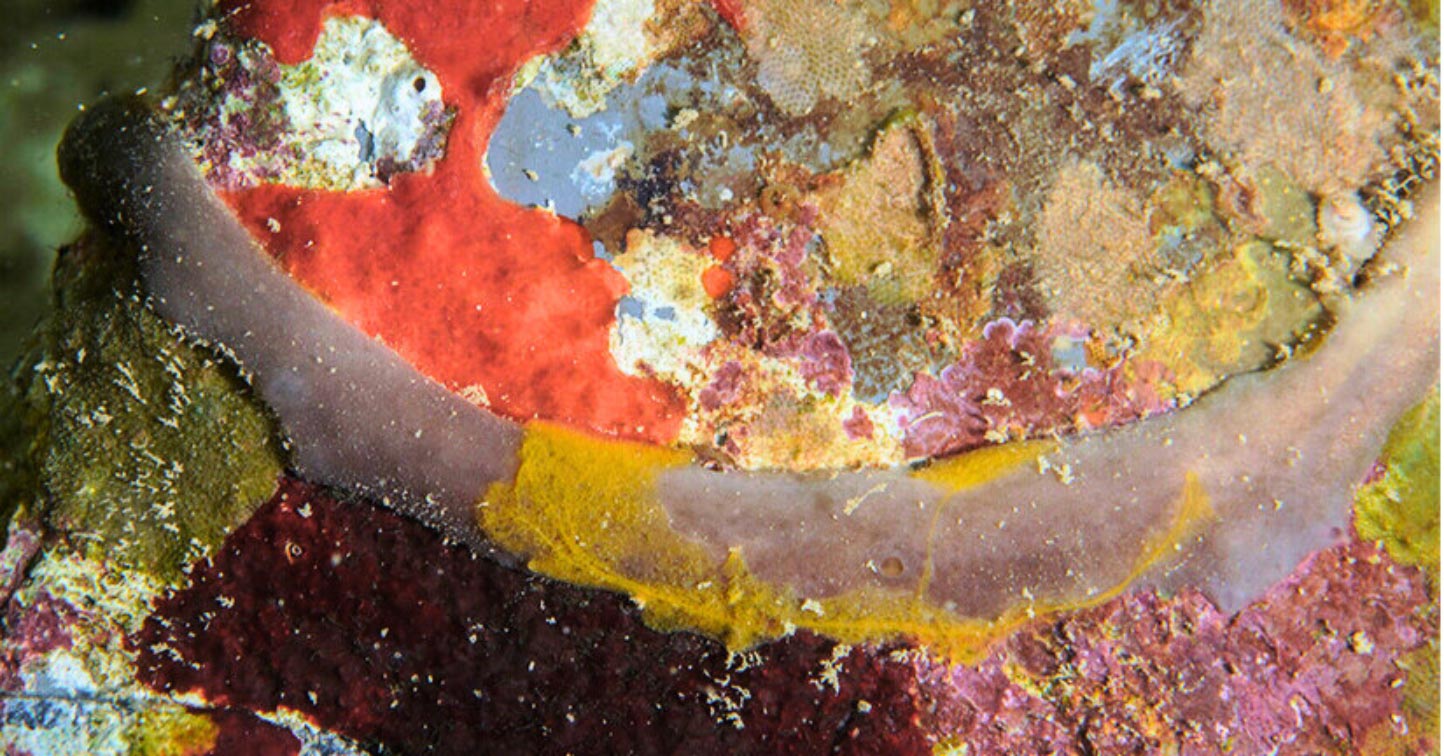
Hawai’i researchers have identified ten new sponge species in Kāneʻohe Bay, emphasizing their ecological importance in coral reef ecosystems. Their findings reveal hidden biodiversity and highlight the need for further study.
Researchers at the Hawai‘i Institute of Marine Biology’s (HIMB) Toonen-Bowen (ToBo) Lab have identified and described 10 new species of marine sponge using a technique that examines both genetic and structural characteristics. Their findings, published in PeerJ and Zootaxa, highlight the remarkable diversity of these ancient organisms, which play a vital role in sustaining coral reef ecosystems but remain largely understudied.
The study was conducted in Kāne‘ohe Bay, home to numerous small, isolated patch reefs rich in undescribed sponge species. The area also hosts several non-native sponges introduced from the Caribbean and Western Indo-Pacific. These discoveries enhance our understanding of sponge biodiversity within the Hawaiian archipelago and the broader Oceania region.
“We used autonomous reef monitoring structures (ARMS) to collect sponges from within the reef,” explains Rachel Nunley, a Scientists in Parks (SIP) Intern at Kaloko-Honokōhau National Historical Park and lead author of the PeerJ study in which 6 new sponge species were identified. “These structures mimic the reefʻs cryptic environment, allowing us to observe and document the species without causing harm to the surrounding reef. After sponge collection, we used DNA to narrow down what species we were looking at. Then we dug into the literature to see if these sponges existed anywhere else in the world. I created a database and compared characteristics to find the closest relatives. Through this integrative taxonomic approach, we found that these species found in Kāneʻohe Bay were new to science and have not been documented anywhere else in the world.”
Challenges of Studying Sponges
Sponges are notoriously difficult to study, for a variety of reasons.
“Sponges are found within the ‘nooks and crannies’ of the reef, making them difficult to collect without destroying the reef,” shares Jan Vicente, a ToBo Lab post-doctoral researcher and lead author on the Zootaxia article, in which four new sponge species were detected. “Sponges are also very small and fragile, with very limited morphological characters which make identification difficult with the unaided eye. The sponge community within these cryptic spaces is also highly dynamic, because sponges have a lifespan of only two months! One month they are present, and they can be gone the next. These are all reasons why we have yet to fully understand the complex diversity of sponges and other metazoans deep within the reef matrix.”

“Taxonomy is tedious!” adds Nunley. “It involves every tiny detail. Missing a detail can change your species entirely. But the challenges make it that much more rewarding, and taxonomy is so much more than just describing species. It involves creating detailed visual representations of species, engaging with and collaborating with local communities, and contributing valuable information to the scientific community.”
The grueling work more than paid off, and detecting so many previously unknown species in the patch reefs that surround their island-based laboratory surprised the research team.
“Previous assessments of sponge diversity in Kāneʻohe Bay have totaled only around 30 sponge species in the bay,” notes Vicente. “But these earlier studies did not target the nooks and crannies of the reef. The coral reef of Moku o Loʻe surprises us daily with how little we know about its biodiversity. After decades of research on this patch reef, we have yet to reach a full understanding of its sponge biodiversity.”
Why Sponges Matter in Coral Reef Ecosystems
As the ocean changes and coral reefs face unprecedented threats, it is critical to understand coral reef ecosystem dynamics. Sponges play a central role in regulating and sustaining these systems.
“Sponges are widely underappreciated, even though they play an essential role in cycling nutrients that help maintain coral reef biodiversity in remote island archipelagos where nutrients in coral reefs are scarce,” emphasizes Vicente. “Discovering such a remarkable diversity of these ecologically important species sheds light on their role in nutrient cycling.”
When tasked with naming the new sponge species, the research team selected names that honor either the mo’olelo of Moku o Loʻe or the ʻŌlelo Hawaiʻi to depict diagnostic characters for each of the species.
“Many of the species we found are new to science,” explains Principal Investigator of the ToBo lab and co-author on both studies, Robert Toonen. “They were found in Kāneʻohe Bay off the island of Moku o Loʻe, and their names come from Native Hawaiian stories. “Lo‘e,” for example, “was the sister of three brothers who kept honesty within the family.”
Toonen adds that these findings are likely the first of many to come. The research team has sampled over 1000 specimens from the coral reef cryptic fauna using ARMS in Kāneʻohe Bay, and they have also recovered ARMS from five different ecoregions across the Pacific. In time, they hope to understand the complete diversity of Oceania. They want to determine which species are endemic, native, and which have been introduced to the Hawaiian Archipelago, and they want to learn how the species are connected biogeographically.
References: “Potential transoceanic dispersal of Geodia cf. papyracea and six new tetractinellid sponge species descriptions within the Hawaiian reef cryptofauna” by Rachel M. Nunley, Emily C. Rutkowski, Robert J. Toonen and Jan Vicente, 17 February 2025, PeerJ.
DOI: 10.7717/peerj.18903
Reference: “Integrative taxonomy of introduced Haplosclerida and four new species from Hawaiʻi” by Jan Vicente, Emily Rutkowski, Dennis V. Lavrov, Gabrielle Martineau, Molly Timmers and Robert J. Toonen, 1 January 2025, Zootaxa.
DOI: 10.11646/zootaxa.5566.2.2
The study was funded by the U.S. National Science Foundation and NOAA Research.
Never miss a breakthrough: Join the SciTechDaily newsletter.
Follow us on Google and Google News.