
Close Menu
    Facebook X (Twitter) Instagram
    SciTechDaily
    • Biology
    • Chemistry
    • Earth
    • Health
    • Physics
    • Science
    • Space
    • Technology
    Facebook X (Twitter) Pinterest YouTube RSS
    SciTechDaily
    Home»Technology»Discovery Could Lead to Self-Propelled Robots – Using Only Energy Flow From Their Environment
    Technology

    Discovery Could Lead to Self-Propelled Robots – Using Only Energy Flow From Their Environment

    By U.S. Army Research LaboratoryFebruary 1, 2021No Comments4 Mins Read
    Facebook Twitter Pinterest Telegram LinkedIn WhatsApp Email Reddit
    Share
    Facebook Twitter LinkedIn Pinterest Telegram Email Reddit
    Materials Capable of Self Propulsion
    Army-funded researchers discover how to make materials capable of self-propulsion, allowing materials to move without motors or hands. Credit: Yongjin Kim, UMass Amherst

    Army-funded researchers discovered how to make materials capable of self-propulsion, allowing materials to move without motors or hands.

    Researchers at the University of Massachusetts Amherst discovered how to make materials that snap and reset themselves, only relying upon energy flow from their environment. This research, published in Nature Materials and funded by the U.S. Army, could enable future military robots to move from their own energy.

    “This work is part of a larger multi-disciplinary effort that seeks to understand biological and engineered impulsive systems that will lay the foundations for scalable methods for generating forces for mechanical action and energy storing structures and materials,” said Dr. Ralph Anthenien, branch chief, Army Research Office, an element of the U.S. Army Combat Capabilities Development Command, now known as DEVCOM, Army Research Laboratory. “The work will have myriad possible future applications in actuation and motive systems for the Army and DOD.”

    Researchers uncovered the physics during a mundane experiment that involved watching a gel strip dry. The researchers observed that when the long, elastic gel strip lost internal liquid due to evaporation, the strip moved. Most movements were slow, but every so often, they sped up.

    Materials That Snap and Reset Themselves
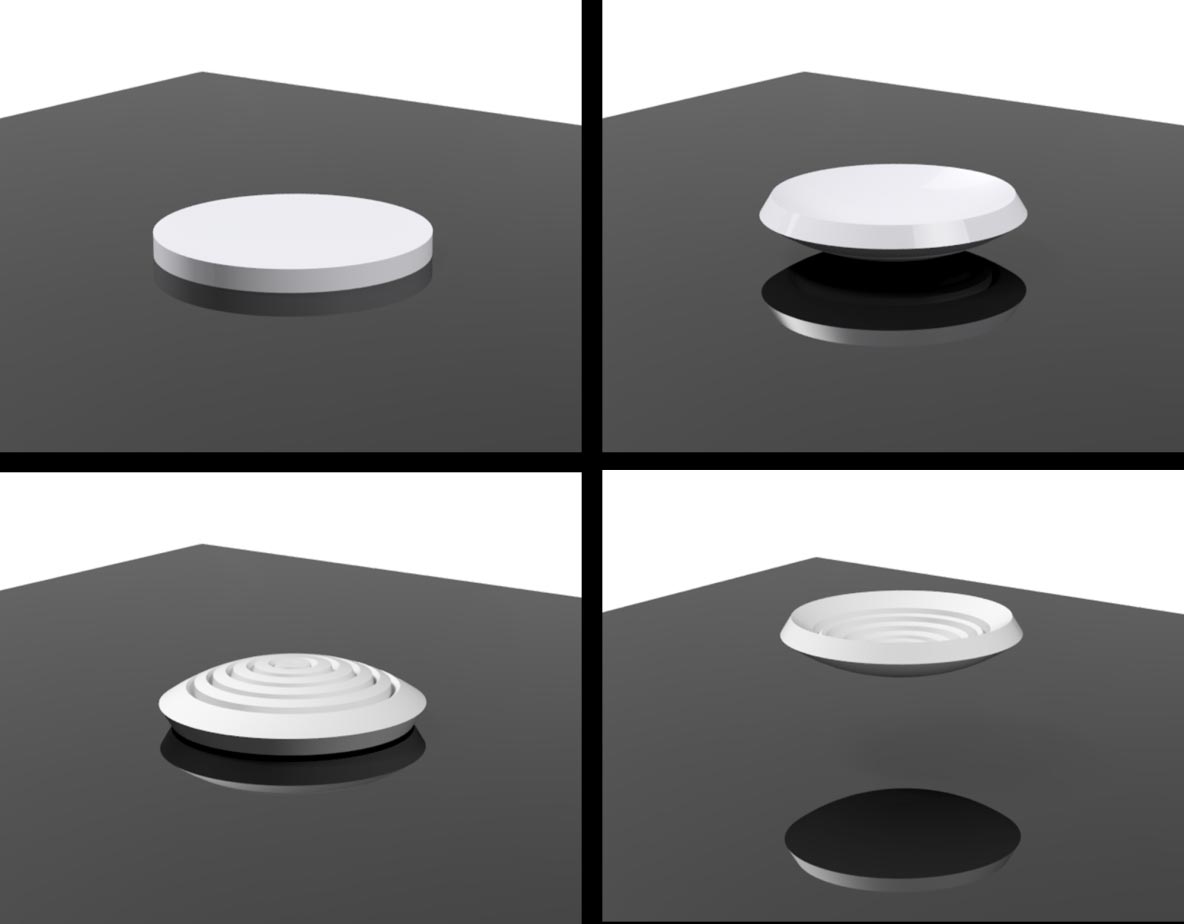
    Scientists discover how to make materials that snap and reset themselves, only relying upon energy flow from their environment. This research could enable future military robots that are able to move off their own energy. Credit: Yongjin Kim, UMass Amherst

    These faster movements were snap instabilities that continued to occur as the liquid evaporated further. Additional studies revealed that the shape of the material mattered, and that the strips could reset themselves to continue their movements.

    Biomimicry Inspired by Nature

    “Many plants and animals, especially small ones, use special parts that act like springs and latches to help them move really fast, much faster than animals with muscles alone,” said Dr. Al Crosby, a professor of polymer science and engineering in the College of Natural Sciences, UMass Amherst. “Plants like the Venus flytraps are good examples of this kind of movement, as are grasshoppers and trap-jaw ants in the animal world.”

    Snap instabilities are one way that nature combines a spring and a latch and are increasingly used to create fast movements in small robots and other devices as well as toys like rubber poppers.

    “However, most of these snapping devices need a motor or a human hand to keep moving,” Crosby said. “With this discovery, there could be various applications that won’t require batteries or motors to fuel movement.”
    Self Propelled Robots
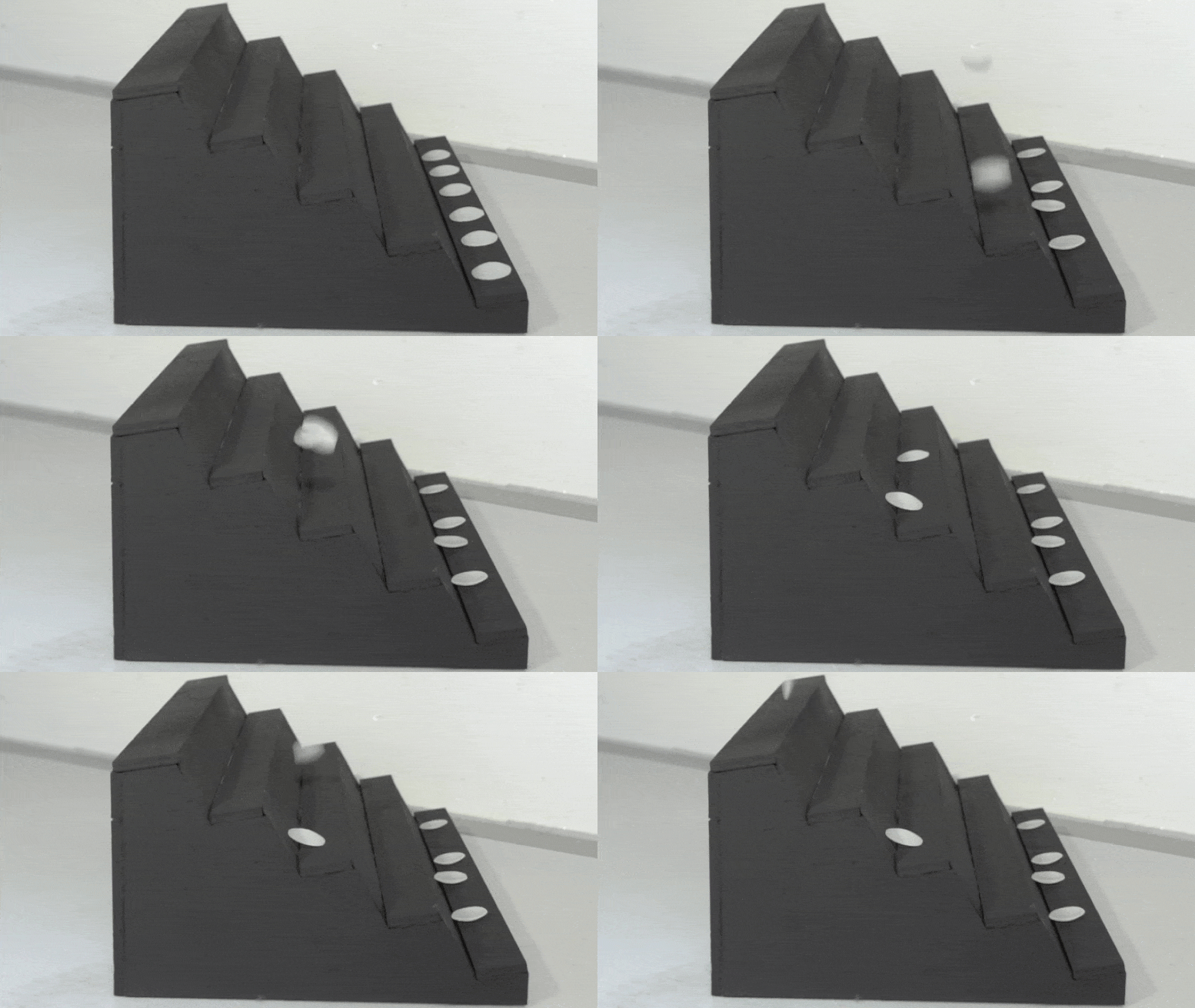
    Scientists discover how future military robots may be able to move off just their own energy. Credit: Yongjim Kim, UMass Amherst

    From Physics to Functionality

    After learning the essential physics from the drying strips, the team experimented with different shapes to find the ones most likely to react in expected ways, and that would move repeatedly without any motors or hands resetting them. The team even showed that the reshaped strips could do work, such as climbing a set of stairs on their own.

    “These lessons demonstrate how materials can generate powerful movement by harnessing interactions with their environment, such as through evaporation, and they are important for designing new robots, especially at small sizes where it’s difficult to have motors, batteries, or other energy sources,” Crosby said.

    The research team is coordinating with DEVCOM Army Research Laboratory to transfer and transition this knowledge into future Army systems.

    Reference: “Autonomous snapping and jumping polymer gels” by Yongjin Kim, Jay van den Berg and Alfred J. Crosby, 1 February 2021, Nature Materials.
    DOI: 10.1038/s41563-020-00909-w

    Never miss a breakthrough: Join the SciTechDaily newsletter.
    Follow us on Google and Google News.

    Biomechanics Materials Science Robotics U.S. Army Research Laboratory
    Share. Facebook Twitter Pinterest LinkedIn Email Reddit

    Related Articles

    Army Research Into Artificial Muscle Nanomotors for More Effective Robots on the Future Battlefield

    ‘Robotic Skins’ Turn Inanimate Objects Into Multifunctional Robots

    Engineers Develop Soft Robot That Can Carry Its Own Power Supply

    Engineers Create 3D-Printed Smart Gel That Walks Underwater, Moves Objects

    MIT Engineers Design Transparent, Gel-Based Robots

    Researchers Develop Shape-Programmable Miniscule Robots

    Robotic Tentacles Have a Soft Enough Touch to Pick Up Flowers

    Light Activated Muscle Cells May Advance Biorobotics

    Elastomeric “Soft” Robots Running on Pneumatic Actuators

    Leave A Reply Cancel Reply

    • Facebook
    • Twitter
    • Pinterest
    • YouTube

    Don't Miss a Discovery

    Subscribe for the Latest in Science & Tech!

    Trending News

    After 50 Years, Astronomers Finally Found What the Milky Way’s Black Hole Was Hiding

    The Most Powerful Drug of All Isn’t Found in a Pill Bottle

    Scientists Capture Immune Cells Eating Live Cancer Cells for the First Time

    Why Older Adults Need To Pay Closer Attention to Vitamin B12

    Scientists Say a Daily Probiotic May Help Fight Depression in Older Adults

    This Deadly Disease Was Wiping Out Humans 5,500 Years Ago

    Beyond DNA: Scientists Discover Inheritance That Breaks the Rules of Genetics

    Scientists Just Discovered the Eye Defies a Long-Held Rule of Vision

    Follow SciTechDaily
    • Facebook
    • Twitter
    • YouTube
    • Pinterest
    • Newsletter
    • RSS
    SciTech News
    • Biology News
    • Chemistry News
    • Earth News
    • Health News
    • Physics News
    • Science News
    • Space News
    • Technology News
    Recent Posts
    • The World’s Biggest Population Fear Has Flipped – and It Could Change Everything
    • US and UK Veterans Who Volunteered in Ukraine Return Home With Hidden Health Crises
    • Scientists Discover Troubling Link Between Processed Foods and Preschool Behavior
    • This “Fake” Pill Improved Memory and Physical Performance in Just 3 Weeks
    • Scientists Rediscover Rare Island Fox Not Seen for More Than 20 Years
    Copyright © 1998 - 2026 SciTechDaily. All Rights Reserved.
    • Science News
    • About
    • Contact
    • Editorial Board
    • Privacy Policy
    • Terms of Use

    Type above and press Enter to search. Press Esc to cancel.