
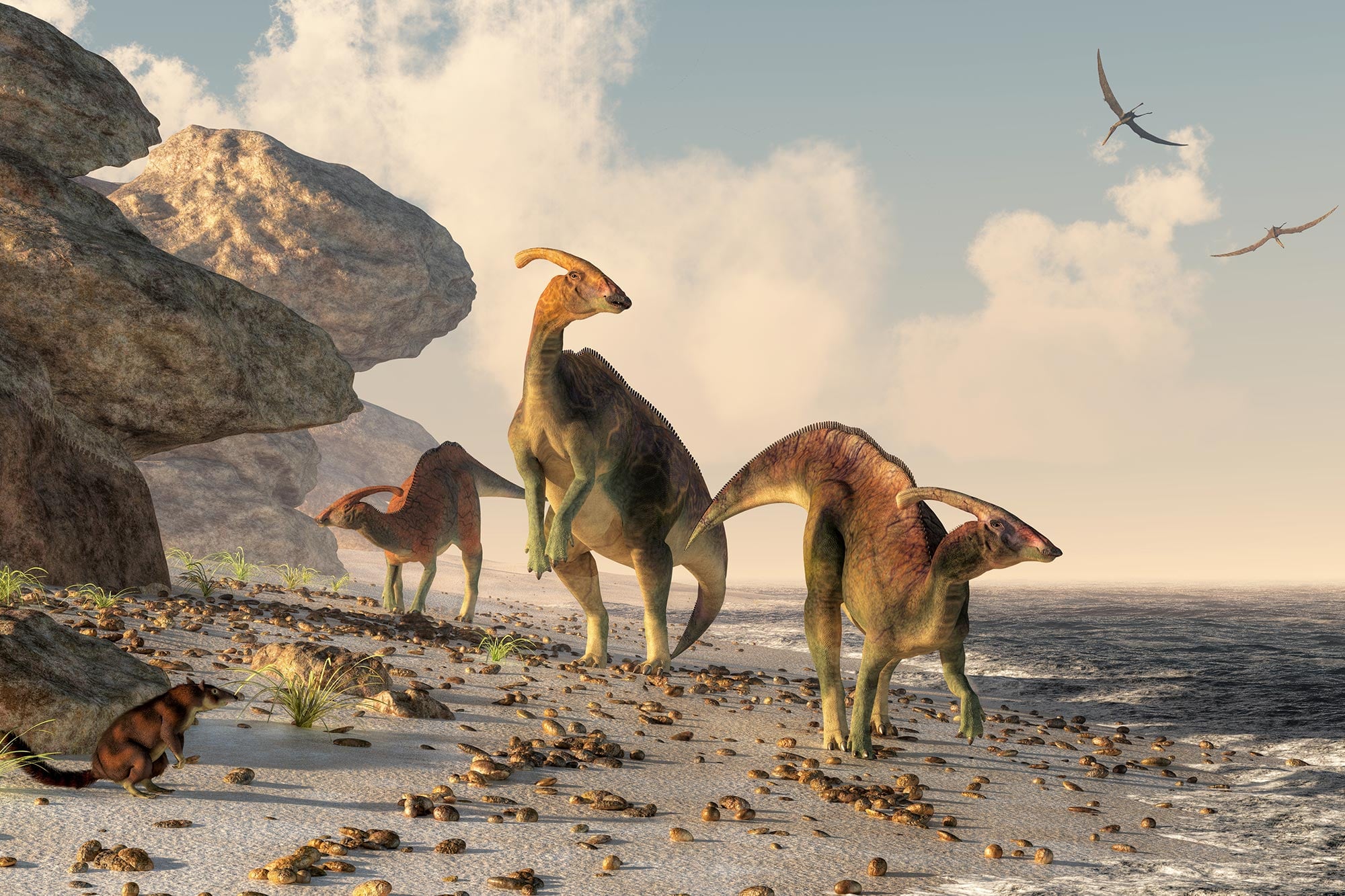
Dinosaurs and their prey likely ate seaweed, which may help explain the unusually high carbon isotope signatures preserved in their teeth.
After storms, beaches can become strewn with marine material washed in from the sea. Land animals often take advantage of that sudden food supply, especially when drought or other conditions make food on land scarce. Fossil teeth now suggest that the same exchange between ocean and shore was feeding dinosaurs and other coastal animals more than 100 million years ago.
Scientists call this transfer of ocean-derived food into terrestrial ecosystems marine subsidization. In a new study published in Frontiers in Ecology and Evolution, researchers examined chemical signatures preserved in fossils from ancient North American coastlines and found evidence that marine resources moved through Cretaceous food webs that included dinosaurs, crocodiles, turtles, and fish.
“We show that coastal terrestrial organisms in the greenhouse climates of the Cretaceous relied on marine resources to supplement their diets in a similar way that modern organisms do,” said first author Dr. Clayton Forster, a geologist at the University of Arkansas. “We can identify that marine resources are passed along the food chain and incorporated in the minerals of bones and teeth of dinosaurs, crocodiles, turtles, and fish.”
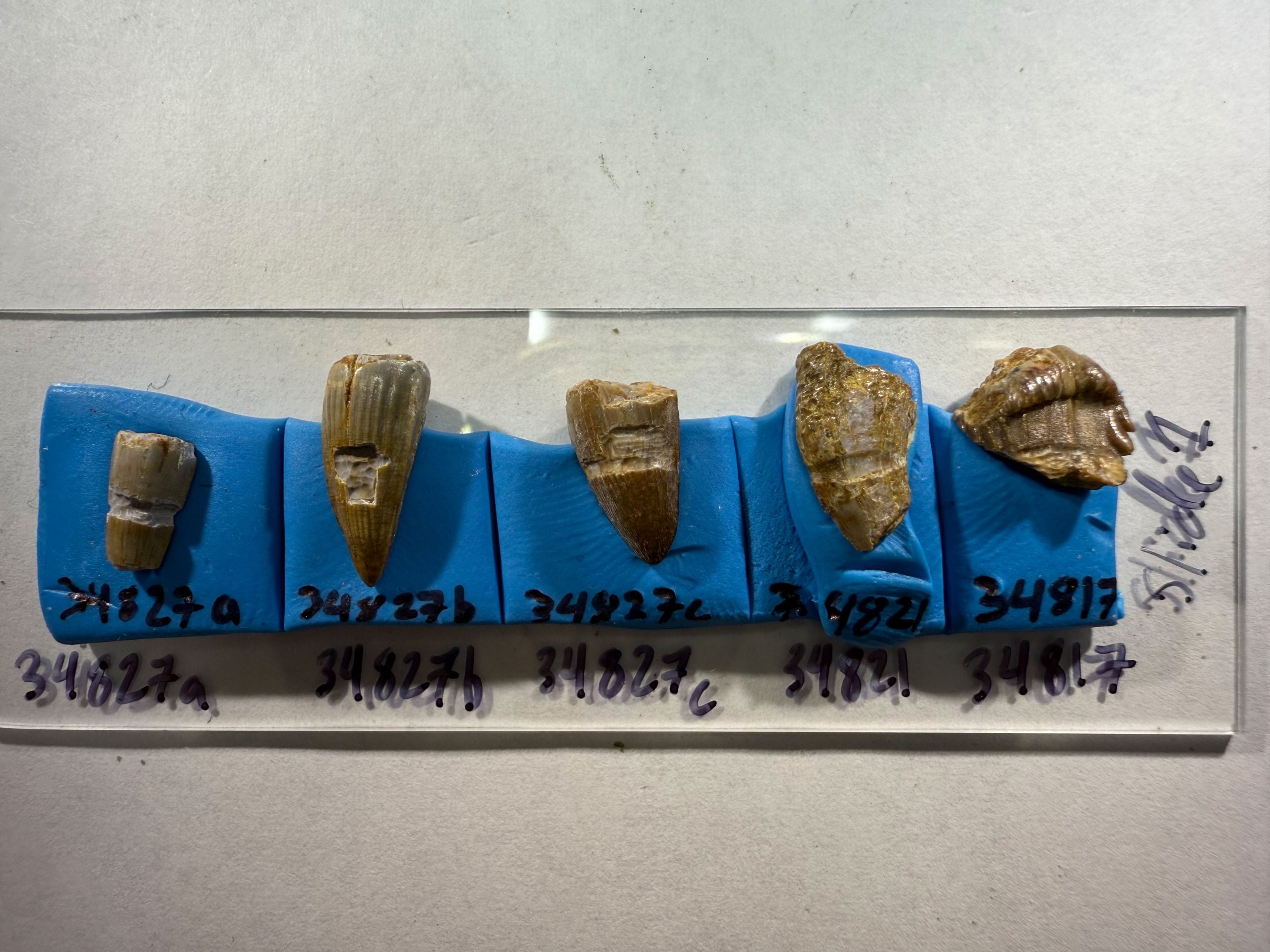
Dinosaur teeth preserve a dietary clue
Plants contain different proportions of two carbon isotopes, lighter carbon 12 and heavier carbon 13. Scientists express that ratio as δ13C, and because the chemical signal passes from food into the bodies of animals that eat it, fossil teeth can preserve clues about an animal’s diet.
When living animals eat, the δ13C value recorded in their tooth enamel typically rises about 11 to 13 parts per thousand above the value in their food. Dinosaur teeth consistently show a larger shift. Their δ13C values are also higher than expected for animals that ate only plants growing on land, which generally have lower values than most marine plants.
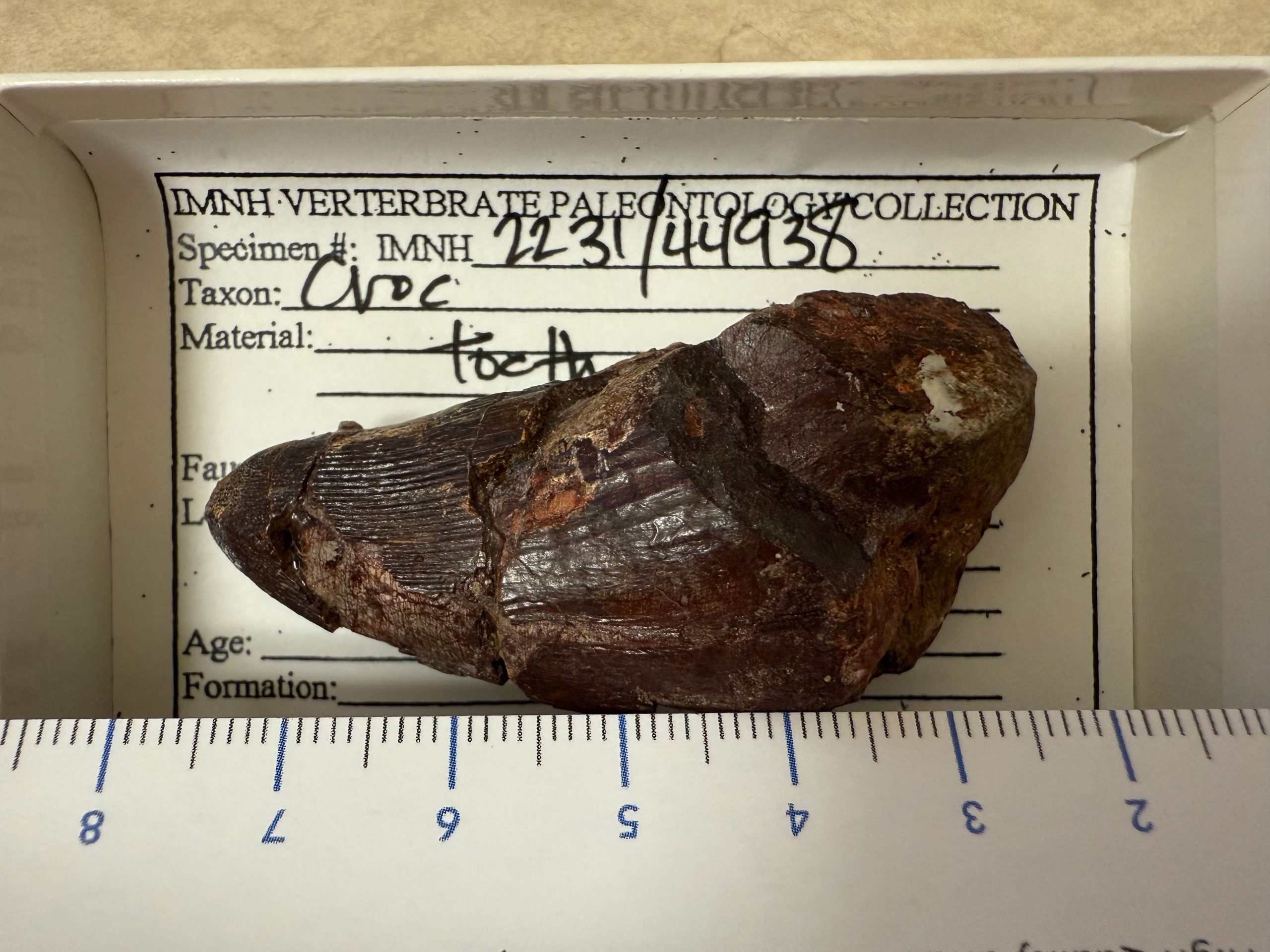
Eating marine material, either directly or through prey that had already consumed it, could produce those higher carbon isotope values. If that explanation were correct, dinosaurs and other animals from coastal environments should carry a different chemical signature from animals living farther inland.
“By determining the carbon isotope composition of dinosaur, fish, and crocodile tooth enamel, we can determine what their primary dietary source was and if they were different between regions,” explained Forster.
Coastal fossils carry a different signal
Fossils from sites that once bordered the Western Interior Seaway gave the researchers a way to make that comparison. The vast inland sea divided North America into two landmasses around 100 million years ago, while other fossils in the study came from sites along the ancient Gulf of Mexico coastline and from landlocked environments.
The sites represented two intervals of the Cretaceous. Some formed during the early Albian, roughly 113 million to 107 million years ago, while others dated to the early Cenomanian, about 100 million to 96 million years ago. The team collected powder from the fossils, measured its isotopic composition, and determined the latitudes where the organisms had lived.
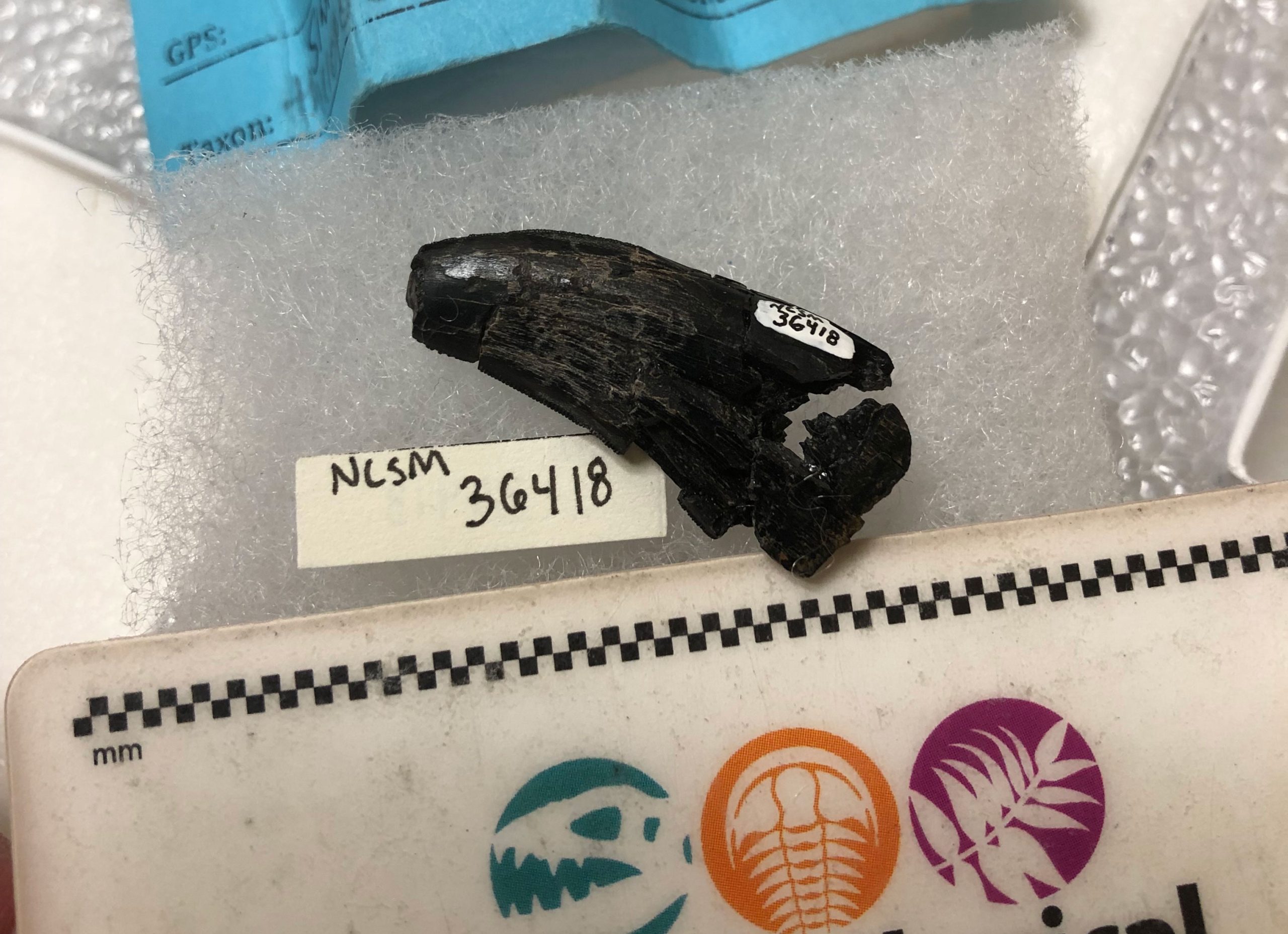
Coastal fossils consistently contained higher δ13C values than fossils from the landlocked formation. The coastal values also remained similar across different latitudes and across both time periods. According to the researchers, the pattern provides the first evidence of marine subsidization in prehistoric ecosystems.
“Coastal-dwelling organisms must have eaten some kind of organic matter from the ocean, or prey that had done so. This pattern is shared from fish to megaherbivores and indicates that the extra carbon source must have been low in the food-chain to affect both aquatic and terrestrial animals,” Forster explained.
Seaweed fits the coastal pattern
A carbon source capable of producing that pattern would need to reach animals at the base of both aquatic and terrestrial food webs. It would also have to occur along coasts rather than inland and remain available over millions of years.
“Few organisms meet these criteria besides marine macroalgae or macrophytes – seaweeds,” said Forster. “Given the almost ubiquitous behavior of large coastal herbivores today to supplement their diet with seaweeds, it’s likely that most of the sampled herbivorous dinosaurs were no different.”
Not every dinosaur shared the signal
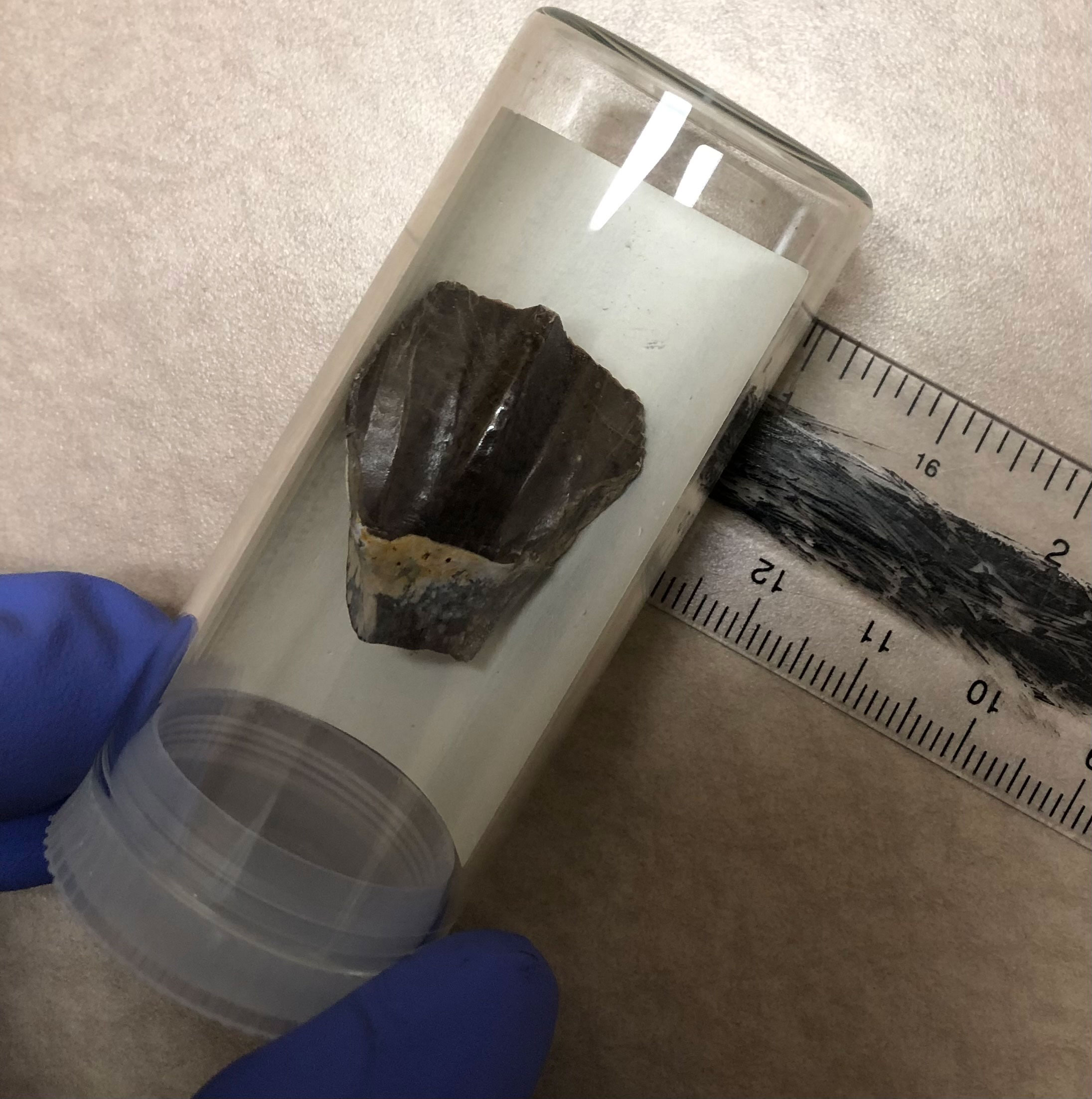
Tenontosaurus tilletti did not show the same coastal signal. The large herbivorous dinosaur, which has been found at many locations throughout the Cretaceous, had a δ13C value similar to those of living animals that eat plants growing on land. That contrast makes it less likely that geological processes altered all of the fossils in the same way after death and supports the researchers’ interpretation that the higher values reflected differences in diet.
The coastal deposits examined in the study clearly showed marine subsidization, but the available fossils did not include polar or equatorial latitudes from the early Albian or early Cenomanian. Fossils from other places and periods will be needed to determine whether the same exchange of marine food extended across different latitudes or into periods such as the preceding Jurassic Period and the subsequent early Cenozoic Era.
“Our study emphasizes the connections between terrestrial and marine ecosystems,” concluded Forster. “They are deeply intertwined and have been for hundreds of millions of years. It highlights the importance of environmental linkages across time and space and protecting them where they exist today.”
Reference: “Marine subsidization of dinosaurian ecosystems” by Clayton W. Forster, Celina A. Suarez, Thomas M. Cullen, Lindsay E. Zanno and Ethan G. Hyland, 6 August 2026, Frontiers in Ecology and Evolution.
DOI: 10.3389/fevo.2026.1895247
This work was funded by a National Science Foundation (NSF) grant NSF-FRES #1925915 to CAS.
Never miss a breakthrough: Join the SciTechDaily newsletter.
Follow us on Google and Google News.