
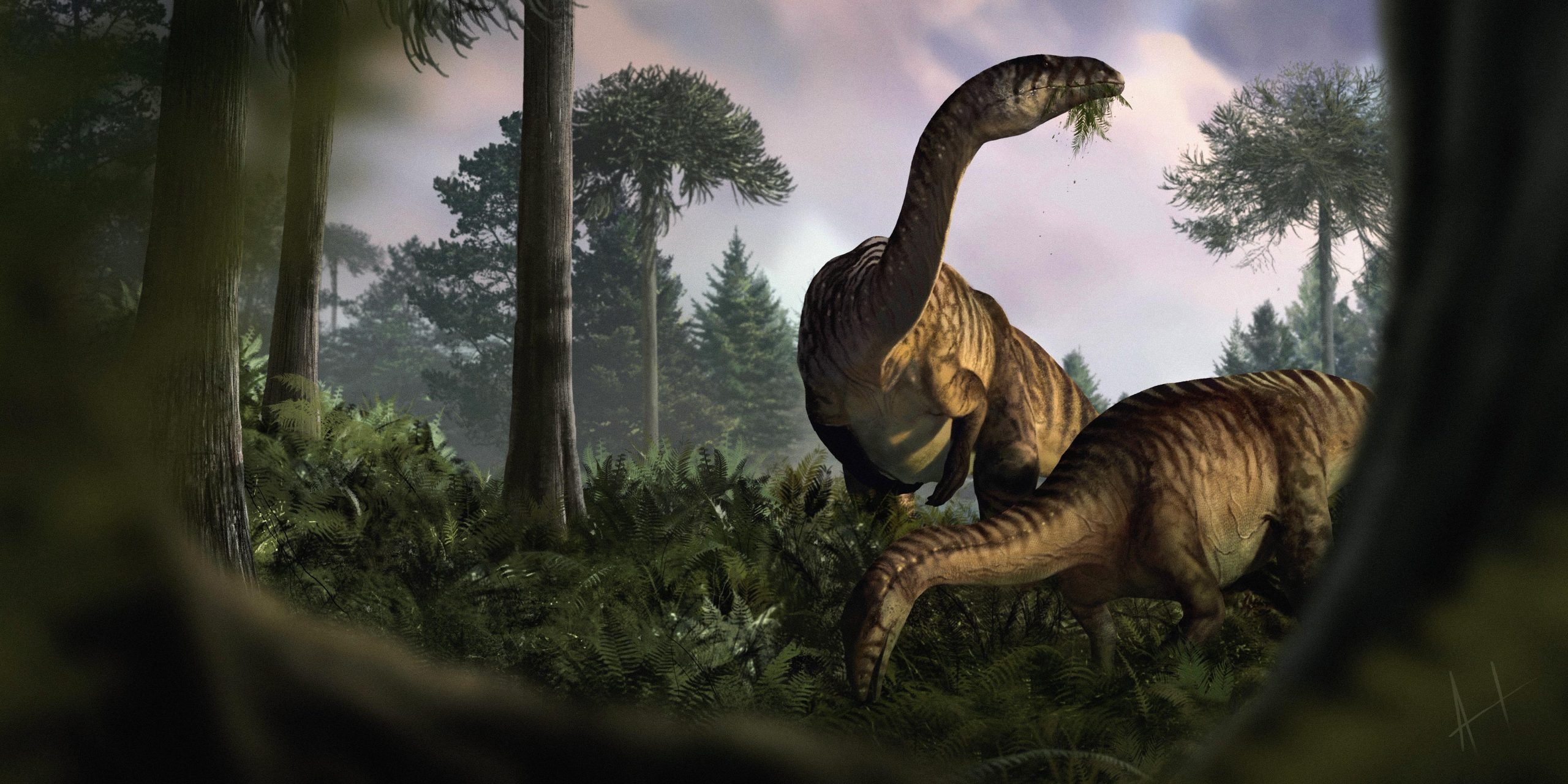
Researchers have used fossil feces to study dinosaur diets, revealing how diverse eating habits contributed to their evolutionary success in the Late Triassic.
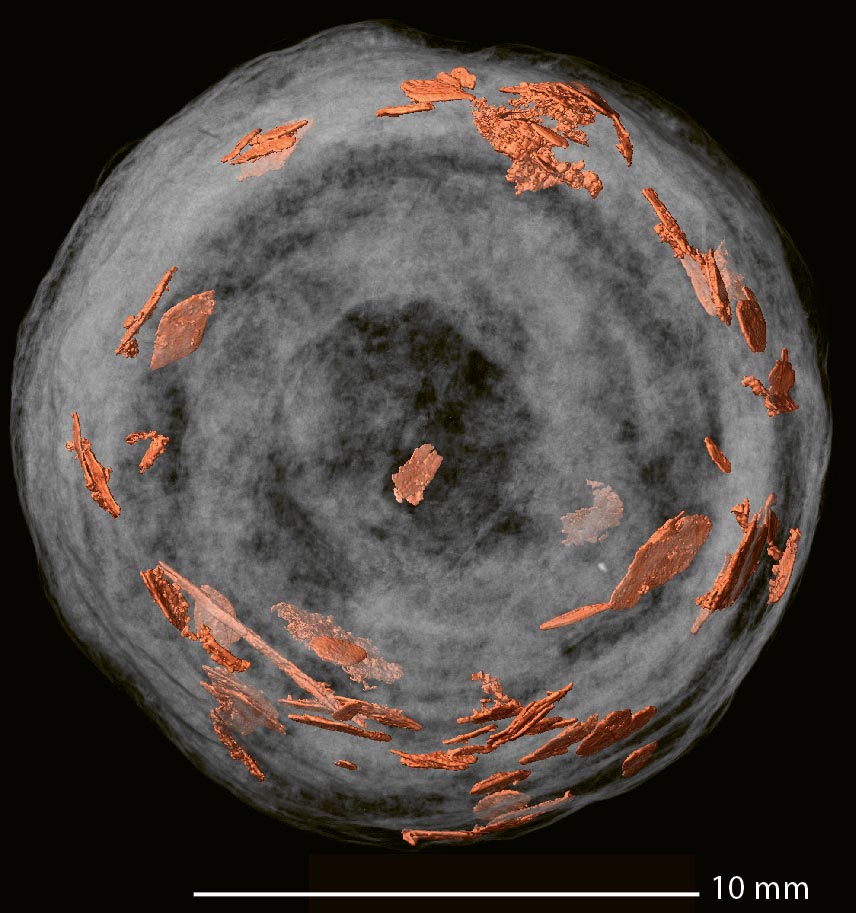
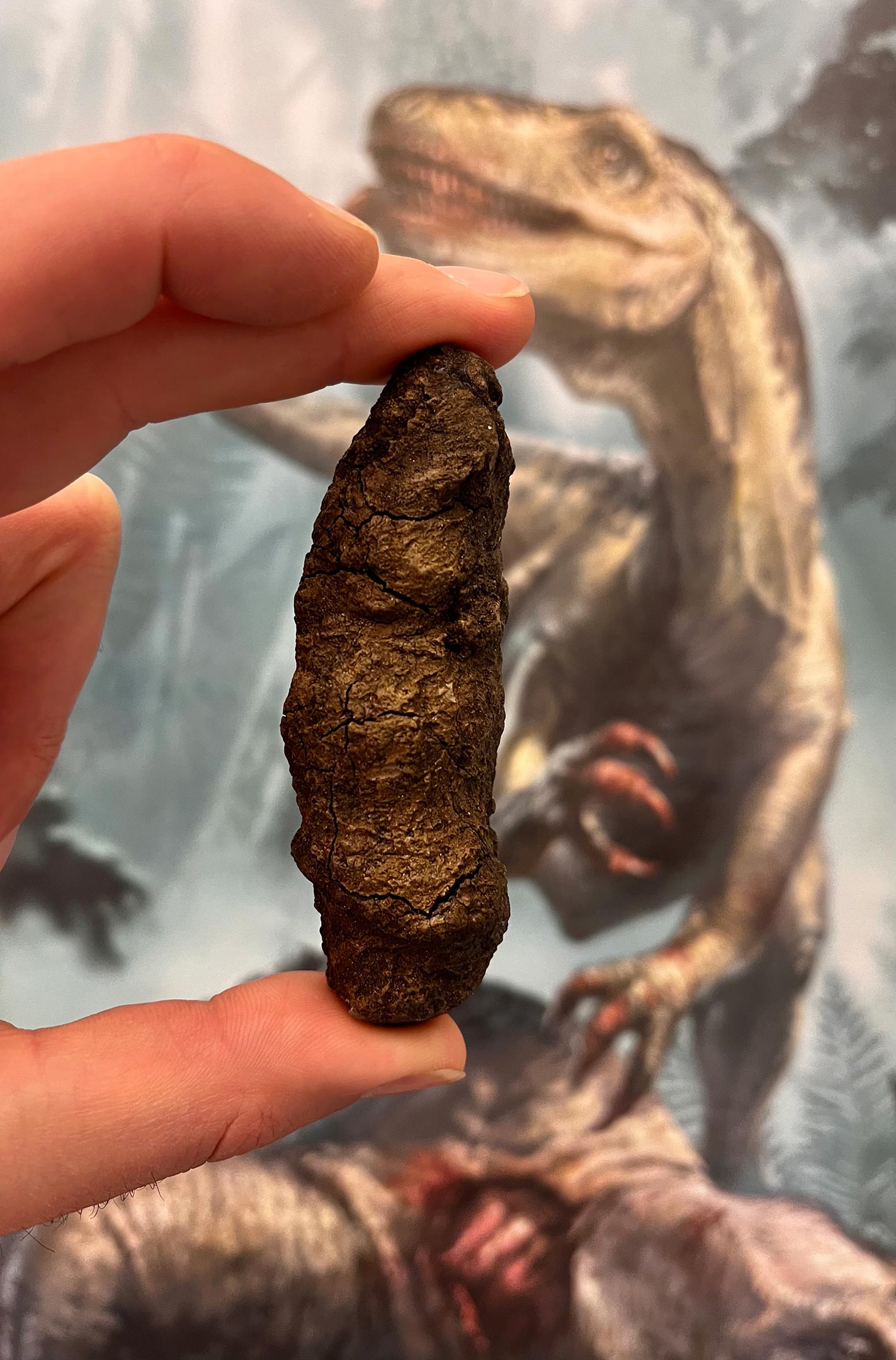
A team of paleontologists from Uppsala University, collaborating with researchers from Norway, Poland, and Hungary, has analyzed hundreds of fossilized feces samples using advanced synchrotron imaging. This analysis allowed them to visualize the internal components of the fossilized feces, known as coprolites, in great detail. By identifying undigested food remains, plants, and prey, they have successfully reconstructed the ecosystems from the time when dinosaurs first began to dominate.
“Piecing together ‘who ate whom’ in the past is true detective work,” says Martin Qvarnström, a researcher at the Department of Organismal Biology and lead author of the study. “Being able to examine what animals ate and how they interacted with their environment helps us understand what enabled dinosaurs to be so successful.”
Ecological Insights from the Polish Basin
The study, published in Nature, focused on a previously underexplored region, the Polish Basin, located in the Late Triassic time in the northern parts of the then-supercontinent Pangea. The researchers built a comprehensive picture of the Triassic and Jurassic ecosystems (from about 230 to 200 million years ago) by combining the information from the coprolites with climate data and other fossils: plants, bite marks, vomit, footprints and bones.
“The research material was collected over a period of 25 years. It took us many years to piece everything together into a coherent picture,” says Grzegorz Niedźwiedzki, a researcher at the Department of Organismal Biology and the study’s senior author. “Our research is innovative because we have chosen to understand the biology of early dinosaurs based on their dietary preferences. There were many surprising discoveries along the way.”
Coprolite Contents Reveal Diverse Diets
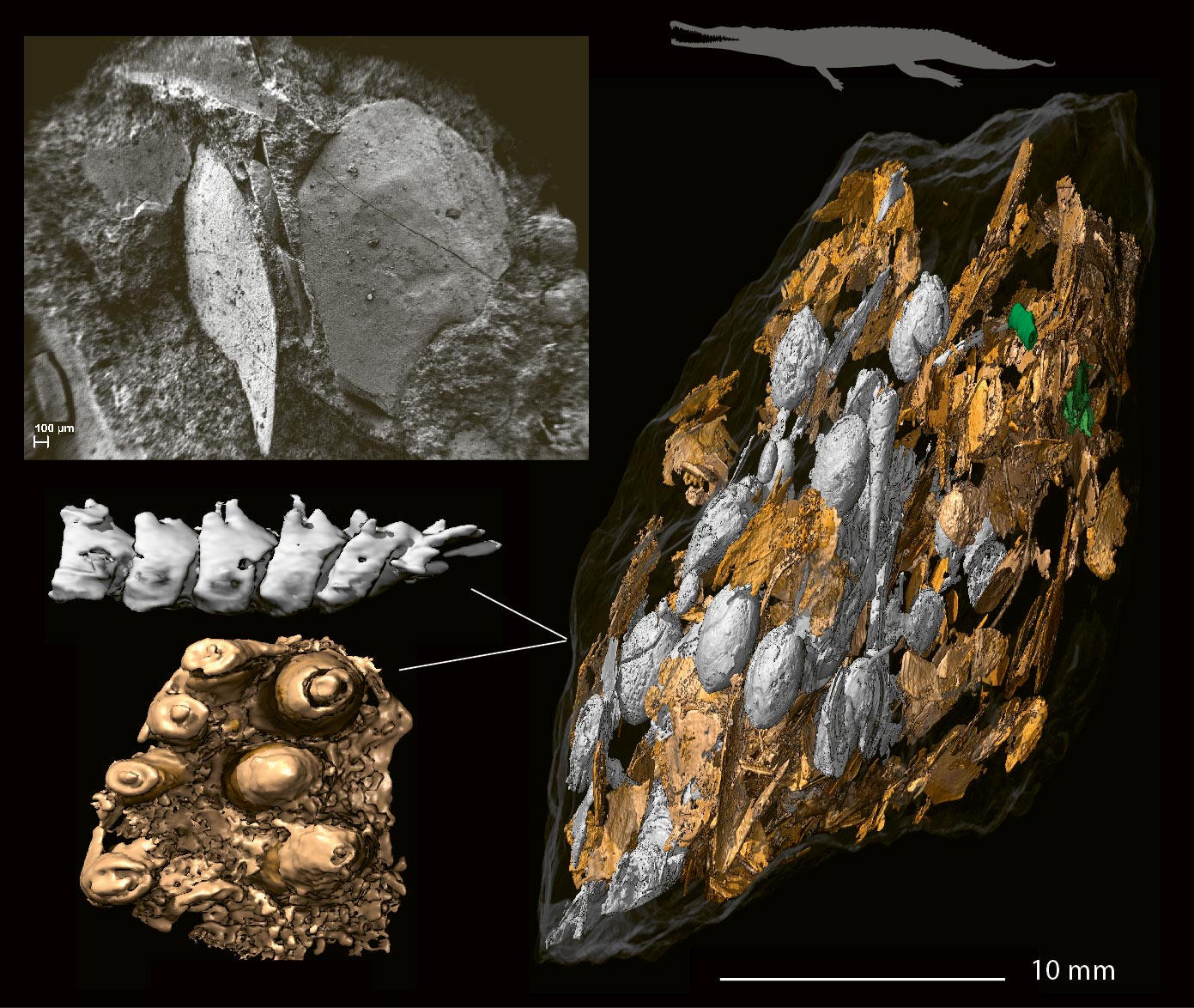
The coprolites contained remains of fish, insects, larger animals, and plants, some of which were unusually well preserved, including small beetles and semi-complete fish. Other coprolites contained bones chewed up by predators that, like today’s hyenas, crushed bones to obtain salts and marrow. The contents of coprolites from the first large herbivorous dinosaurs, the long-necked sauropods, surprised the researchers. These contained large quantities of tree ferns but also other types of plants and charcoal. The paleontologists hypothesize that charcoal was ingested to detoxify stomach contents, as ferns can be toxic to herbivores.
Implications for Understanding Dinosaur Evolution
The research addresses a significant gap in current knowledge: the first 30 million years of dinosaur evolution during the Late Triassic period. Although much is known about their lives and extinction, the ecological and evolutionary processes that led to their rise are largely unexplored. The study results in a five-step model of dinosaur evolution that the researchers believe can explain global patterns.

The team emphasizes that understanding how the first dinosaurs achieved their success can offer valuable insights into prehistoric ecosystems and evolutionary processes in general. The results show that dietary diversity and adaptability were crucial survival traits during the environmental changes of the Late Triassic.
“Unfortunately, climate change and mass extinctions are not just a thing of the past. By studying past ecosystems, we gain a better understanding of how life adapts and thrives under changing environmental conditions,” says Qvarnström.

“The way to avoid extinction is to eat a lot of plants, which is exactly what the early herbivorous dinosaurs did. The reason for their evolutionary success is a true love of green and fresh plant shoots,” Niedzwiedzki concludes.
Reference: “Digestive contents and food webs record the advent of dinosaur supremacy” by Martin Qvarnström, Joel Vikberg Wernström, Zuzanna Wawrzyniak, Maria Barbacka, Grzegorz Pacyna, Artur Górecki, Jadwiga Ziaja, Agata Jarzynka, Krzysztof Owocki, Tomasz Sulej, Leszek Marynowski, Grzegorz Pieńkowski, Per E. Ahlberg and Grzegorz Niedźwiedzki, 27 November 2024, Nature.
DOI: 10.1038/s41586-024-08265-4
Never miss a breakthrough: Join the SciTechDaily newsletter.
Follow us on Google and Google News.
8 Comments
Today dinosaur success is full palate like mammal they are no dinosaur special plant eating today .today dinosaur are predator the modern crocodilian bite force is very important for plant eating they are many plant eating mesoeucrocodylia the spinosauridae they cause extinction of plant eating dinosaur because of full palate like mammal these two cause extinction. dinosaur did not have that kind of technology they were allways was primitive so better dinosaur continue age of dinosaur .on palaeontology electronica Webbsite irritator mandibular lower jaw is fuse like bird only saw 2 different bone are fuse that is enough only mesoeucrocodylia
The lower jaw is fuse because of death roll system you need a strong skull to do death roll clearly spinosauridae is mesoeucrocodylia .on Portuguese baryonyx link they said it’s a adult because of vertebrae fusion but clearly by scapula coracoid fusion they have aquatic ankle like long lizard tail dinosaur compsognathus it’s like aquatic lizard the .mite be lead by aquaticness the sprawling ankle .eustreptospondylus is a gator type mesoeucrocodylia it lack lacrimal horn like spinosaurus but spinosaurus lack serrated teeth the Eustreptospondylus has serrated teeth the baryonyx has lacrimal horn and serrated teeth so they right to say Eustreptospondylus is a gator type mesoeucrocodylia .on palaeontologia electronica they allso has irritator pseudorotunda and grasping finger claws of the gator the swimming spinosauridae
Predator like mesoeucrocodylia change to eat plant allso found in lizard and monitor lizard .the none mesoeucrocodylia dinosaur were diverse but could not change fast enough like mammal and mesoeucrocodylia because of weak skull clearly dinosaur crocodilian about the same but dinosaur lack superior feature the mammal feature found in mesoeucrocodylia .early dinosaur did not have turbinates it’s found in duckbill dinosaur triceratops type and ankylosaurus spinosauridae .some how there is a report conservative brain in spinosauridae with advance feature like turbinates pseudorotunda .and they call modern crocodilian primitive with a turbinates.on palaeontologia electronica the pterygoid is fuse in irritator a trademark of mesoeucrocodylia in pseudosuchus it is not fuse .some ankylosaurus it is fuse .some
Dinosaur have gar fish advance swimming vertebrae only saw two all link aquaticness carnotaurus link with ceratosaurus famous has crocodilian tail but not the tail of modern crocodilian like all tetanuran they have pygostyle some of tail bone are fuse allso in aquatic dinosaur pterosaur only thought in modern crocodilian that only one of dwarf caiman has tetanuran tail because of land evolution but on like other tetanuran it clearly move side to side by the video clearly not all fuse tetanuran dinosaur tail only move up and down for balance bipedal the tail vertebrae is like neck vertebrae can not move to the side the best in dinosaur the neck modern crocodilian the gator the neck is fix it can not move to side some of neck ribs are reduce like sauropod most dinosaur have the primitive feature of big neck ribs like tuatara and lizard .other aquatic dinosaur gar fish vertebrae is one spinosauridae .so not only birds have pygostyle tail I drink the media kool aid so took me awhile to find it
Is the pseudorotunda turbinates a aquatic feature in dinosaur did spinosauridae got it when aquatic I am skeptic on that like the big thumb claws it probably from the land
I do not see any plant eater in advance eusuchian mesoeucrocodylia today crocodilian need more time.eustreptospondylus pneumatic mesoeucrocodylia the first for gator type mesoeucrocodylia so the bird feature was hide from the public why.
Eustreptospondylus pneumatic neck vertebrae .ankylosauridae they seem to have a fuse nasal for a plant eater that strange I thought it was only a predator feature I guest it’s for bite force
Dear Sir.Mam
With three years of experience in client search, I have developed effective strategies and a keen understanding of the market. I am dedicated to finding top candidates who perfectly align with your goals. Let’s collaborate to make your search a successful journey.
I look forward to discussing this further!
Best regards,
Angel