
New research suggests caffeine may reshape how cells handle energy, stress, and survival.
That morning cup of coffee does more than sharpen your focus.
Caffeine, the stimulant found in everything from espresso to energy drinks, interacts with some of the most fundamental systems that keep cells alive and functioning. Scientists have long linked it to better health outcomes, but only recently have researchers begun to uncover how deeply it influences the inner workings of our cells.
A study from the Cellular Ageing and Senescence Laboratory at Queen Mary University of London, published in Microbial Cell, takes a closer look at how caffeine influences these processes. Using fission yeast, a widely studied organism with many similarities to human cells, the team found that caffeine alters how cells progress through their life cycle and respond to damage by engaging deeply conserved energy pathways.
Caffeine and Cellular Control Systems
Earlier studies suggested caffeine could override DNA damage checkpoints by inhibiting a protein called Rad3, allowing cells to continue dividing even when genetic damage is present. This raised questions about whether caffeine directly interferes with critical safety mechanisms.
The new findings offer a more detailed explanation. Rather than acting directly on major growth regulators such as TORC1, which controls metabolism and the timing of cell division based on nutrient availability, caffeine appears to work indirectly through another system.
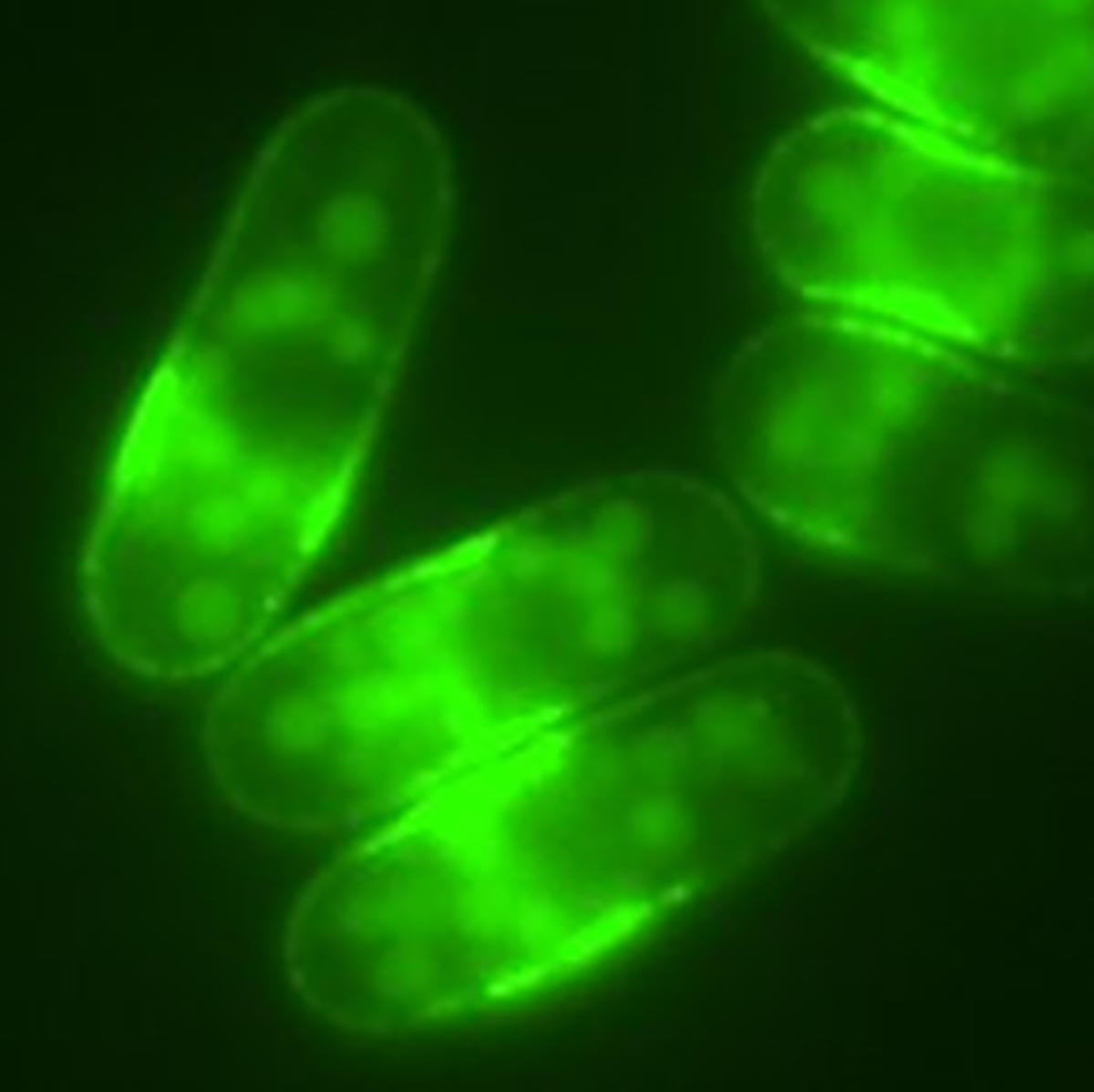
The researchers showed that caffeine activates AMPK, a cellular energy sensor that helps cells adjust to low fuel conditions and environmental stress. This activation occurs through components of the AMPK pathway, including Ssp1, Ssp2, and the regulatory subunit Amk2. Once engaged, this network influences both metabolism and the timing of mitosis, the stage when a cell divides into two. By acting through AMPK, caffeine can accelerate mitotic progression while also reshaping how cells manage stress.
Complex Effects on Stress and DNA Damage
The study also found that Ssp2 becomes activated through phosphorylation in response to caffeine, and that both Ssp1 and Amk2 are necessary for cells to withstand prolonged genotoxic stress. At the same time, caffeine can increase sensitivity to DNA damage under certain conditions, especially when combined with other stressors, indicating a complex interaction between cell division and damage response pathways.

These changes have measurable effects on lifespan in yeast. Caffeine exposure extends chronological lifespan (CLS), meaning cells remain viable for longer periods when they are not actively dividing. This benefit is closely linked to activation of stress response pathways, which are known to support maintenance and repair processes that contribute to cellular health.
Because AMPK functions in a similar way across many species, including humans, the findings connect caffeine to a pathway already under intense study in aging research. AMPK is also targeted by metformin, a common diabetes drug being investigated for its potential to improve healthspan and lifespan. By showing that caffeine can activate this same system, the research suggests that widely consumed dietary compounds may influence some of the same biological processes targeted by modern therapeutics.
Broader Significance
“Caffeine doesn’t just keep you awake. It rewires how cells use energy and respond to stress,” said Dr. Charalampos (Babis) Rallis, senior author of the study. “That may help explain its broader effects on health.”
Lead researcher Dr. John-Patrick Alao added, “Understanding how caffeine acts on these pathways opens the door to new strategies for improving healthspan, whether through diet, lifestyle, or targeted therapies.”
A 2026 follow-up study published in bioRxiv identifies Bro1 as a key link between TOR signaling and cellular recycling systems.
The researchers found that Bro1 helps cells shift from growth to maintenance when TOR activity is reduced, a transition associated with increased lifespan. Without Bro1, this switch breaks down, leaving nutrient uptake unchecked, disrupting metabolism, and ultimately shortening cellular lifespan.
The next time you grab a cup of coffee, it may do more than sharpen your focus. It could also be supporting your cells in subtle but meaningful ways.
References:
“Dissecting the cell cycle regulation, DNA damage sensitivity and lifespan effects of caffeine in fission yeast” by John-Patrick Alao, Juhi Kumar, Despina Stamataki and Charalampos Rallis, 24 June 2025, Microbial Cell.
DOI: 10.15698/mic2025.06.852
“Bro1-Mediated Trafficking Couples TOR Signalling to Cellular Metabolism and Longevity” by Kristal Ng, Juhi Kumar, Aleksandra Dabrowska, Jose Clemente-Ramos, Rowshan Ara Islam, Olga Xintarakou, Anja Freiwald, Natalie Bartel, Daniela Ludwig, Despina Stamataki, John-Patrick Alao, Peter Thorpe, Markus Ralser, Michael Mulleder, Sara E. Mole and Charalampos Rallis, 11 January 2026, bioRxiv.
DOI: 10.64898/2026.01.12.698986
Never miss a breakthrough: Join the SciTechDaily newsletter.
Follow us on Google and Google News.
2 Comments
Thats not correct if the pesticides in tea coffee, plastic tea bag, plastic coffee pods.water in plastic bottles. Tap water fluoride, chlorine. Am I right ot wrong.
Caffeine keeps you awake? It never seems to do that for me. It just makes me jittery. I’ve always thought that was an old wife’s tale with no scientific backing, just a lot of psychosomatic behavior.
{^_^}