
Close Menu
    Facebook X (Twitter) Instagram
    SciTechDaily
    • Biology
    • Chemistry
    • Earth
    • Health
    • Physics
    • Science
    • Space
    • Technology
    Facebook X (Twitter) Pinterest YouTube RSS
    SciTechDaily
    Home»Earth»Mammals With Larger Brains Were More Likely To Survive Late Quaternary Extinction
    Earth

    Mammals With Larger Brains Were More Likely To Survive Late Quaternary Extinction

    By Scientific ReportsApril 9, 2022No Comments2 Mins Read
    Facebook Twitter Pinterest Telegram LinkedIn WhatsApp Email Reddit
    Share
    Facebook Twitter LinkedIn Pinterest Telegram Email Reddit
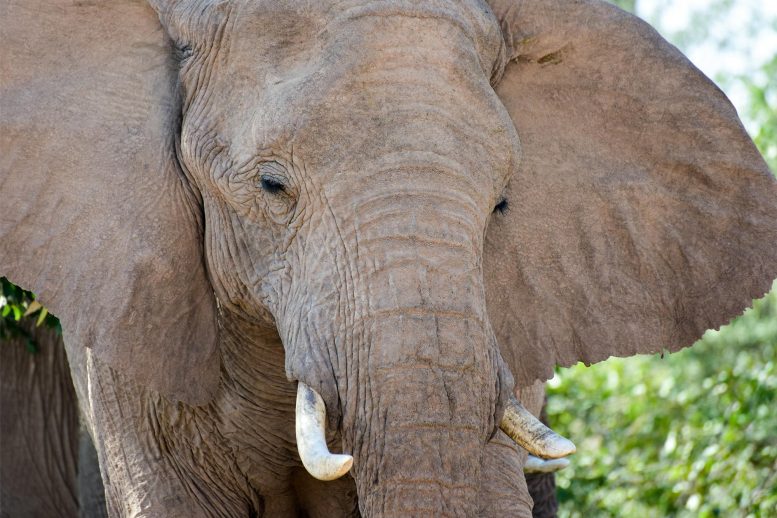
    African Bush Elephant
    The African bush elephant, Loxodonta africana, survived the Quaternary extinction.

    Mammals with larger brains than similar-sized related species were more likely to have survived extinction during the Late Quaternary (between 115,000 to 500 years ago) reports a study published in Scientific Reports.

    Previous research has established that mammals with a larger body size have an increased risk of extinction, but the chances of survival are less clear for large-bodied species with large brains such as the African bush elephant and the polar bear.

    Jacob Dembitzer and colleagues investigated the brain sizes of 291 living mammal species and 50 mammal species that went extinct during the Late Quaternary. The authors collected data on the volume of 3,616 specimen skulls, with a median of three specimens per species, to calculate brain size, and used previous research for data on body mass and extinction dates.

    Impact of Brain and Body Size on Extinction Risk

    Species that survived the Late Quaternary had on average 53% larger brains than similar-sized (body mass) related species that went extinct. The authors found body mass was the most important factor in determining extinction, but brain size was a significant predictor of extinction.

    Within taxonomic orders, a closely related group of species, the authors found one of the biggest differences in body size was between Pilosans. The authors found the extinct ground sloth Lestodon armatus (weighed 4.6 tonnes) was 192 times larger in body size than the giant anteater, Myrmecophaga tridactyla (weighing 24kg or 53lb). In the order Proboscidea (elephants, mammoths and their kin), a group that tends to have large brains, the extinct straight-tusked elephant, Palaeoloxodon antiquus (weighed 11 tonnes) was 2.8 times larger compared to the African bush elephant, Loxodonta africana (weighing 3.9 tonnes).

    The authors propose that larger brain size may have helped large-bodied species that were prone to extinction to survive. A larger brain may have helped species to adapt quickly to changes such as increased hunting by humans, and may have meant the species were able to remember several sources of food and water within a changing landscape.

    Reference: “Small brains predisposed Late Quaternary mammals to extinction” by Jacob Dembitzer, Silvia Castiglione, Pasquale Raia and Shai Meiri, 31 March 2022, Scientific Reports.
    DOI: 10.1038/s41598-022-07327-9

    Never miss a breakthrough: Join the SciTechDaily newsletter.
    Follow us on Google and Google News.

    Brain Extinction Extinction Event Mammals
    Share. Facebook Twitter Pinterest LinkedIn Email Reddit

    Related Articles

    Ancient Extinction Mirrors Today’s Ocean Crisis: Deoxygenation’s Role Unveiled

    Mass Extinction Predicted: Extreme Heat Likely To Wipe Out Humans and Mammals in “Triple Whammy”

    LOME’s Twist: Ancient Mass Extinction Event May Not Be So Strange After All

    Mass Extinctions May Have Been Driven by the Evolution of Tree Roots

    Saved From Extinction: How the Gulf of Mexico Escaped Global Warming 56 Million Years Ago

    Unchecked Global Emissions on Course To Trigger Mass Extinction of Marine Life

    Animals Died in “Toxic Soup” During Earth’s Worst Mass Extinction – A Warning for Today

    Scientists Document a Surprising Trend in a Study on Extinctions

    Earth Recovered 10 Million Years After Permian-Triassic Mass Extinction

    Leave A Reply Cancel Reply

    • Facebook
    • Twitter
    • Pinterest
    • YouTube

    Don't Miss a Discovery

    Subscribe for the Latest in Science & Tech!

    Trending News

    Tea or Coffee? Your Daily Choice Could Affect Osteoporosis Risk

    Vitamin C May Fight Cancer in a Surprising Way

    Hidden Earthquake Threat: Oregon’s Fault May Be Closer to the Surface Than Scientists Thought

    Scientists Discover Hidden Sleep Switch That Boosts Brainpower, Builds Muscle, and Burns Fat

    Ancient Mega-Floods Once Ripped Across Mars and Left This Giant Scar

    Scientists Discover Cheap, Natural Remedy for High Blood Pressure

    Earth’s Upper Atmosphere Is Cooling Fast and Scientists Finally Know Why

    32,000 Olympic Pools of Magma Nearly Erupted Beneath Atlantic Island

    Follow SciTechDaily
    • Facebook
    • Twitter
    • YouTube
    • Pinterest
    • Newsletter
    • RSS
    SciTech News
    • Biology News
    • Chemistry News
    • Earth News
    • Health News
    • Physics News
    • Science News
    • Space News
    • Technology News
    Recent Posts
    • The Simple Habit That Could Lower Your Cancer Risk
    • New AI Blood Test Predicts Stroke, Heart Failure, and More up to 15 Years in Advance
    • The Secret to Living Past 100 May Be Hidden in Your Blood
    • Ancient Roman Gold Mines Discovered in Spain’s Pyrenees
    • Ancient DNA Reveals How Farming Spread and Nearly Broke a Civilization
    Copyright © 1998 - 2026 SciTechDaily. All Rights Reserved.
    • Science News
    • About
    • Contact
    • Editorial Board
    • Privacy Policy
    • Terms of Use

    Type above and press Enter to search. Press Esc to cancel.