
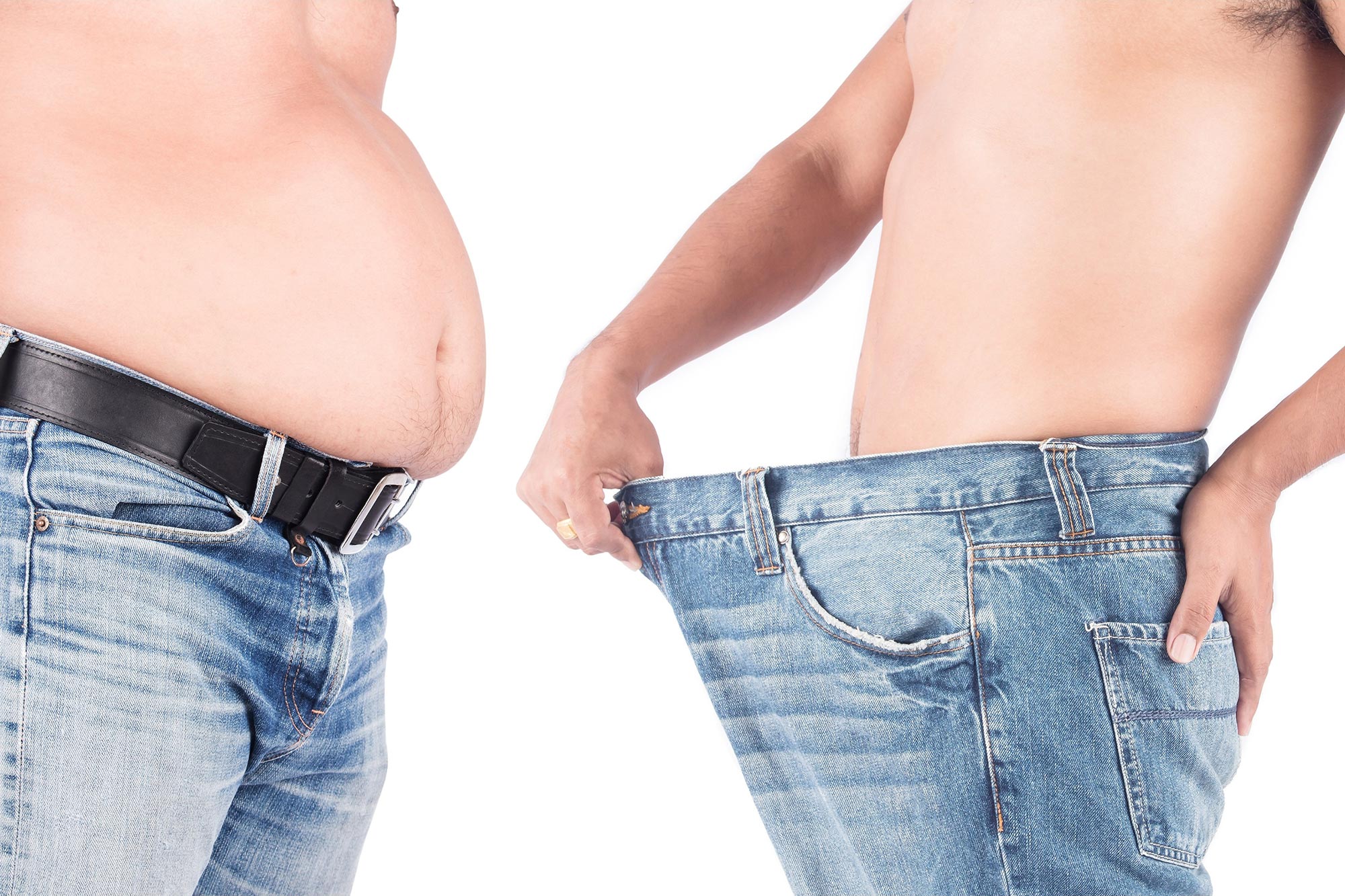
An experimental injection called CBL-514 reduced both fat beneath the skin and the deeper belly fat liposuction leaves behind in early human studies.
Deep inside the abdomen, fat wraps around internal organs, beyond the layer that can be pinched at the waist or removed with liposuction.
These hidden deposits, known as visceral fat, actively influence metabolism and help drive insulin resistance, type 2 diabetes, and cardiovascular problems, including heart attacks and strokes. Procedures that reshape the belly leave this deeper fat behind.
Dr. W. Timothy Garvey of the University of Alabama at Birmingham and Yu-Fang Ling of drug developer Caliway Biopharmaceuticals in New Taipei City, Taiwan, examined whether an experimental injection could reduce those deposits. Analyzing MRI scans from two phase 2 trials, they found that visceral fat decreased in participants receiving the drug, CBL-514, while increasing in those given placebo.
Destroying fat cells, sparing their neighbors
CBL-514 selectively triggers apoptosis, the process through which cells self-destruct, in fat cells while leaving other cells untouched. Phase 2 trials had already shown that it could reduce subcutaneous fat, the layer beneath the skin. At an eight-week follow-up, 69.6% of treated participants had lost at least 150 milliliters of that fat, about five U.S. fluid ounces, compared with none of those receiving placebo.
Garvey and Ling used available MRI scans to look beyond that outer layer, focusing on 40 participants from the trials CBL-0204 and CBL-0205. Their body mass index ranged from 22 to 30, and 23 received CBL-514 while 17 received placebo. The scans allowed the researchers to measure changes in fat hidden around the organs.
Participants received injections into the lower abdomen every three weeks for up to 12 weeks, with CBL-514 doses of up to 600 milligrams. The thickness of their abdominal fat determined how many injections they received. As that layer thinned, the number of injections decreased, and treatment stopped once the thickness fell to a sufficiently low level.
Visceral fat stays lower after treatment
MRI scans before treatment showed similar starting volumes of visceral fat in the two groups. Four weeks after the final treatment, the average volume had fallen by 12.01% in the CBL-514 group and risen by 5.68% in the placebo group.
The treated participants still had less visceral fat at the later follow-up, conducted eight weeks after the last treatment in CBL-0205 and 12 weeks afterward in CBL-0204. Their average volume was 10.45% below its starting level, while the placebo group’s was 11.76% higher. That put the difference between the groups’ percentage changes at 22.21 percentage points.
Pain, swelling, and redness occurred at injection sites, but these reactions were mostly mild to moderate and temporary. The drug was generally well tolerated, and no serious adverse events were reported. The researchers concluded that CBL-514 significantly reduced visceral fat compared with placebo, extending the evidence beyond the fat immediately beneath the skin.
“We expect that patients will be pleased by the cosmetic effects, such as the flatter stomach that can come with subcutaneous fat loss. But it is the reduction in body weight, loss of visceral fat and the improvements in blood pressure, cholesterol and the like that should be associated with this that will be important for health,” Garvey says.
The MRI measurements document a reduction in fat volume, while the broader health improvements Garvey anticipates still need to be demonstrated. He also points out that liposuction and abdominoplasty, commonly called a tummy tuck, are more invasive and address only subcutaneous fat.
Slower weight regain in rats
People who lose weight with GLP-1 medications often regain it after stopping treatment, raising another question for the researchers: whether eliminating some fat cells could help preserve that weight loss. Animal experiments have begun to explore the possibility, although they do not establish that CBL-514 can prevent weight regain in people.
Animals given CBL-514 lost weight and had reductions in both subcutaneous and visceral abdominal fat. Combining it with tirzepatide produced greater weight loss. When researchers then stopped tirzepatide in rats, those that had received both drugs regained less weight than those given tirzepatide alone.
Destroying some fat cells could leave less capacity for fat to accumulate again, the researchers hypothesize, slowing the return of lost weight. Garvey hopes that helping people maintain their weight loss would also help preserve improvements in blood pressure, blood sugar, and cholesterol. Human research is needed to test that possibility.
“This is a highly innovative approach to obesity pharmacotherapy that has produced some remarkable results in early human trials,” Garvey says. The findings form part of the research prepared for the European Association for the Study of Diabetes annual meeting in Milan, Italy, September 28 to October 2.
Researchers are recruiting participants for the first of two randomized, placebo-controlled phase 3 trials evaluating CBL-514’s safety and effectiveness for nonsurgical abdominal fat reduction, with the first results expected at the end of next year.
Meeting: Annual Meeting of the European Association for the Study of Diabetes (EASD)
Never miss a breakthrough: Join the SciTechDaily newsletter.
Follow us on Google and Google News.