
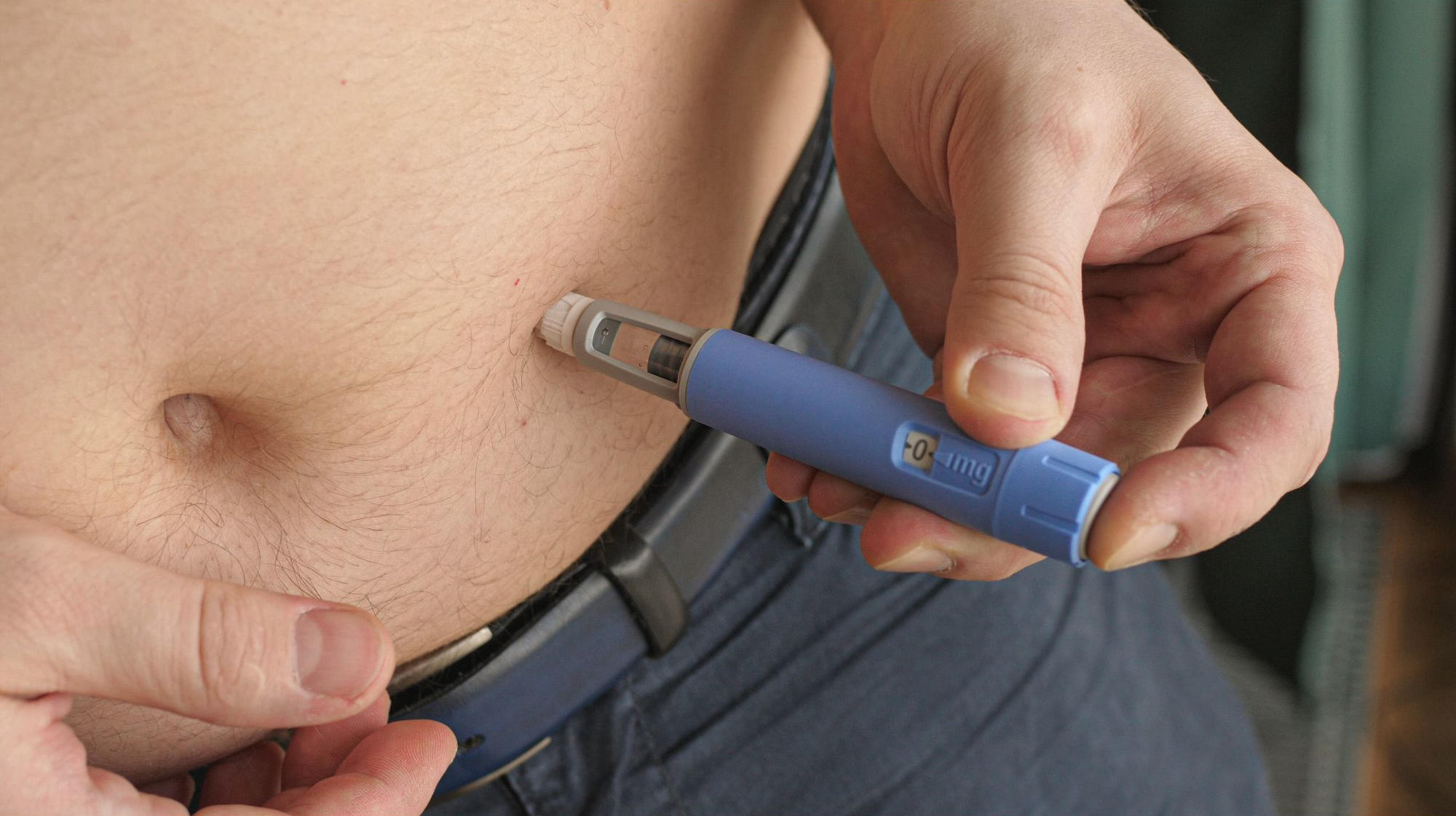
Researchers link GLP1 agonists to depression risk in some users and call for personalized prescribing based on genetic testing.
A study published in Current Neuropharmacology reveals a potential link between Glucagon-like Peptide-1 (GLP-1) receptor agonists, commonly used in drugs like Ozempic, and an increased risk of depression and suicidal ideation (SI). Using advanced pharmacogenomic computational methods, an international team of 24 researchers identified genetic pathways that may predispose certain individuals to depressive symptoms when using GLP-1 agonists.
Led by scientists from the United States, Brazil, Iran, and Israel, the study highlights that while GLP-1 receptor agonists can be beneficial for individuals with hyperdopaminergia (elevated dopamine activity), they may have adverse effects on those with hypodopaminergia (reduced dopamine function). The researchers found associations between GLP-1 agonists and several key genes involved in mood and reward regulation, including DRD3, BDNF, and CREB1. These genes play critical roles in dopamine signaling, and their disruption may contribute to depressive symptoms, mood disorders, and suicidal thoughts in vulnerable populations.
Cautionary Voices from Experts
While the idea of GLP1 agonism induction of depression and SI is controversial with both negative and positive reporting, based on the evidence presented in this article by Alireza Sharafshah, a PhD candidate from Cellular and Molecular Research Center, School of Medicine, Guilan University of Medical Sciences, Rasht, Iran, the authors caution against promoting chronic stimulation via GLP-1 agonists.
“This study should not be ignored, despite the hype surrounding the positive clinical outcomes of GLP1 receptor agonists,” said senior author Dr. Kenneth Blum, Research Professor at Western University Health Sciences and Ariel University. “We urge the clinical prescribing community to proceed with caution to avoid another tragic wave of ‘people dying to lose weight.’”
Dr. Mark S. Gold, an addiction psychiatry pioneer and co-author, emphasized, “The paper provides critical evidence for re-evaluating the widespread use of GLP1 receptor agonists. The FDA and other regulatory agencies should carefully consider our findings when it comes to labeling and monitoring these drugs.”
Rising Global Concerns
Professor Albert Pinhasov, Provost of Ariel University, echoed these sentiments, stating, “While there are encouraging short-term benefits of GLP1 receptor agonists, we must acknowledge the potential risks highlighted in this study. These findings should encourage regulatory agencies and clinicians to investigate further, given the heterogeneity of the human population.”
The European Medicines Agency (EMA) has already initiated a review of GLP1 agonists following reports of suicidal thoughts and other psychiatric adverse events. Co-author Dr. Kai Uwe Lewandowski, Professor of Surgery at the University of Arizona School of Medicine, noted, “Depression was the most commonly reported adverse event associated with these drugs, followed by anxiety and suicidal ideation. Our findings strongly support a need for further investigation to safeguard public health.”
The Role of Genetic Testing
The study advocates for personalized medicine approaches, including genetic testing for hypodopaminergia, to identify individuals at risk before prescribing GLP1 receptor agonists.
Professor Panayotis K. Thanos of Buffalo University commented, “Before prescribing GLP1 receptor agonists, it would be prudent to use genetic testing tools to assess a patient’s dopamine function and addiction risk profile.”
Balancing Hope with Vigilance
Professor Igor Elman of Harvard University warned, “While GLP1 receptor agonists hold promise for treating addictive and behavioral disorders, we must remain vigilant about their potential harm. This study is not intended to break the bubble of hope but to add a layer of precaution in their over-prescription.”
The study serves as a critical reminder that while these medications can provide significant health benefits, their potential risks warrant careful scrutiny and further research.
It also provides essential insights that could save lives. It urges regulatory agencies such as the FDA and EMA to monitor these drugs closely and calls on clinicians to balance their benefits with caution.
Reference: “In Silico Pharmacogenomic Assessment of Glucagon-like Peptide-1 (GLP1) Agonists and the Genetic Addiction Risk Score (GARS) Related Pathways: Implications for Suicidal Ideation and Substance Use Disorder” by Alireza Sharafshah, Kai-Uwe Lewandrowski, Mark S. Gold, Brian Fuehrlein, John Wesson Ashford, Panayotis K. Thanos, Gene Jack Wang, Colin Hanna, Jean Lud Cadet, Eliot L. Gardner, Jag H. Khalsa, Eric R. Braverman, David Baron, Igor Elman, Catherine A. Dennen, Abdalla Bowirrat, Albert Pinhasov, Edward J. Modestino, Paul R. Carney, Rene Cortese, Rossano Kepler Alvim Fiorelli, Sergio Schmidt, Aryeh R. Pollack, Rajendra D. Badgaiyan and Kenneth Blum, 24 January 2025, Current Neuropharmacology.
DOI: 10.2174/011570159X349579241231080602
Never miss a breakthrough: Join the SciTechDaily newsletter.
Follow us on Google and Google News.
3 Comments
Instead of genetic screening prior to prescribing meds how about genetic screening for the actual problems the individual is experiencing?
Full in-depth screening is what found all the issues every doc I ever saw blew off as stress, and I’ve far more rare recessive disorders than science claims to be possible.
Regardless, a study released less than 2 weeks ago demonstrated that depression is a result of the chronic stress response.
Will what’s being proposed allow other folks’ chronic stress response to be activated without the warning that depression provides or does not having those genes associated with depression prevent the entire chronic stress response?
compound Semaglutide stirred up a terrible depression in me. i became very suicidal.
Ozempic IS NOT a weight lossdrug!! It is a medication for the treatment of Type Ii Diabetes!!! That’s the first problem!!!! Wegovy is for weight loss!!!!!