
Close Menu
    Facebook X (Twitter) Instagram
    SciTechDaily
    • Biology
    • Chemistry
    • Earth
    • Health
    • Physics
    • Science
    • Space
    • Technology
    Facebook X (Twitter) Pinterest YouTube RSS
    SciTechDaily
    Home»Health»New Study Shows Even Moderate Alcohol Consumption Can Harm People with HIV
    Health

    New Study Shows Even Moderate Alcohol Consumption Can Harm People with HIV

    By Ziba Kashef, Yale UniversityFebruary 2, 20161 Comment2 Mins Read
    Facebook Twitter Pinterest Telegram LinkedIn WhatsApp Email Reddit
    Share
    Facebook Twitter LinkedIn Pinterest Telegram Email Reddit
    New Study Shows Moderate Alcohol Consumption Can Harm People with HIV
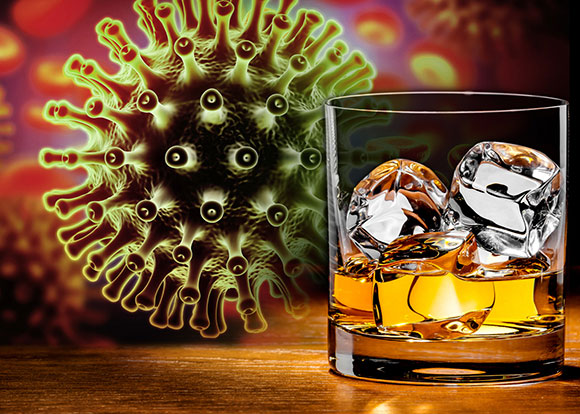
    New study shows moderate alcohol consumption can harm people with HIV.

    A newly published study from Yale University shows that moderate alcohol consumption is more harmful to people with HIV than uninfected individuals, raising the risk of both mortality and other negative health effects.

    The Yale study is the first to demonstrate the increased harm among patients who have suppressed HIV with modern antiretroviral treatment (ART).

    Research has shown that it takes fewer drinks for a person with HIV to feel the effects. However, most prior studies were done on HIV-positive individuals who had detectable virus. The Yale-led team set out to determine whether the risks associated with alcohol were higher among current patients who are more likely to have the infection under control with ART.

    The researchers analyzed data on HIV-positive and uninfected patients from the Veterans Aging Cohort Study (VACS), a large population of individuals receiving care from the Veterans Health Administration, between 2008 and 2012. They examined the association between alcohol consumption and mortality and other signs of physiologic injury.

    They found that HIV-positive individuals were more likely to die and experience physiological harm from alcohol consumption than uninfected individuals. Even consumption of one to two drinks per day was associated with increased risk for people with HIV. The finding was particularly notable because it held true for individuals with suppressed virus, said the researchers.

    “It demonstrates that even among people on ART with suppressed viral load, who are much less sick in general, there is still an added effect of alcohol among those individuals than people without HIV,” said Amy Justice, professor of general medicine and of public health. “It suggests the threshold for safe alcohol consumption is likely different for people with HIV.”

    Reference: “Risk of mortality and physiologic injury evident with lower alcohol exposure among HIV infected compared with uninfected men” by Amy C. Justice, Kathleen A. McGinnis, Janet P. Tate, R. Scott Braithwaite, Kendall J. Bryant, Robert L. Cook, E. Jennifer Edelman, Lynn E. Fiellin, Matthew S. Freiberg, Adam J. Gordon, Kevin L. Kraemer, Brandon D.L. Marshall, Emily C. Williams and David A. Fiellin, 10 March 2016, Drug and Alcohol Dependence.
    DOI: 10.1016/j.drugalcdep.2016.01.017.

    Never miss a breakthrough: Join the SciTechDaily newsletter.
    Follow us on Google and Google News.

    Alcohol HIV Yale University
    Share. Facebook Twitter Pinterest LinkedIn Email Reddit

    Related Articles

    Newly Developed Compounds Maintain Anti-HIV Activity Better Than FDA-Approved Medications

    Study Shows Viral Suppression Helps Lower Risk for Many Types of Cancer

    Study Shows Early HIV Treatment Helps Halt Brain Damage

    New Drug Suppresses HIV & Protects Immune Cells With a Single Dose

    New Yale Research Reveals Insights into Alcoholic Liver Disease

    Yale Researchers Reveal How HIV Spreads in Real Time

    New HIV Finding Dampens Hopes of an Impending Cure

    Researchers May Have Pinpointed a Strategy for Eliminating Latent HIV

    New Class of Proteins Inhibit HIV Infection in Cell Cultures

    1 Comment

    1. Troy O. Lund, MD on February 2, 2016 9:48 pm

      This is not mentioned in the article but is obvious. The glutathione being produced in the liver is used up by ETOH consumption. HIV and many other viruses suppress the patients ability to produce and recycle GSH. Viruses have difficulty reproducing themselves in an environment rich in GSH. CD4-T-cells cannot propagate themselves without a good supply of GSH. Use up available GSH and the virus is free to reproduce and further suppress de novo GSH production and recycling GSH.
      HIV patients should never be given Tylenol or pain med’s containing Tylenol for obvious reasons.

      Reply
    Leave A Reply Cancel Reply

    • Facebook
    • Twitter
    • Pinterest
    • YouTube

    Don't Miss a Discovery

    Subscribe for the Latest in Science & Tech!

    Trending News

    Scientists May Have Discovered How To Heal Damaged Kidneys

    Interstellar Visitor 3I/ATLAS Is Bursting With an Unexpected Chemical

    Scientists Just Found All 5 Genetic “Letters” of DNA and RNA on an Asteroid

    The 4,000-Year-Old City That Defied History’s Rules on Wealth and Power

    The World’s Biggest Population Fear Has Flipped – and It Could Change Everything

    This “Fake” Pill Improved Memory and Physical Performance in Just 3 Weeks

    Scientists Say Frequent Ejaculation May Improve Sperm Quality and Fertility

    Scientists Have Found “The Heaven Sword” After Years of Looking

    Follow SciTechDaily
    • Facebook
    • Twitter
    • YouTube
    • Pinterest
    • Newsletter
    • RSS
    SciTech News
    • Biology News
    • Chemistry News
    • Earth News
    • Health News
    • Physics News
    • Science News
    • Space News
    • Technology News
    Recent Posts
    • Watch What Happened When a Lost Elephant Calf Returned to Her Family
    • 17,000 Brain Scans Reveal Surprising Ethnic Differences in Alzheimer’s Biology
    • New Autism Treatment Strategy Restores Key Brain Receptor Function
    • Younger Generations Are Aging Faster – and It May Be Fueling a Surge in Cancer
    • Scientists Turn Ordinary Sunlight Into UV Light in Major Energy Breakthrough
    Copyright © 1998 - 2026 SciTechDaily. All Rights Reserved.
    • Science News
    • About
    • Contact
    • Editorial Board
    • Privacy Policy
    • Terms of Use

    Type above and press Enter to search. Press Esc to cancel.