
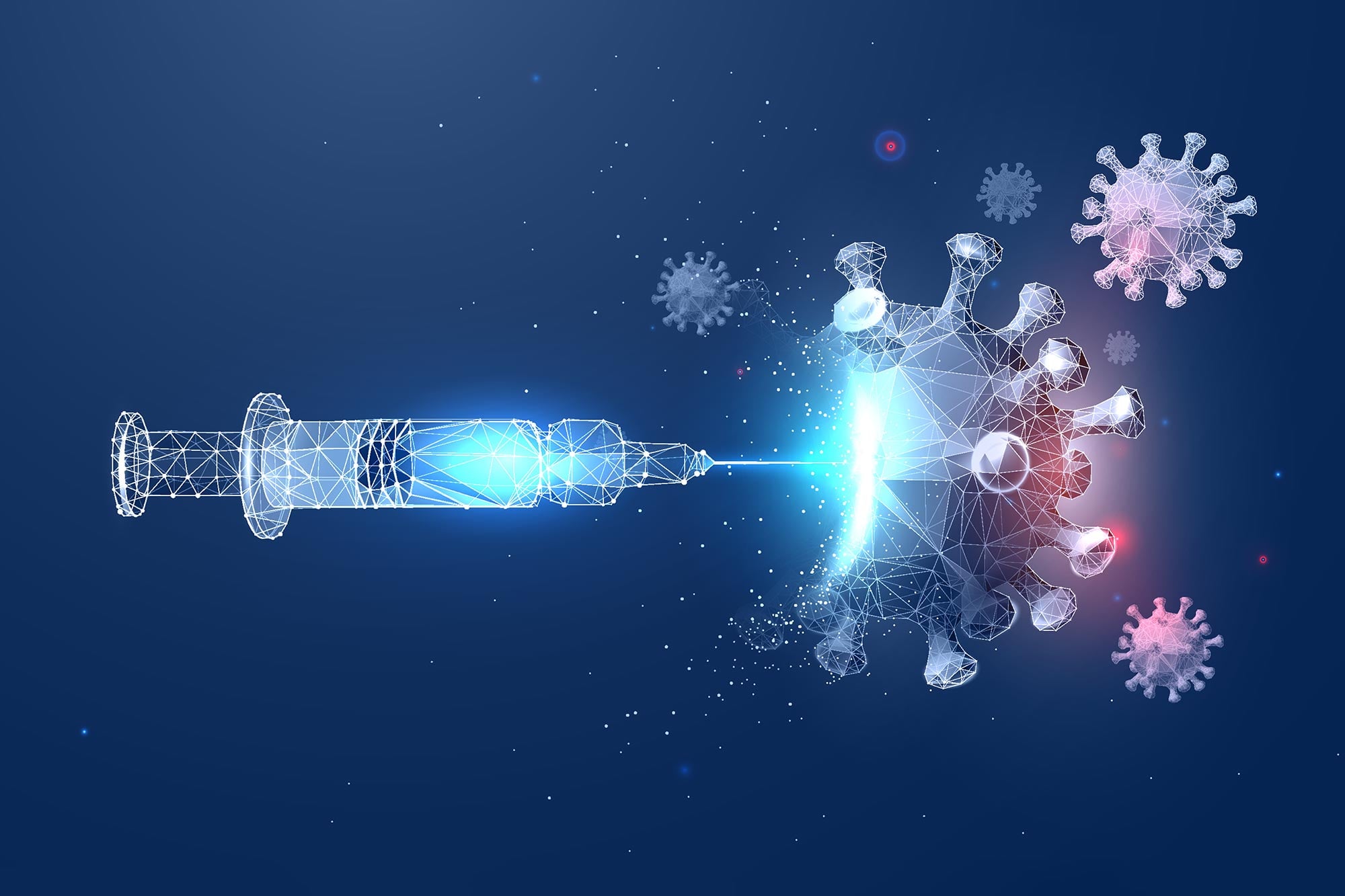
A groundbreaking AI-designed vaccine aims to protect against not only today’s coronaviruses, but tomorrow’s as well.
A new type of universal coronavirus vaccine has passed its first test in humans, marking an important step toward broader protection against future viral threats.
Researchers from the University of Cambridge and biotechnology company DIOSynVax (DVX) Ltd reported that the experimental vaccine was safe and caused no significant side effects in a clinical trial involving 39 healthy volunteers.
Unlike traditional vaccines that target a specific virus strain, this vaccine was designed to provide protection across the wider Sarbeco coronavirus family. This group includes SARS-CoV-2, the virus responsible for COVID-19, as well as SARS and related coronaviruses found in bats that could potentially spill over into humans in the future.
The findings were published in the Journal of Infection.
AI Designed Vaccine Targets Entire Virus Families
The vaccine represents a new approach to vaccine development. Instead of focusing on a single known virus, researchers used artificial intelligence and computer modeling to create a “super-antigen” capable of triggering immunity against many related viruses at once.
The antigen is the active ingredient in a vaccine that trains the immune system to recognize and respond to infection. By identifying genetic features shared across the Sarbeco coronavirus family, scientists designed a synthetic antigen intended to provide broad protection, including against viruses that have not yet emerged.
This is the first time a vaccine whose active component was designed entirely through computer simulations has been tested in people.
According to the research team, the technology could eventually be used to develop vaccines against other groups of viruses, including Ebola viruses and influenza viruses.
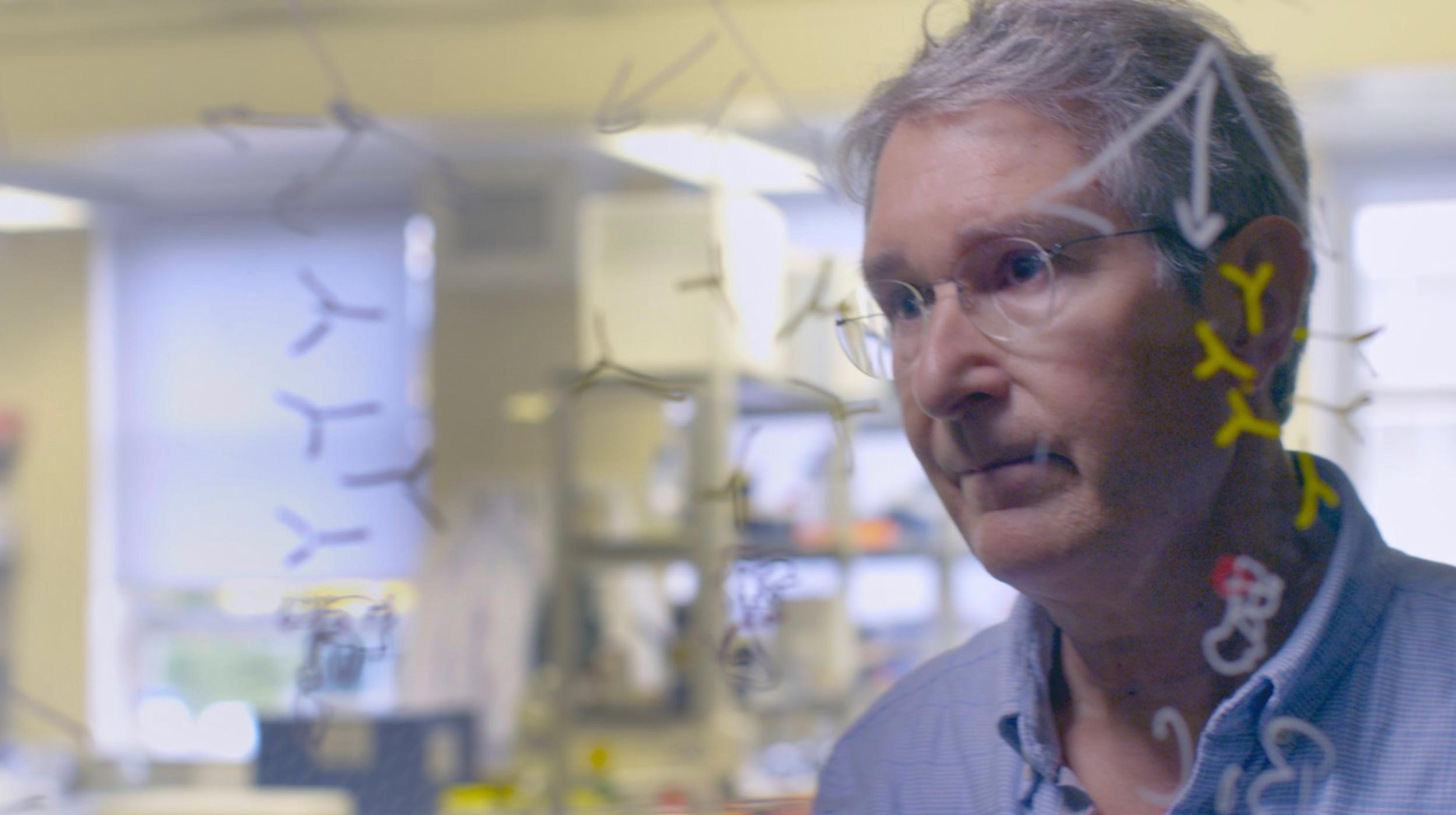
“We’ve converted vaccine development from being reactive to being future-proof. Our vaccines will continue to provide protection against viruses even as they mutate into new strains,” said Professor Jonathan Heeney from the Lab of Viral Zoonotics, University of Cambridge’s Department of Veterinary Medicine, the scientific lead of the research.
He added: “We’ve overcome the problem of traditional vaccines, which have limited protection. It means we can escape the constant cycle of chasing the virus variants circulating in humans and updating the vaccines to try to catch up, like a dog chasing its tail.”
Human Trial Shows Broad Immune Response
Volunteers between the ages of 18 and 50 received the vaccine at National Institute for Health and Care Research (NIHR) Clinical Research Facilities in Southampton and Cambridge. The study was sponsored by University Hospital Southampton NHS Foundation Trust (UHSFT).
Researchers found that the vaccine generated immune responses not only against SARS-CoV-2 and SARS but also against related bat coronaviruses that could pose future pandemic risks.
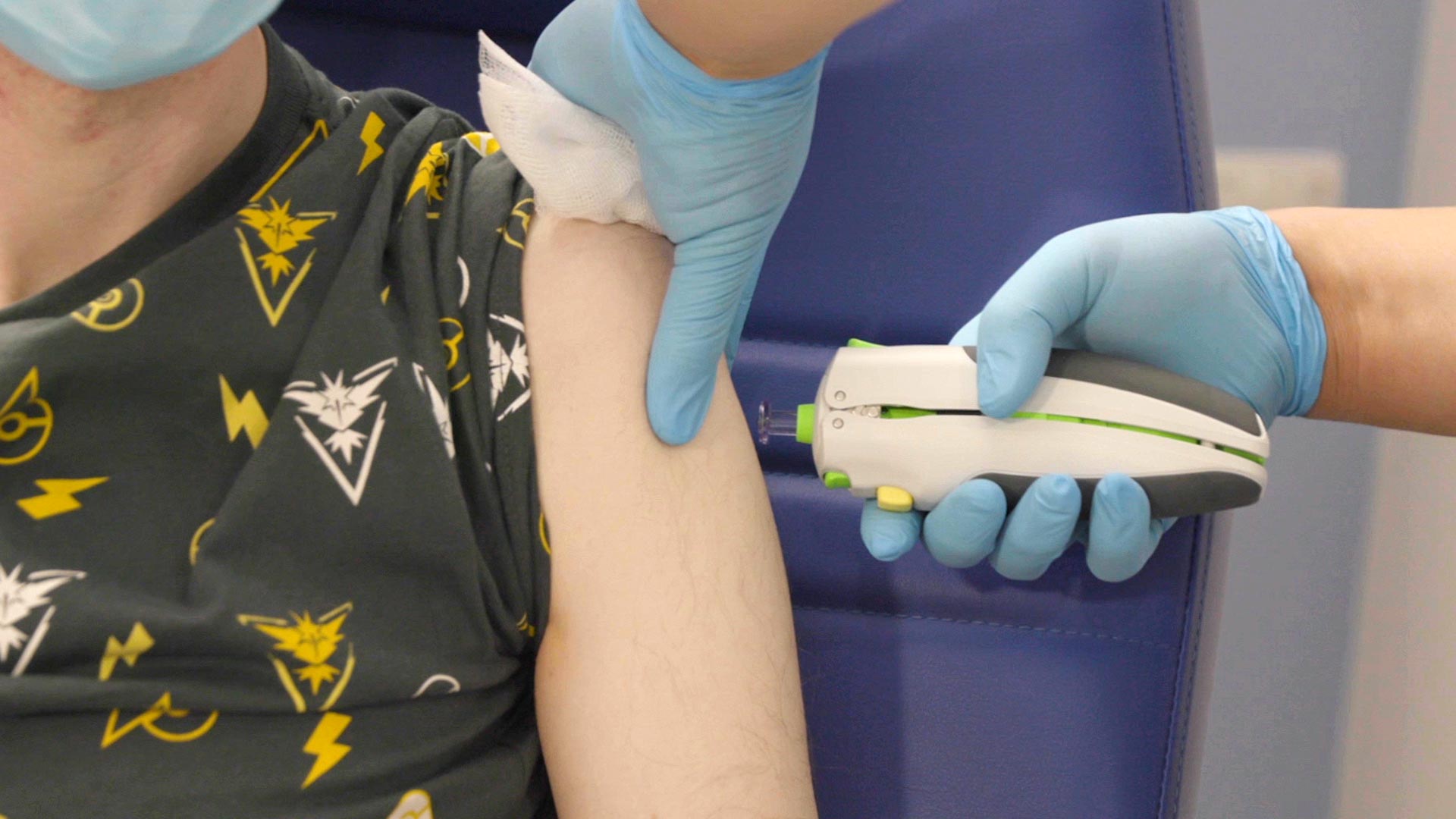
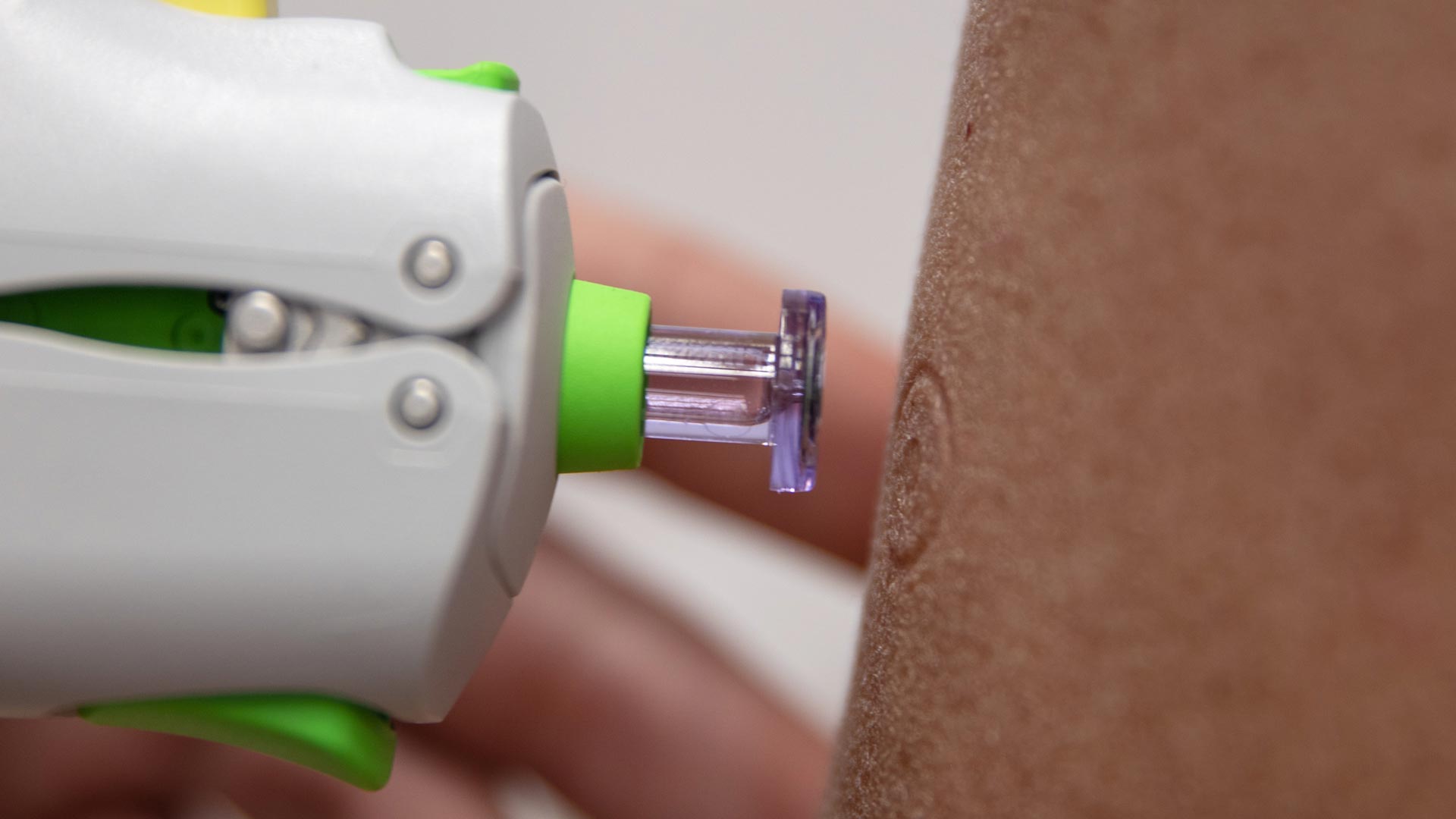
The vaccine was delivered as a DNA vaccine using a microfluidic jet system. This needle-free method may offer an alternative for people who dislike injections and could simplify large-scale vaccination campaigns, particularly in settings where traditional needles are more difficult to use.
The vaccine’s design also addresses one of the biggest challenges facing current vaccines. Seasonal flu shots and existing COVID-19 vaccines are based on previously identified virus strains. Because viruses continue to evolve, vaccine protection can decline over time, requiring regular updates and reformulation.
To create a universal coronavirus vaccine, researchers analyzed genetic sequence data collected from Sarbeco coronaviruses worldwide. Machine learning was then used to identify features shared across the entire virus family and combine them into a single synthetic antigen.
Preparing for Future Pandemic Threats
Before entering human testing, the vaccine was evaluated in animal studies, where it produced strong immune responses against multiple coronaviruses.
Additional research will be required before the vaccine could become available to the public. The next step will be a larger Phase 2 clinical trial designed to evaluate immune responses in a broader and more diverse group of participants while confirming the vaccine’s ability to generate wide-ranging protection.
Researchers believe the technology could eventually help transform how the world responds to emerging infectious diseases.

“Viruses like Influenza, Coronaviruses and the Ebola group are evolving continuously, and by the time vaccines are rolled out, they may be poorly matched – the current “reactive” vaccine system struggles to keep pace,” said Professor Saul Faust from the University of Southampton, the trial’s chief investigator.
He added: “This new class of universal vaccines is future-proofed. They not only protect against many variants simultaneously, but potentially against related viruses that haven’t yet emerged and spilt over to humans.
“If we can develop and clinically advance this new class of vaccines before a virus outbreak begins, millions of lives could be saved, lockdowns avoided and the economy preserved.”
Professor Marian Knight, Scientific Director for NIHR Infrastructure, described the trial as a significant milestone.
“The remarkable success of this AI-designed ‘super-antigen’ trial marks a pivotal leap forward in our ability to deliver broad, lasting viral protection.”
She added: “This milestone was only made possible through partnerships between the life sciences sector and our world-class NIHR infrastructure in Cambridge and Southampton, whose Clinical Research Facilities provided the vital expertise and environment needed to safely fast-track this innovation, and bring it one big step closer to patients.”
A Continuing Need for Better Vaccines
Although COVID-19 is no longer causing the global disruption seen during the height of the pandemic, coronaviruses remain a public health concern. Many related viruses continue to circulate in animal populations, and scientists cannot predict which one might eventually cross into humans.
Reference: “A phase I, needle free, dose escalation clinical trial of pEVAC-PS, a candidate pan-Sarbecovirus Vaccine” by Alasdair PS Munro, Matteo Ferrari, Rebecca Kinsley, Daniel Egan, Sneha Vishwanath, Thomas Bower, Andrew Chan, Matthew Davies, Joanne Marie M. Del Rosario, Ron Moss, Yvanne Enever, Benedict Asbach, Ralf Wagner, Rachel Bousfield, Krishna Chatterjee, Victoria Cornelius, Saul N. Faust and Jonathan L. Heeney, 18 May 2026, Journal of Infection.
DOI: 10.1016/j.jinf.2026.106759
The research was primarily funded by Innovate UK.
DIOSynVax, which stands for Digitally Immune Optimised Synthetic Vaccines, was launched as a University of Cambridge spin out company in 2017 with support from Cambridge Enterprise, the university’s commercialization arm. In addition to coronavirus vaccines, the company is developing vaccine candidates targeting seasonal influenza, pandemic flu threats, and hemorrhagic fever viruses.
Professor Jonathan Heeney serves as Professor of Comparative Pathology at the University of Cambridge and is a Fellow of Darwin College.
Never miss a breakthrough: Join the SciTechDaily newsletter.
Follow us on Google and Google News.