
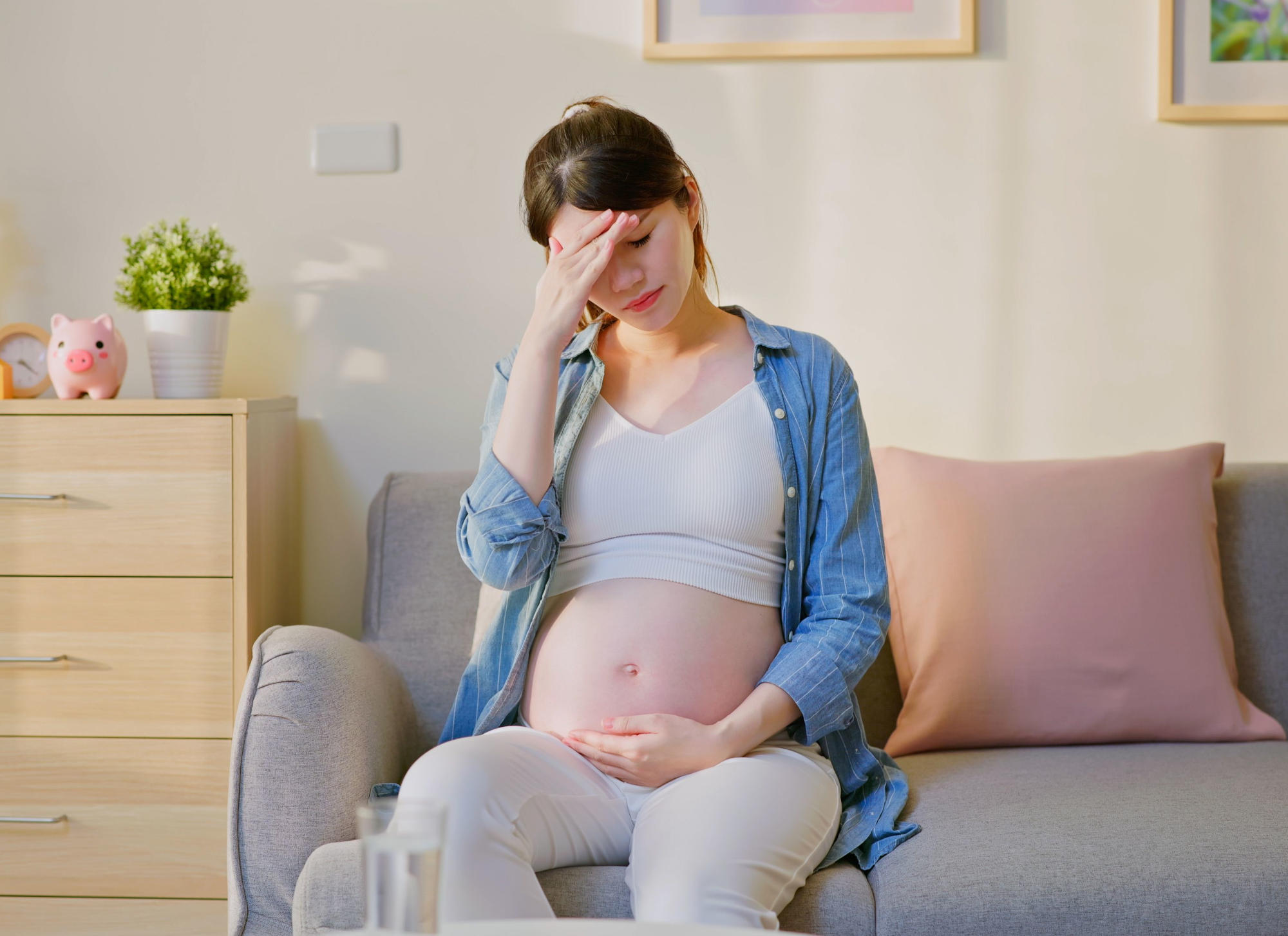
A new study suggests that sleep loss during pregnancy and the postpartum period may be an early driver of anxiety symptoms.
Lack of sleep is often treated as an unavoidable part of pregnancy and new parenthood. But what if those restless nights are doing more than leaving parents exhausted? New research suggests sleep loss may play an important role in the development of anxiety during one of the most physically and emotionally demanding periods of life.
While postpartum and perinatal depression receive much of the public attention, anxiety disorders are actually among the most common mental health challenges during pregnancy and after childbirth. Researchers at Washington University in St. Louis found evidence that disrupted sleep may be one of the earliest warning signs, potentially appearing before anxiety symptoms take hold.
Sleep and Mental Health During Pregnancy
An estimated 15% of people experience an anxiety-related disorder during pregnancy or in the postpartum period, which refers to the weeks and months after childbirth. This stage is also associated with a greater likelihood of developing symptoms linked to obsessive-compulsive disorder (OCD), including intrusive thoughts and compulsive behaviors.
To better understand how sleep fits into this picture, researchers followed about 230 women through multiple stages of pregnancy and postpartum. Their findings were recently published in the journal Sleep.
The research team, led by psychiatrist Mary Kimmel, MD, PhD, of WashU Medicine and psychologist Rebecca Cox, PhD, tracked participants during early and late pregnancy as well as during the early and later postpartum periods. Their goal was to determine whether changes in sleep were connected to changes in anxiety and OCD-related symptoms over time.
Sleep disruption is extremely common during pregnancy. Hormonal shifts, physical discomfort, frequent nighttime awakenings, and later the demands of caring for an infant can all make consistent, restorative sleep difficult to achieve. Previous studies have shown that sleep quality often deteriorates during the third trimester and reaches its lowest point shortly after childbirth.
Following the Direction of Cause and Effect
One of the biggest unanswered questions has been whether anxiety causes poor sleep or whether poor sleep helps drive anxiety.
To investigate, participants completed surveys measuring sleep habits, anxiety levels, and OCD-related beliefs. Questions explored concerns such as “worrying about the baby” and “fear of harm coming to the baby,” along with beliefs such as “harmful events will happen unless I’m very careful” and “things are not right if they’re not perfect.”
Researchers also examined a psychological factor known as coping ability. This reflects how strongly people believe they can manage challenges, adapt to changing circumstances, and maintain a sense of control when facing stress.
The results pointed consistently in one direction: less sleep was associated with rising anxiety and stronger obsessive beliefs over time.
Women who experienced more disrupted sleep tended to report higher levels of perinatal anxiety. The relationship was particularly strong among those who felt less confident in their ability to cope with life’s demands.
Why Coping Matters
Interestingly, coping ability affected the connection between sleep and anxiety, but not the connection between sleep and obsessive beliefs.
The study also found little evidence that anxiety or obsessive beliefs were driving sleep problems. Instead, the data suggest that sleep loss generally comes first, with anxiety symptoms developing afterward.
According to the researchers, shorter sleep duration emerged as a particularly strong predictor of future perinatal anxiety. In other words, changes in sleep may provide an early signal that someone is at greater risk of developing anxiety symptoms later.
As Cox summarized, “trying to prioritize mom’s sleep may have benefits for her mental health.”
Reference: “Subjective sleep disruption, coping, and anxiety and related symptoms in the perinatal period: findings from a longitudinal study” by Rebecca C Cox, Caroline P Hoyniak, Jack Samuels, Jonathan S Abramowitz, Gerald Nestadt, Eric A Storch, Rashelle Musci, Paul Nestadt, Lauren M Osborne and Mary Kimmel, 1 April 2026, Sleep.
DOI: 10.1093/sleep/zsag089
Never miss a breakthrough: Join the SciTechDaily newsletter.
Follow us on Google and Google News.