
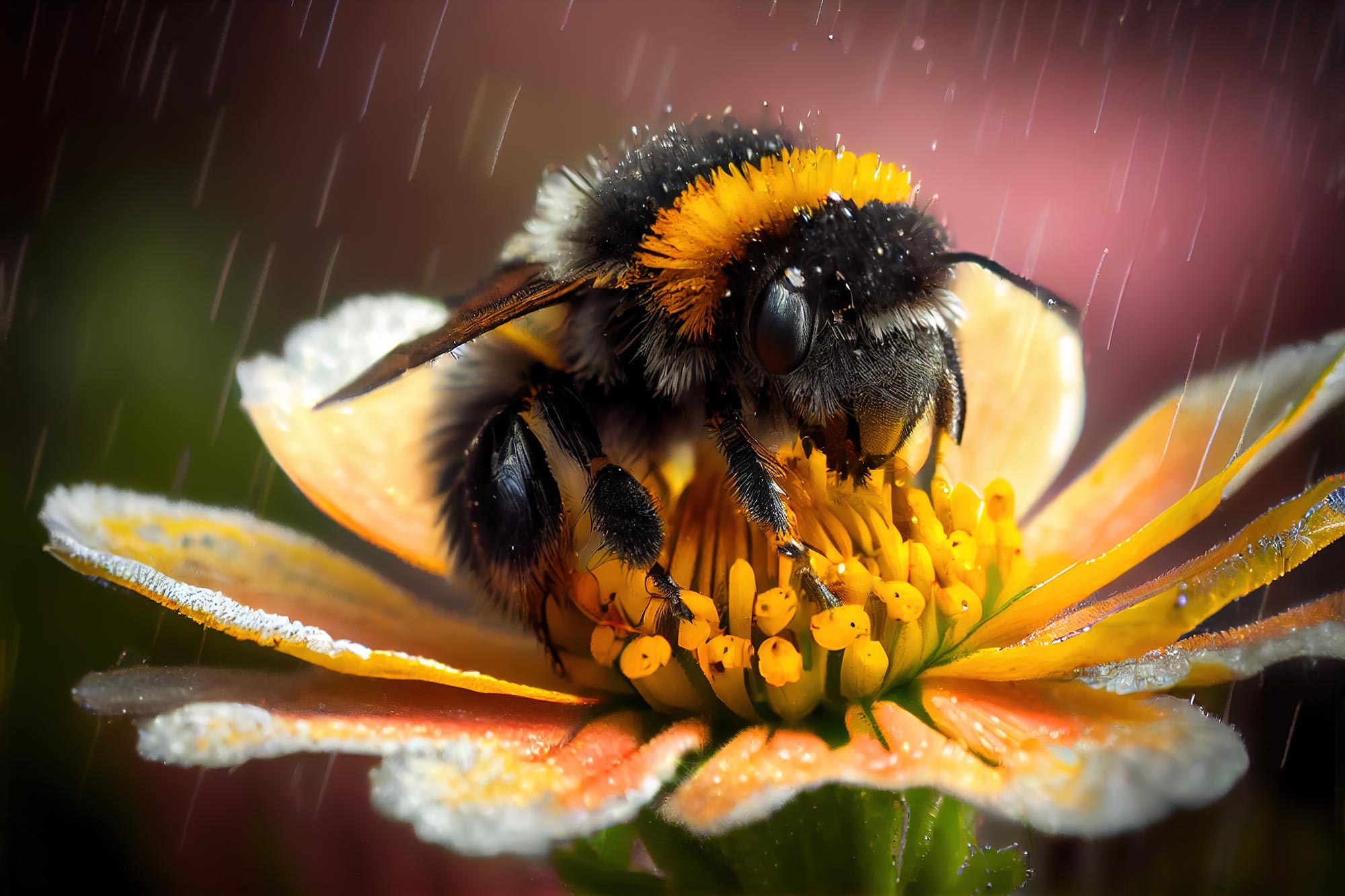
Bumblebees carried more heavy metals than honeybees sharing the same landscape, suggesting that pollution exposure can vary substantially between bee species.
Bumblebees living beside honeybee colonies in Cambridgeshire brought back pollen with far higher levels of toxic metals. For most of the metals tested, concentrations were between two and seven times those in honeybee pollen, even though both kinds of bees were foraging in the same landscapes.
The University of Cambridge researchers also found roughly three times the concentrations of heavy metals in bumblebee bodies compared with honeybee bodies. The differences suggest that honeybees, which have previously been used to assess contamination in highly polluted areas, may not reliably represent the exposure of other bee species.
The team from Cambridge’s Department of Zoology worked at apiaries, places where bee colonies are kept, in an area with typically low soil metal contamination. They used pollen traps to collect samples and measured arsenic, cadmium, chromium, cobalt, lead, and tin in both the pollen and adult bees’ bodies. The findings were published in Ecological Entomology, a journal of the Royal Entomological Society.
Low metal levels can harm bees
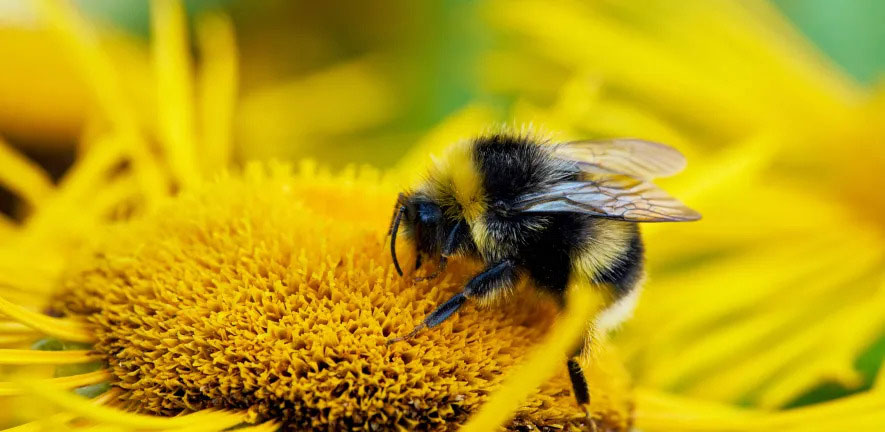
Professor Lynn Dicks, the study’s senior author from Cambridge’s Department of Zoology, said: “Even in areas that we usually consider safe or lower risk for heavy metals – typically rural areas, away from industrial or mining areas – bees can pick up toxic metals. Bumblebee colonies tend to have fewer workers available to perform tasks, so the loss of individuals can have a big impact on overall colony function.”
A bumblebee colony typically contains just 50 to 500 individuals, compared with 30,000 to 60,000 in a honeybee colony. Metal exposure can also cause problems that fall short of killing bees. Certain metals can impair learning and memory even at low concentrations, potentially making it harder for bees to navigate and gather food efficiently. Exposure has also been linked to fewer offspring and disrupted development of young bees.
Dr. Sarah Scott, who carried out the research at Cambridge and is now based at Newcastle University, said: “Most metal levels we found were not high enough to kill bees, but even low levels can still harm bee health and colony success in subtle but important ways, such as affecting their ability to forage and reproduce.”
Different flowers, different metal exposure
The unequal accumulation likely reflects a combination of foraging behavior and differences in the bees’ biology. Although neighboring colonies have access to the same landscape, their workers do not necessarily use it in the same way. Honeybees can travel up to 10 kilometers, about 6.2 miles, from their colony to forage. Their greater numbers and wider range give them more opportunities to avoid heavily contaminated patches. Bumblebees typically stay within 1.5 kilometers, about 0.9 miles, of their nest, leaving them more dependent on local conditions.
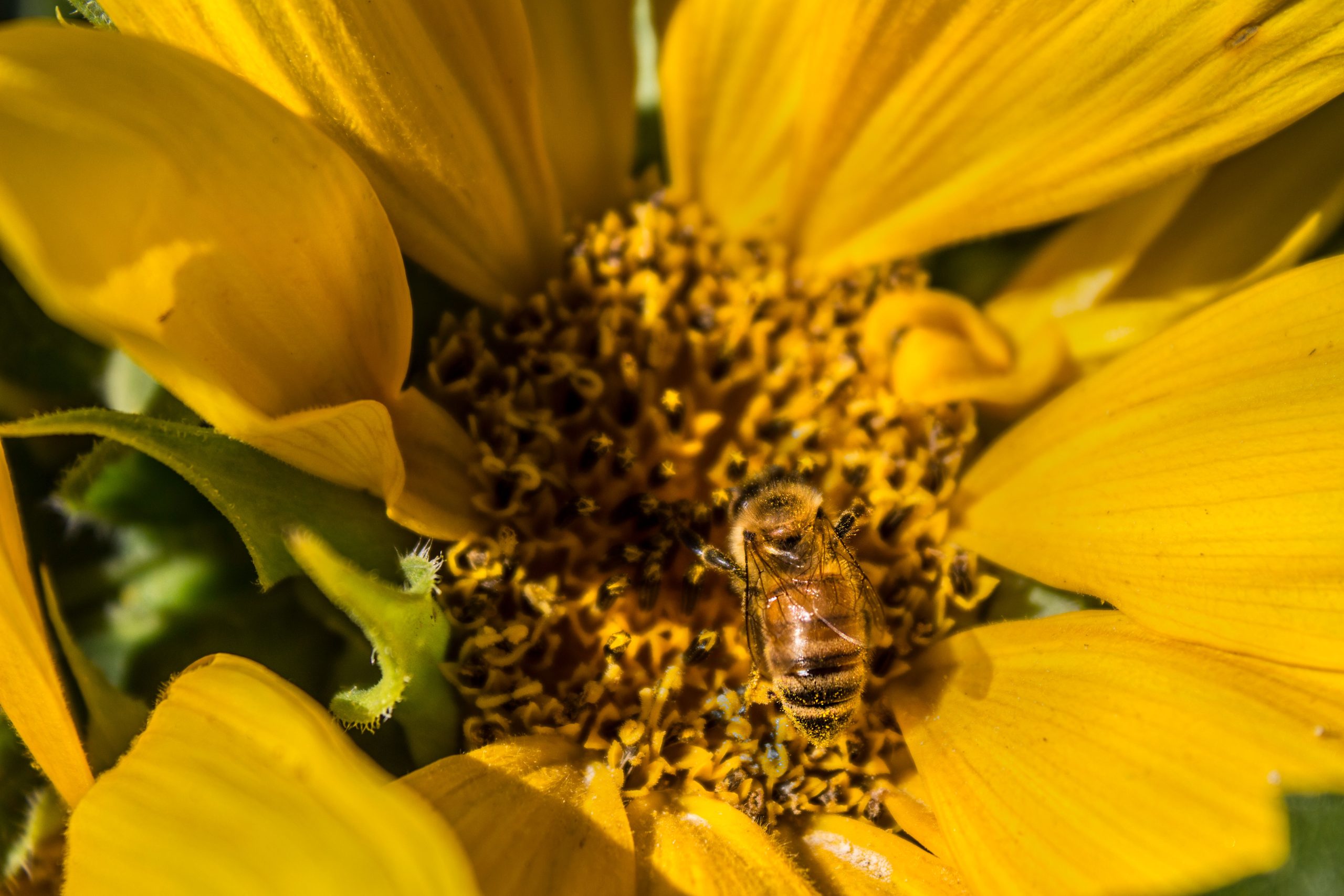
Their flower choices matter, too, because some plants absorb more metals than others. Bees choose flowers partly according to their nutritional needs, body size, tongue length, and foraging habits. Honeybees gather large amounts of pollen from many kinds of flowers, which may dilute contamination from any particular source. Bumblebees collect smaller amounts from fewer sources, making their exposure more dependent on whether those plants are contaminated.
Pollution reaches beyond industrial areas
Pollution can reach these feeding grounds even when they are far from an obvious source. Metals are generally concentrated around industrial centers, mining areas, towns, and cities, but they can travel through the air or enter rural environments through sewage sludge, agrochemicals, and fertilizers. Bees can then encounter them in contaminated soil, dust, and pollen.
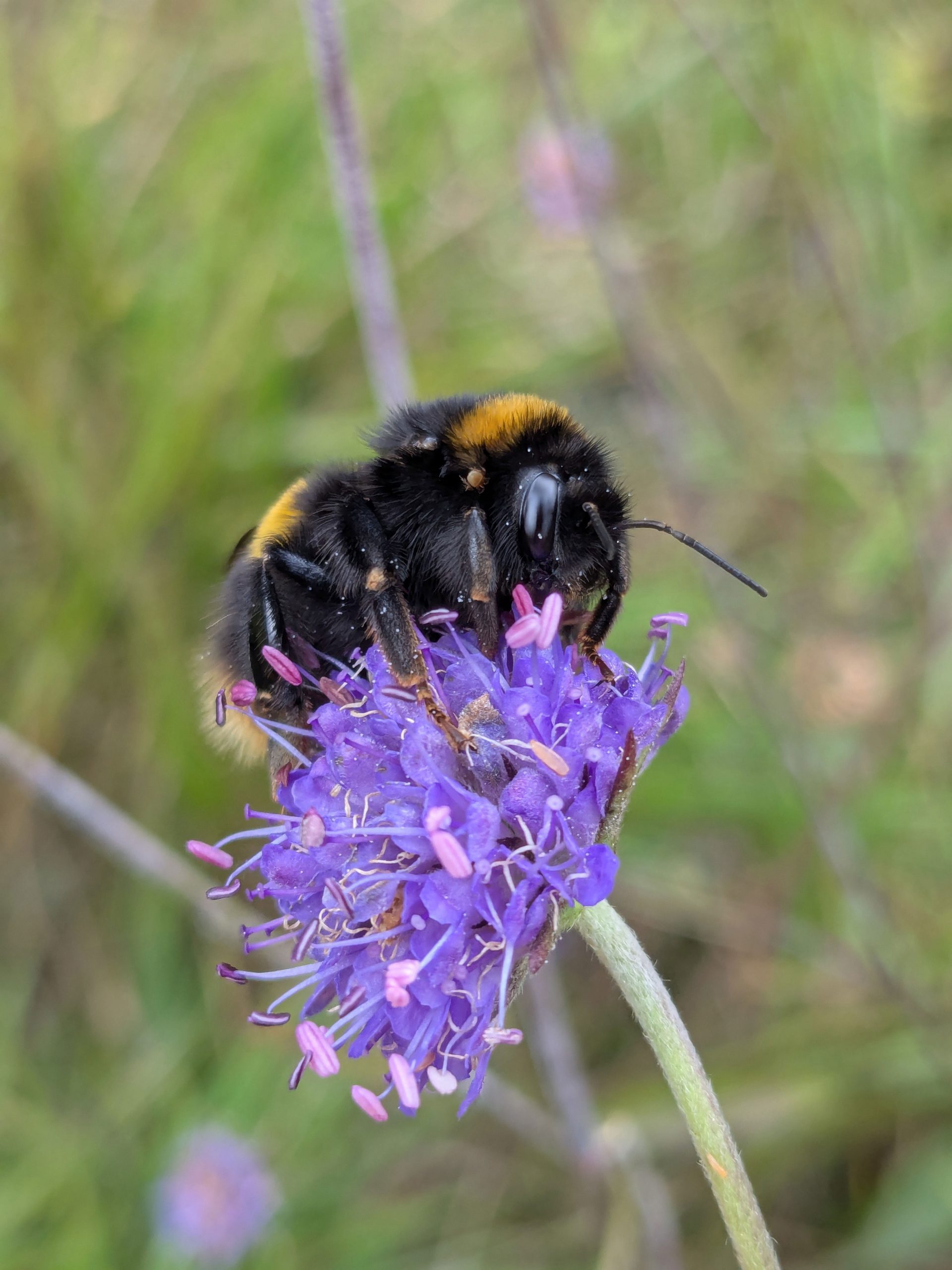
The two kinds of bees also differ in where they nest and how readily particles cling to them. Honeybees occupy above-ground cavities, including hollow trees and managed hives, while bumblebees nest underground, in soil or leaf litter. Bumblebees are hairier, making them more likely to pick up dust and tiny airborne particles containing metals. Those particles can remain on their bodies and become mixed into the pollen they carry home.
For people deciding what to plant, the possibility of contamination does not remove bees’ need for flowers.
Dr. Scott added: “Bees play a critical role in both biodiversity and food security, so we’d still encourage people to plant flowers to help them, even if you live in an area more likely to be contaminated. At the end of the day, bees still need food. Even if it carries traces of heavy metals, having some food is better than having no food.”
Reference: “Eusocial bee species are exposed to different toxic element profiles despite foraging within the same landscape” by Sarah B. Scott, Nynke Blömer and Lynn V. Dicks, 16 June 2026, Ecological Entomology.
DOI: 10.1111/een.70108
The research was funded by the Royal Society.
Never miss a breakthrough: Join the SciTechDaily newsletter.
Follow us on Google and Google News.