

The drug is the first and only treatment that can change the course of this rare neurological disease.
For decades, patients diagnosed with Alexander disease had no options beyond managing their symptoms. The ultra-rare, progressive, and often fatal neurological disorder affects fewer than one in a million people worldwide. It affects motor and cognitive abilities, along with automatic bodily functions such as heart rate and breathing.
Symptoms can include seizures, loss of developmental skills, mobility challenges, eating and speaking difficulties, and increased pressure in the brain.
Now, the Food and Drug Administration has approved Zanvastro, the first drug that directly targets the underlying disease process.
During clinical trials, patients taking Zanvastro for just over a year had significantly better walking speeds than untreated patients. Motor function stabilized, and in some cases, it improved. The newly approved drug is administered by a trained healthcare professional as an injection into the spinal canal every three months. It will be available in the United States in the coming weeks, while use in other countries will occur through a licensing agreement between its developer, Ionis Pharmaceuticals, and the Italian pharmaceutical company Recordati.
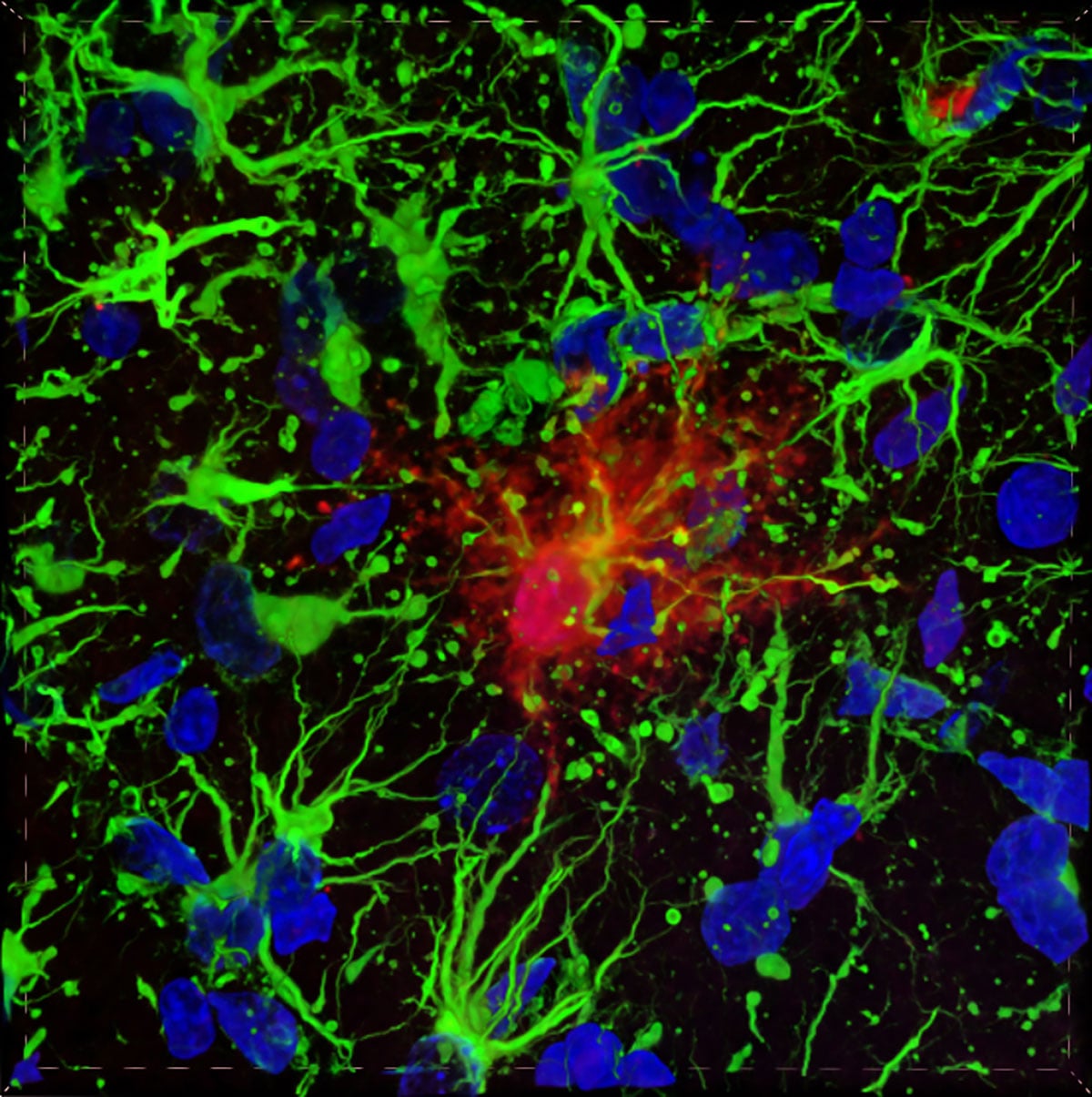
Ionis began the human trial in the summer of 2021, evaluating the treatment’s efficacy and safety in 54 patients at 13 sites worldwide. The FDA approval covers patients from infancy through adulthood. Alexander disease can first appear at any point across that age range, with symptoms that vary depending on when it begins.

“This is a wonderful and long-awaited day for the Alexander disease community,” says Albee Messing, professor emeritus of comparative biosciences at the University of Wisconsin–Madison and former director of its Waisman Center.
An accidental model of Alexander disease
The path to Zanvastro began more than 30 years ago in Messing’s laboratory at the university’s School of Veterinary Medicine and Waisman Center. Working with Michael Brenner, now professor emeritus of neurobiology at the University of Alabama at Birmingham, Messing engineered mice to overexpress the gene that makes glial fibrillary acidic protein, or GFAP.
The mice developed protein clumps throughout their brains, concentrated in astrocytes, cells that help support nerve cells. These GFAP deposits, called Rosenthal fibers, are a classic feature of Alexander disease, giving the researchers an unexpected connection between their experiment and the human disorder.
“We had, really without intending to, created a mouse that produced these classic lesions of Alexander disease,” Messing says.
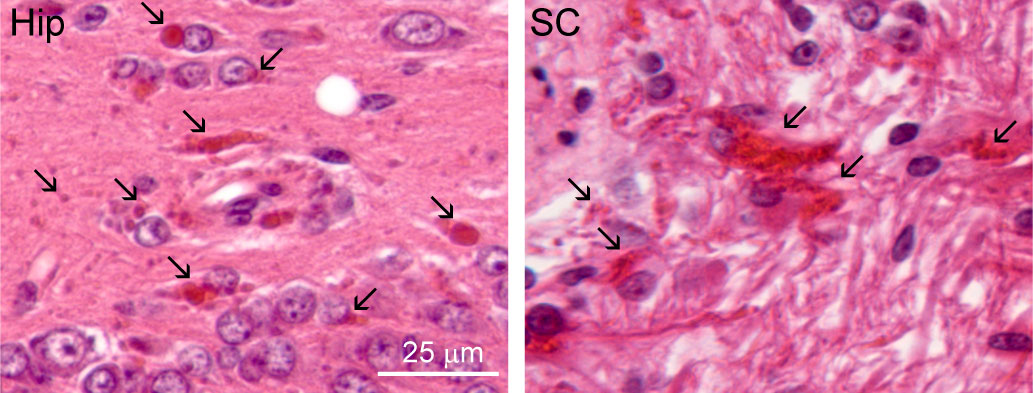
Genetic analysis of people with Alexander disease confirmed that mutations in the GFAP gene were the root cause, a discovery Messing and Brenner made in the late 1990s. Identifying those mutations allowed doctors to diagnose the disease through blood tests instead of invasive brain biopsies. It also pointed the researchers toward a treatment that could reduce the protein’s harmful accumulation.
“This provided an obvious and specific strategy for therapy — the GFAP protein,” Messing explains.
Reducing GFAP buildup at its source
To test that approach, Messing and Tracy Hagemann, an associate research professor at the Waisman Center, developed improved rodent models of Alexander disease. Their search focused on finding a drug that could lower GFAP levels, leading to a collaboration with Ionis to develop antisense oligonucleotides, or ASOs. These small pieces of DNA can suppress production of a targeted protein.
Zanvastro uses this approach to reduce GFAP production before the protein can accumulate and cause further damage. Positive results from ASO treatment in rodents led to the human trial and, ultimately, the approval of the first and only disease-modifying treatment for Alexander disease.
“The whole program of research would not have been possible without the support and participation from the patient and family community, to whom we will always be grateful,” Messing says.
Never miss a breakthrough: Join the SciTechDaily newsletter.
Follow us on Google and Google News.