

Close Menu
    Facebook X (Twitter) Instagram
    SciTechDaily
    • Biology
    • Chemistry
    • Earth
    • Health
    • Physics
    • Science
    • Space
    • Technology
    Facebook X (Twitter) Pinterest YouTube RSS
    SciTechDaily
    Home»Health»A Drug Made People Burn More Calories – Scientists Aren’t Sure How
    Health

    A Drug Made People Burn More Calories – Scientists Aren’t Sure How

    By Angelika Jacobs, University of BaselSeptember 29, 2026No Comments4 Mins Read
    Facebook Twitter Pinterest Telegram LinkedIn WhatsApp Email Reddit
    Share
    Facebook Twitter LinkedIn Pinterest Telegram Email Reddit
    Luminous Human Energy Boost Intelligence Consciousness
    A drug designed to mimic some of the metabolic effects of cold increased calorie burning in a small human study, but not in the way researchers expected. Credit: Shutterstock

    In a small study, a drug increased calorie burning without clearly switching on brown fat, the heat-producing tissue scientists hope to harness to help people lose weight.

    Brown fat burns energy to keep us warm, and researchers hope a drug could put that ability to work against obesity. In a small human study, the drug fenoterol increased the body’s energy use without clearly activating brown fat, leaving researchers unsure where the extra energy was being spent.

    The prospect of increasing energy expenditure is appealing because the body often responds to weight loss by using less energy. Current weight loss drugs reduce appetite, addressing the other side of that balance.

    “Ideally, we could combine a reduction in appetite with an increase in energy expenditure,” says Professor Matthias Betz of the University of Basel and University Hospital Basel. “But first we need a better understanding of how brown adipose tissue is regulated.”
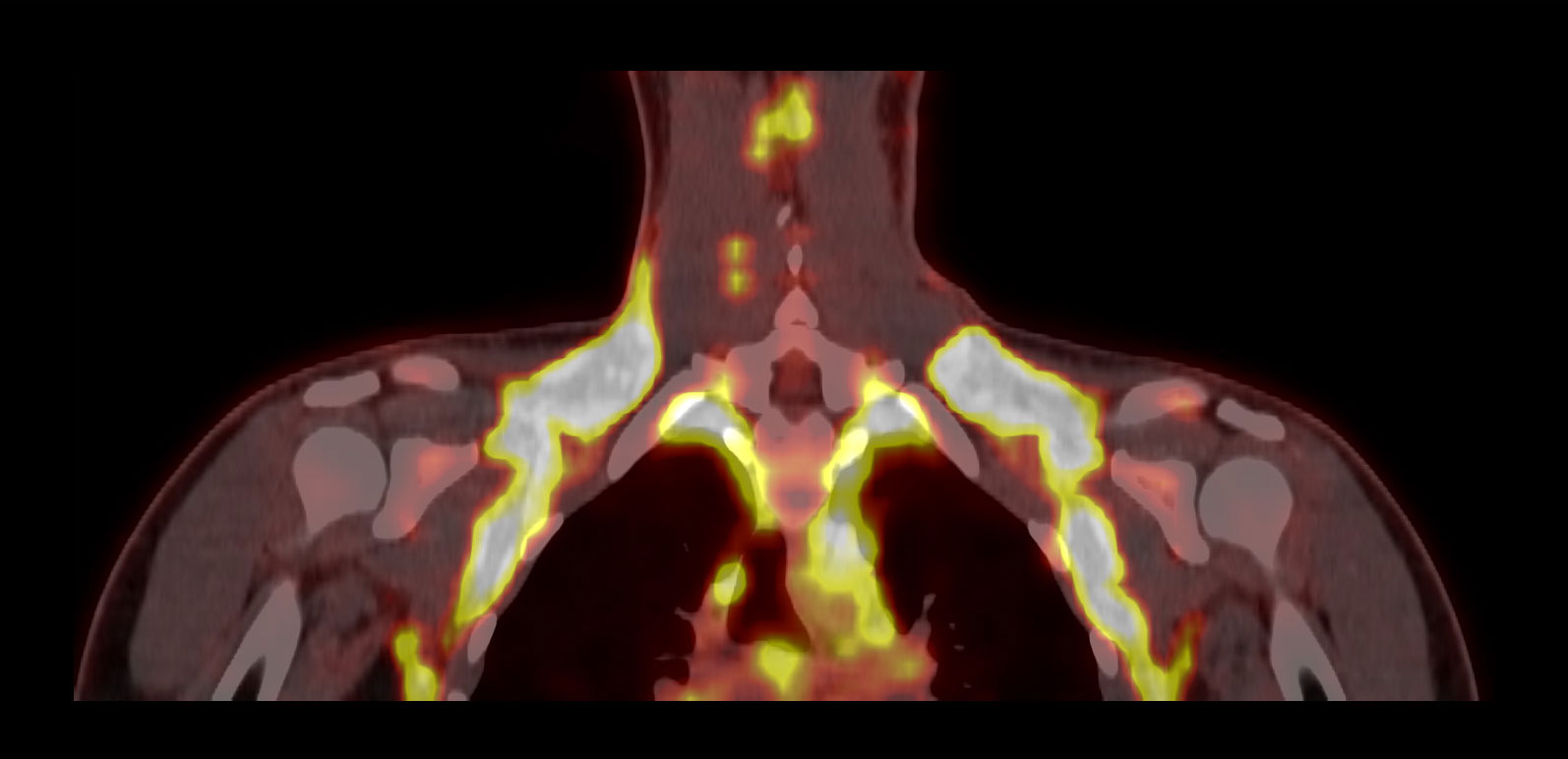
    FDG PET CT Scan Showing Active Brown Fat
    Cold activates brown adipose tissue and increases energy expenditure. The bright areas in the FDG-PET/CT scan show where the tissue takes up particularly large amounts of glucose. Credit: Matthias Betz

    Only cold clearly activates brown fat

    Brown adipose tissue, another name for brown fat, naturally becomes active in response to cold. People with active brown fat also tend to be leaner and have a more favorable metabolic profile. Those observations have encouraged researchers to look for medicines that could reproduce the effect of cold.

    Betz and his colleagues investigated whether they could achieve that effect by stimulating beta2 adrenergic receptors, proteins that receive signals in cells. Fenoterol stimulates these receptors, allowing the team to test whether this particular signaling route could activate human brown fat. The findings were published in Cell Metabolism.
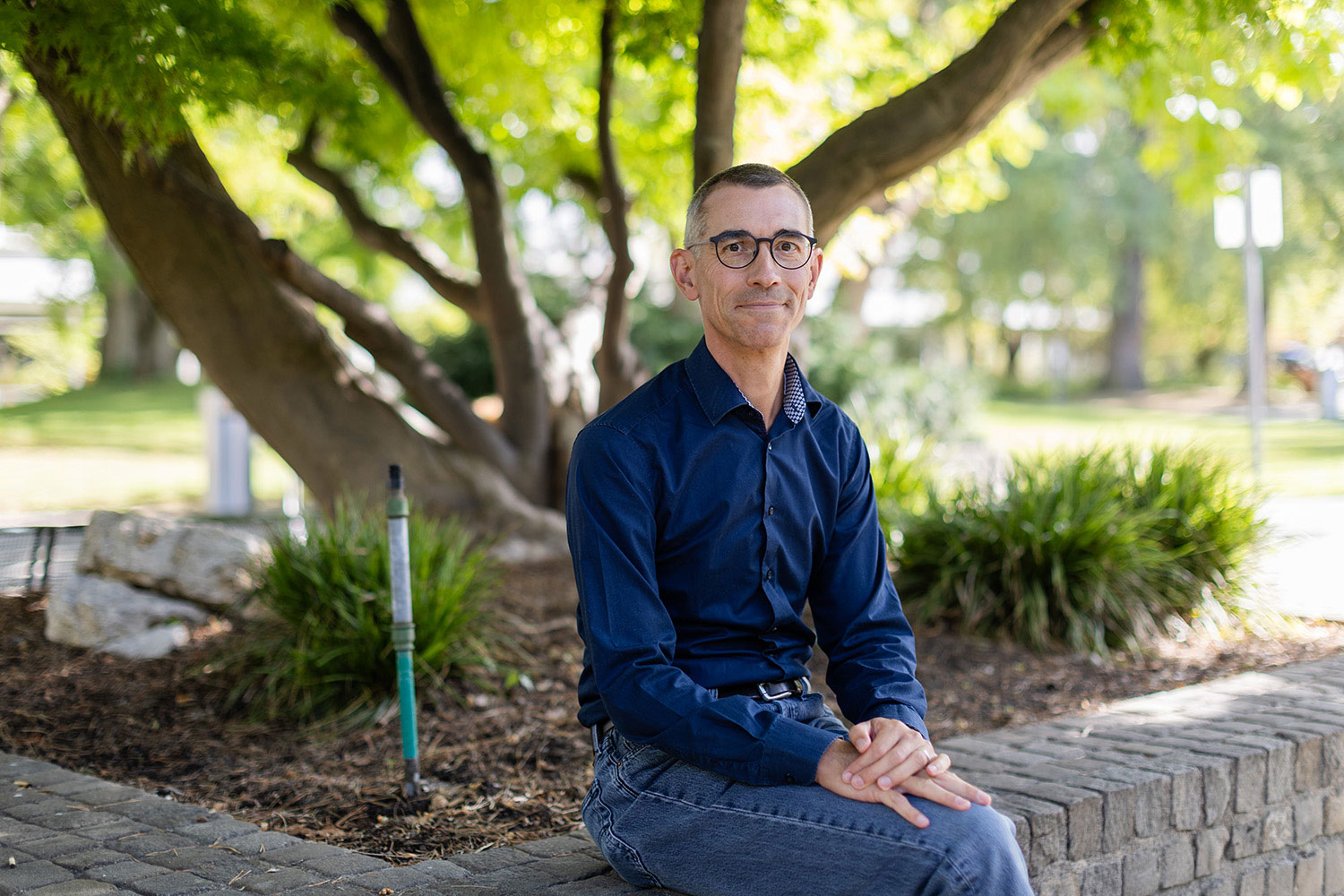
    Matthias Betz
    Prof. Dr. Matthias Betz leads a research group at the Department of Clinical Research at the University of Basel and is a senior physician in endocrinology and diabetology at University Hospital Basel. By closely linking academic research and clinical practice, his team studies fundamental questions about metabolism that could point to new therapeutic approaches. Credit: Eleni Kougionis, University of Basel

    Eleven healthy volunteers underwent both mild cold exposure and treatment with fenoterol. The researchers measured how much energy their bodies used and assessed brown fat activity with PET/CT scans. Both interventions increased energy expenditure, but only cold clearly activated brown fat. After cold exposure, the tissue took up substantially more glucose, a sugar it can use for fuel, than it did after fenoterol treatment.

    “We were surprised that energy expenditure increased strongly with fenoterol even though we could not detect a comparable activation of brown fat,” says Betz. “Our study shows that an increase in energy expenditure does not automatically mean that brown fat has been activated.”

    Other tissues may explain fenoterol’s effect

    The additional energy consumption triggered by fenoterol may instead involve skeletal muscle or white fat, which mainly stores energy. The study did not establish which tissues or processes were responsible.

    Analyses of human tissue also suggest that fully activating brown fat may require several receptors or biological signals to work together. That possibility makes stimulating a single receptor a less straightforward route to a treatment than researchers had hoped.

    Reference: “Beta2-adrenergic stimulation by fenoterol increases energy expenditure without activating human brown adipose tissue” by Laila Maria Füchtbauer, Jaël Rut Senn, Carole Stéphanie Baumann, Anninja Lea Isenrich, Taylah Lea Gaynor, Rahel Schläfli, Anand Kumar Sharma, Carla Horvath, Claudia Irene Maushart, Adhideb Ghosh, Kirsi A. Virtanen, Tobias Fromme, Alin Chirindel, Damian Wild, Søren Nielsen, Christian Wolfrum and Matthias Johannes Betz, 12 August 2026, Cell Metabolism.
    DOI: 10.1016/j.cmet.2026.07.012

    Never miss a breakthrough: Join the SciTechDaily newsletter.
    Follow us on Google and Google News.

    Brown Fat Endocrinology Metabolism Obesity University of Basel Weight Loss
    Share. Facebook Twitter Pinterest LinkedIn Email Reddit

    Related Articles

    Scientists Discover Protein That Turns Brown Fat Into a Calorie-Burning Machine

    New Brown Fat Pathway Could Make Weight Loss Easier To Maintain

    Doctors Tested 3 Diets – Only One Stood Out for Beating Diabetes

    Cruel Twist: Exercise Reduces Calories Burned at Rest in People With Obesity

    A New Approach for Treating Obesity: Boosting Body Heat Production

    Researchers Find Belly Fat Is Resistant to Intermittent Fasting – “The Location Makes a Big Difference”

    Potential Treatment for Obesity Discovered: Drug Prevents Weight Gain and Reduces Blood Sugar

    Burn Twice as Many Calories: Eat a Big Breakfast Rather Than a Large Dinner

    Compound Found Only in Avocados May Help Manage Obesity, Prevent Diabetes

    Leave A Reply Cancel Reply

    • Facebook
    • Twitter
    • Pinterest
    • YouTube

    Don't Miss a Discovery

    Subscribe for the Latest in Science & Tech!

    Trending News

    Losing the Same Weight Didn’t Produce the Same Health Benefits

    Feeling Lonely Could Take Nearly 6 Years From Your Healthy Lifespan

    3-Million-Year-Old Bones Reveal an Unexpected Chapter in Human Evolution

    The Disconnection of the Large Hadron Collider Has Begun

    Scientists Discover a New Potential Treatment Target for High Blood Pressure

    Researchers Find Creatine’s Benefits Extend Far Beyond the Gym

    Fossilized Vomit Reveals a Surprising Secret About Plesiosaur Behavior

    Scientists Put Anti-Aging Treatments to the Test – These Ones Actually Changed Biological Age

    Follow SciTechDaily
    • Facebook
    • Twitter
    • YouTube
    • Pinterest
    • Newsletter
    • RSS
    SciTech News
    • Biology News
    • Chemistry News
    • Earth News
    • Health News
    • Physics News
    • Science News
    • Space News
    • Technology News
    Recent Posts
    • A Drug Made People Burn More Calories – Scientists Aren’t Sure How
    • Scientists Discover Striking Orange Killifish in the Amazon’s Threatened Forest Pools
    • A Fossil Misidentified for Decades Turns Out To Be a 309-Million-Year-Old Species
    • “Crawzilla” – Scientists Just Found North America’s Biggest Known Crayfish
    • Scientists Identify a Potential New Alzheimer’s Disease Marker
    Copyright © 1998 - 2026 SciTechDaily. All Rights Reserved.
    • Science News
    • About
    • Contact
    • Editorial Board
    • Privacy Policy
    • Terms of Use

    Type above and press Enter to search. Press Esc to cancel.