
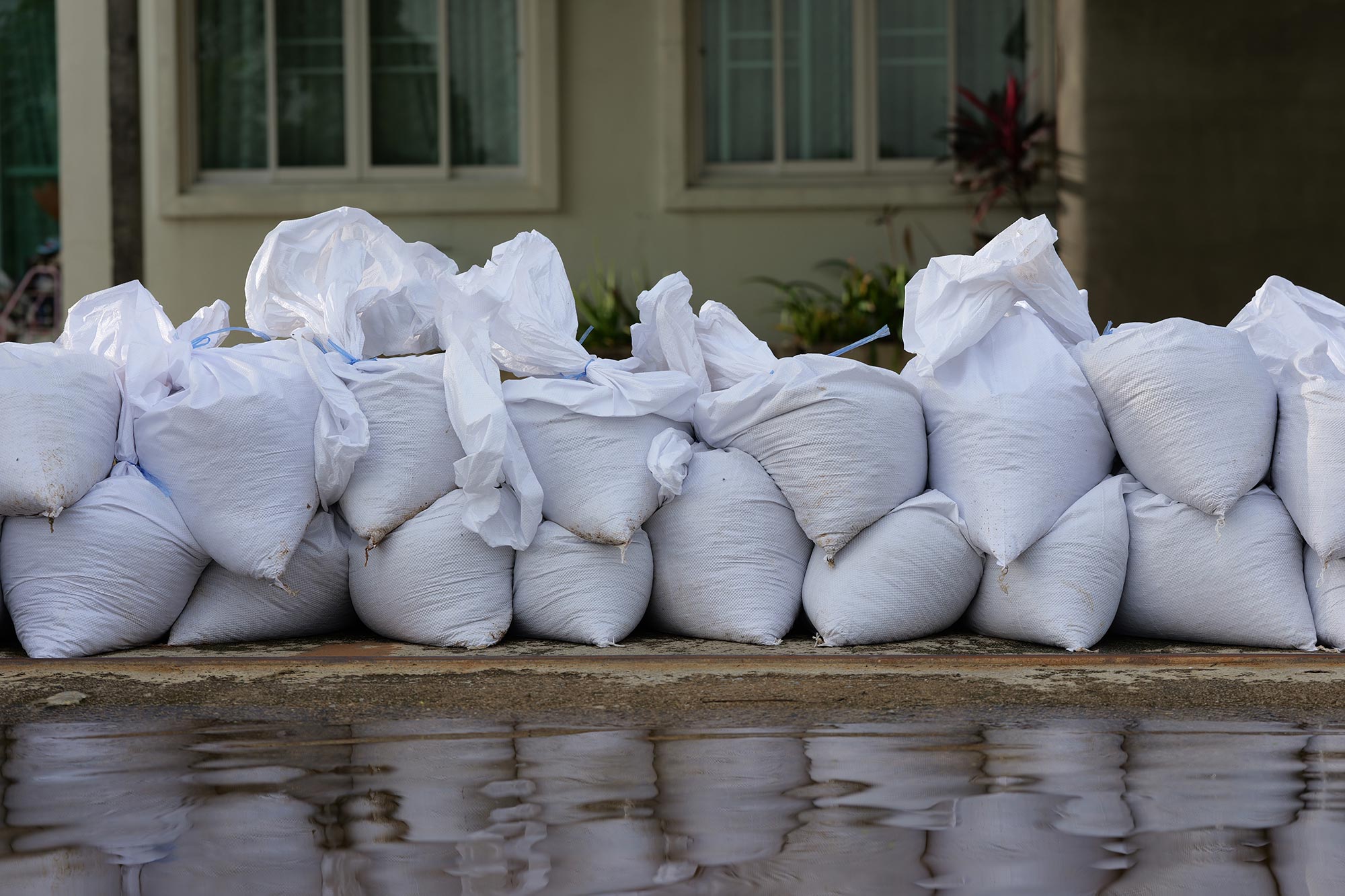
Stacking heavy sandbags against a doorway is a familiar response to flooding, but laboratory tests suggest sealing the gaps with ordinary duct tape could keep more water out.
Could a cheap roll of duct tape help protect your home from flooding? New research suggests it could make a surprisingly big difference.
In controlled tests, correctly applied duct tape on the outside of a household door reduced water leakage by 97-98%. The findings suggest that a simple low-cost measure could substantially reduce the amount of water entering a home during a flood. This is important as one of the key lessons from flood resilience research is that the best time to protect a property is before floodwater arrives.
The UK government’s 2025 FloodReady Review called for practical, affordable measures that help households understand their risks and to prepare for flooding. And one potential contribution to this agenda might sound unlikely, at first glance.
Duct tape is more commonly associated with household repairs than flood protection. However, tests colleagues and I conducted at the University of Hull demonstrated how much water can enter a property through an unprotected doorway during a flood.
Inside our laboratory, we tested modern wooden, uPVC, and composite household doors, installed by trade professionals. We captured any water that leaked through the door in a sealed enclosure behind the door, as we increased water depth in 5 cm increments to a maximum depth of 60 cm. We pumped out any water that leaked through the door and continuously measured the rate of water leakage to evaluate the performance of doors and different types of protection applied to them.

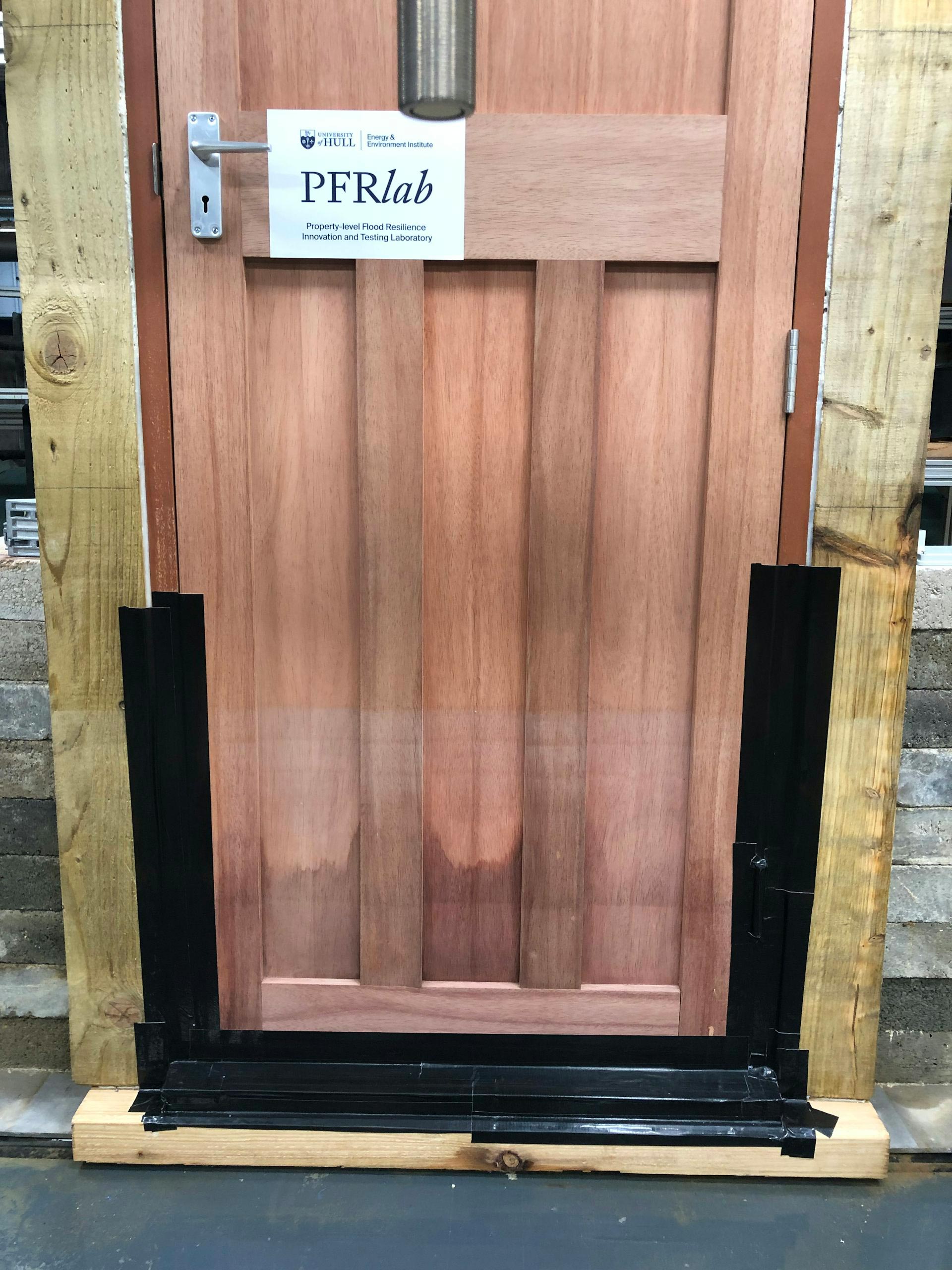
When testing sandbags, we stacked 54 sandbags with plastic sheeting between the door and the sandbags. For tape, the same person applied the tape for all tests to minimize any bias. It took about 10-20 minutes to apply the tape to each door.
For unprotected doors, leakage often reached thousands of liters per hour at 60 cm water depth. Applying duct tape across the external door reduced that leakage by 97-98%. Specialist sealing tapes achieved even greater reductions.
Duct tape v sandbags
For decades, sandbags have been portrayed as the go-to emergency response to flooding. But sandbags have practical limitations. They are heavy to transport, labor-intensive to deploy, and difficult to dispose of after contact with contaminated floodwater. And of course people don’t keep a supply of sandbags ready to deploy.
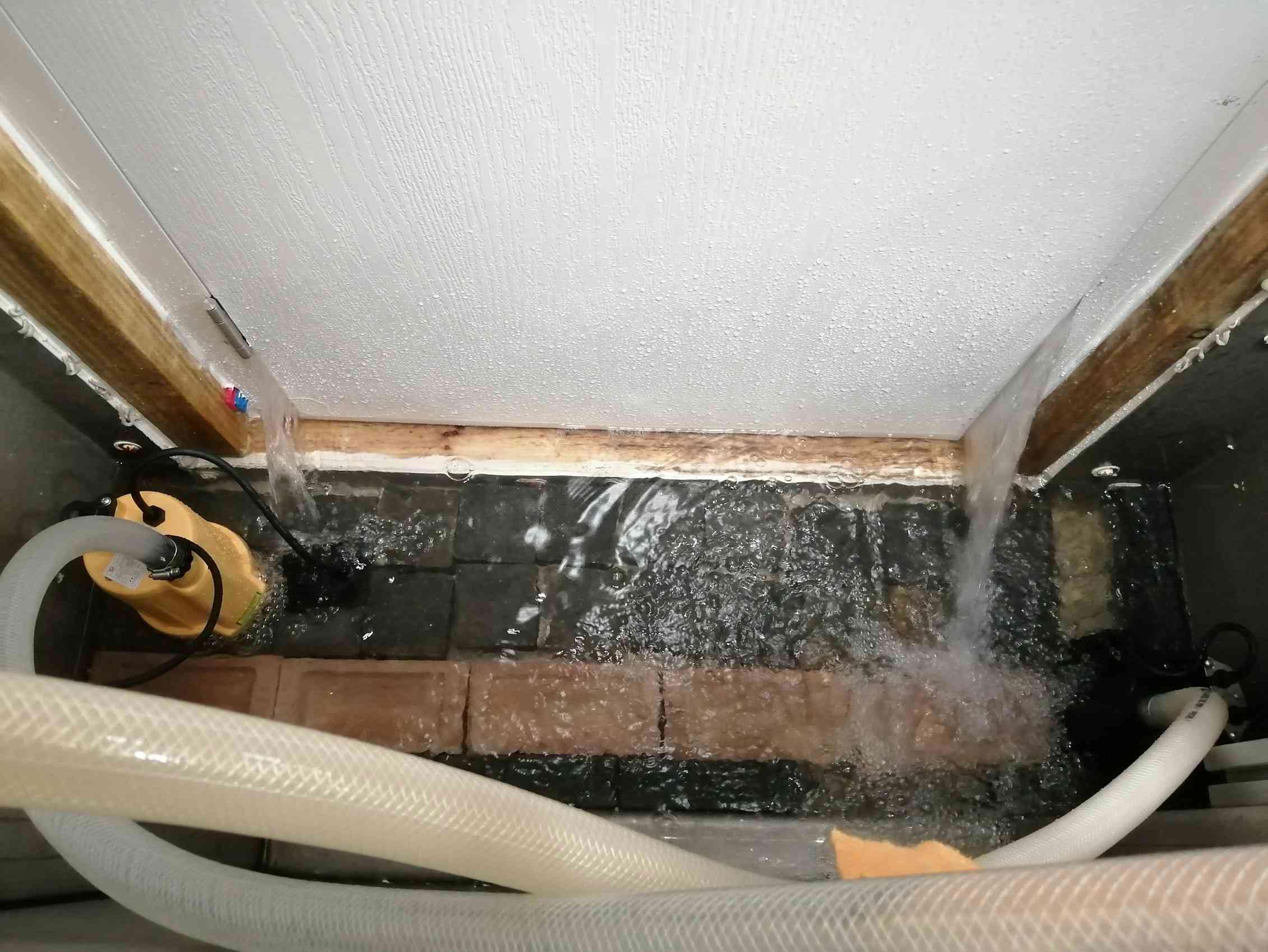
In our tests, sandbags provided less effective protection against leakage through tested doorways compared to the tape-based sealing methods. Their performance varied with water depth and at their most effective, only reduced leakage by 70% compared to an unprotected door at the same water depth.
The cost difference is striking. A household may already have duct tape or be able to purchase a roll for £10 or less, while finding and deploying sandbags involves significant additional costs, transport, and effort.
Duct tape is not a substitute for professionally designed flood doors, barriers, or a property-specific flood resilience plan. It is a temporary measure that may reduce water entering through particular gaps; it cannot guarantee a dry home or prevent water entering through other routes, including walls, floors, and drains.
Its effectiveness will depend on the condition of the door and frame, the surfaces to which the tape is applied, the quality of the seal, and flood conditions. For properties at significant flood risk, professionally assessed protection remains important. For others, low-cost temporary measures could provide an additional layer of protection, though they cannot guarantee a property will remain dry.
Resilient households think ahead. They know whether they are at risk, sign up for flood warnings, and have a plan for protecting valuables, moving vehicles, and shutting off utilities if necessary. Adding duct tape to an emergency flood kit can be another small step in that process.
The wider lesson is that flood resilience does not have to start with a major investment. A £10 roll of duct tape cannot stop a flood. But our research suggests it could help keep out some of the water entering through a doorway. And that makes it a useful part of a wider plan to be prepared before the water arrives.
Adapted from an article originally published in The Conversation.
Never miss a breakthrough: Join the SciTechDaily newsletter.
Follow us on Google and Google News.