
Close Menu
    Facebook X (Twitter) Instagram
    SciTechDaily
    • Biology
    • Chemistry
    • Earth
    • Health
    • Physics
    • Science
    • Space
    • Technology
    Facebook X (Twitter) Pinterest YouTube RSS
    SciTechDaily
    Home»Technology»Bio-Inspired “Antifreeze” Formula Provides More Durable Concrete
    Technology

    Bio-Inspired “Antifreeze” Formula Provides More Durable Concrete

    By Cell PressMay 28, 2020No Comments4 Mins Read
    Facebook Twitter Pinterest Telegram LinkedIn WhatsApp Email Reddit
    Share
    Facebook Twitter LinkedIn Pinterest Telegram Email Reddit
    Lemon Ice
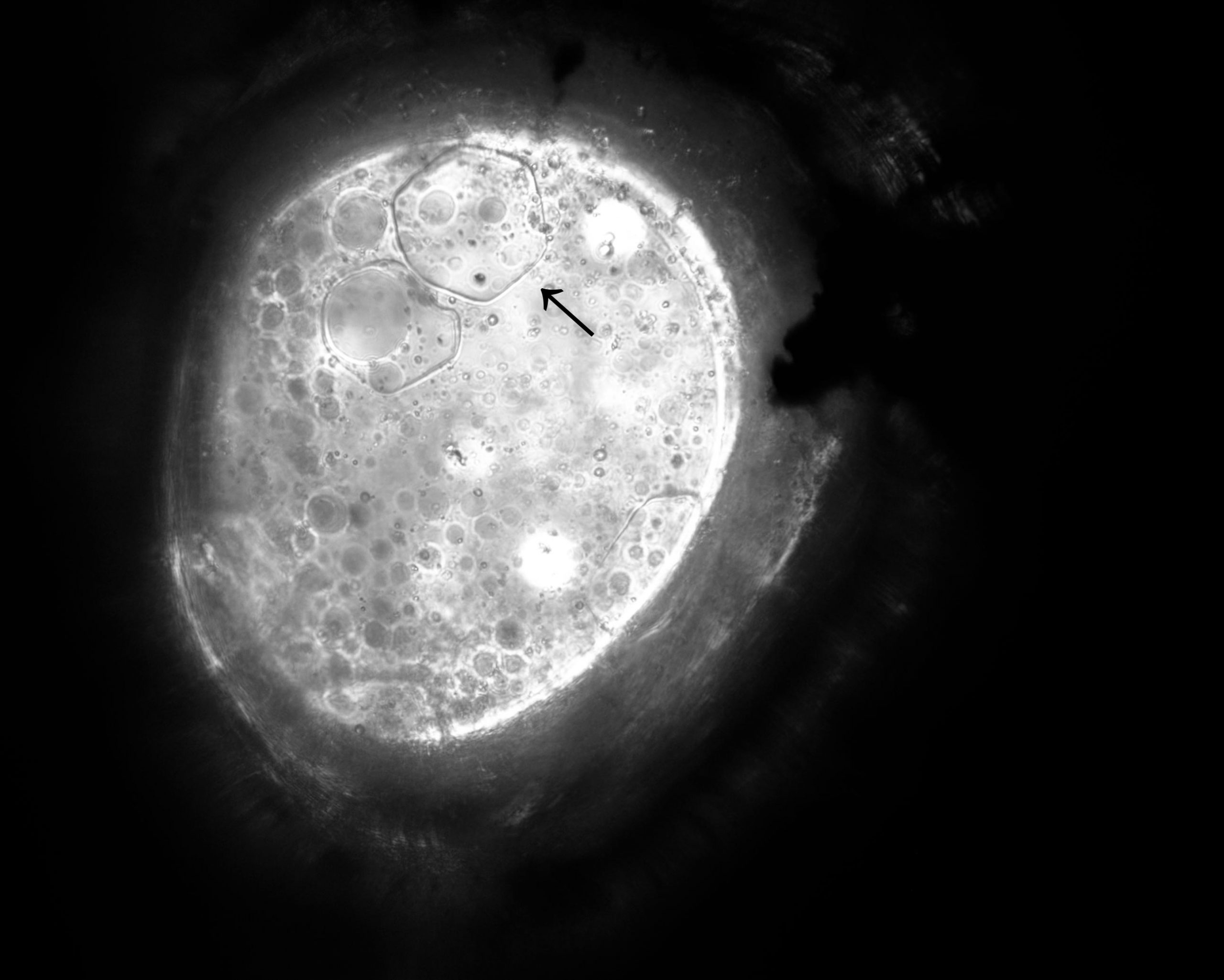
    This image shows how ice crystals that bind with the polymer molecules experience dynamic ice shaping, changing from a sphere to a rounded hexagon, which the researchers call ‘lemon ice’. Credit: Living Materials Laboratory, University of Colorado Boulder

    Concrete is one of the most abundant and durable building materials used in modern-day infrastructures, but it has a weakness–ice–which can cause it to crumble and spall. Now, inspired by organisms that survive in sub-zero environments, researchers in Colorado are introducing polymer molecules with anti-freezing abilities into concrete. The method, which tests if the new concrete can stop the damage caused by freezing and thawing, appears in the journal Cell Reports Physical Science on May 27, 2020.

    Concrete is a porous material with capillary pores that allow water to permeate into the material. For places that experience large temperature swings, concrete roads and buildings go through “freeze-thaw cycles.” The water freezes and expands inside of the material, building up pressure as the ice crystals grow, eventually popping the surface of the concrete off. The polyethylene glycol-graft-polyvinyl alcohol (PEG-PVA) molecules that the researchers have identified appear to keep the ice crystals small and prevent them from coalescing into larger crystals.
    Concrete With Biomimetic Antifreeze Polymer
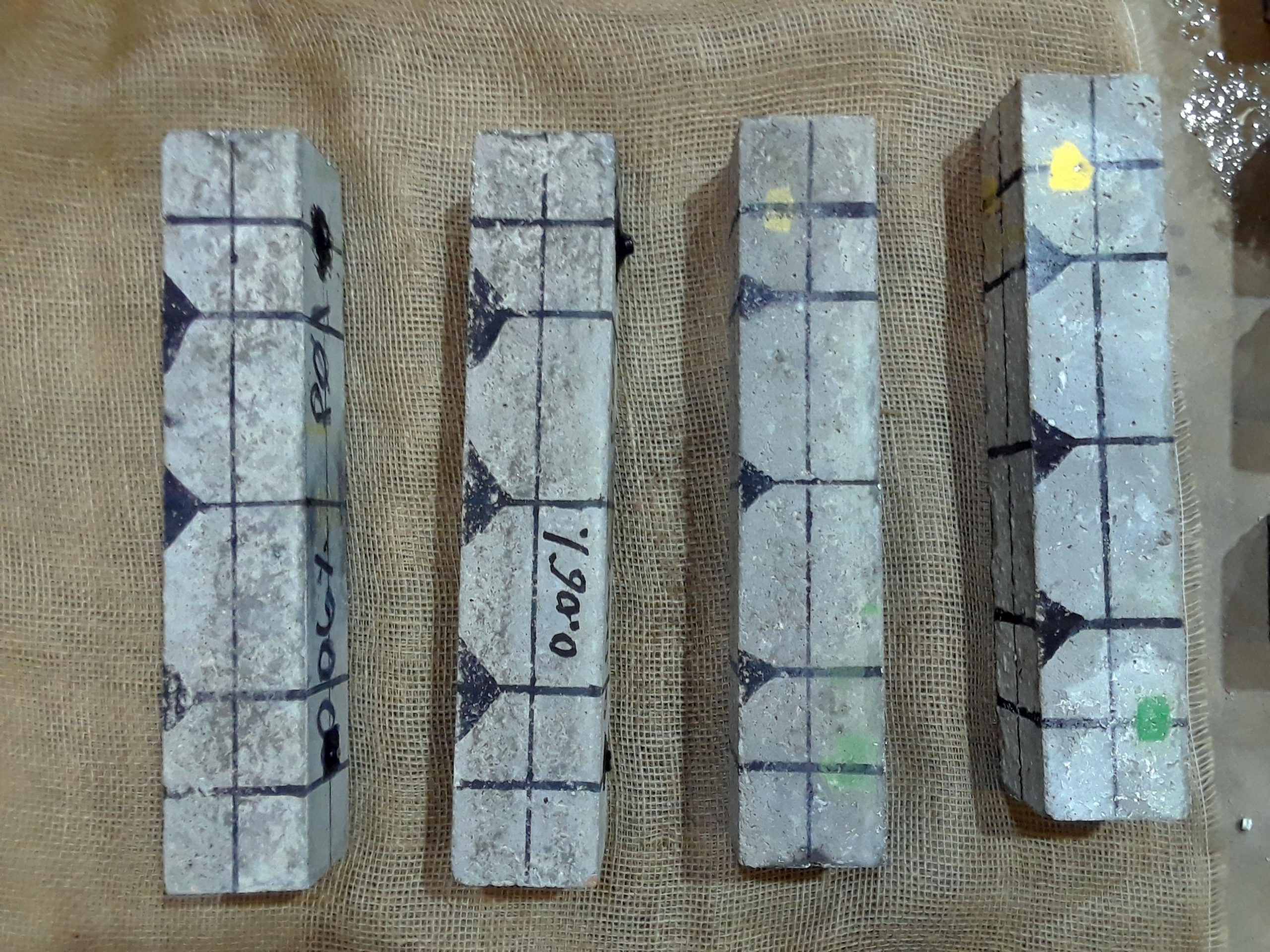
    This image shows how concretes with biomimetic antifreeze polymer post-freeze-thaw show no signs of spalling. Credit: Living Materials Laboratory, University of Colorado Boulder

    “We’re particularly excited because this represents a departure away from more than 70 years of conventional concrete technology,” says senior author Wil Srubar, who heads the Living Materials Laboratory at the University of Colorado Boulder. “In our view, it’s a quantum leap in the right direction and opens the door for brand new admixture technologies.”

    For over 70 years, the primary way to mitigate freeze-thaw damage was to put in tiny air bubbles that act as pressure-release valves inside of the concrete, known as air-entraining admixtures. But putting tiny air bubbles into the concrete not only lowers the strength of the material but also makes it more porous, acting like a superhighway for more water and other harmful substances, like salts, to enter. Instead of tackling the symptoms of ice expansions, the team decided to target the source: ice crystal growth.
    Biomimetic Antifreeze Polymer
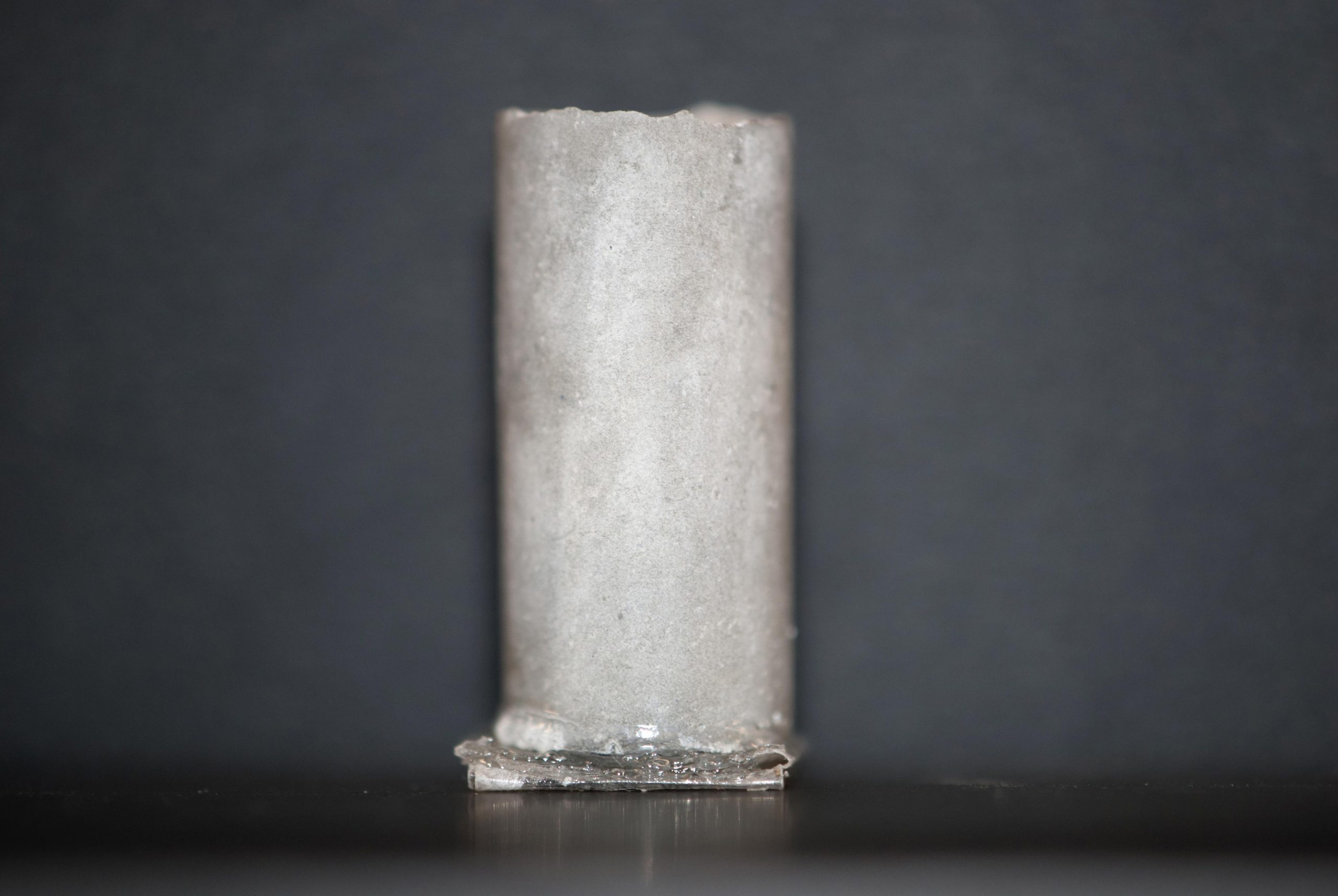
    This image shows how concrete with biomimetic antifreeze polymer shows no signs of spalling after 30 freeze-thaw cycles Credit: Living Materials Laboratory, University of Colorado Boulder

    Found in organisms that survive in sub-zero environments, anti-freeze proteins bind to ice crystals to inhibit their growth that would otherwise be fatal to the organisms. Inspired by the protein, the team introduced polymer molecules that mimicked the protein’s properties to the concrete mix. The molecules effectively reduced the size of ice crystals by 90 percent. The new concrete mix also withstood 300 freeze-thaw cycles and maintained its strength.

    Although the new concrete passed industry-standard tests, there are still questions about the true long-term resilience of the material in a real-world application and its economic viability. The next step for the team is to optimize their method by identifying new molecules that are more cost-effective and testing the compatibility of the molecule with different recipes of concrete. “Making concrete is a lot like baking a cake,” says Srubar, hoping that concrete recipes can benefit from the new additive.

    “For the next 30 years, the world will be building a New York City every 35 days, which is astounding,” says Srubar. “What that means is that we’re going to be building a lot of buildings and roads, and we’re going to be using a lot of concrete. Because it has significant impacts on the environment, the concrete that we do make really does have to be as sustainable as possible and as durable as it can be.”

    Reference: “Inhibiting Freeze-Thaw Damage in Cement Paste and Concrete by Mimicking Nature’s Antifreeze” by Shane D. Frazier, Mohammad G. Matar, Jorge Osio-Norgaard, Anastasia N. Aday, Elizabeth A. Delesky and Wil V. Srubar III, 27 May 2020, Cell Reports Physical Science.
    DOI: 10.1016/j.xcrp.2020.100060

    This work was supported by the US National Science Foundation and the National Highway’s Cooperative Research Program.

    Never miss a breakthrough: Join the SciTechDaily newsletter.
    Follow us on Google and Google News.

    Cell Press
    Share. Facebook Twitter Pinterest LinkedIn Email Reddit

    Related Articles

    From Sci-Fi to Superpower: These Contacts Let You See in the Dark With Your Eyes Closed

    Engineers Took Apart Tesla and BYD Batteries – The Results Are Surprising

    Watch: “Ant-Like” Robot Swarms Lift Heavy Objects With Herculean Strength

    Mind-Reading Tattoos Revolutionize Brainwave Monitoring in Real-Time

    How AI Is Learning to Think on Its Own Like Humans

    Hydrogels Take On Pong: How They “Learn” To Win

    Smelting Steel Without Fossil Fuels: Solar Power Shatters the 1,000°C Barrier for Industrial Heating

    Researchers Warn: AI Systems Have Already Learned How To Deceive Humans

    Innovative Design Doubles Efficiency of Lightweight Solar Cells for Space

    Leave A Reply Cancel Reply

    • Facebook
    • Twitter
    • Pinterest
    • YouTube

    Don't Miss a Discovery

    Subscribe for the Latest in Science & Tech!

    Trending News

    First-of-Its-Kind Discovery: Homer’s Iliad Found Embedded in a 1,600-Year-Old Egyptian Mummy

    Beyond Inflammation: Scientists Uncover New Cause of Persistent Rheumatoid Arthritis

    A Simple Molecule Could Unlock Safer, Easier Weight Loss

    Scientists Just Built a Quantum Battery That Charges Almost Instantly

    Researchers Unveil Groundbreaking Sustainable Solution to Vitamin B12 Deficiency

    Millions of People Have Osteopenia Without Realizing It – Here’s What You Need To Know

    Researchers Discover Boosting a Single Protein Helps the Brain Fight Alzheimer’s

    World-First Study Reveals Human Hearts Can Regenerate After a Heart Attack

    Follow SciTechDaily
    • Facebook
    • Twitter
    • YouTube
    • Pinterest
    • Newsletter
    • RSS
    SciTech News
    • Biology News
    • Chemistry News
    • Earth News
    • Health News
    • Physics News
    • Science News
    • Space News
    • Technology News
    Recent Posts
    • How Cells Copy DNA Might Matter More Than We Ever Realized
    • Scientists Just Solved the Mystery of the Twelve Apostles
    • Stone Age Mystery: DNA Reveals Ancient Population Wipeout in France
    • Why Did the Neanderthals Disappear? Scientists Reveal Humans Had a Hidden Advantage
    • Unusually Warm Water Detected Creeping Toward Antarctica – and Scientists Are Alarmed
    Copyright © 1998 - 2026 SciTechDaily. All Rights Reserved.
    • Science News
    • About
    • Contact
    • Editorial Board
    • Privacy Policy
    • Terms of Use

    Type above and press Enter to search. Press Esc to cancel.