
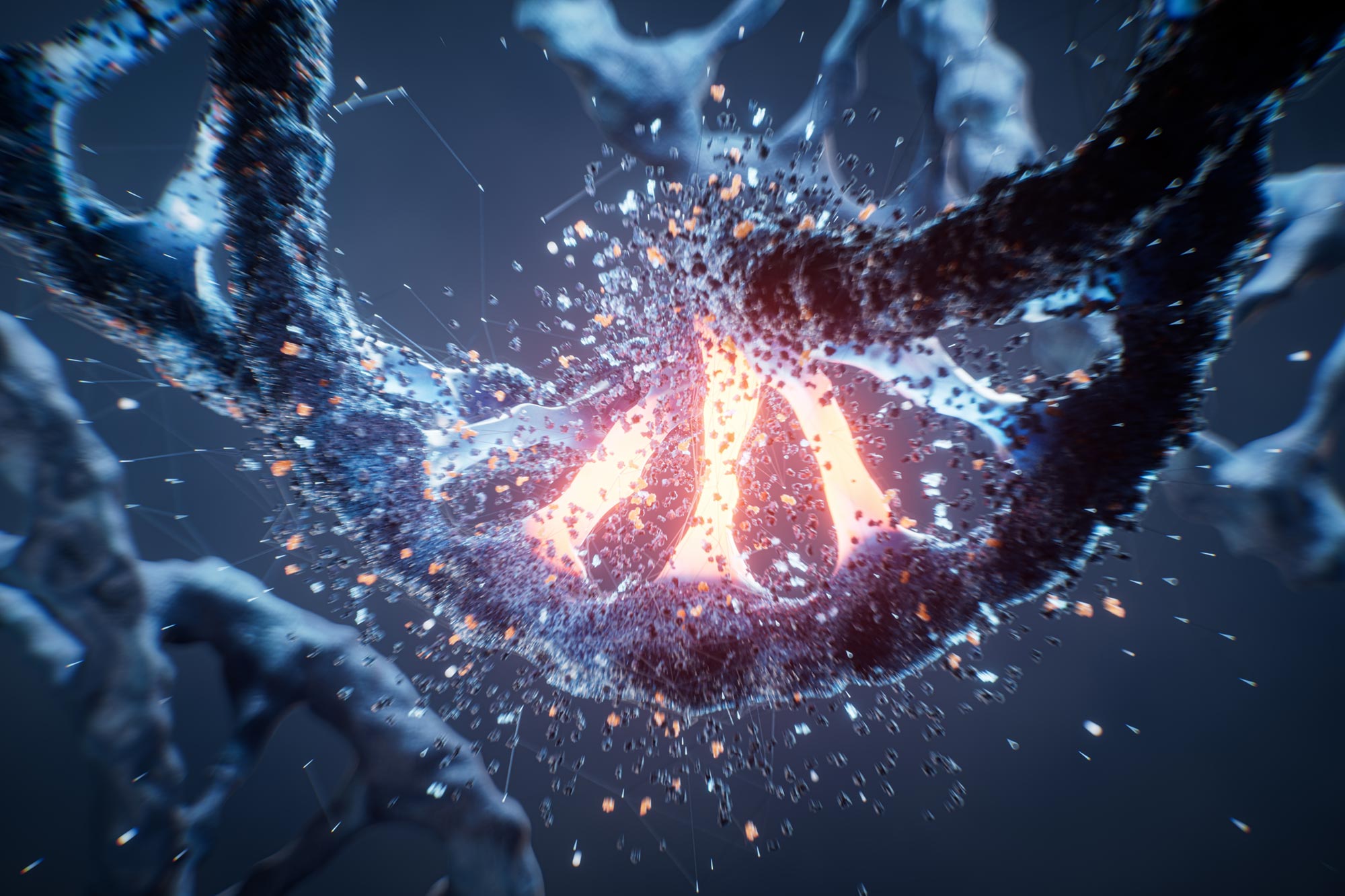
A gene normally responsible for repairing DNA may have a darker side when produced in excess.
Cancer treatment is increasingly moving beyond where a tumor forms and focusing instead on the genetic flaws that drive it. Now, researchers at Penn State College of Medicine have identified an unexpected DNA repair gene that could help expand the use of targeted therapies currently reserved for patients with BRCA-mutant cancers.
The gene, known as EXO1, normally helps maintain genomic stability by repairing damaged DNA. But the researchers found that when cancer cells produce too much EXO1, the protein begins damaging DNA rather than protecting it, creating vulnerabilities that closely resemble those seen in BRCA-related tumors.
According to the study published in Nature Communications, EXO1 is overexpressed in 20% to 30% of breast and ovarian cancers, as well as in melanoma, testicular, cervical, and hepatobiliary cancers that arise in the liver, gallbladder, and bile ducts.
EXO1 Overexpression Mimics BRCA Mutations
The researchers found that tumors with elevated EXO1 levels share important traits with cancers carrying BRCA mutations, genetic changes strongly associated with inherited breast and ovarian cancer. These tumors behaved like BRCA-mutant cancers, including how they responded to chemotherapy and other treatments, even though no BRCA mutation was present. The team said this relationship had not previously been demonstrated.
“EXO1 doesn’t predict cancer risk, but it could potentially serve as a biomarker to help predict which patients are more likely to respond to certain chemotherapy treatments, leading to more personalized therapies,” said George-Lucian Moldovan, professor of molecular and precision medicine and senior author on the study.
“The same drugs that are reserved for treating BRCA-mutant tumors and that have fewer side effects could potentially be used to treat EXO1 overexpressing tumors, which don’t have BRCA mutations. It would expand the applicability of those drugs.”
EXO1 Is Overproduced in Multiple Cancer Types
To investigate EXO1, the team analyzed tumor data from The Cancer Genome Atlas, a National Cancer Institute cancer genomics program. They found elevated EXO1 levels in several cancer types, including breast, skin, liver, and cervical tumors, confirming findings from earlier studies. High EXO1 expression was particularly associated with basal-like breast cancer, an aggressive form of the disease.
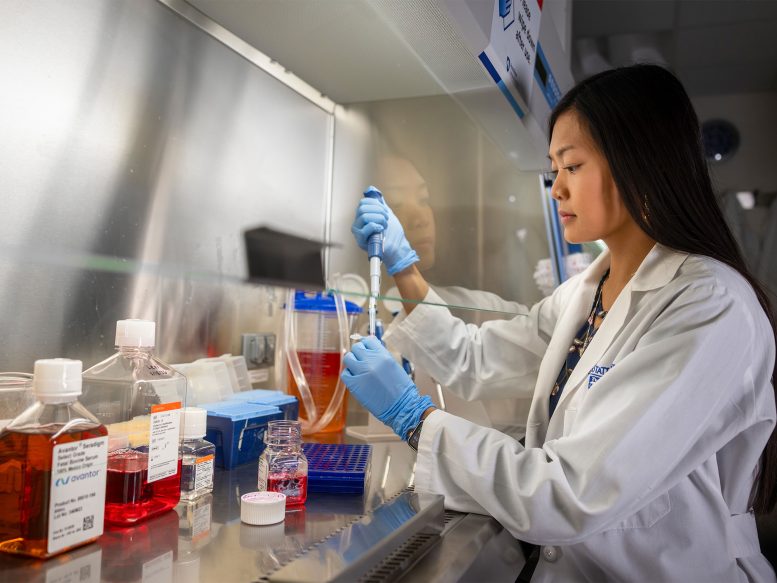
The researchers then performed laboratory experiments using commercially available human cancer cells. They increased EXO1 production to examine its effects on DNA. They also introduced a disabled version of the gene that produced inactive proteins, allowing them to determine whether any observed DNA damage resulted from EXO1 activity rather than simply the presence of the protein.
Under normal conditions, EXO1 functions like molecular scissors that help repair damaged DNA. When too much of the protein is present, however, it begins cutting DNA structures that should remain intact. The researchers found that excess EXO1 destabilizes newly formed DNA by enlarging single-stranded DNA gaps and breaking down reversed replication forks. According to Moldovan, both mechanisms can destroy DNA and cause localized losses of genetic material.
“Regardless of which pathway, EXO1 overexpression leads to the generation and accumulation of toxic lesions in DNA, such as double-strand breaks, which we ultimately think is what makes the tumor more sensitive to chemotherapy and increases cell death,” said Alexandra Nusawardhana, the lead author of the study and who earned her doctorate in biomedical sciences this year from Penn State College of Medicine.
Excess EXO1 Creates BRCA-Like DNA Damage
BRCA proteins normally help protect DNA during replication. When BRCA genes are mutated, cells lose part of that protection, increasing the likelihood of cancer development. In this study, however, high EXO1 levels were able to overwhelm BRCA’s protective functions even in cells with fully functional BRCA genes. The researchers also found that EXO1 worked together with a protein called MRE11 to expand DNA gaps and generate harmful DNA breaks.
“Mechanistically, this overexpression does exactly what the loss of the BRCA pathway does in BRCA-mutant tumor cells,” Moldovan said. But unlike BRCA mutations, EXO1 overexpression isn’t inherited, and it’s not known if it causes cancer, he explained.
Because the tumors behaved similarly to BRCA-mutant cancers, the team investigated whether they would also respond similarly to treatment. They tested olaparib, a drug used to treat BRCA-mutant cancers by targeting DNA repair pathways.
EXO1 Tumors Show Strong Response to Cancer Drugs
The tumors proved highly sensitive to olaparib and responded much like BRCA-mutant cancers. The findings suggest that patients with EXO1-overexpressing tumors, even without BRCA mutations, could potentially benefit from the same type of targeted therapy. The researchers also found that these tumors responded to cisplatin, a commonly used chemotherapy drug. The results indicate that lower doses of cisplatin might achieve similar tumor reduction while causing fewer side effects.
Because EXO1 overexpression occurs more frequently than BRCA mutations across many tumor types, Moldovan said it could become a valuable biomarker for identifying patients who may benefit from more personalized treatment strategies.
“We shouldn’t treat cancers based on what tissue they come from but based on the landscape of the genetic mutations present in the tumors,” Moldovan said. “That would result in high efficiency treatment. That’s the future of cancer treatment.”
The researchers plan to continue studying EXO1 with the long-term goal of launching clinical trials involving patients whose tumors overexpress the gene.
Reference: “The nuclease EXO1 promotes genomic instability by degrading nascent DNA in BRCA-proficient cells” by Alexandra Nusawardhana, Claudia M. Nicolae and George-Lucian Moldovan, 25 February 2026, Nature Communications.
DOI: 10.1038/s41467-026-69981-1
Funding from the National Institutes of Health and Four Diamonds supported this work.
Never miss a breakthrough: Join the SciTechDaily newsletter.
Follow us on Google and Google News.
1 Comment
thanks for this