
Close Menu
    Facebook X (Twitter) Instagram
    SciTechDaily
    • Biology
    • Chemistry
    • Earth
    • Health
    • Physics
    • Science
    • Space
    • Technology
    Facebook X (Twitter) Pinterest YouTube RSS
    SciTechDaily
    Home»Earth»A Disturbing New Kind of Coral Pollution Is Forming on Japan’s Beaches
    Earth

    A Disturbing New Kind of Coral Pollution Is Forming on Japan’s Beaches

    By Okinawa Institute of Science and Technology Graduate UniversitySeptember 30, 2026No Comments3 Mins Read
    Facebook Twitter Pinterest Telegram LinkedIn WhatsApp Email Reddit
    Share
    Facebook Twitter LinkedIn Pinterest Telegram Email Reddit
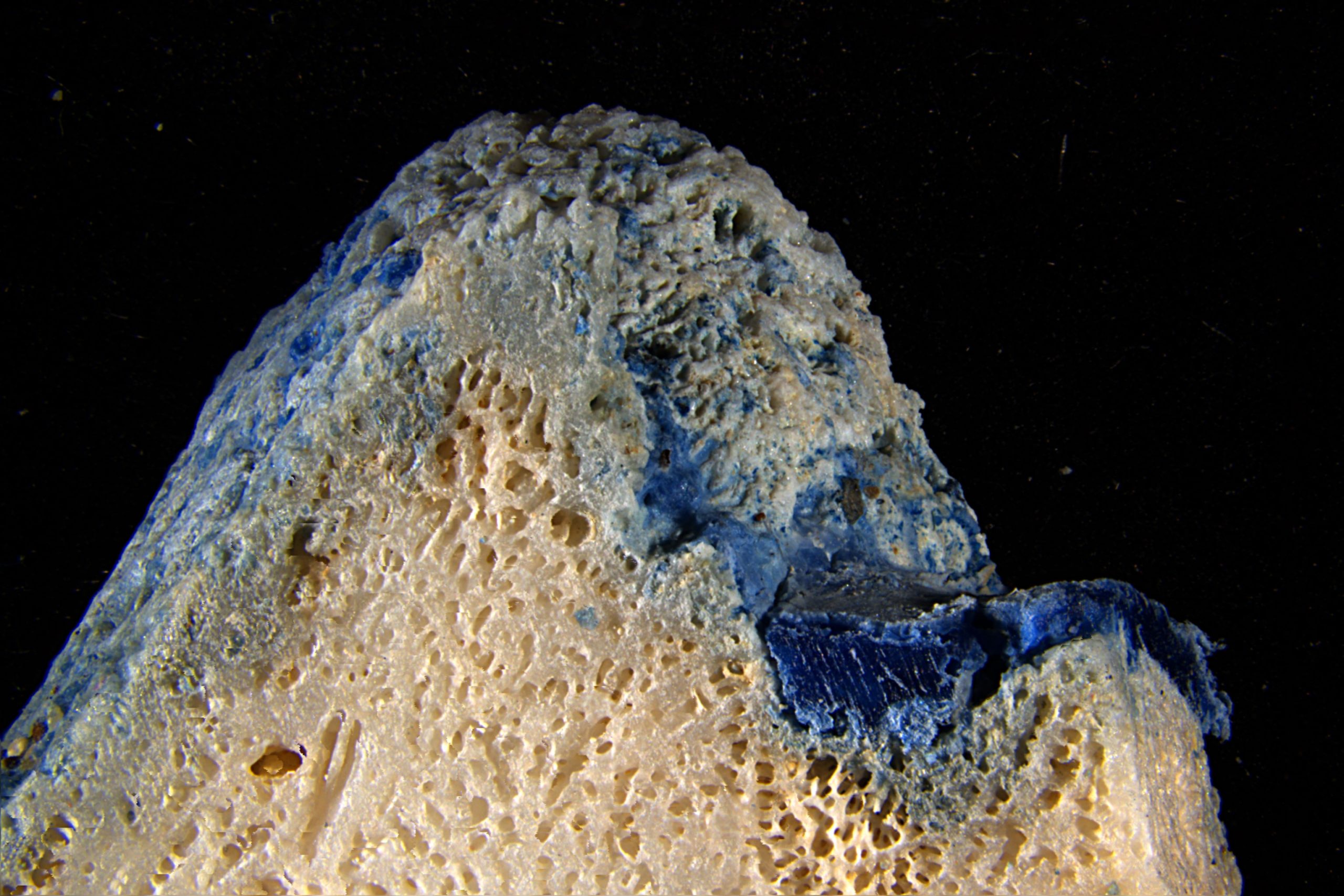
    Plasticoral Collected on Sosu Beach
    Plasticoral collected on Sosu Beach. Credit: Ilechukwu et al., 2026

    ‘Plasticorals,’ pieces of coral rubble fused with plastic, are lasting signs of human activity and may pose a threat to marine ecosystems.

    While widely manufactured materials like cement and steel degrade over millennia, plastic remains intact long enough that future geologists will likely identify the period from the 1950s onward as a distinct synthetic layer in the Earth’s crust. This era is popularly called the Plasticene, and researchers are now documenting how synthetic debris physically merges with natural environments.

    On the beaches of Okinawa, Japan, melted household plastic has seeped into the tiny pores of dead coral, forming debris that researchers call “plasticorals.” The plastic and coral have become inseparable, creating a form of pollution that could wash back into the sea in rubble that normally supports reef life.
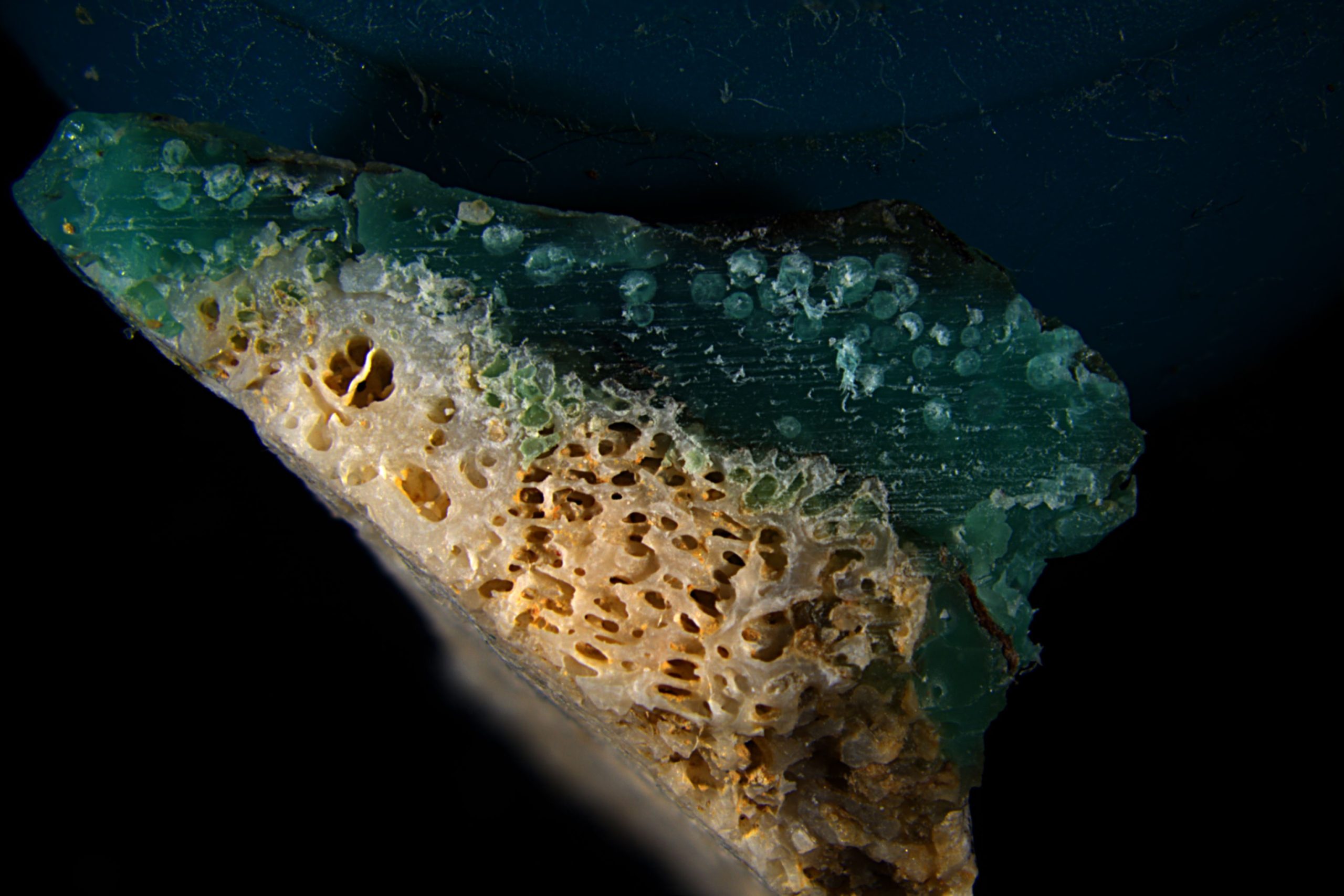
    Plasticoral From Sosu Beach
    Plasticoral collected on Sosu Beach, also inside the protected Yanbaru National Park in northern Okinawa, Japan. Credit: Ilechukwu et al., 2026

    Melted plastic inside coral skeletons

    Small, brightly colored specks among the pale coral rubble first drew researchers’ attention during routine beach litter surveys on the subtropical island.

    A team from the Okinawa Institute of Science and Technology (OIST) and the University of the Ryukyus brought samples back to the lab for microscopic examinations and spectroscopy, which helps identify substances through their interaction with light. Together, these analyses revealed that the specks were melted polymers from common household plastics embedded within the coral skeletons.
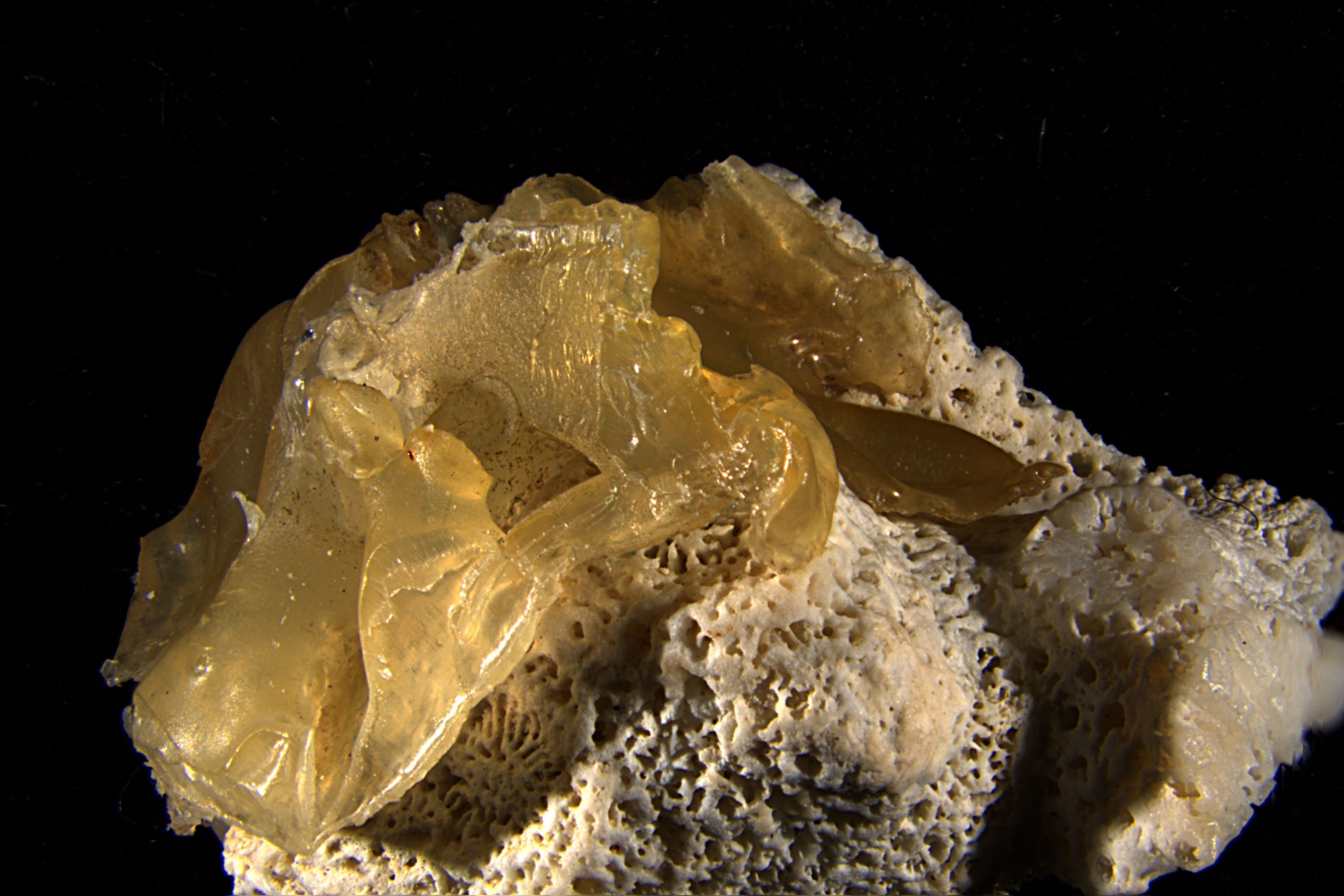
    Plasticoral From Ibu Beach
    Plasticoral collected on Ibu Beach inside the protected Yanbaru National Park in northern Okinawa, Japan. Credit: Ilechukwu et al., 2026

    Beach bonfires are one likely source of the heat that allowed the plastic to melt and seep into those spaces, although the debris’s exact origin remains unresolved. The fused material belongs to a broader category called “plastiglomerates,” mixtures of plastic and naturally occurring materials.

    In their paper in Marine Pollution Bulletin, first author Dr. Ifenna Ilechukwu and senior author Professor James D. Reimer introduced the name “plasticorals” for this coral variety.
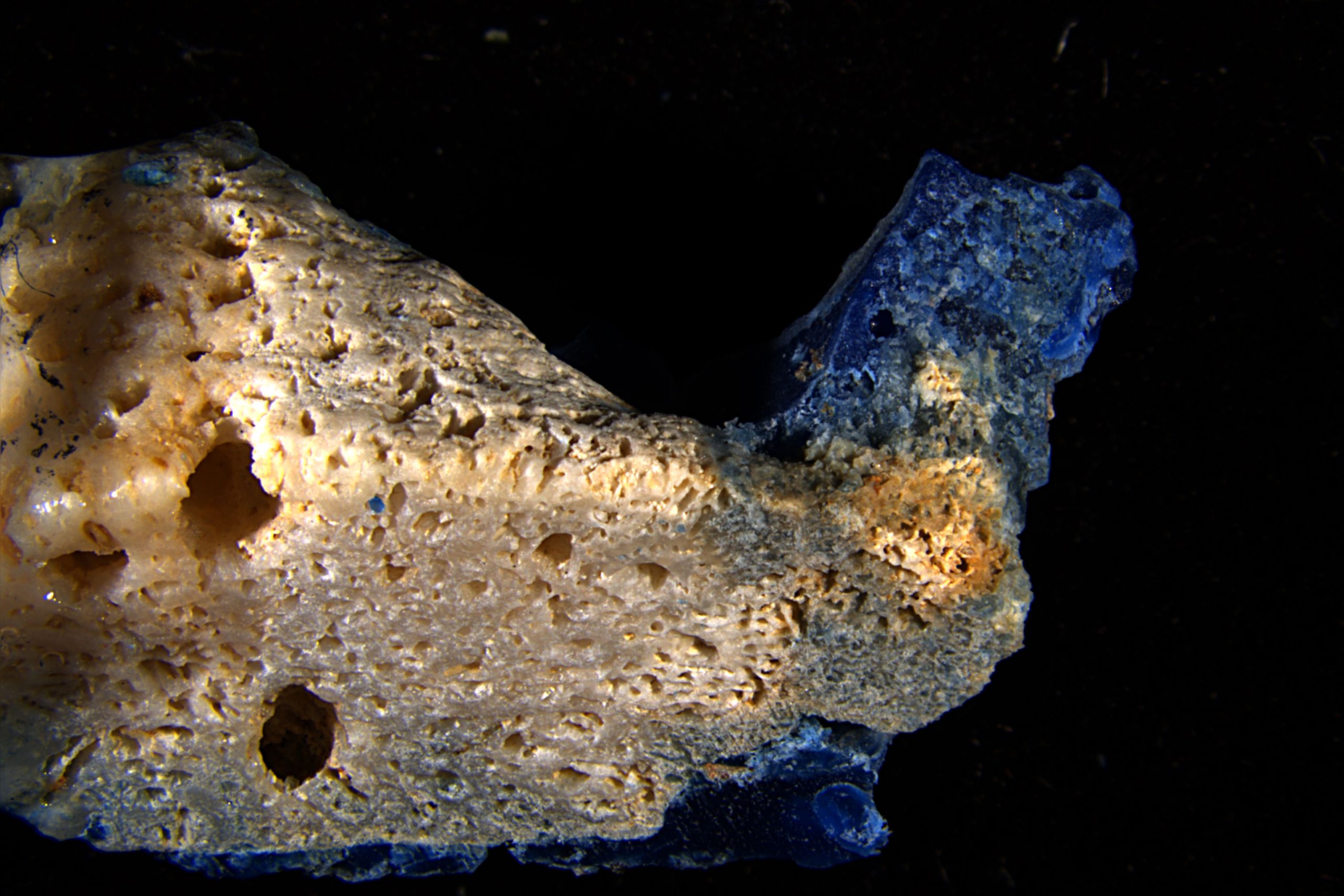
    Alternate View of Plasticoral From Sosu Beach
    A different view of the plasticoral collected on Sosu Beach. Credit: Ilechukwu et al., 2026

    When reef habitat contains plastic

    Once washed back into the sea, coral rubble provides a stable surface for new corals to grow. Its irregular shapes also create sheltered spaces where juvenile fish and other small marine animals can escape strong currents and predators. Plastic embedded in that habitat presents a potential additional threat to reefs already under pressure from climate change and other human activities.
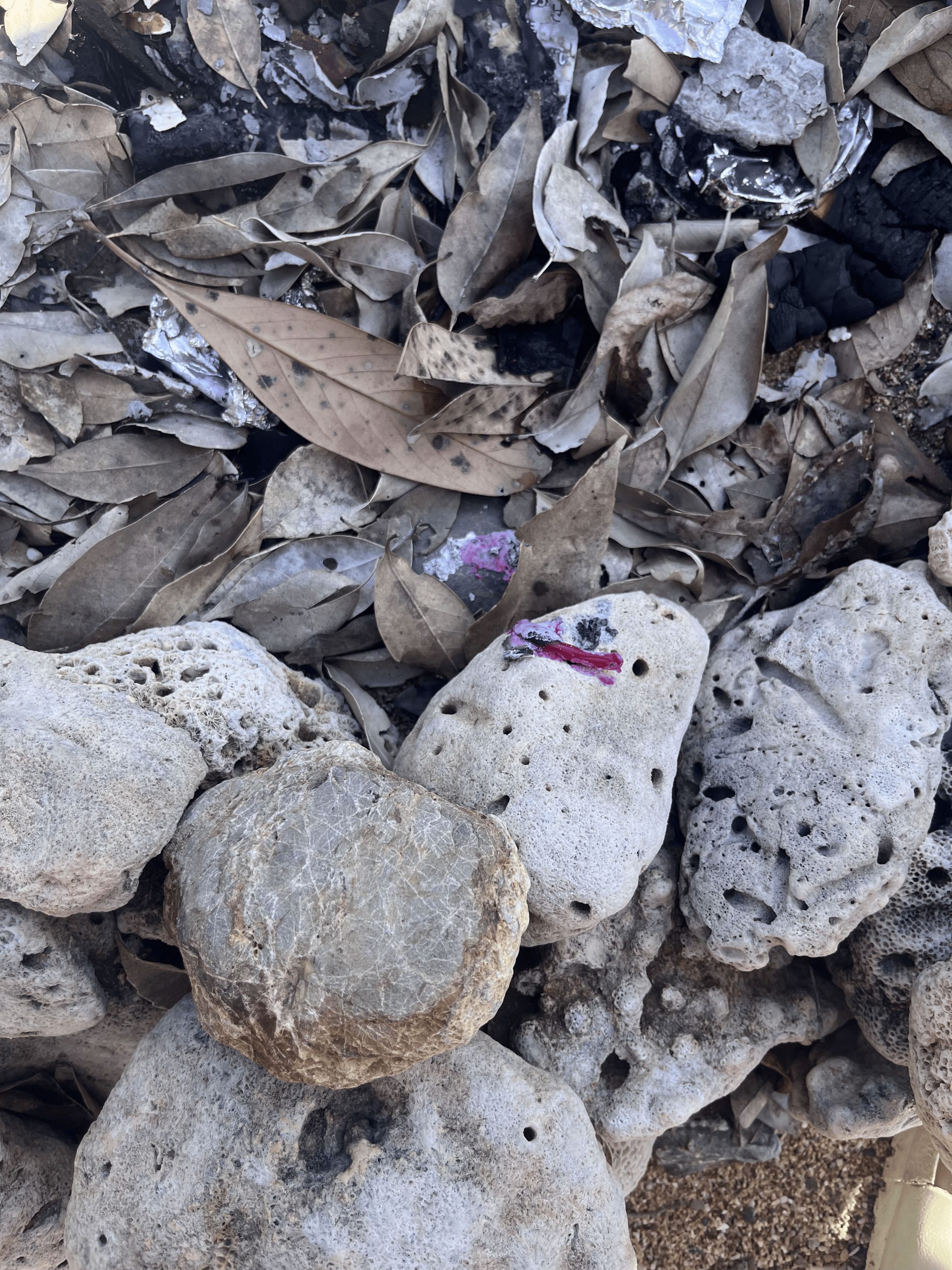
    Plasticoral Found at the Bottom of a Beach Firepit at Sosu Beach
    Plasticoral found at the bottom of a beach firepit at Sosu Beach. Plastic waste combined with beach fires is a likely source of plasticorals, as the heat thermally adheres the polymers to the coral rubble. Credit: Ilechukwu et al., 2026

    Previous studies have shown that chemicals leaching from common polymers can disrupt coral reproduction. Plastic pieces can also harbor coral pathogens and move up through the marine food chain, giving researchers several possible routes of harm to investigate.

    Further research is needed to determine how plasticorals specifically affect reef organisms, including whether they expose those organisms to toxic substances.

    Reference: “Introducing plasticoral: A biogenic–plastic agglutinate as an emerging indicator of the Plasticene in Okinawa reef environments” by Ifenna Ilechukwu, Mackenzie Stoeltje, Edith Conn, Guillermo Mironenko Castelló, Jeffrey Jolly, Kazuhiko Fujita, Timothy Ravasi and James Davis Reimer, 4 September 2026, Marine Pollution Bulletin.
    DOI: 10.1016/j.marpolbul.2026.120310

    Never miss a breakthrough: Join the SciTechDaily newsletter.
    Follow us on Google and Google News.

    Coral Reefs Environmental Science Okinawa Institute of Science and Technology Graduate University Plastic Pollution
    Share. Facebook Twitter Pinterest LinkedIn Email Reddit

    Related Articles

    Microplastic Pollution May Be Generated Simply by Opening Plastic Bags and Bottles

    Microplastic Pollution Found in Deep Sediments on the Ocean Floor

    Polystyrene, a Common Plastic, Degrades Much Faster Than Expected in Sunlight

    Four Billion Microplastic Particles Discovered in the Waters of Tampa Bay

    Naturally Occurring Atmospheric Processes and Chinese Pollution Offset Ozone Gains

    Research Reveals New Man-Made Ozone-Depleting Gases in the Atmosphere

    EU’s Carbon Capture and Storage Problem

    Dredging Of Canal Could Release Harmful Chemicals

    Pollutants in Lakes Linked to Oil Sands

    Leave A Reply Cancel Reply

    • Facebook
    • Twitter
    • Pinterest
    • YouTube

    Don't Miss a Discovery

    Subscribe for the Latest in Science & Tech!

    Trending News

    Losing the Same Weight Didn’t Produce the Same Health Benefits

    Feeling Lonely Could Take Nearly 6 Years From Your Healthy Lifespan

    3-Million-Year-Old Bones Reveal an Unexpected Chapter in Human Evolution

    The Disconnection of the Large Hadron Collider Has Begun

    Scientists Discover a New Potential Treatment Target for High Blood Pressure

    Researchers Find Creatine’s Benefits Extend Far Beyond the Gym

    Fossilized Vomit Reveals a Surprising Secret About Plesiosaur Behavior

    Scientists Put Anti-Aging Treatments to the Test – These Ones Actually Changed Biological Age

    Follow SciTechDaily
    • Facebook
    • Twitter
    • YouTube
    • Pinterest
    • Newsletter
    • RSS
    SciTech News
    • Biology News
    • Chemistry News
    • Earth News
    • Health News
    • Physics News
    • Science News
    • Space News
    • Technology News
    Recent Posts
    • A Disturbing New Kind of Coral Pollution Is Forming on Japan’s Beaches
    • The Eruption That Froze Pompeii Is Helping Scientists Measure Time Itself
    • Arctic Landslide Triggers 1,580-Foot Tsunami in Alaska
    • A Simple Pill Could Treat Diabetic Eye Damage Before Vision Is Lost
    • Scientists Identify 485 Pesticide Chemicals With Potential Breast Cancer Links
    Copyright © 1998 - 2026 SciTechDaily. All Rights Reserved.
    • Science News
    • About
    • Contact
    • Editorial Board
    • Privacy Policy
    • Terms of Use

    Type above and press Enter to search. Press Esc to cancel.