
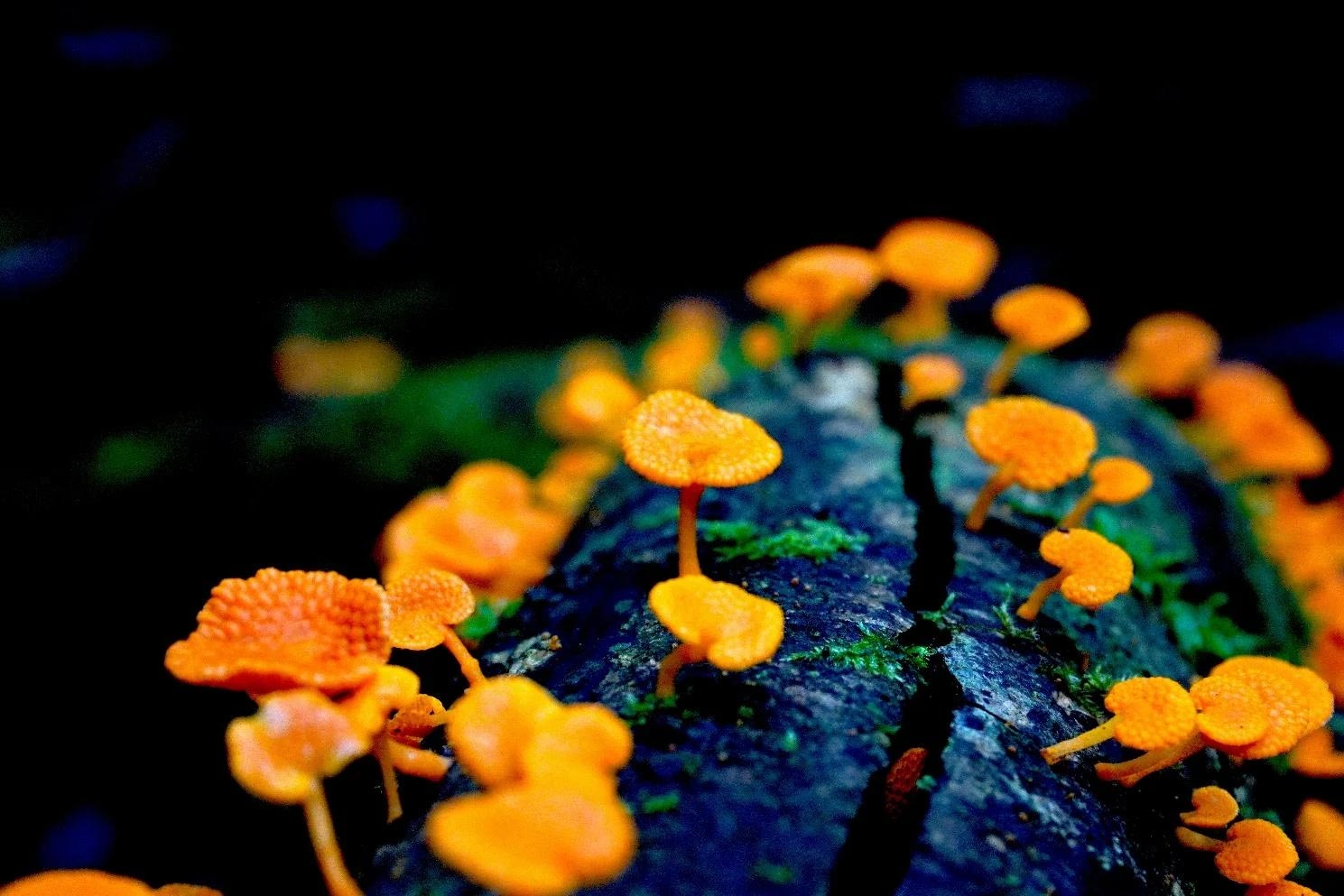
Cornelia Sattler’s image of the invasive orange pore fungus won the BMC Ecology and Evolution image competition. The competition celebrates nature’s wonders across various categories, blending art and science.
A captivating image of the invasive orange pore fungus (Favolaschia calocera), which highlights the potential threats the species may pose to Australian ecosystems, has won the third BMC Ecology and Evolution image competition. The competition showcases the wonder of the natural world — both past and present — and celebrates those working to understand it.
The overall winning image depicts bright orange fruiting bodies growing on deadwood in the Australian rainforest and was taken by Cornelia Sattler from Macquarie University, Australia. The orange pore fungus was first observed in Madagascar but is now found throughout the world. Previous research has reported that invasive species, such as the European rabbit, root rot fungus, and feral pigs, threaten 82% of Australian species at risk of extinction. As a result, Australia has particularly strict rules about bringing plants, animals, and organic matter into the country.
Cornelia Sattler said: “Despite its innocent and beautiful appearance, the orange pore fungus is an invasive species that displaces other fungi and is spreading throughout the Australian rainforest. It is important to closely monitor this fungus, whose spores are often transported by humans, in order to safeguard the biodiversity of Australia.”
Senior Editorial Board Member Arne Traulsen recommended the entry, saying: “Cornelia Sattler’s image allows us to peek into the world of fungi, organisms that are fascinating and yet underappreciated and understudied.”
Additional Award-Winning Entries
Beyond the main prize, the competition recognized victors and runners-up in four distinct categories: Research in Action, Protecting our Planet, Plants and Fungi, and Palaeoecology.
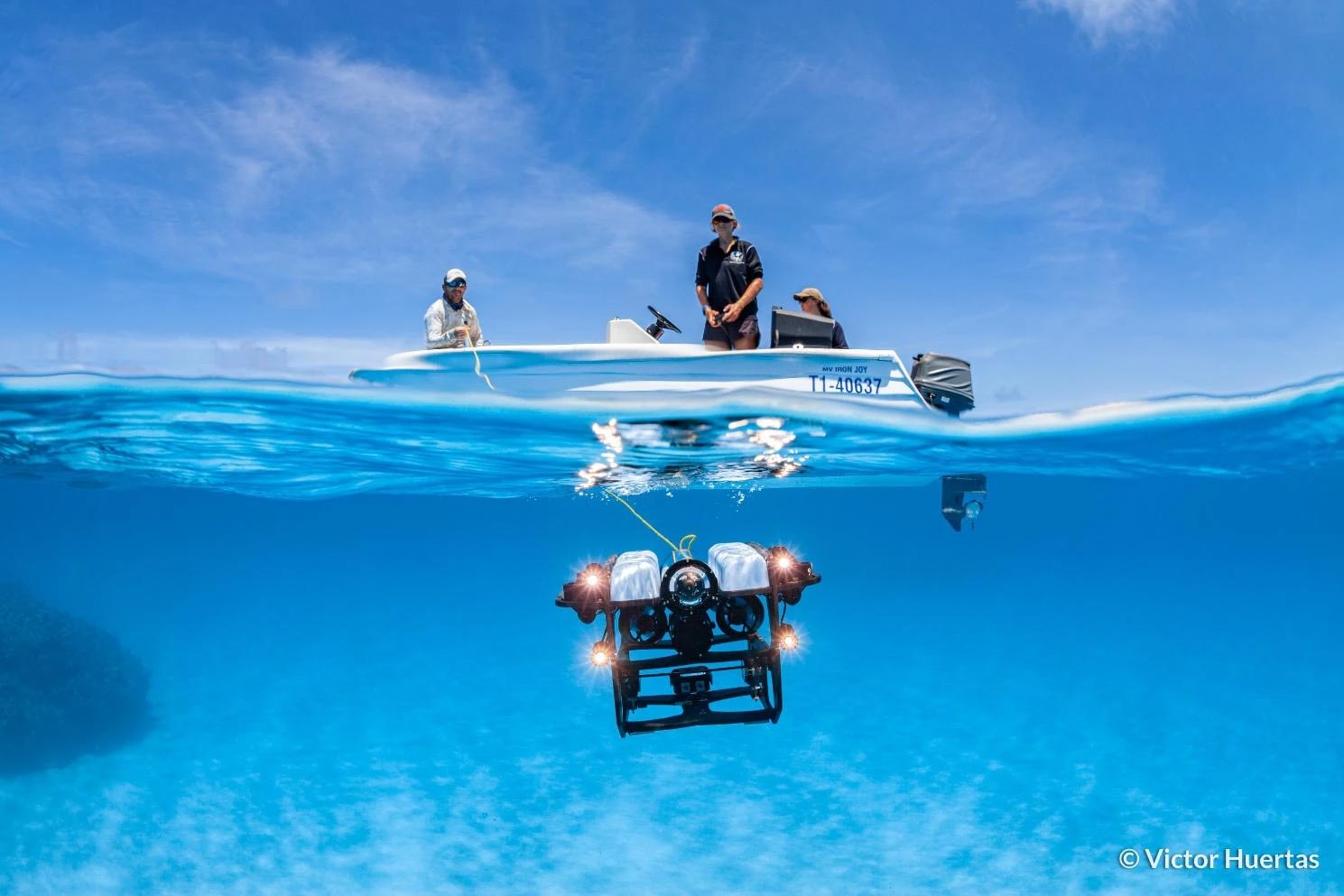
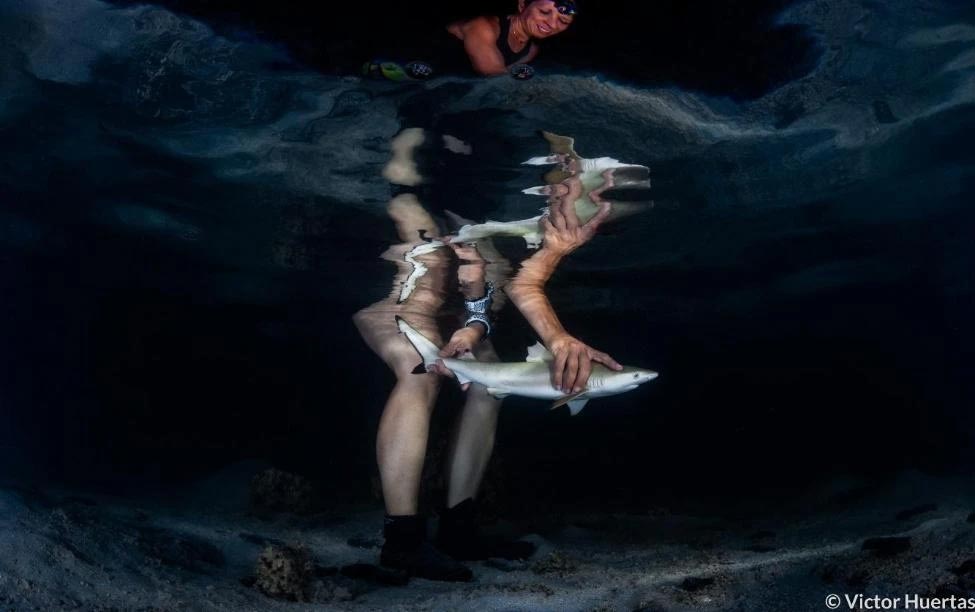
Victor Huertas from James Cook University, Australia took the winning image for the Research in Action category. The photograph depicts the deployment of an underwater remotely operated vehicle at Coral Sea Marine Park, Australia. The device is used to survey oceans at depths that are beyond the reach of divers and has been used to discover new species in reefs and expand the known geographic range of multiple fish species.
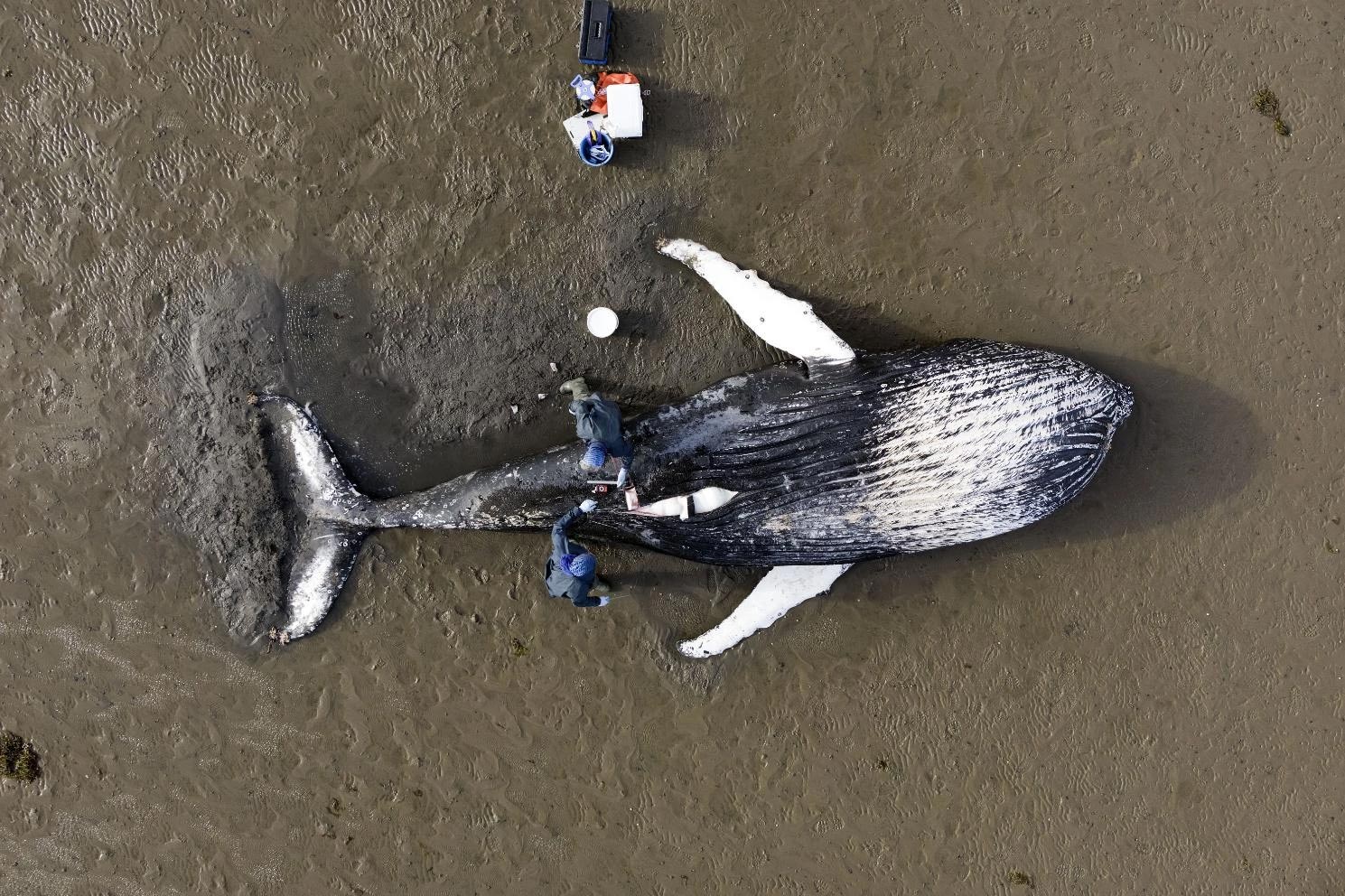
Senior Editorial Board Member Luke Jacobus said: “This photograph captures the essence of ecological study. It showcases sharp imaging and good storytelling and invites us to be curious about our dynamic world.”
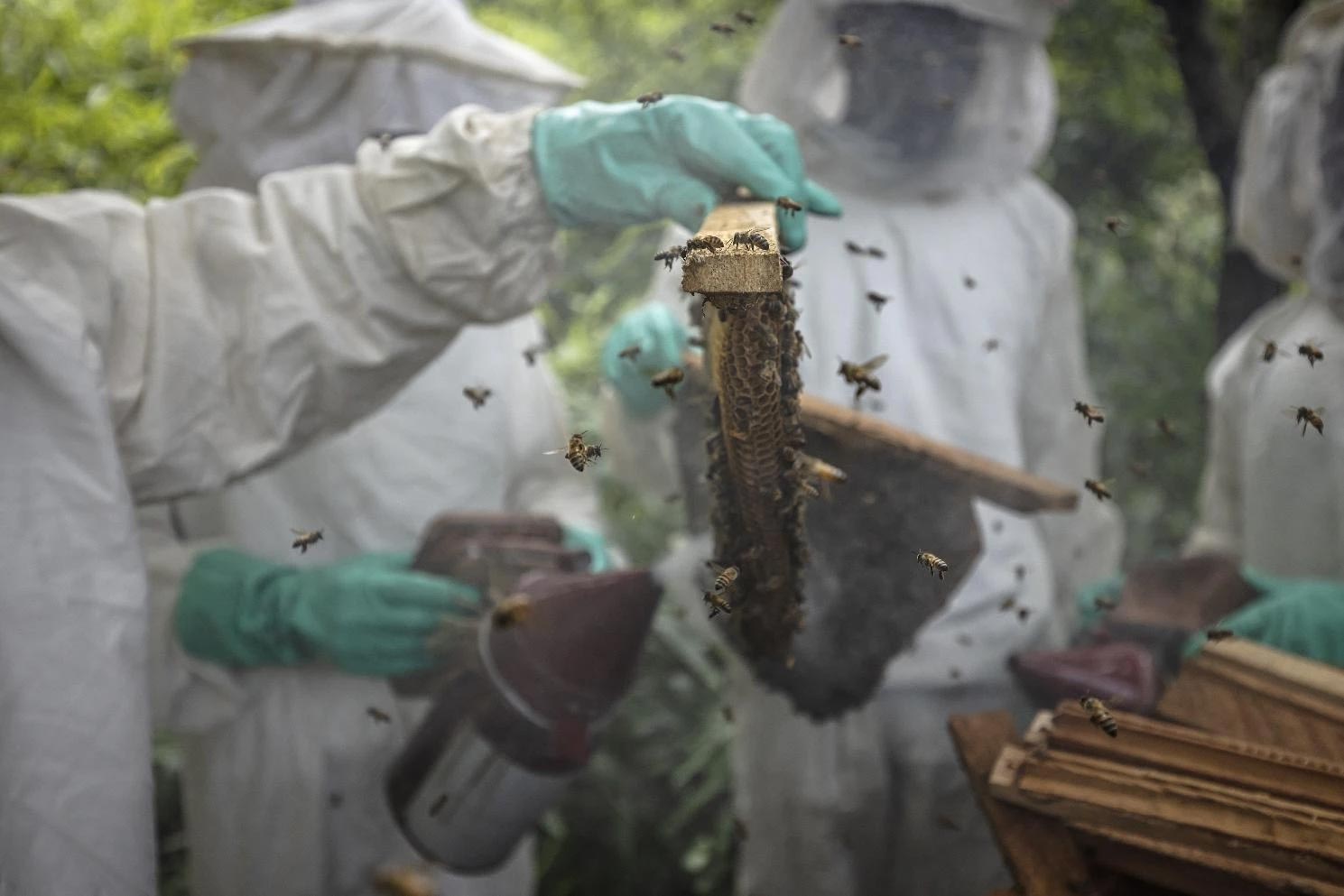
The Protecting our Planet category winner was captured by Roberto García-Roa from the University of Lund, Sweden, and features a sustainable beekeeping project launched by the Chimpanzee Conservation Center in Guinea. The project aims to combat deforestation by encouraging locals to cultivate their own honey. A portion of the profits generated by the project go towards chimpanzee conservation activities.
Senior Editorial Board Member Josef Settele said: “This photo shows how very different aspects of wildlife conservation can be combined into win-win situation that helps simultaneously protect our planet and empower local communities.”
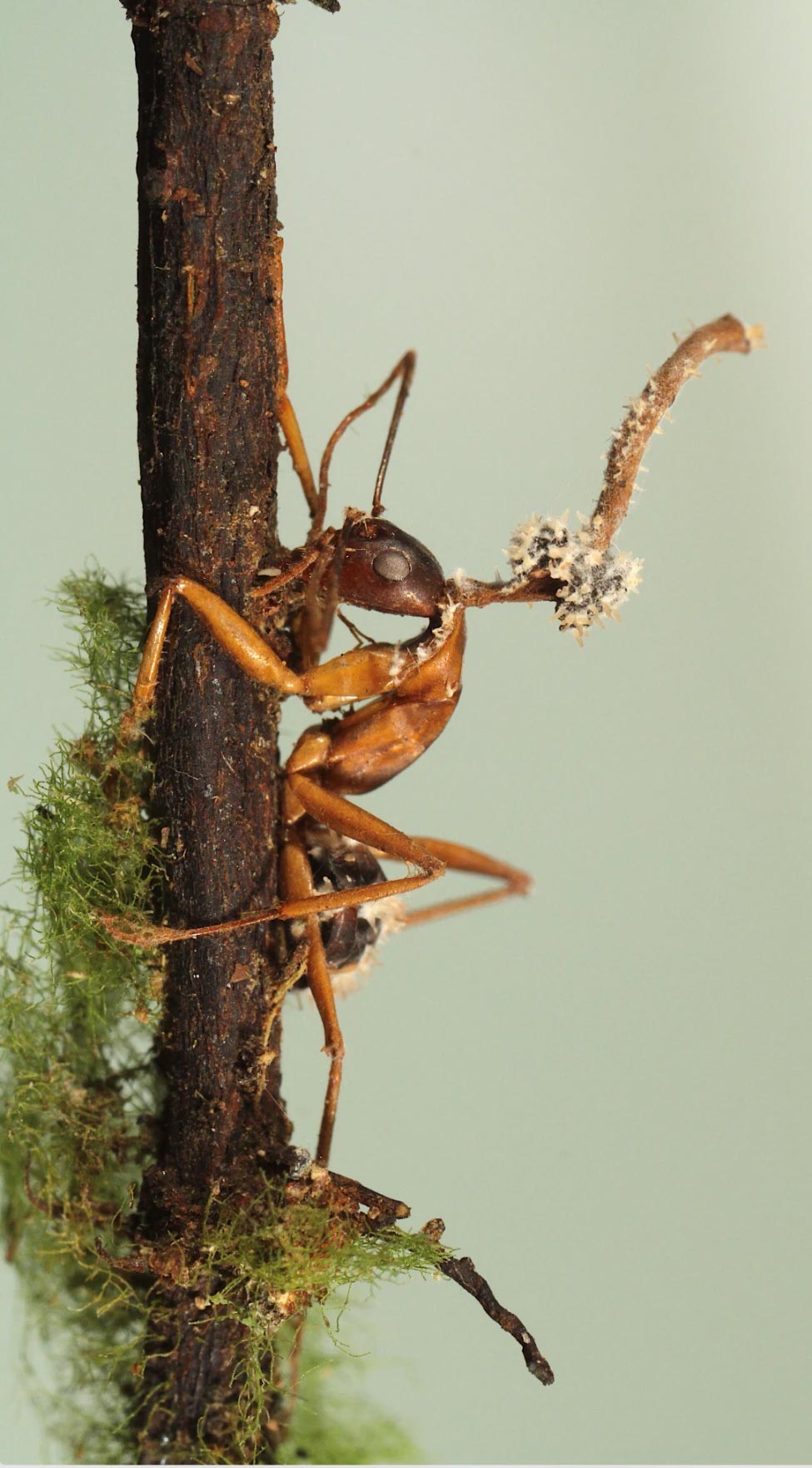
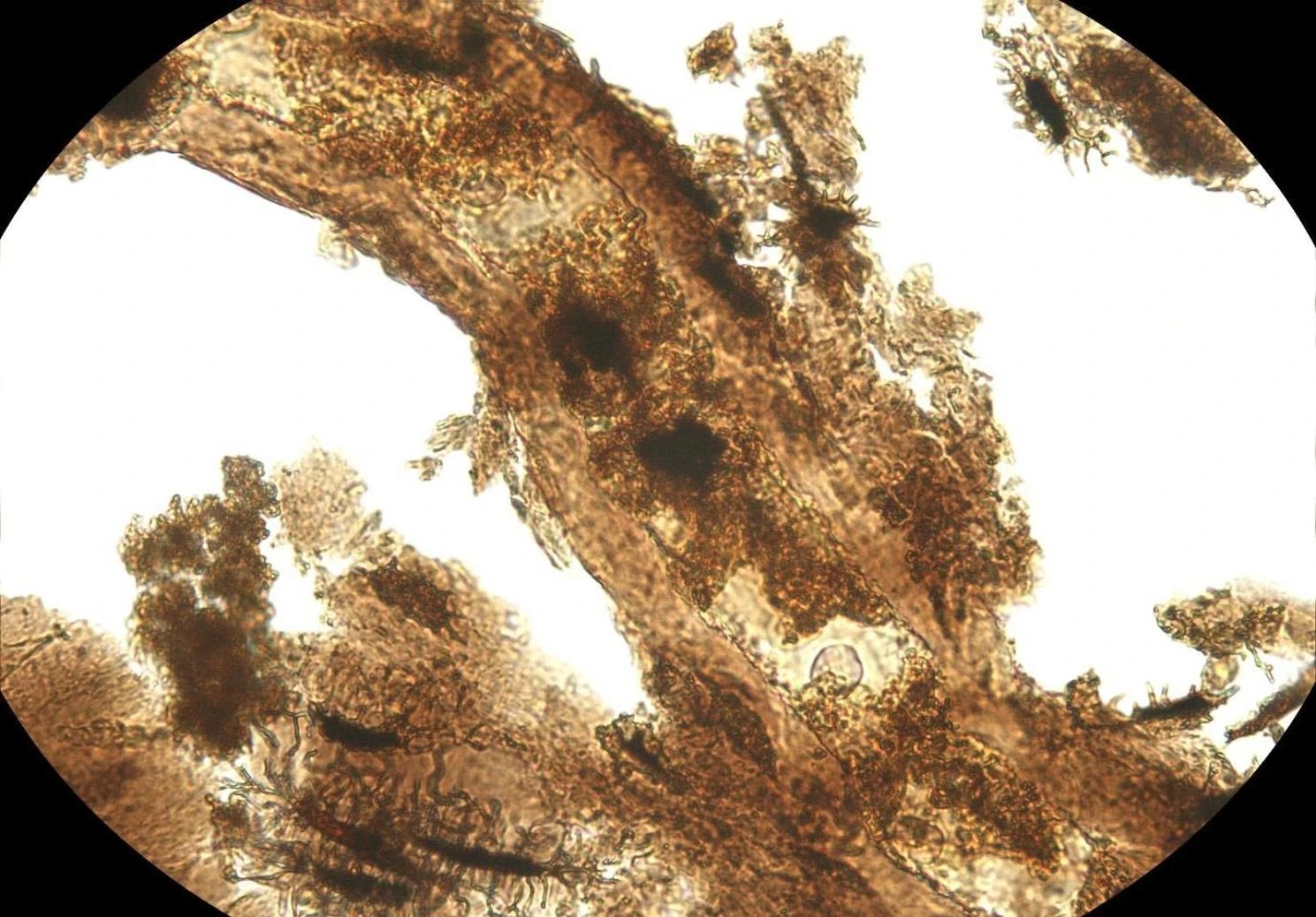
The Plants and Fungi category winner depicts a fungus parasitizing the fruiting body of a zombie-ant fungus — a fungus that can compel infected ants to migrate to locations that are more favorable for its growth — and was taken by João Araújo from the New York Botanical Garden, New York, USA.
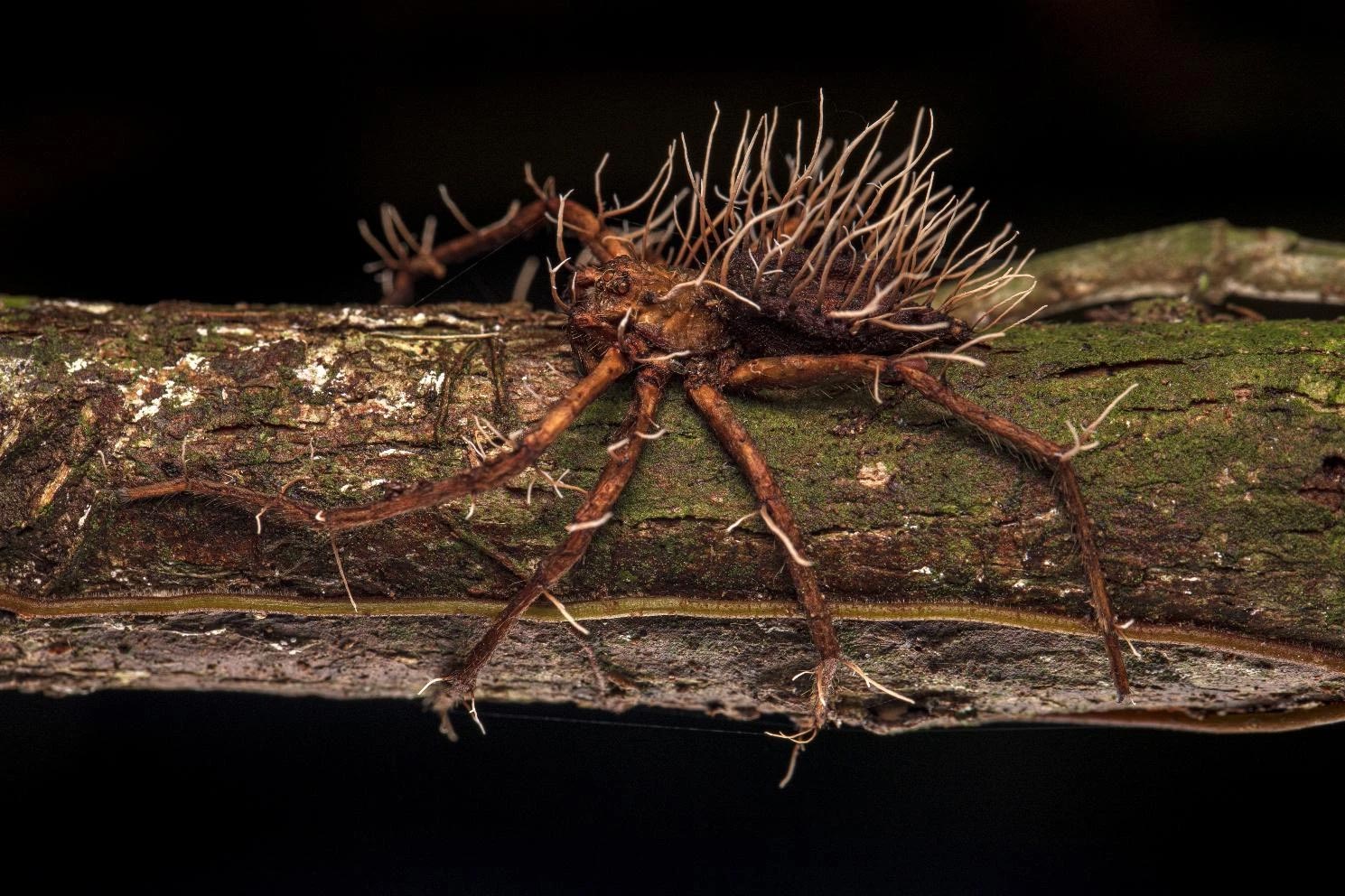
João Araújo said: “Zombie-ant fungi are found in forests all over the world, however, the forests they inhabit are also shared with fungi that can parasitize, consume, and even castrate them. Scientists have only recently started to catalog and describe these fascinating fungi that can kill other fungi.”
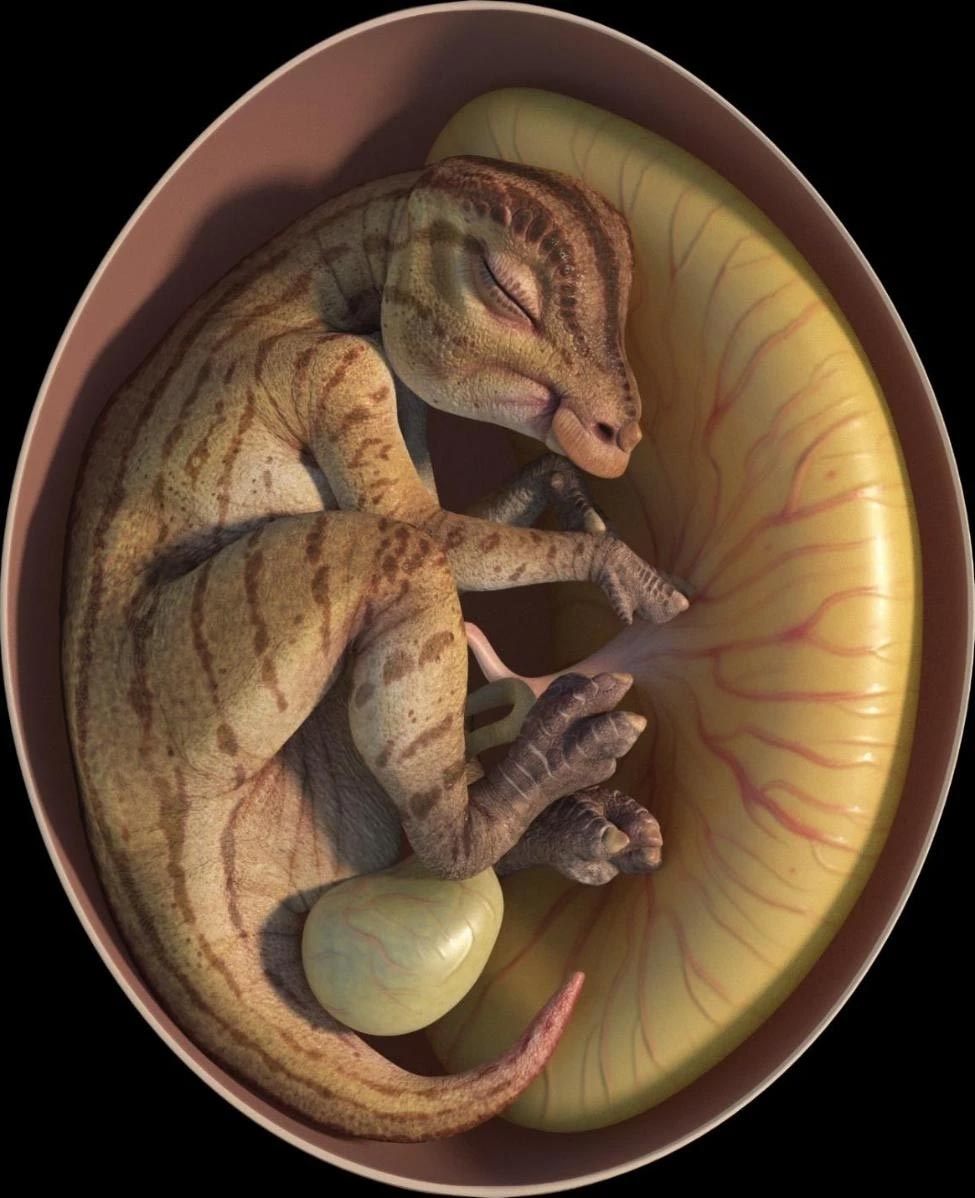
The Paleoecology category winner was submitted by Jordan Mallon from the Canadian Museum of Nature, Canada, and was created by Wenyu Ren from Beijing, China. The image depicts an embryonic hadrosauroid — a dinosaur with a duck-like beak — developing within an egg from China’s Upper Cretaceous red beds, which date to between 72 and 66 million years ago.
Jordan Mallon said: “The relatively small size of the egg and the unspecialized nature of the dinosaur embryo developing within it suggests that the earliest hadrosaurs were born immature and helpless. Over time, hadrosaurs began to lay larger eggs, indicating that their young may have been born at more advanced stages of development and required less parental care than earlier hadrosaurs.”
Celebrating the Intersection of Art and Science
Now in its third year, the BMC Ecology and Evolution Image Competition was created to give ecologists, evolutionary biologists, and paleontologists the opportunity to use their creativity to celebrate their research and the intersection between art and science. The winning images are selected by the Editor of BMC Ecology and Evolution and senior members of the journal’s editorial board.
Editor Jennifer Harman said: “Judging the many remarkable images submitted to this year’s competition was a rewarding and challenging experience. The winning images were selected by our senior Editorial Board Members as much for the scientific stories behind them as for their artistic qualities. We thank all those who took part in this year’s competition and congratulate our winning entrants. We hope our readers enjoy viewing these images and exploring the stories behind them as much as we did.”
Never miss a breakthrough: Join the SciTechDaily newsletter.
Follow us on Google and Google News.