
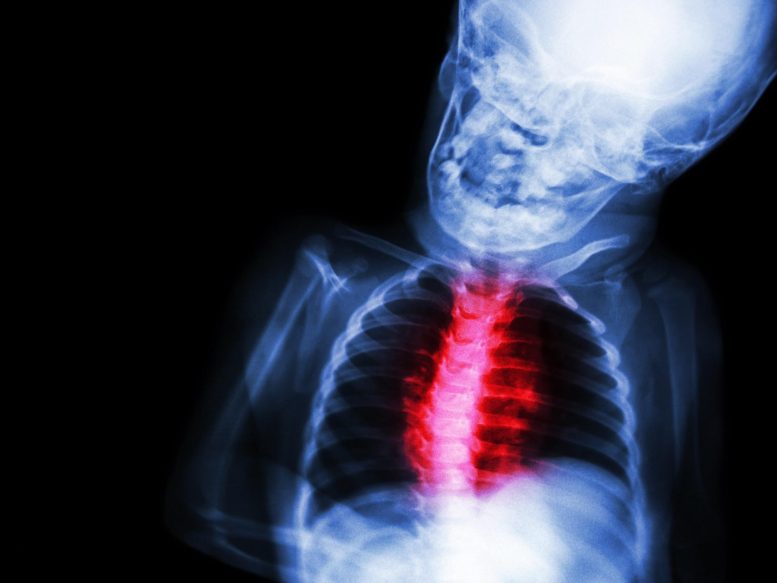
- The new scientific statement details what has been learned about how to treat, manage and even likely prevent cardiovascular complications from the SARS-CoV-2 virus in children and young adults, and calls for more research, including studies following the short- and long-term cardiovascular effects from COVID-19, the disease caused by the SARS-CoV-2 virus.
- While heart complications after SARS-CoV-2 infection are uncommon in children, some experience abnormal heart rhythm, inflammation in and around the heart muscle or multisystem inflammatory syndrome in children (MIS-C), a new condition identified during the pandemic.
- The COVID-19 vaccines have been found to prevent severe COVID-19 disease and decrease the risk of developing MIS-C by 91% among children ages 12-18 years.
- The data suggest it’s safe for youth with mild or asymptomatic COVID-19 to return to sports after recovery from symptoms. For those with more serious infections, it’s reasonable to have heart exams including an echocardiogram, blood tests for heart enzyme levels and other heart function screening before resuming sports or strenuous physical exercise.
Heart issues after COVID-19 uncommon in children and young adults, more research needed.
Heart complications are uncommon, yet treatable for children and young adults after COVID-19 disease or SARS-CoV-2 infection, according to a new scientific statement from the American Heart Association that details what has been learned about how to treat, manage, and even prevent cardiovascular complications from the SARS-CoV-2 virus in youth. The statement published today (April 11, 2022) in the Association’s flagship journal Circulation.
The latest data also indicate returning to sports and strenuous physical activities after heart symptoms resolve is safe, though additional screening may be considered for youth who experience more severe symptoms.
The new statement also calls for more research, including studies looking at the long-term cardiovascular effects from COVID-19 in children and young adults. The volunteer writing group’s extensive research on the latest data found children with congenital heart disease (heart disease or defects present at birth) have low rates of infection and complications from SARS-CoV-2, the virus that causes COVID-19 disease. A scientific statement from the American Heart Association is an expert analysis of current research and may inform future guidelines.
“Two years into the pandemic and with vast amounts of research conducted in children with COVID-19, this statement summarizes what we know so far related to COVID-19 in children,” said Chair of the statement writing group Pei-Ni Jone, M.D., FAHA, director of 3D Echocardiography, the Kawasaki Disease Clinic and Quality in Echocardiography at Children’s Hospital Colorado in Aurora, Colorado. “We focused on the effects of this virus for those with congenital or other heart disease, as well as the latest data about the potential association of the COVID-19 vaccines with heart complications in children and young adults. While there is a lot we know, this public health emergency needs ongoing research to understand the short- and long-term impacts on children.”
Low Infection Rates in Children with Congenital Heart Disease
Analysis of the latest research indicates children generally have mild symptoms from SARS-CoV-2 infection. In the U.S.,as of February 24, 2022, children have accounted for 17.6% of total COVID-19 cases and about 0.1% of deaths from the virus. In addition, young adults, ages 18 to 29, have accounted for 21.3% of cases and 0.8% of deaths from COVID-19. Studies suggest a few factors may help to explain why children may be less susceptible to severe COVID-19 infection: 1) cells in children’s bodies have fewer receptors to attach to the SARS-CoV-2 virus and 2) children may have a lower immune response due to a different cytokine response compared to adults and trained immunity from other vaccines and viral infections.
While children with congenital heart disease have had low infection and mortality rates from SARS-CoV-2 infection, having an underlying genetic syndrome, such as trisomy 21 (also known as Down syndrome), appears to be associated with an increased risk of severe COVID-19.
The statement outlines available treatments for children with COVID-19, though there are no specific COVID-19 antiviral therapies. These include remdesivir and dexamethasone for children in certain age groups. Remdesivir is the only antiviral drug currently approved by the U.S. Food and Drug Administration (FDA) for treatment of people ages 12 and older hospitalized with COVID-19 who have risk factors for severe disease and the need for supplemental oxygen, and it is most effective when given as soon as possible after symptoms began. Dexamethasone, which has been shown to reduce risk of death in adults with COVID-19, is suggested for children with more severe disease who require breathing support.
Heart-Related Complications in Children with COVID-19
Heart-related complications in children with COVID-19 are uncommon. Case reports of cardiac complications include:
- cardiogenic shock, where a suddenly weakened heart can’t pump enough blood to meet the body’s needs;
- myocarditis (inflammation of the heart muscle); pericarditis (inflammation of the pericardium, a thin, sac-like structure that surrounds the heart); and
- arrhythmias (irregular heartbeats and rhythms).
Sudden cardiac death and death following intensive medical and life support treatment has occurred in children with severe COVID-19 that affected the heart.
MIS-C and Heart Involvement
Since the start of the COVID-19 pandemic, a new multisystem inflammatory syndrome in children (MIS-C) was identified around the world, with as many as half of the cases involving inflammation of the heart muscle or heart arteries. During the first year of the pandemic, one of every 3,164 children with SARS-CoV-2 infection developed MIS-C.
For children who develop MIS-C, intravenous immunoglobulin (IVIG) has been administered alone or as dual therapy with infliximab or other immunomodulatory agents. Most children’s hearts recovered well within 1 to 4 weeks of MIS-C diagnosis. The risk of long-term complications and death from MIS-C is estimated to be 1.4-1.9%.
The majority of MIS-C cases were among children identified in medical records as Black race or Hispanic ethnicity. Additional research about MIS-C is needed to learn why people from diverse racial or ethnic groups may be disproportionately affected and to understand the risk factors for this condition.
Return to Sports After COVID-19
For children and young adults who have had COVID-19, the return to sports and strenuous physical activity has been an area of targeted research and examination. The latest data suggests those who had mild COVID-19 infection or infection without symptoms are safe to return to sports after recovery from all symptoms. For youth with more serious SARS-CoV-2 infection or who develop MIS-C, it is reasonable to consider select cardiovascular screenings, such as an echocardiogram, blood tests for heart enzyme levels and other heart function screening, before returning to sports.
The COVID-19 vaccines can prevent patients from getting COVID-19 and decreases the risk of MIS-C by 91% among children 12-18 years of age. Some have expressed concern about the risk of heart inflammation after the mRNA COVID-19 vaccines. The data indicate the benefits of getting the vaccines outweigh the risk of potentially developing vaccine-associated myocarditis. For example, for every 1 million doses of the mRNA COVID-19 vaccines in males ages 12 to 29 years (the highest risk group for vaccine-associated myocarditis), it is estimated that 11,000 COVID-19 cases, 560 hospitalizations and 6 deaths would be prevented, whereas 39 to 47 cases of myocarditis would be expected. The FDA has granted Emergency Use Authorization for the mRNA vaccine manufactured by Pfizer-BioNTech for children ages 5 and older, and it has full approval for all individuals ages 16 and older.
Myocarditis in Children Pre- and Post-COVID
Viral infection is the most common cause of myocarditis in children. About 1 to 2 in every 100,000 children are diagnosed annually in the U.S. with myocarditis prior to the COVID-19 pandemic, according to data from the U.S. Centers for Disease Control and Prevention. Children are also more likely than adults to develop myocarditis as the result of a viral infection such as COVID-19. The CDC is continuing to follow myocarditis in children and young adults closely, particularly a possible connection to the mRNA COVID-19 vaccines.
More research is needed to better understand the mechanisms and optimal treatment approaches for SARS-CoV-2 infection, vaccine-associated myocarditis , the long-term outcomes of both COVID-19 and MIS-C, and the impact of these various conditions on the heart in children and young adults. In addition, the development of new antiviral therapies need to be tested in clinical trials focused on children.
“Although much has been learned about how the virus impacts children’s and young adult’s hearts, how to best treat cardiovascular complications and prevent severe illness and continued clinical research trials are needed to better understand the long-term cardiovascular impacts,” Jone said. “It is also important to address health disparities that have become more apparent during the pandemic. We must work to ensure all children receive equal access to vaccination and high-quality care.”
Reference: “SARS-CoV-2 Infection and Associated Cardiovascular Manifestations and Complications in Children and Young Adults: A Scientific Statement From the American Heart Association” by Pei-Ni Jone, Anitha John, Matthew E. Oster, Kiona Allen, Adrianna H. Tremoulet, Elizabeth V. Saarel, Linda M. Lambert, Shelley D. Miyamoto, Sarah D. de Ferranti and on behalf of the American Heart Association Leadership Committee and Congenital Cardiac Defects Committee of the Council on Lifelong Congenital Heart Disease and Heart Health in the Young; Council on Hypertension, and Council on Peripheral Vascular Disease, 11 April 2022, Circulation.
DOI: 10.1161/CIR.0000000000001064
This scientific statement was prepared by the volunteer writing group on behalf of the American Heart Association’s Council on Lifelong Congenital Heart Disease and Heart Health in the Young (Young Hearts); the Council on Hypertension; and the Council on Peripheral Vascular Disease. American Heart Association scientific statements promote greater awareness about cardiovascular diseases and stroke issues and help facilitate informed health care decisions. Scientific Statements outline what is currently known about a topic, and what areas need additional research. While scientific statements inform the development of guidelines, they do not make treatment recommendations. American Heart Association guidelines provide the Association’s official clinical practice recommendations.
Co-authors are Vice Chair Sarah D. de Ferranti, M.D., M.P.H., FAHA; Anitha John, M.D., Ph.D.; Matthew E. Oster, M.D., M.P.H., FAHA; Kiona Allen, M.D.; Adrianna H. Tremoulet, M.D., M.A.S., FAHA; Elizabeth V. Saarel, M.D., FAHA; Linda M. Lambert, A.P.R.N., FAHA; and Shelley D. Miyamoto, M.D., FAHA. Authors’ disclosures are listed in the manuscript.
Never miss a breakthrough: Join the SciTechDaily newsletter.
Follow us on Google and Google News.