
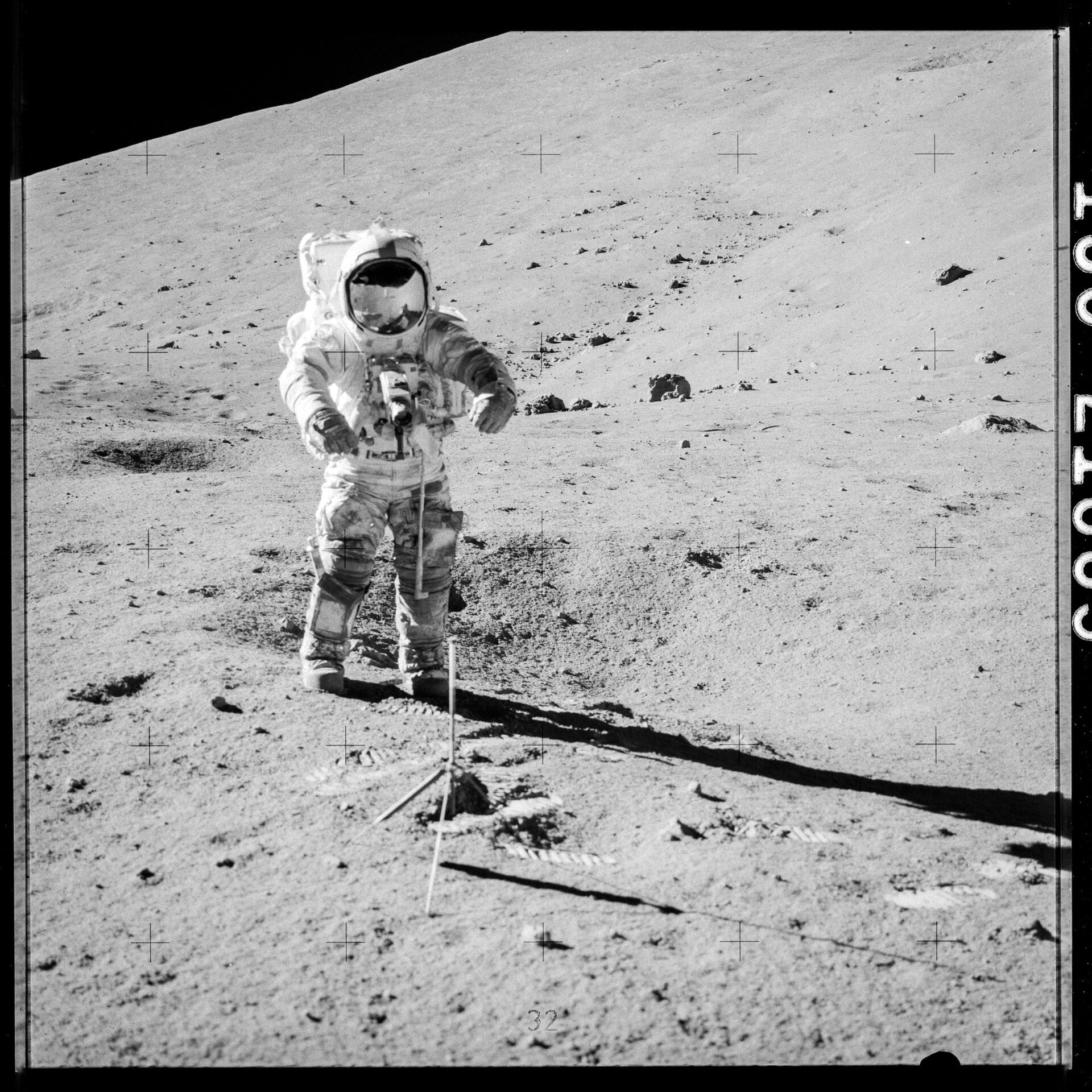
NASA opened a 50-year-old Apollo 17 lunar sample for study with modern technology, revealing new insights into the Moon’s history, as part of preparations for the Artemis missions.
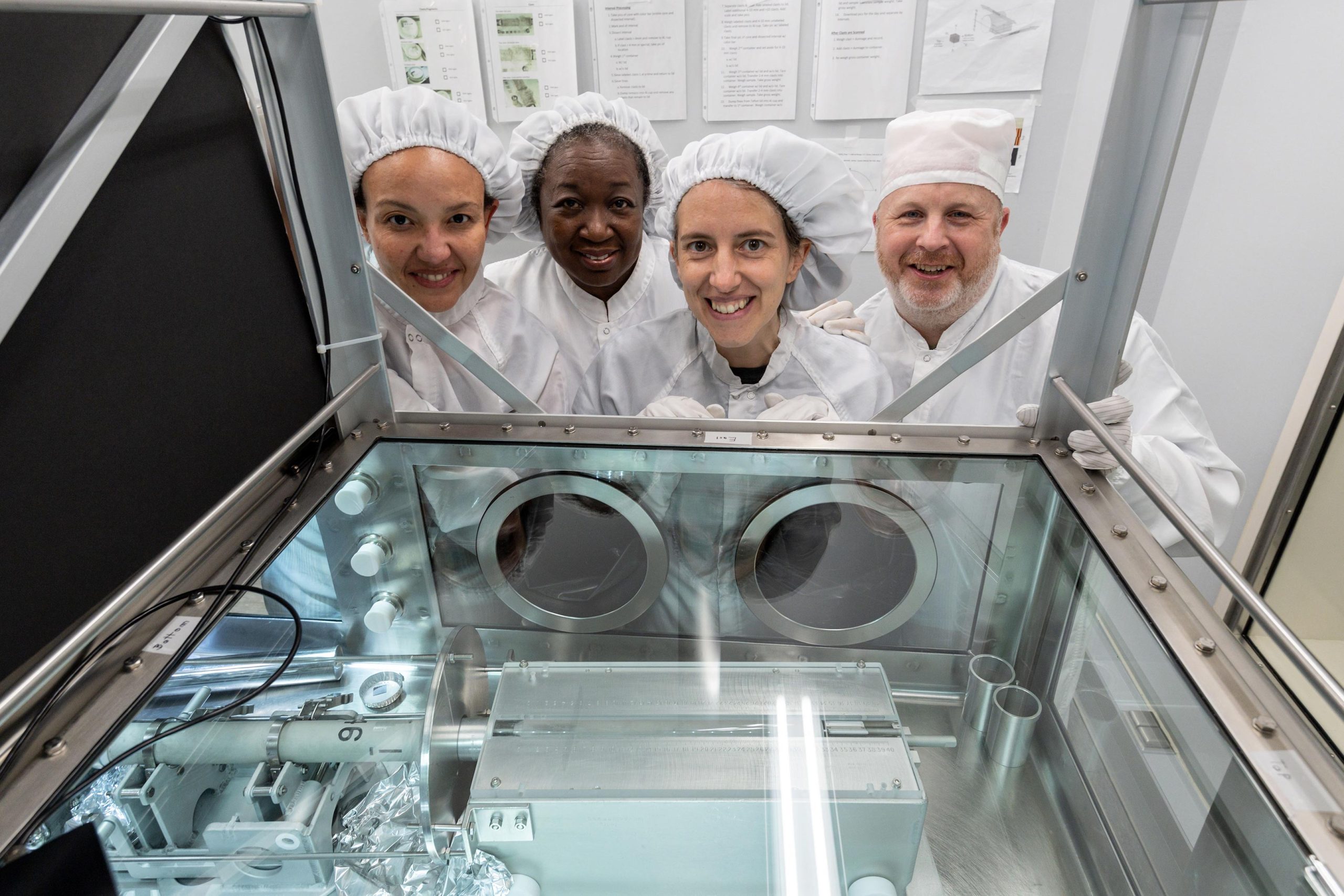
Like a time capsule that was sealed for posterity, one of the last unopened Apollo-era lunar samples collected during Apollo 17 has been opened under the careful direction of lunar sample processors and curators in the Astromaterials Research and Exploration Science (ARES) Division at NASA’s Johnson Space Center in Houston. This precious and well-preserved sample will serve as a narrow window into the permanent, geological record of Earth’s closest celestial neighbor – the Moon.
Before NASA goes back for more samples – this time at the Moon’s South Pole during the agency’s upcoming Artemis missions – the Apollo Next Generation Sample Analysis Program, or ANGSA, is studying some of the last few lunar samples that NASA has kept unopened, in pristine condition, awaiting the day when scientists equipped with improved scientific and technologic methods could examine them.
“We have had an opportunity to open up this incredibly precious sample that’s been saved for 50 years under vacuum,” said Thomas Zurbuchen, associate administrator of NASA’s Science Mission Directorate in Washington, “and we finally get to see what treasures are held within.”
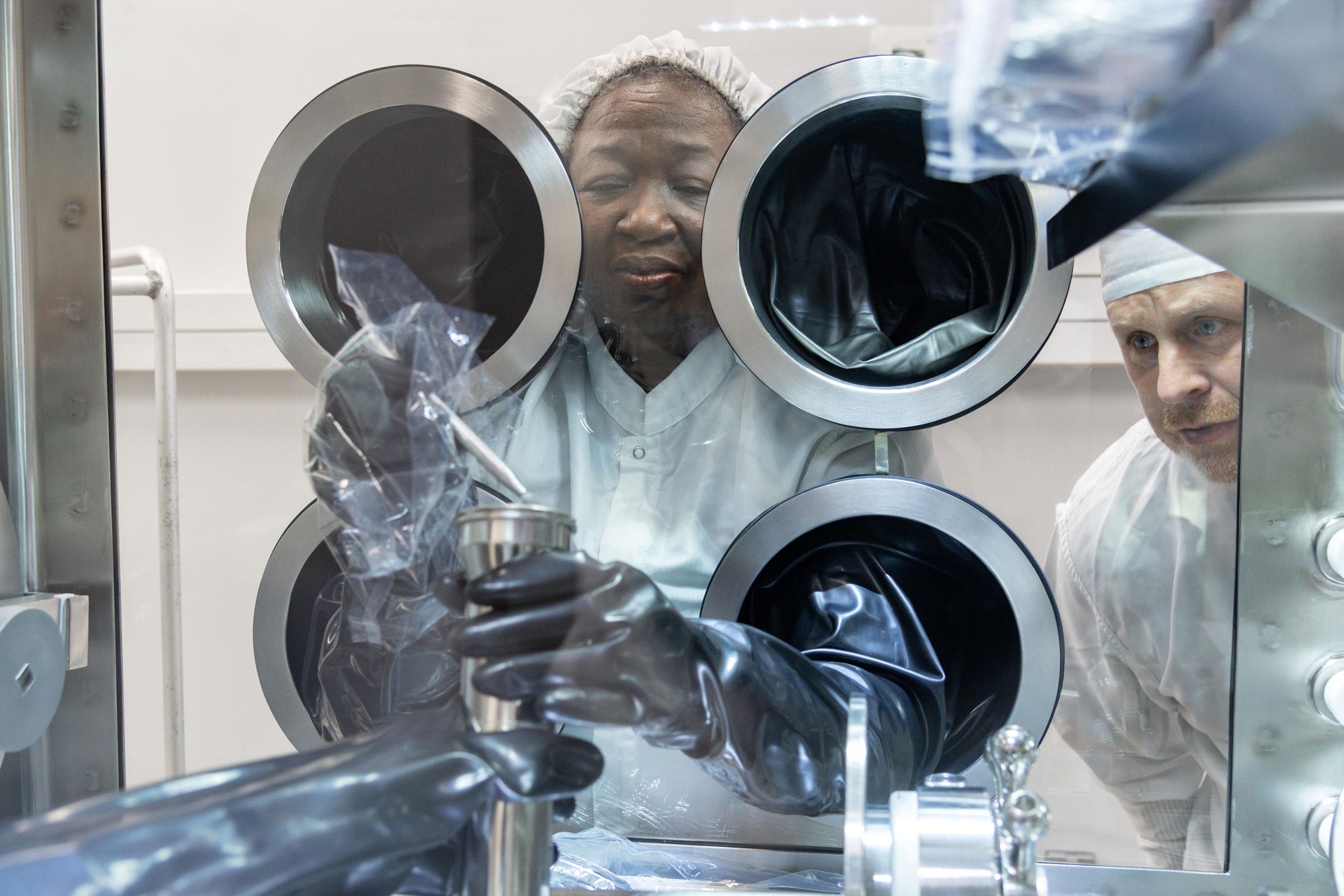
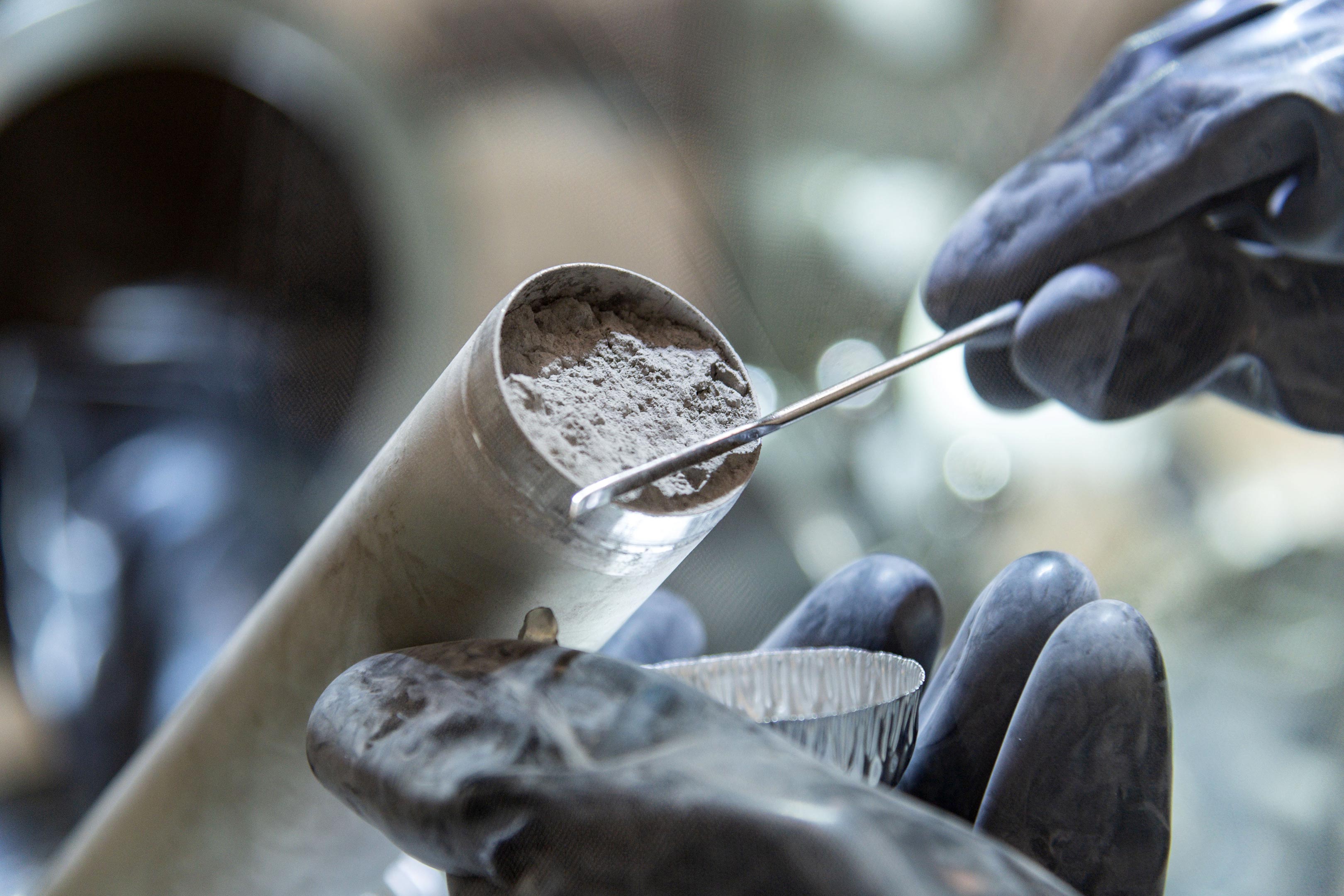
That day finally came for sample 73001, which was first vacuum sealed on the Moon and then stored in a second protective outer vacuum tube inside the nitrogen-purged processing cabinets in Johnson’s lunar laboratory. Back in December 1972, astronauts Eugene Cernan and Harrison “Jack” Schmitt collected the lunar regolith by hammering thin, cylindrical sample-collection devices, or drive tubes, into a landslide deposit in the Moon’s Taurus-Littrow Valley, capturing layers of ancient history for scientists to pore over.
This sample, 73001, is the lower half of a double drive tube. The upper drive tube, sample 73002, was returned from the Moon in a normal, unsealed container, which was opened in 2019. The ANGSA science team has been studying its layers of small rocks and soil and is eager to see what the lower half holds.
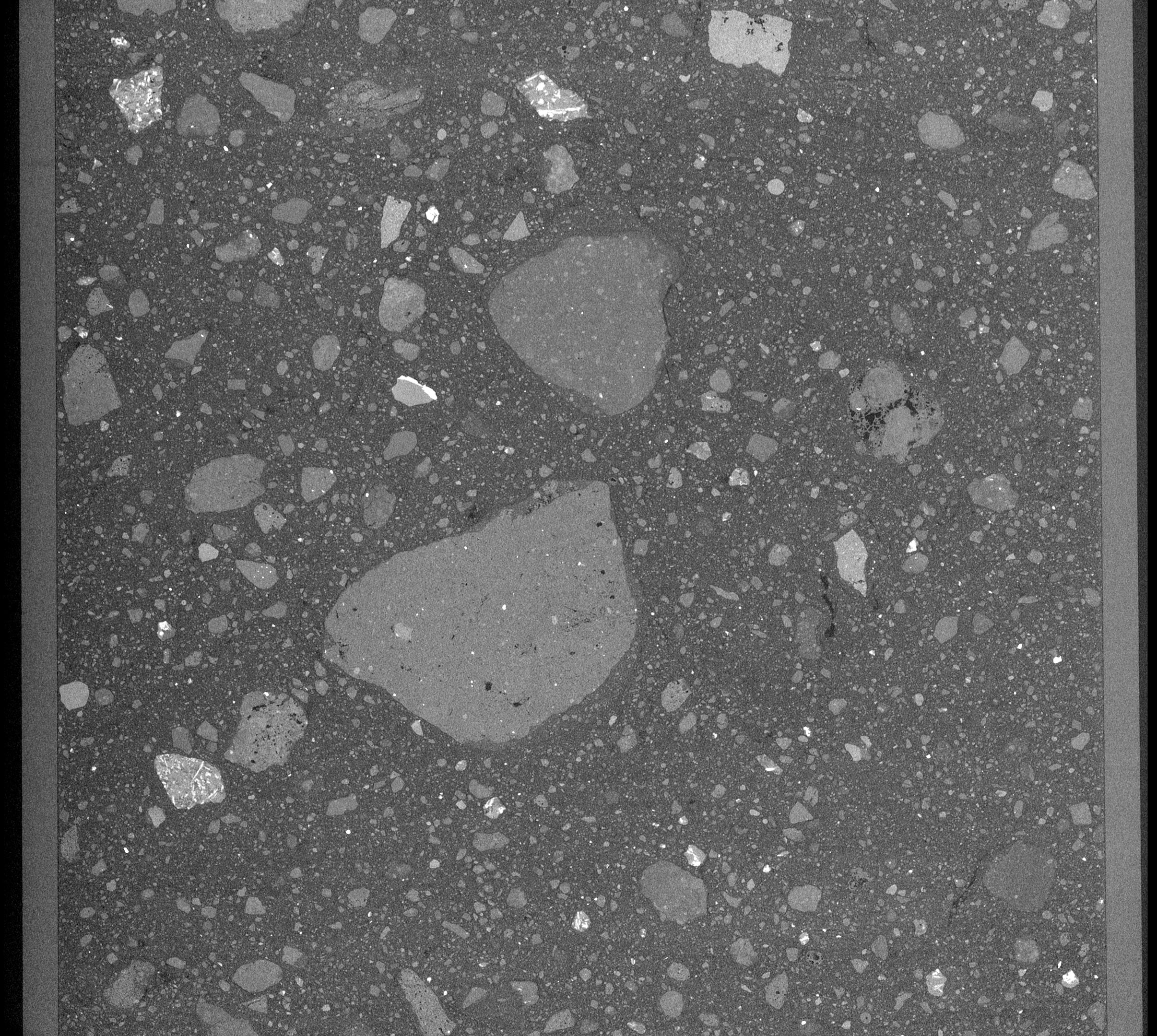
Before the ARES team extruded the drive tube of 73001, extensive scans were taken at the University of Texas at Austin using X-ray CT technology to capture high-resolution 3D images of the sample’s makeup inside the tube.
“This will be the permanent record of what the material inside the core looks like before it got pushed out and divided into half-centimeter increments,” said Ryan Zeigler, Apollo sample curator. “The drive tube was very full, which is one of the things we learned with the CT scans, and it caused a slight complication in how we were initially planning to extrude it, but we have been able to adapt using these scans.”
Last month, the team first worked to capture any gas present within the outer protective tube and, finally, by piercing the inner container, to extract any lunar gases remaining inside.
“We have extracted gas out of this core, and we hope that will help scientists when they’re trying to understand the lunar gas signature by looking at the different aliquots [samples taken for chemical analysis],” Zeigler said.
The analyses and CT scans ensured there were no big surprises when opening up this scientific gift; and, together, they helped create a roadmap for the dissection. Before the main event on March 21 and 22, deputy Apollo sample curator Juliane Gross also performed dry runs of the extrusion process with a mock-up core in the lab at Johnson.
Gross likened the extrusion process to putting together furniture – except with one’s arms constrained by the massive gloves of the glovebox. Extruding the sample using specialized tools required a meticulous level of organization.
“We did this step by step, trying not to lose all the tiny pieces and screws,” Gross said.
In the end, it was much like a grueling workout – with soreness radiating through her arms and shoulders. But Gross will quickly tell you that it was worth it.
“We are the first people who got to actually see this soil for the first time,” Gross said. “It’s just the best thing in the world – like a kid in the candy store, right?”
The Apollo program gave NASA the chance to try sampling methods they believed would work on the Moon based on what worked on Earth – and evolve those methods with each mission.
“Terrestrial samples and lunar samples are very different, so the Artemis team has already taken that into account as they design their tools,” Zeigler said. “They didn’t start with Apollo 11. They didn’t start from scratch. They started with Apollo 17 and what worked really well and are moving forward from there toward Artemis.”
And because Artemis astronauts will go beyond the more familiar lunar equator to the South Pole, with its sometimes cryogenic, or frozen conditions, and its dramatic lighting, the lunar soil there offers tantalizing prospects for study.
Like a time capsule sealed for posterity, one of the last unopened Apollo-era lunar samples collected during Apollo 17 was been opened March 23, 2022, under the careful direction of lunar sample processors and curators in the Astromaterials Research and Exploration Science (ARES) Division at NASA’s Johnson Space Center in Houston. This precious and well-preserved sample will serve as a narrow window into the permanent, geological record of Earth’s closest celestial neighbor – the Moon. Before NASA goes back for more samples – this time at the Moon’s South Pole during the agency’s upcoming Artemis missions – the Apollo Next Generation Sample Analysis Program, or ANGSA, is studying Apollo 17 core sample 73001.
“The Moon’s South Pole is a great place for potentially building up large deposits of what we call volatiles, [substances that evaporate at normal temperatures, like water ice and carbon dioxide]” said Lori Glaze, director of the Planetary Science Division at NASA Headquarters, “These volatiles can give us clues about where water came from in this part of the solar system – whether from comets, asteroids, solar wind, or otherwise.”
And while the Apollo samples have provided NASA insights into Earth’s natural satellite, new pristine samples from exotic locations on the lunar surface – and below the surface – will help the agency better understand its volatile reservoirs and geologic evolution.
“We have an opportunity to address some really important questions about the Moon by learning from what has been recorded and preserved in the regolith of these Apollo samples,” said NASA Astromaterials Curator Francis McCubbin, “We curated these samples for the long term, so that scientists 50 years in the future could analyze them. Through Artemis, we hope to offer the same possibilities for a new generation of scientists.”
Never miss a breakthrough: Join the SciTechDaily newsletter.
Follow us on Google and Google News.