
Close Menu
    Facebook X (Twitter) Instagram
    SciTechDaily
    • Biology
    • Chemistry
    • Earth
    • Health
    • Physics
    • Science
    • Space
    • Technology
    Facebook X (Twitter) Pinterest YouTube RSS
    SciTechDaily
    Home»Health»Natural Sweetener Stevia May Lead to a Gut Microbial Imbalance
    Health

    Natural Sweetener Stevia May Lead to a Gut Microbial Imbalance

    By Ben-Gurion University of The NegevDecember 10, 20201 Comment2 Mins Read
    Facebook Twitter Pinterest Telegram LinkedIn WhatsApp Email Reddit
    Share
    Facebook Twitter LinkedIn Pinterest Telegram Email Reddit
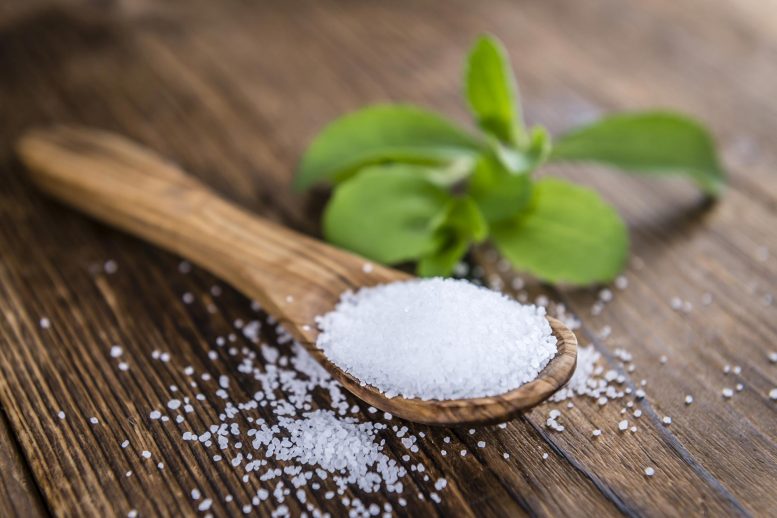
    Stevia Sweetener
    A recent study suggests that the natural sweetener stevia could disrupt gut microbial balance.

    Possible Bittersweet Effects of Stevia Uncovered

    According to a new study by Ben-Gurion University of the Negev (BGU) researchers, the natural sweetener stevia may lead to a gut microbial imbalance. The findings were just published in Molecules, a leading international peer-reviewed journal of chemistry.

    Stevia is a natural low-calorie sweetener that is growing in popularity in food and beverage products and is generally considered safe. However, emerging scientific evidence has implicated the sweetener in gut microbial imbalance, which can lead to a variety of gastrointestinal health issues.

    According to the new study, stevia may disrupt communications between different bacteria in the gut microbiome. While the team found that stevia inhibited these pathways, it did not kill off the bacteria.

    “This is an initial study that indicates that more research is warranted before the food industry replaces sugar and artificial sweeteners with stevia and its extracts,” says lead researcher Dr. Karina Golberg, of the BGU Avram and Stella Goldstein-Goren Department of Biotechnology Engineering.

    Reference: “Anti-Quorum Sensing Activity of Stevia Extract, Stevioside, Rebaudioside A and Their Aglycon Steviol” by Victor Markus, Orr Share, Kerem Teralı Nazmi Ozer Robert S. Marks Ariel Kushmaro and Karina Golberg, 23 November 2020, Molecules.
    DOI: 10.3390/molecules25225480

    The researchers who participated in the study include Prof. Ariel Kushmaro, Dr. Karina Golberg and Prof. Robert Marks of the BGU Avram and Stella Goldstein-Goren Department of Biotechnology Engineering, and their students Orr Share and Victor Markus. Prof. Kerem Terali from Near East University in Turkey and Prof. Nazmi Ozer from Hacettepe University in Cyprus also participated in the research.

    The study was partially supported by the Israeli Council for Higher Education.

    Never miss a breakthrough: Join the SciTechDaily newsletter.
    Follow us on Google and Google News.

    Ben-Gurion University of The Negev Microbiome Nutrition
    Share. Facebook Twitter Pinterest LinkedIn Email Reddit

    Related Articles

    Nerve Regeneration and Repair: Intermittent Fasting May Help Heal Nerve Damage

    Not All Dietary Fibers Are Equal – Health Benefits of Dietary Fiber Vary

    Microbes in Your Gut May Affect Personality – Could Be Associated With Mental and Physical Fatigue

    High-Fiber Diet May Improve the Response of Melanoma Skin Cancer Patients to Immunotherapy

    Consuming Artificial Sweeteners During Pregnancy May Affect Baby’s Microbiome and Obesity Risk

    How Diet and Lifestyle Modifications May Lower Risk of Lethal Prostate Cancer

    Fasting May Help Ward Off Infections – Protects Against Foodborne Illness Such As Salmonella

    Mediterranean Diet May Help Curb Advance of Frailty and Cognitive Decline in Older People

    Perfectly Raw or Cooked to Perfection? How Food Preparation Affects the Microbiome

    1 Comment

    1. jahon on December 11, 2020 6:38 am

      Thanks for posting these highly needed information

      Reply
    Leave A Reply Cancel Reply

    • Facebook
    • Twitter
    • Pinterest
    • YouTube

    Don't Miss a Discovery

    Subscribe for the Latest in Science & Tech!

    Trending News

    New Research Challenges Common Exercise Advice for Bone Health

    Avoiding These 3 Health Risks in Midlife Linked to 13 More Years Without Dementia

    Where Were All the Tiny Dinosaurs? Scientists May Finally Have an Answer

    Humanity May Soon Have the Technology To Reach Other Star Systems

    Popular GLP-1 Weight-Loss Drugs Linked to 30% Lower Breast Cancer Risk

    A Deadly Fungus Has Found the Perfect Hiding Place: Human Hair Follicles

    Ancient Neanderthal DNA May Give Some People More Muscle

    How a Low-Fat Vegan Diet Helped People Lose Weight Without Counting Calories

    Follow SciTechDaily
    • Facebook
    • Twitter
    • YouTube
    • Pinterest
    • Newsletter
    • RSS
    SciTech News
    • Biology News
    • Chemistry News
    • Earth News
    • Health News
    • Physics News
    • Science News
    • Space News
    • Technology News
    Recent Posts
    • New Drug Turns Cancer’s Favorite Fuel Into a Deadly Weakness
    • Scientists Solve a Vitamin B12 Mystery With an Unexpected Culprit
    • Has the Autism Spectrum Become Too Broad? Leading Scientist Warns of Hidden Consequences
    • Scientists Reprogram How Light Travels in Just 74 Femtoseconds
    • Scientists Uncover New Clues to a Long-Standing Bonnethead Shark Mystery
    Copyright © 1998 - 2026 SciTechDaily. All Rights Reserved.
    • Science News
    • About
    • Contact
    • Editorial Board
    • Privacy Policy
    • Terms of Use

    Type above and press Enter to search. Press Esc to cancel.