
Close Menu
    Facebook X (Twitter) Instagram
    SciTechDaily
    • Biology
    • Chemistry
    • Earth
    • Health
    • Physics
    • Science
    • Space
    • Technology
    Facebook X (Twitter) Pinterest YouTube RSS
    SciTechDaily
    Home»Science»Invasive Insects Will Kill 1.4 Million US Street Trees Over the Next 30 Years, Costing Over $900 Million
    Science

    Invasive Insects Will Kill 1.4 Million US Street Trees Over the Next 30 Years, Costing Over $900 Million

    By McGill UniversityApril 10, 20221 Comment2 Mins Read
    Facebook Twitter Pinterest Telegram LinkedIn WhatsApp Email Reddit
    Share
    Facebook Twitter LinkedIn Pinterest Telegram Email Reddit
    Neighborhood Street Trees
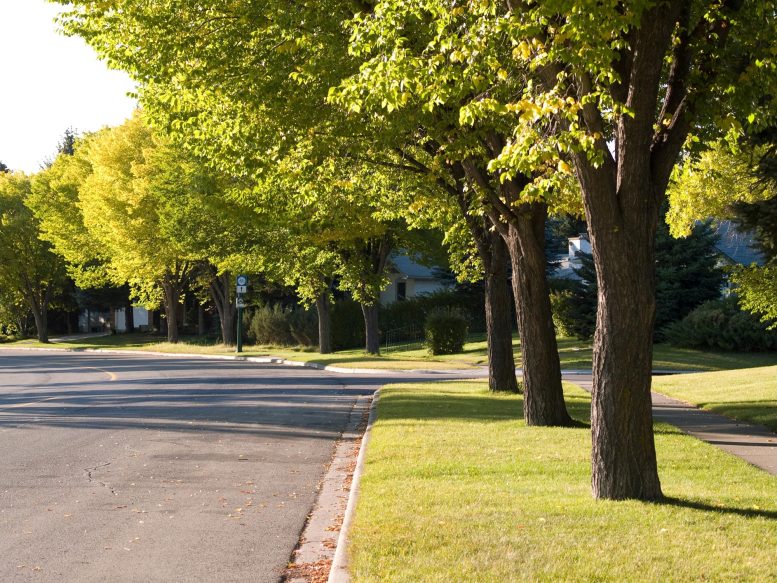
    The researcher predicts that 90% of the projected 1.4 million tree deaths will be caused by the emerald ash borer, which is expected to eliminate nearly all ash trees in over 6,000 urban areas.

    A study forecasts the loss of 1.4 million U.S. street trees from invasive insects, primarily the emerald ash borer, over the next 30 years. The estimated replacement cost is over $900 million.

    A new study by researchers from McGill University, the USDA Forest Service Southern Research Station, and North Carolina State University estimates that over the next 30 years, 1.4 million street trees will be killed by invasive insects, costing over $900 million USD to replace. The findings are published in the British Ecological Society’s Journal of Applied Ecology.

    McGill PhD graduate Emma J. Hudgins, the study’s lead author, created the first nationwide spatial forecast of street tree mortality from invasive insects, building models to extrapolate to roughly 30,000 urban areas across the United States. Now a post-doctoral fellow at Carleton University, Hudgins puts forth that 90 percent of the 1.4 million tree deaths forecasted in the study are predicted to be caused by the emerald ash borer (Agrilus planipennis), which is expected to kill virtually all ash trees in more than 6,000 urban areas. The researchers predict that the impact of invasive insects will not be evenly spread across the country, with less than a quarter of US communities set to experience 95 percent of all street tree mortality resulting from invasive insects.

    The team says that their findings can help urban tree managers to know which tree species, in which areas, will be at the greatest risk from invasive insects. Their findings can be used to prioritize management efforts such as quarantining wood products. “These results can hopefully provide a cautionary tale against planting a single species of tree throughout entire cities, as has been done with ash trees in North America. Increasing urban tree diversity provides resilience against pest infestations,” Hudgins said.

    Reference: “Hotspots of pest-induced US urban tree death, 2020–2050” by Emma J. Hudgins, Frank H. Koch, Mark J. Ambrose, Brian Leung, 13 March 2022, Journal of Applied Ecology.
    DOI: 10.1111/1365-2664.14141

    Never miss a breakthrough: Join the SciTechDaily newsletter.
    Follow us on Google and Google News.

    Ecology Insect Invasive Species McGill University Plant Science Trees
    Share. Facebook Twitter Pinterest LinkedIn Email Reddit

    Related Articles

    Scientists Decode the Secret of Unusual Blue Rings in Norway’s Trees

    Huge New Study Estimates There Are 9,200 Tree Species on Earth Yet To Be Discovered

    “Mystery of Manu” – A Strange Tree in the Amazon Rainforest Left Scientists Scratching Their Heads for 50 Years

    An Invasive Moth Killed Thousands of Acres of Oak Trees, but Some Trees Survived – Here’s Why

    Shocking Research: Over Half of the World’s Rivers Cease to Flow for at Least One Day a Year

    Preventing the Spread of Plant Pandemics: New Tools Needed to Curb Threats to Global Food Security

    Keeping California a Powerhouse of Almond Production While Improving Environmental Quality

    Scientists Unravel How and Why Amazon Trees Die & Why Tree Mortality Is Increasing

    New Water Mold Threatening Christmas Trees Discovered by Scientists Accidentally

    1 Comment

    1. xABBAAA on April 10, 2022 8:34 am

      … when no body thinks about protecting trees, but rather how to kill other human… and it will produce more and more C02…
      … where are bots to kill the bad ones, now!

      Reply
    Leave A Reply Cancel Reply

    • Facebook
    • Twitter
    • Pinterest
    • YouTube

    Don't Miss a Discovery

    Subscribe for the Latest in Science & Tech!

    Trending News

    “I Couldn’t Do It Anymore” – Antarctic Guides Quit Their Dream Jobs After Witnessing Tourism’s Damage

    Scientists Say Eating Less Protein May Help You Live Longer

    Scientists Solve a Long-Standing Mystery About Bird and Dinosaur Eggs

    Belly Fat and Low Vitamin D May More Than Double the Risk of Early Death

    Lost in Space: Rare Cosmic Flare Exposes a Wandering Black Hole Far From Its Galaxy’s Center

    Dark Matter May Be Leaving a Signal in Earth’s Atmosphere

    Scientists Discover a 300-Million-Year-Old Geological Time Capsule Inside Fossilized Wood

    Oral Weight Loss Pill Helps Patients Lose up to 12% of Body Weight

    Follow SciTechDaily
    • Facebook
    • Twitter
    • YouTube
    • Pinterest
    • Newsletter
    • RSS
    SciTech News
    • Biology News
    • Chemistry News
    • Earth News
    • Health News
    • Physics News
    • Science News
    • Space News
    • Technology News
    Recent Posts
    • Industrial Chicken Farming Is Supercharging the Spread of a Dangerous Foodborne Bacterium
    • Honeybee Queens May Pass Toxic Chemicals to the Next Generation
    • This Common Amino Acid May Help the Body Fight Cancer and Viruses
    • Schizophrenia’s Brain Damage May Start in One Key Region
    • A Simple Treatment Could Save Extremely Premature Babies From Blindness
    Copyright © 1998 - 2026 SciTechDaily. All Rights Reserved.
    • Science News
    • About
    • Contact
    • Editorial Board
    • Privacy Policy
    • Terms of Use

    Type above and press Enter to search. Press Esc to cancel.