
Close Menu
    Facebook X (Twitter) Instagram
    SciTechDaily
    • Biology
    • Chemistry
    • Earth
    • Health
    • Physics
    • Science
    • Space
    • Technology
    Facebook X (Twitter) Pinterest YouTube RSS
    SciTechDaily
    Home»Space»Humanity’s Outpost in Space: Partners Pledge Extension of the International Space Station
    Space

    Humanity’s Outpost in Space: Partners Pledge Extension of the International Space Station

    By NASAApril 29, 20232 Comments3 Mins Read
    Facebook Twitter Pinterest Telegram LinkedIn WhatsApp Email Reddit
    Share
    Facebook Twitter LinkedIn Pinterest Telegram Email Reddit
    International Space Station
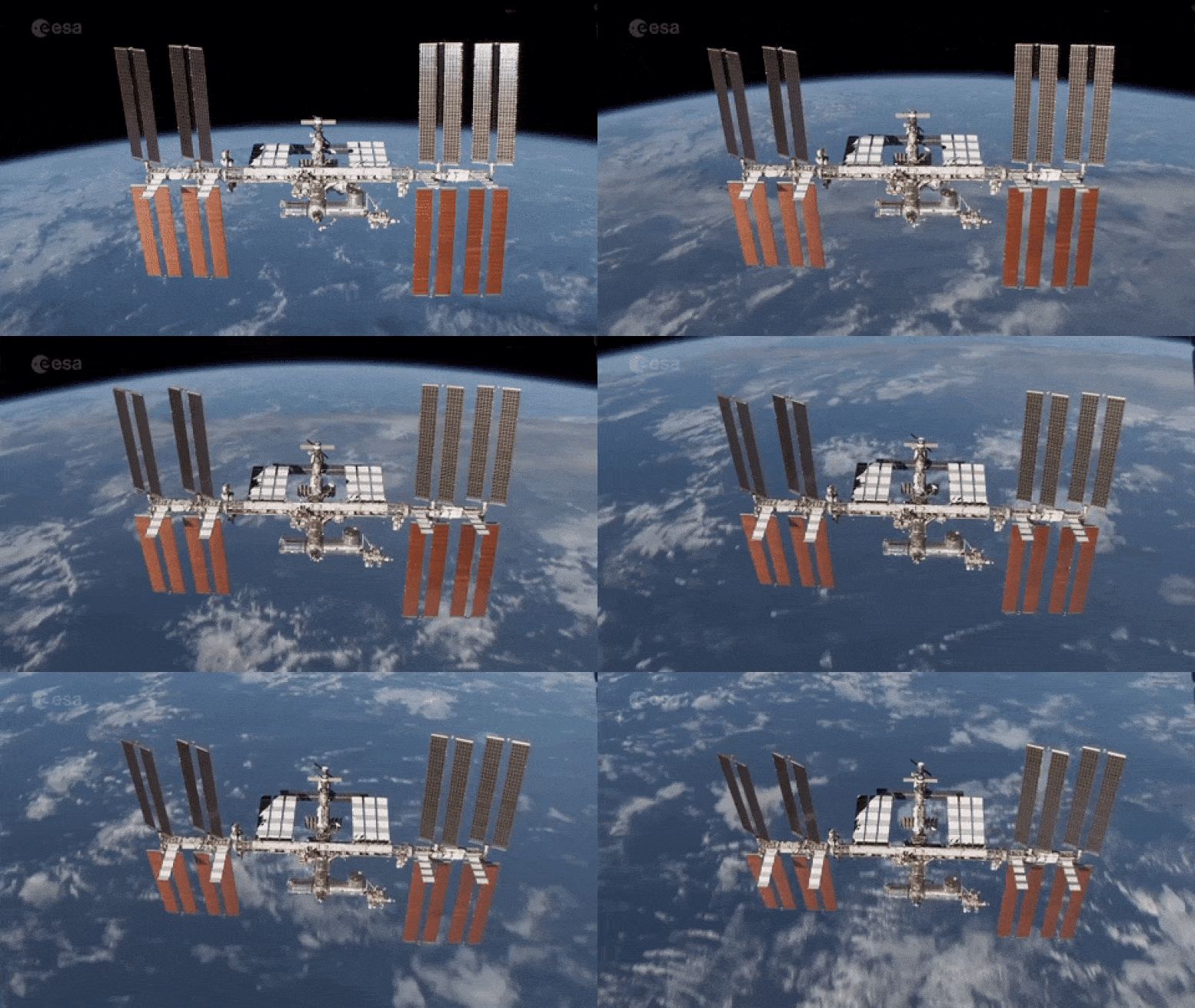
    Monday November 2, 2020, marked 20 years since the first crew took up residence on the International Space Station. Since then the football field-sized feat of engineering has hosted 26 European missions and supported over 2700 international experiments to improve life on Earth and in space. Credit: ESA/NASA

    The International Space Station (ISS) partners have committed to extending its operations, with the United States, Japan, Canada, and European Space Agency (ESA) countries supporting it until 2030, and Russia until 2028.

    The ISS has been a unique platform for conducting cutting-edge science and research in microgravity for over 22 years, with 266 individuals from 20 countries conducting over 3,300 experiments in various scientific fields. As it enters its third decade, the focus is on maximizing scientific returns, with new benefits and innovative research emerging. The ISS is one of the most intricate international collaborations, with all partners crucial for its operation. Its continued presence aids NASA’s Artemis missions for long-term lunar exploration.

    The International Space Station (ISS) partners have committed to extending the operations of this unique platform in low Earth orbit where, for more than 22 years, humans have lived and worked for the benefit of humanity, conducting cutting-edge science and research in microgravity. The United States, Japan, Canada, and the participating countries of ESA (European Space Agency) have confirmed they will support continued space station operations through 2030 and Russia has confirmed it will support continued station operations through 2028. NASA will continue to work with its partner agencies to ensure an uninterrupted presence in low Earth orbit, as well as a safe and orderly transition from the space station to commercial platforms in the future.

    “The International Space Station is an incredible partnership with a common goal to advance science and exploration,” said Robyn Gatens, director of the International Space Station Division at NASA Headquarters in Washington. “Extending our time aboard this amazing platform allows us to reap the benefits of more than two decades of experiments and technology demonstrations, as well as continue to materialize even greater discovery to come.”
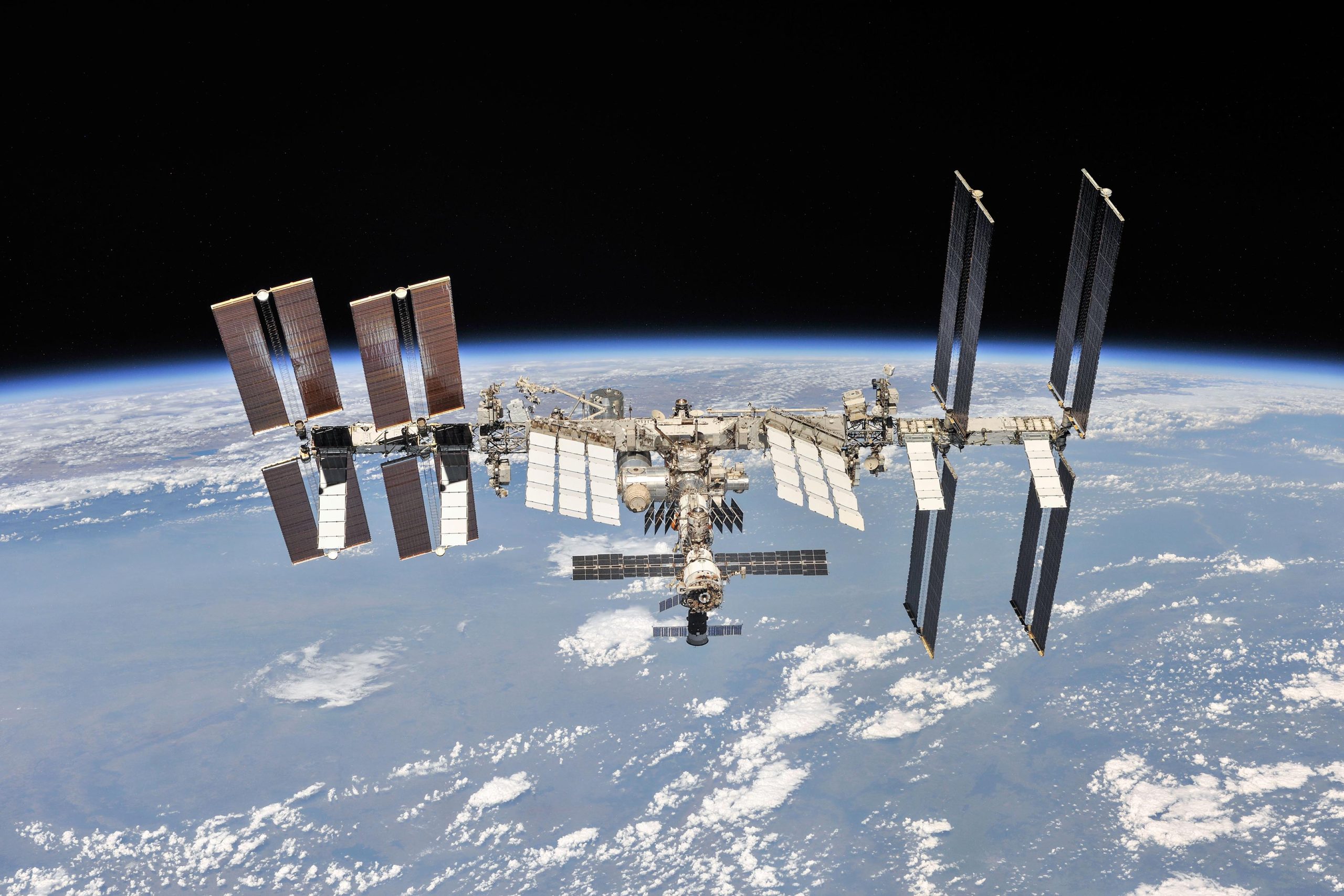
    International Space Station Expedition 56
    The International Space Station photographed by Expedition 56 crew members from a Soyuz spacecraft after undocking on October 4, 2018. NASA astronauts Andrew Feustel and Ricky Arnold and Roscosmos cosmonaut Oleg Artemyev executed a fly around of the orbiting laboratory to take pictures of the station before returning home after spending 197 days in space. Credit: NASA/Roscosmos

    Since its launch in 1998, the International Space Station has been visited by 266 individuals from 20 countries. The space station is a unique scientific platform where crew members conduct experiments across multiple disciplines of research, including Earth and space science, biology, human physiology, physical sciences and technology demonstrations that could not be done on Earth. The crew living aboard the station are the hands of thousands of researchers on the ground conducting more than 3,300 experiments in microgravity. Now, in its third decade of operations, the station is in the decade of results when the platform can maximize its scientific return. Results are compounding, new benefits are materializing, and innovative research and technology demonstrations are building on previous work.

    The space station is one of the most complex international collaborations ever attempted. It was designed to be interdependent, relies on contributions from across the partnership to function, and no partner currently has the capability to operate the space station without the other.

    With a continued foothold in low Earth orbit, NASA’s Artemis missions are underway, setting up a long-term presence at the Moon for science and exploration.

    Never miss a breakthrough: Join the SciTechDaily newsletter.
    Follow us on Google and Google News.

    European Space Agency International Space Station JAXA NASA
    Share. Facebook Twitter Pinterest LinkedIn Email Reddit

    Related Articles

    NASA Executes Rare Medical Evacuation From the International Space Station

    What Happens When You Launch a Wooden Satellite Into Space? JAXA Finds Out

    NASA Astronaut Gets a Good GRASP on Gravity

    Astronauts Chosen for NASA SpaceX Crew-3 Mission to Space Station

    Relaxing Inside the International Space Station’s Window to the World

    SpaceX Crew Dragon Docks to Space Station, Hatches Open Soon

    Successful Falcon 9 Launch Sends NASA’s SpaceX Crew-1 Astronauts on Way to ISS

    Dosis-3D: Hidden Science Aboard the International Space Station

    Japanese HTV-9 Cargo Ship Completes Space Station Resupply Mission

    2 Comments

    1. Digambar Parab on May 1, 2023 4:25 am

      NASA should start building its next ISS on Lunar surface only. It is possible to build space station with the help of advanced spacecrafts with multispeed and multipurpose. It is waste of time, money and energy to build such space stations in the orbits of earth now. It is possible to take shelters in the caves on lunar surface in future.

      Reply
    2. Rohan on May 4, 2023 5:10 am

      It is sad that instead of working towards a bigger, better, and truly International Space Station, we are now returning to the cold war era in many ways with every country going its own way.

      Reply
    Leave A Reply Cancel Reply

    • Facebook
    • Twitter
    • Pinterest
    • YouTube

    Don't Miss a Discovery

    Subscribe for the Latest in Science & Tech!

    Trending News

    Millions of People Have Osteopenia Without Realizing It – Here’s What You Need To Know

    Researchers Discover Boosting a Single Protein Helps the Brain Fight Alzheimer’s

    World-First Study Reveals Human Hearts Can Regenerate After a Heart Attack

    Why Your Dreams Feel So Real Sometimes and So Strange Other Times

    This Simple Home Device May Boost Brain Power in Adults Over 40

    Enormous Prehistoric Insects Puzzle Scientists

    Scientists Develop Bioengineered Chewing Gum That Could Help Fight Oral Cancer

    After 37 Years, the World’s Longest-Running Soil Warming Experiment Uncovers a Startling Climate Secret

    Follow SciTechDaily
    • Facebook
    • Twitter
    • YouTube
    • Pinterest
    • Newsletter
    • RSS
    SciTech News
    • Biology News
    • Chemistry News
    • Earth News
    • Health News
    • Physics News
    • Science News
    • Space News
    • Technology News
    Recent Posts
    • This Is What Makes You Irresistible to Mosquitoes
    • Shockingly Powerful Giant Octopuses Ruled the Seas 100 Million Years Ago
    • After 100 Years, Scientists Uncover Hidden Rule Governing Cosmic Rays
    • The Milky Way Has a Hidden Edge and Scientists Finally Mapped It
    • Scientists Stunned by New Organic Molecules Found on Mars
    Copyright © 1998 - 2026 SciTechDaily. All Rights Reserved.
    • Science News
    • About
    • Contact
    • Editorial Board
    • Privacy Policy
    • Terms of Use

    Type above and press Enter to search. Press Esc to cancel.