

Riding with the Perseverance rover, the instrument has proved to be a viable technology for astronauts on Mars to produce oxygen for fuel and breathing.
When the first astronauts land on Mars, they may have the descendants of a microwave-oven-size device to thank for the air they breathe and the rocket propellant that gets them home.
That device, called MOXIE (Mars Oxygen In-Situ Resource Utilization Experiment), has generated oxygen for the 16th and final time aboard NASA’s Perseverance rover. After the instrument proved far more successful than its creators at the Massachusetts Institute of Technology (MIT) expected, its operations are concluding.
“MOXIE’s impressive performance shows that it is feasible to extract oxygen from Mars’ atmosphere – oxygen that could help supply breathable air or rocket propellant to future astronauts,” said NASA Deputy Administrator Pam Melroy. “Developing technologies that let us use resources on the Moon and Mars is critical to build a long-term lunar presence, create a robust lunar economy, and allow us to support an initial human exploration campaign to Mars.”
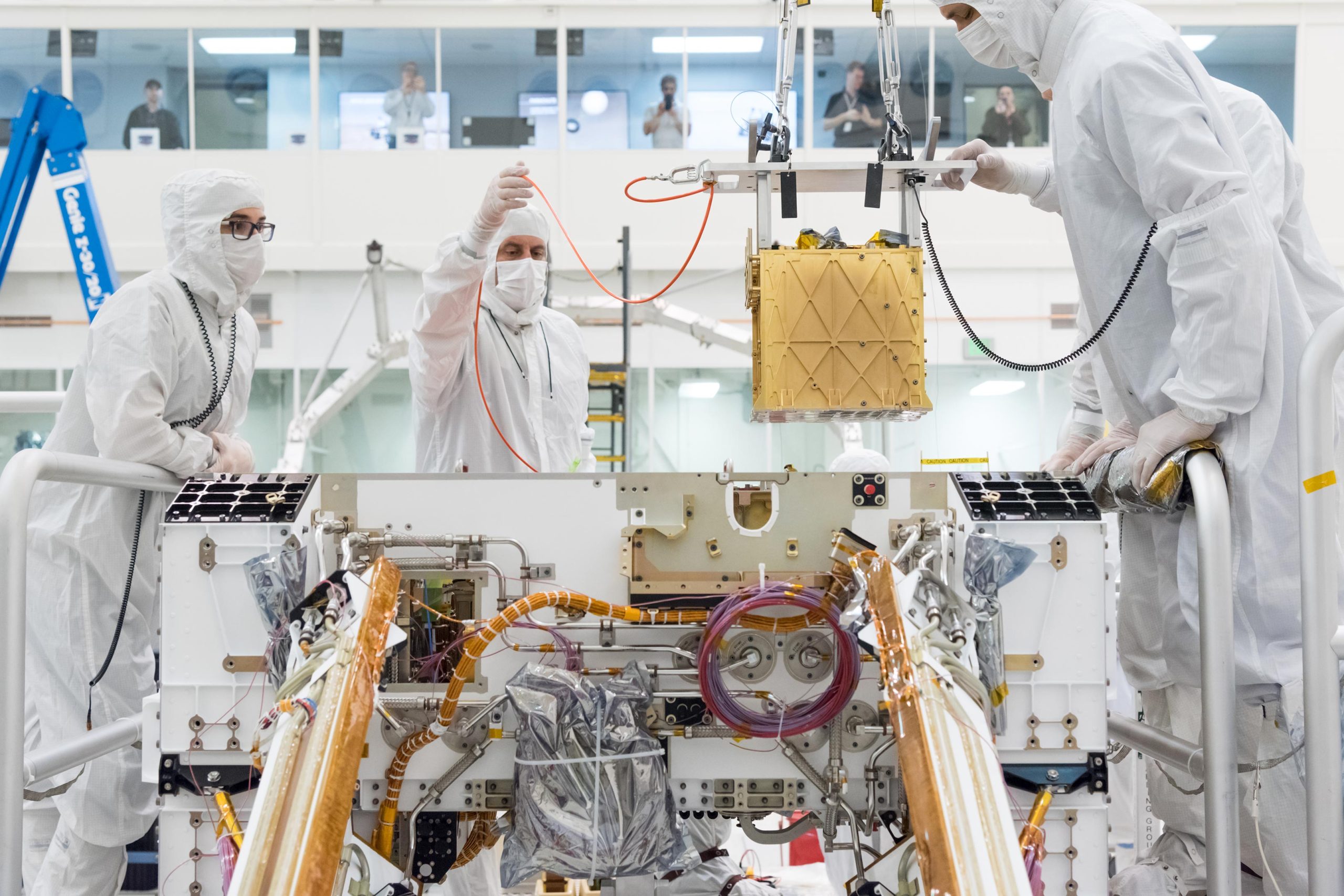
Since Perseverance landed on Mars in 2021, MOXIE has generated a total of 122 grams of oxygen – about what a small dog breathes in 10 hours. At its most efficient, MOXIE was able to produce 12 grams of oxygen an hour – twice as much as NASA’s original goals for the instrument – at 98% purity or better.
On its 16th run, on August 7, the instrument made 9.8 grams of oxygen. MOXIE successfully completed all of its technical requirements and was operated at a variety of conditions throughout a full Mars year, allowing the instrument’s developers to learn a great deal about the technology.
Innovative Tech for Future Explorations
“We’re proud to have supported a breakthrough technology like MOXIE that could turn local resources into useful products for future exploration missions,” said Trudy Kortes, director of technology demonstrations, Space Technology Mission Directorate (STMD) at NASA Headquarters in Washington, which funds the MOXIE demonstration. “By proving this technology in real-world conditions, we’ve come one step closer to a future in which astronauts ‘live off the land’ on the Red Planet.”
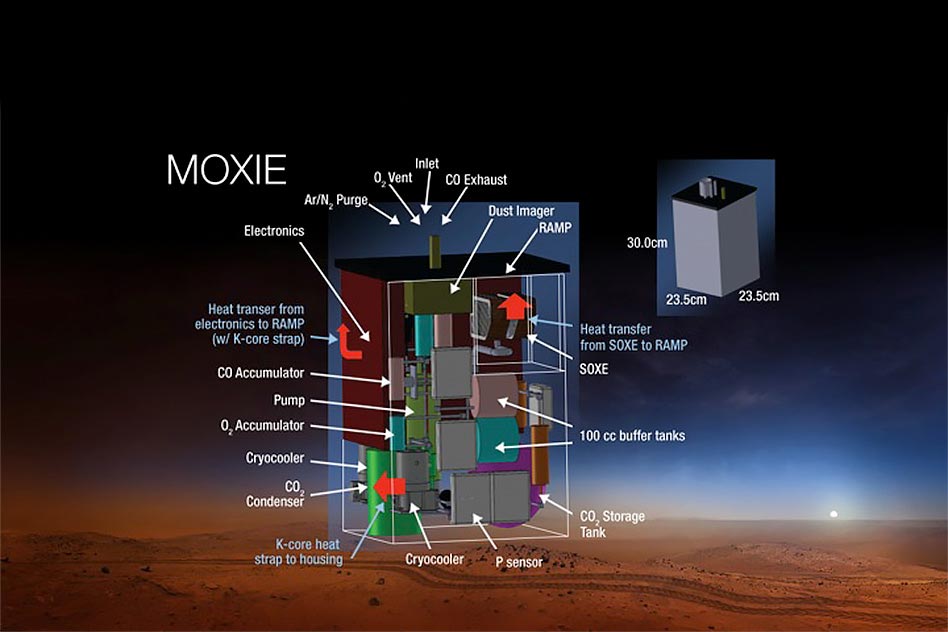
MOXIE produces molecular oxygen through an electrochemical process that separates one oxygen atom from each molecule of carbon dioxide pumped in from Mars’ thin atmosphere. As these gases flow through the system, they’re analyzed to check the purity and quantity of the oxygen produced.
Pioneering Martian Resource Utilization
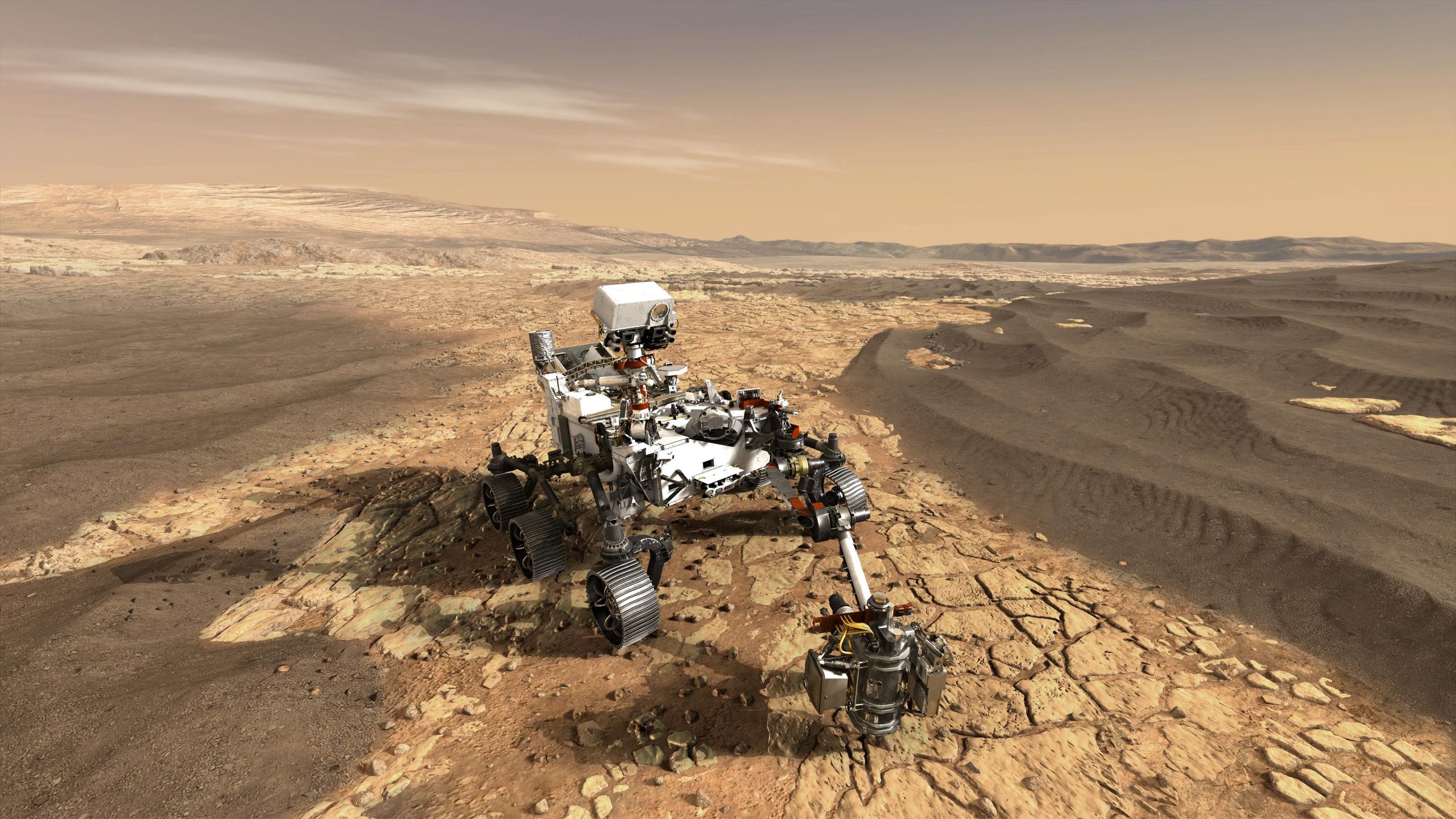
While many of Perseverance’s experiments are addressing the mission’s primary science goals, MOXIE was focused on future human exploration. MOXIE served as the first-ever demonstration of technology that humans could use to survive on, and leave, the Red Planet. An oxygen-producing system could help future missions in various ways, but the most important of them would be as a source of rocket propellant, which would be required in industrial quantities to launch rockets with astronauts for their return trip home.
Rather than bringing large quantities of oxygen with them to Mars, future astronauts could live off the land, using materials they find on the planet’s surface to survive. This concept – called in-situ resource utilization, or ISRU – has evolved into a growing area of research.
“MOXIE has clearly served as inspiration to the ISRU community,” said the instrument’s principal investigator, Michael Hecht of MIT. “It showed NASA is willing to invest in these kinds of future technologies. And it has been a flagship that has influenced the exciting industry of space resources.”
Future Focus
The next step wouldn’t be building MOXIE 2.0 – although Hecht and his team have learned a lot about how to design a more efficient version of the instrument. Rather, it would be to create a full-scale system that includes an oxygen generator like MOXIE and a way to liquefy and store that oxygen.
But more than anything, Hecht would like to see other technologies get their turn on Mars. “We have to make decisions about which things need to be validated on Mars,” Hecht said. “I think there are many technologies on that list; I’m very pleased MOXIE was first.”
More About the Mission
A key objective for Perseverance’s mission on Mars is astrobiology, including the search for signs of ancient microbial life. The rover will characterize the planet’s geology and past climate, pave the way for human exploration of the Red Planet, and be the first mission to collect and cache Martian rock and regolith (broken rock and dust).
Subsequent NASA missions, in cooperation with ESA (European Space Agency), would send spacecraft to Mars to collect these sealed samples from the surface and return them to Earth for in-depth analysis.
The Mars 2020 Perseverance mission is part of NASA’s Moon to Mars exploration approach, which includes Artemis missions to the Moon that will help prepare for human exploration of the Red Planet.
NASA’s Jet Propulsion Laboratory, which is managed for the agency by Caltech in Pasadena, California, built and manages operations of the Perseverance rover.
JPL manages the MOXIE project for the Technology Demonstration Missions program within STMD. MOXIE was also supported by NASA’s Exploration Systems Development Mission Directorate and the Science Mission Directorate.
Never miss a breakthrough: Join the SciTechDaily newsletter.
Follow us on Google and Google News.
4 Comments
Facebook
All of these billions of dollars of poor peoples money being spent so that a few hundred billionaires can save their lives, while they annihilate the home planet, and all the while, except for bribes and what not, not a penny comes from their own pockets.
We are finally going back to space. For those with closed minds this is the way we save our planet all the resources we ever need are in space, reach for the stars to save our world.
Ilove mars, I’m more interested in going green up there than on earth wich is already green.