
Close Menu
    Facebook X (Twitter) Instagram
    SciTechDaily
    • Biology
    • Chemistry
    • Earth
    • Health
    • Physics
    • Science
    • Space
    • Technology
    Facebook X (Twitter) Pinterest YouTube RSS
    SciTechDaily
    Home»Biology»Defying Gravity: Researchers Decipher Mysterious Growth Habit of Weeping Peach Trees
    Biology

    Defying Gravity: Researchers Decipher Mysterious Growth Habit of Weeping Peach Trees

    By American Society of Plant BiologistsMarch 6, 2024No Comments2 Mins Read
    Facebook Twitter Pinterest Telegram LinkedIn WhatsApp Email Reddit
    Share
    Facebook Twitter LinkedIn Pinterest Telegram Email Reddit
    Peach Tree
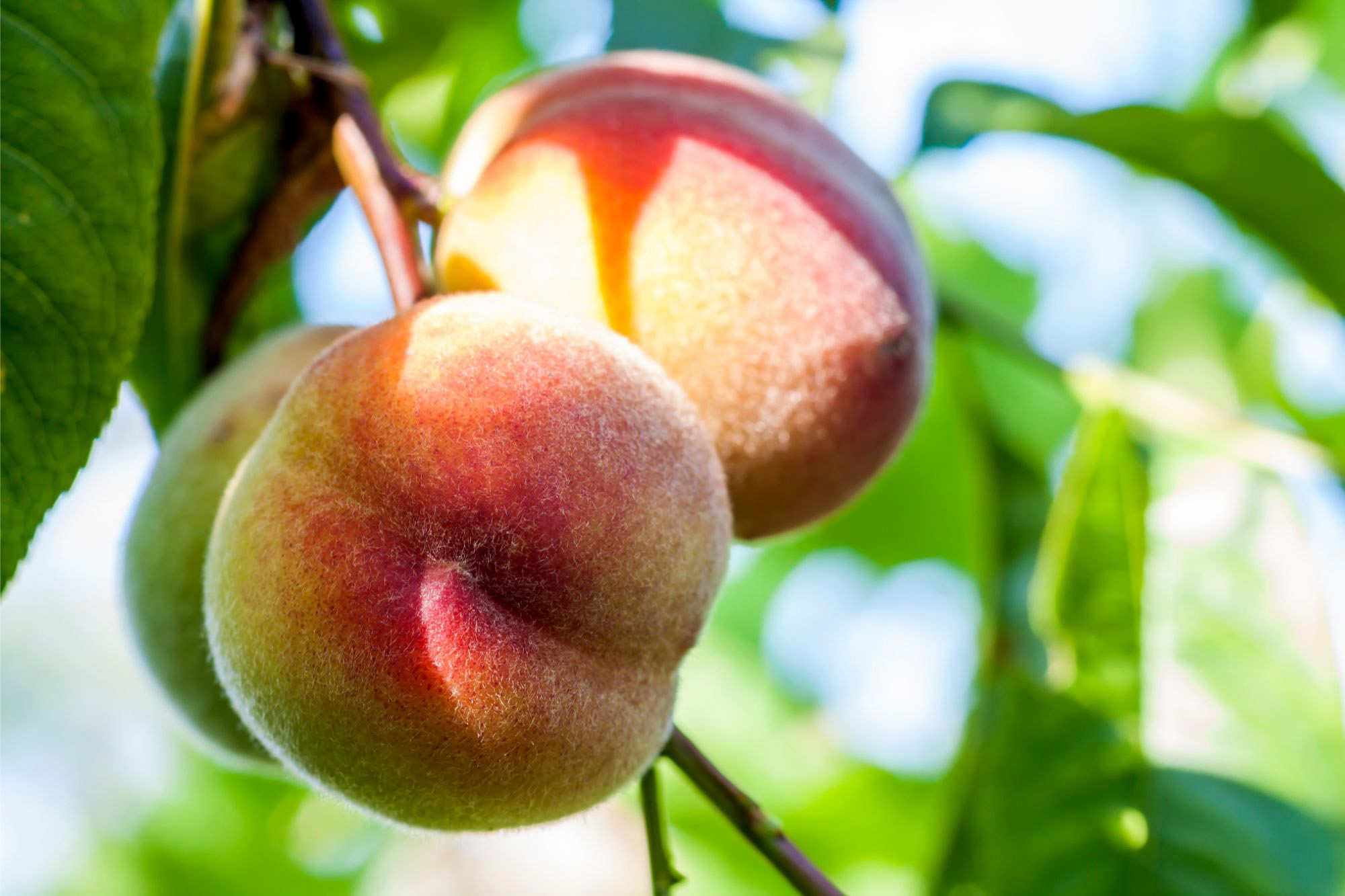
    A groundbreaking study identifies a protein, WEEP, whose absence in weeping trees like the Weeping Peach Tree causes shoots to grow downwards due to altered auxin distribution. The discovery could revolutionize orchard management by enabling closer planting of fruit trees, potentially enhancing productivity and optimizing space.

    A basic premise of how plants grow is that shoots grow up and roots grow down. A new study, published in Plant Physiology, a leading international society journal published by the American Society of Plant Biologists, reveals the answer to a fascinating question: why do weeping tree varieties defy this natural growth pattern?

    Researchers identified a protein called WEEP that is missing from the Weeping Peach Tree. Their results show how a DNA deletion in just one gene completely changes the localization of the hormone auxin, which then leads to shoots intentionally growing downwards, like roots.

    “It brings a new piece to the puzzle of how auxin gradients can be created,” noted Dr. Courtney Hollender, corresponding author of the study. “We were excited and surprised to find something new involving a gene that is in all plants, but was not picked up from Arabidopsis research.”

    Auxin Distribution in Weeping Trees

    Compared to standard peach branches, the weeping peach branches have a flipped auxin distribution at their shoot tips. A greater expression of auxin-responsive genes in the upper tissues of a weeping shoot tip — rather than the tissues in the lower side — implies the downward growth of weeping branches is due to greater auxin concentrations on the upper side of shoot tips.

    “By identifying mechanisms associated with how trees predetermine and regulate branch orientation, I am hoping to develop new breeding strategies and cultural practices that would enable fruit trees to easily and affordably be grown close together and in narrow rows to generate fruiting walls”, said Hollender, who is studying weeping peach trees as part of an effort to optimize orchard management and tree fruit production. “Our research highlights how a small change in a plant can have such a big impact.”

    Reference: “Defying Gravity: WEEP promotes negative gravitropism in peach trees by establishing asymmetric auxin gradients” by Andrea R Kohler, Andrew Scheil, Joseph L Hill, Jeffrey R Allen, Jameel M Al-Haddad, Charity Z Goeckeritz, Lucia C Strader, Frank W Telewski and Courtney A Hollender, 15 February 2024, Plant Physiology.
    DOI: 10.1093/plphys/kiae085

    Never miss a breakthrough: Join the SciTechDaily newsletter.
    Follow us on Google and Google News.

    Plant Biology Plant Physiology Plants
    Share. Facebook Twitter Pinterest LinkedIn Email Reddit

    Related Articles

    Scientists Debunk 127-Year-Old Theory of Odd Little “Water Balloons”

    Obscure Aquatic Plant Unveils Plant Growth Secret

    Resurrection – Scientists Discover It Is Not Due to a “Miracle Gene”

    Rewriting History – The First Full-Length Genomes for Homosporous Ferns

    Why Do Plants Grow Towards Light?

    Scientists Demonstrate How Auxin Reaches Its Destination

    This Unique Design Prevents Plant Cells from Bursting

    Scarecrow Gene May Lead to New Varieties of Staple Crops With Higher Yields

    Roots Show Similar Growth Patterns in Space

    Leave A Reply Cancel Reply

    • Facebook
    • Twitter
    • Pinterest
    • YouTube

    Don't Miss a Discovery

    Subscribe for the Latest in Science & Tech!

    Trending News

    Why Popular Diabetes Drugs Like Ozempic Don’t Work for Everyone: The “Genetic Glitch”

    Scientists Stunned After Finding Plant Thought Extinct for 60 Years

    Scientists Discover Tiny New Spider That Hunts Prey 6x Its Size

    Natural Component From Licorice Shows Promise for Treating Inflammatory Bowel Disease

    Scientists Warn: Popular Sweetener Linked to Dangerous Metabolic Effects

    Monster Storms on Jupiter Unleash Lightning Beyond Anything on Earth

    Scientists Create “Liquid Gears” That Spin Without Touching

    The Simple Habit That Could Help Prevent Cancer

    Follow SciTechDaily
    • Facebook
    • Twitter
    • YouTube
    • Pinterest
    • Newsletter
    • RSS
    SciTech News
    • Biology News
    • Chemistry News
    • Earth News
    • Health News
    • Physics News
    • Science News
    • Space News
    • Technology News
    Recent Posts
    • Seeing the Invisible: Scientists Develop New Way To Track Particles in 3D
    • The Atomic Gap That Could Cost the Semiconductor Industry Billions
    • Earth’s Secret Advantage: Why Most Alien Worlds May Be Too Dry for Life
    • Ancient Bacteria Turned a DNA System Into a Cell Skeleton
    • Researchers Finally Solve 50-Year-Old Blood Group Mystery
    Copyright © 1998 - 2026 SciTechDaily. All Rights Reserved.
    • Science News
    • About
    • Contact
    • Editorial Board
    • Privacy Policy
    • Terms of Use

    Type above and press Enter to search. Press Esc to cancel.