
Close Menu
    Facebook X (Twitter) Instagram
    SciTechDaily
    • Biology
    • Chemistry
    • Earth
    • Health
    • Physics
    • Science
    • Space
    • Technology
    Facebook X (Twitter) Pinterest YouTube RSS
    SciTechDaily
    Home»Biology»Researchers May Be Able to Sequence Genomes of Any Microbes
    Biology

    Researchers May Be Able to Sequence Genomes of Any Microbes

    By SciTechDailyFebruary 3, 2012No Comments2 Mins Read
    Facebook Twitter Pinterest Telegram LinkedIn WhatsApp Email Reddit
    Share
    Facebook Twitter LinkedIn Pinterest Telegram Email Reddit
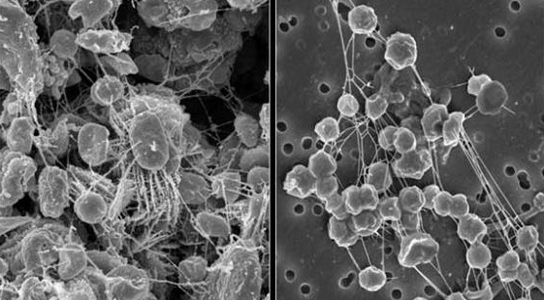
    euryarchaeota-methanogen
    Using appropriate computational tools, researchers can extract individual genomes from genetic material in samples, even without culturing the organism.

    Until now, researchers could only sequence the genomes of microbes in two ways. They could sequence it directly, which requires growing the organism in a culture to a manageable level, which isn’t always possible, or they could use metagenomics and try and pick out the DNA that belongs to the microbe from the vast amount of genetic material present in an environmental sample. This method only works if the organism is the dominant member of a community. Now, researchers have discovered that with the right computational tools, they can extract individual genomes from the slurry of genetic material in samples, even if the organism hasn’t been grown in a culture.
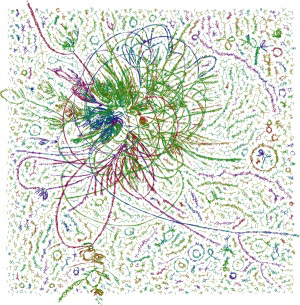
    metagenomic-approach-microbeResearchers from the University of Washington in Seattle published their findings in Science today (February 3, 2012). Virginia Armbrust et al. collected samples from surface water, and used a metagenomic approach to isolate 14 likely genomes, two of which led to complete genomes. One of these came from Euryarchaeota, a widespread group of marine organisms, which had never been grown in culture or sequenced before.

    The scientists used next-generation sequencing to extra DNA fragments from the water samples and stitch them together to produce an intact metagenome. The approach comes from video compression technology that Armbrust’s PhD student Vaughn Iverson developed for Intel. The computational method broke down the stitched metagenome into parts that could be separated into different types of organisms. Iverson plans to release the software in the next six months.

    The clever approach demonstrated that sequences of uncultured organisms could be extracted directly.

    Reference: “Untangling Genomes from Metagenomes: Revealing an Uncultured Class of Marine Euryarchaeota” by Vaughn Iverson, Robert M. Morris, Christian D. Frazar, Chris T. Berthiaume, Rhonda L. Morales and E. Virginia Armbrust, 3 February 2012, Science.
    DOI: 10.1126/science.1212665

    Never miss a breakthrough: Join the SciTechDaily newsletter.
    Follow us on Google and Google News.

    DNA Euryarchaeota Genetics Metagenomic Microbes Organism
    Share. Facebook Twitter Pinterest LinkedIn Email Reddit

    Related Articles

    Discovery of Ancient Giant Virus Remnants Offers New Clues to the Origins of Complex Life

    Early Warning: DNA Researchers Develop Critical Shortcut To Detect Known and Emerging Pathogens

    Ancient DNA From 1,600-Year-Old Iranian Sheep Mummy Brings History to Life

    Scientists Discover New Type of Extra-Chromosomal DNA

    Rare Example of Bacterial Gene Transfer Providing Evolutionary Benefit

    Human Y-Chromosome Has Enough Genes to Stay for Millions of Years

    Researchers Study Regulatory Gene’s Role in Sperm Quality Control

    Researcher Studies Root Growth to Develop Hardier, Weather-resistant Crops

    Researchers Complete Genome Sequence of a Denisovan Human Finger Bone

    Leave A Reply Cancel Reply

    • Facebook
    • Twitter
    • Pinterest
    • YouTube

    Don't Miss a Discovery

    Subscribe for the Latest in Science & Tech!

    Trending News

    A Hidden Substance in Drinking Water May Be Linked to Heart Problems in Children

    Chemical Breakthrough Could Unlock the “Holy Grail” of Solid-State Battery Technology

    Could Type 2 Diabetes Be Reversed? 14-Year Study Reveals Remarkable Results

    Earthquake Faults Can Suddenly Become Almost As Fluid as Water, Study Finds

    The Hidden Brain Mechanism That Makes You Love Coffee, Chocolate, Fat, and Sugar

    A New Era of Bionic Vision? AI Helps Scientists Unlock the Brain’s Visual Cortex

    Scientists Discover Crows Make Decisions Twice As Fast as Humans

    Animal vs. Plant Protein: New Study Reveals Unexpected Testosterone Differences

    Follow SciTechDaily
    • Facebook
    • Twitter
    • YouTube
    • Pinterest
    • Newsletter
    • RSS
    SciTech News
    • Biology News
    • Chemistry News
    • Earth News
    • Health News
    • Physics News
    • Science News
    • Space News
    • Technology News
    Recent Posts
    • Scientists Discover Greenland’s Ice Sheet Once Retreated 60 Miles
    • Researchers Recover DNA from 7,000-Year-Old Leather, Revealing a Link to Goats Alive Today
    • Scientists Discover Climate Change May Have Stopped Earth’s Next Ice Age
    • Strange Materials Make Waves Behave in Ways That Defy Expectations
    • Quantum Discovery Reveals Why More Powerful Lasers Can Actually Slow Atoms Down
    Copyright © 1998 - 2026 SciTechDaily. All Rights Reserved.
    • Science News
    • About
    • Contact
    • Editorial Board
    • Privacy Policy
    • Terms of Use

    Type above and press Enter to search. Press Esc to cancel.