
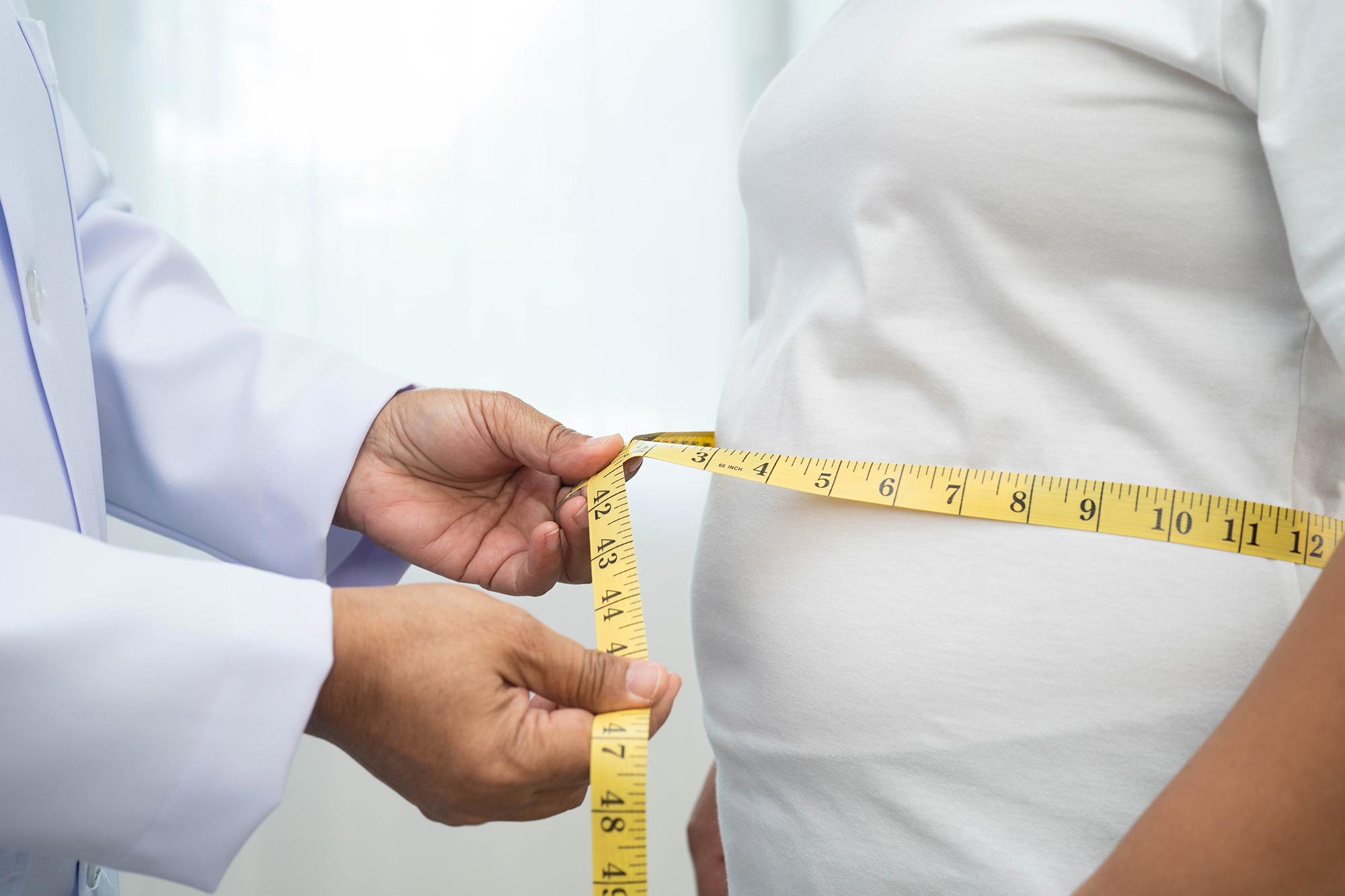
In a long-term trial, weight-loss surgery led to more type 2 diabetes remissions than intensive medical and lifestyle management, while patients’ disease histories offered clues to who might benefit most.
For some people with type 2 diabetes, keeping blood sugar under control without medication is possible. This state, known as remission, raises a question that could shape years of treatment decisions: Which approaches give people the best chance of reaching it, and what makes it more likely to last?
A long-term study found that 58% of participants assigned to weight-loss surgery achieved remission during follow-up, compared with 3% of those assigned to intensive medical and lifestyle management. Participants were followed for a median of 11 years, with some followed for up to 14 years. Those percentages describe how many people reached remission, rather than how many remained in remission throughout that time.
Researchers analyzed data from 262 people with type 2 diabetes, including 166 assigned to metabolic-bariatric surgery, commonly called weight-loss surgery, and 96 assigned to medical and lifestyle management. They defined remission as an A1C below 6.5% without blood sugar-lowering medication. A1C is a blood test that reflects average blood sugar levels over approximately three months.
The findings were published in Diabetes Care, a journal of the American Diabetes Association®. They come from the Alliance of Randomized Trials of Medicine vs. Metabolic Surgery in Type 2 Diabetes (ARMMS-T2D), the largest, longest-running trial of metabolic surgery for diabetes. The study’s lead author is Donald Simonson, M.D., MPH, Sc.D., of Brigham and Women’s Hospital and Harvard Medical School in Boston.
Diabetes history offers clues to lasting remission
Participants who had lived with diabetes for fewer years, did not use insulin, and took fewer types of blood sugar-lowering medications before treatment were more likely to achieve remission. Greater weight loss during the first year after treatment was also associated with a higher likelihood of remission.
Among people who initially reached remission, diabetes was more likely to return in those who had lived with the disease longer and those who took more types of blood sugar-lowering medications before treatment. Together, these associations suggest that a patient’s diabetes history and response to treatment may help physicians assess both the likelihood of remission and its potential duration.
A case for considering surgery earlier
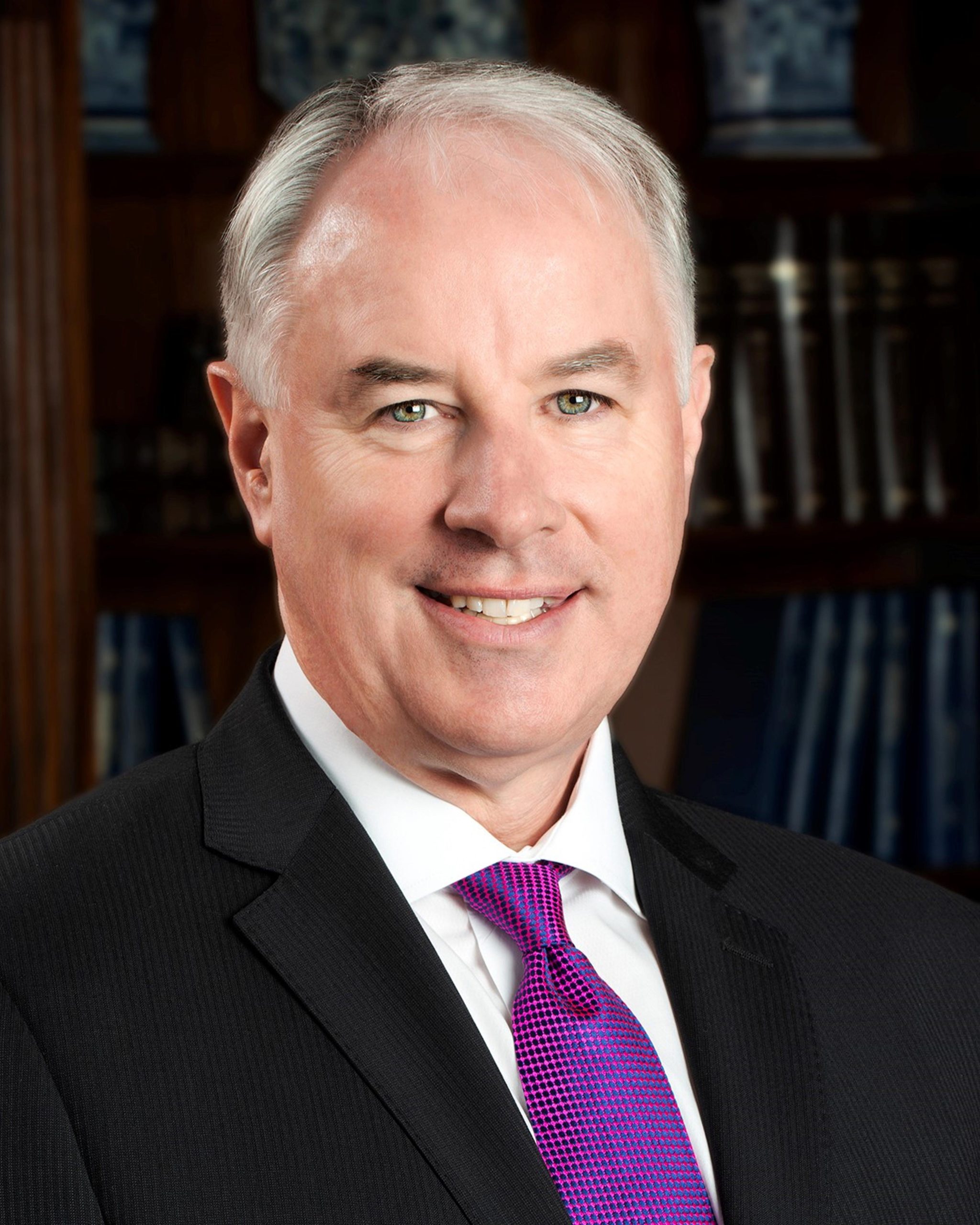
The study’s principal investigator, John P. Kirwan, Ph.D., was named executive director of the University of Oklahoma Health Harold Hamm Diabetes Center this summer. He also serves as Vice Provost for Diabetes Programs at the University of Oklahoma and holds the Chickasaw Nation Endowed Chair in Diabetes Research.
“For years, one of the most consequential questions in diabetes care has been whether the benefits of metabolic surgery endure,” Kirwan said. “Now we have a durable answer. Over 14 years, 58% of surgical patients achieved remission, compared with just 3% on medication and lifestyle alone. By identifying who is most likely to achieve lasting remission, including shorter diabetes duration, no insulin use, and greater early weight loss, we can offer surgery to the right people earlier, rather than as a last resort.”
Kirwan has led the study since its inception, through his years at the Cleveland Clinic and the Pennington Biomedical Research Center at Louisiana State University. He now brings his expertise in translational and clinical research to the OU Harold Hamm Health Campus.
“Recruiting Dr. Kirwan to lead the Harold Hamm Diabetes Center brings to Oklahoma one of the world’s foremost authorities on long-term treatment for type 2 diabetes,” said Gary Raskob, Ph.D., Senior Vice President and Provost of the OU Harold Hamm Health Campus. “Research of this caliber is exactly what this center, and Harold Hamm’s investment in it, was created to advance.”
Reference: “Predictors of Type 2 Diabetes Remission and Relapse After Metabolic-Bariatric Surgery or Medical-Lifestyle Therapy in the ARMMS-T2D Study” by Donald C. Simonson, David E. Cummings, Philip R. Schauer, Ali Aminian, Bo Hu, David E. Arterburn, John M. Jakicic, Sangeeta R. Kashyap, Ashley H. Vernon, William F. Gourash, Anita P. Courcoulas, Mary Elizabeth Patti and John P. Kirwan, 20 October 2026, Diabetes Care.
DOI: 10.2337/dc26-1070
Never miss a breakthrough: Join the SciTechDaily newsletter.
Follow us on Google and Google News.