
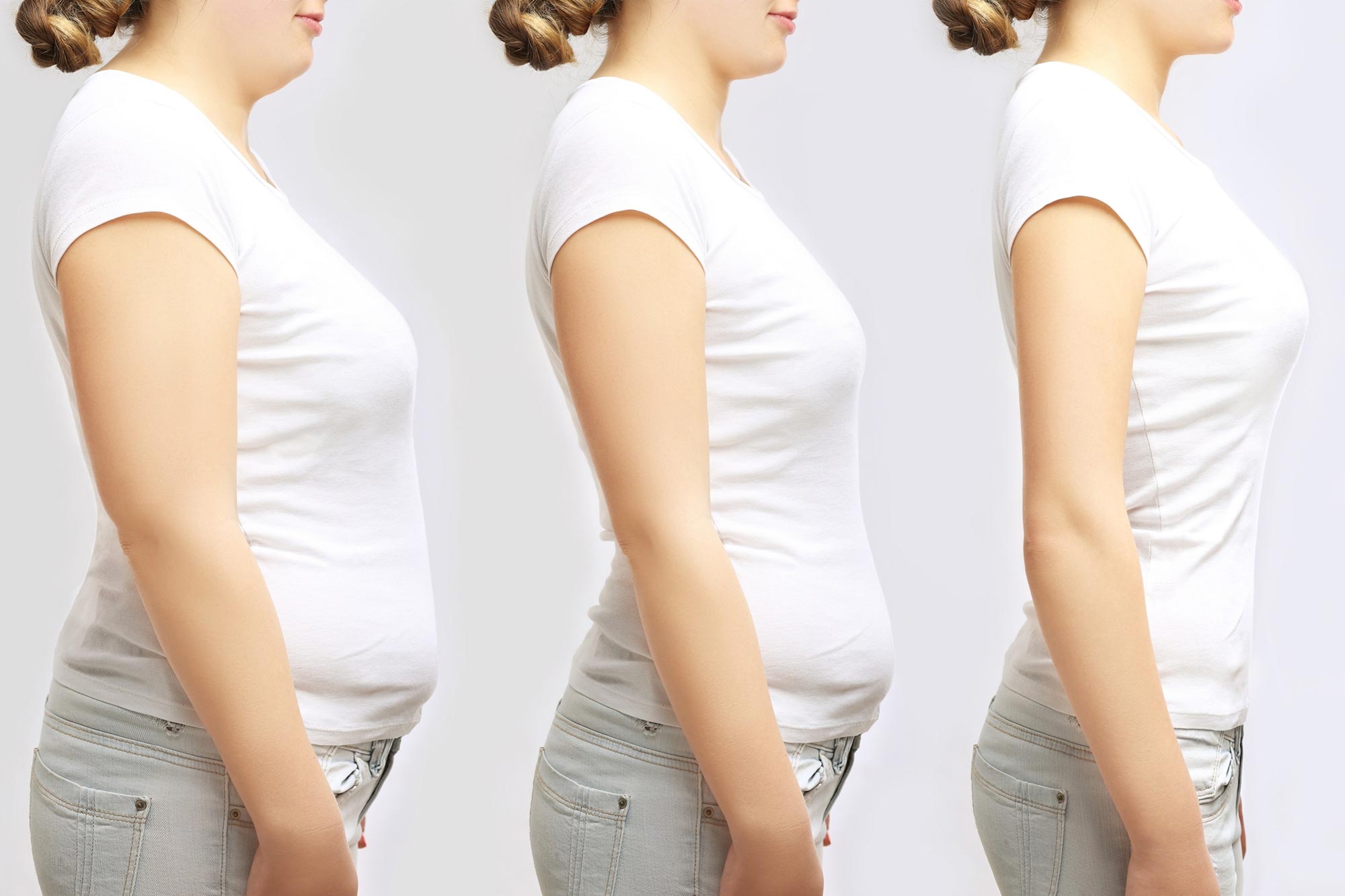
Retatrutide could help tackle obesity and type 2 diabetes together, with an 80-week trial showing substantial weight loss and better blood sugar control alongside more nausea and diarrhea.
A weekly injection beneath the skin helped adults with excess weight and type 2 diabetes lose nearly a fifth of their starting weight, on average, at the highest dose tested. That is a substantial shift on the scale for a population that has generally lost less weight with obesity medications than people without diabetes.
Researchers tested the investigational drug retatrutide over 80 weeks in TRIUMPH-2, a completed phase 3 trial involving 1,152 adults with overweight or obesity and type 2 diabetes. Participants received weekly injections of the drug or a placebo, alongside dietary counseling and guidance on physical activity. Eli Lilly, which manufactures retatrutide, sponsored the study, and the findings were published in The Lancet.
Retatrutide activates three types of hormone receptors, the molecular receiving points through which cells respond to signals. It targets receptors for glucose-dependent insulinotropic polypeptide (GIP), glucagon-like peptide-1 (GLP-1), and glucagon, making it a “triple agonist.” Researchers are investigating whether this approach can improve both weight and blood sugar control in people who need help managing the two together.
Weight loss rises with retatrutide dose
Participants entered the trial having lived with obesity for a median of 21 years and diabetes for a median of 5.6 years. At randomization, 92% were taking at least one oral glucose-lowering medication, including biguanides, SGLT-2 inhibitors, sulfonylureas, and other oral treatments.
By week 80, participants assigned to retatrutide had lost an average of 11.9% of their starting weight with the 4 mg dose, 16.8% with 9 mg, and 18.8% with 12 mg. Those receiving placebo lost an average of 5.1%. The estimated treatment differences relative to placebo were additional reductions of 6.9, 11.8, and 13.8 percentage points, respectively. Nearly half of the participants receiving 12 mg reached a weight loss threshold of at least 20%: 47% did so, compared with 6% receiving placebo. Almost a third, or 31%, lost at least a quarter of their starting weight, compared with 3% in the placebo group.
“There is an unmet need for more efficacious weight reduction in individuals with obesity and type 2 diabetes…Findings from TRIUMPH-2 suggest that retatrutide may advance the treatment of obesity and type 2 diabetes, a population where weight reduction has been challenging to achieve,” the authors write.
Blood tests tracked those changes alongside HbA1c, a measure that reflects average blood sugar over the preceding few months. From a mean starting HbA1c of 7.71%, the average reductions at week 80 were 1.38 percentage points with retatrutide 4 mg, 1.50 percentage points with 9 mg, and 1.45 percentage points with 12 mg. The placebo group’s average reduction was 0.45 percentage points.
Among participants receiving 12 mg, 72% reached an HbA1c of 6.5% or lower, compared with 29% receiving placebo. Retatrutide also significantly improved cardiometabolic risk factors, including blood pressure and lipid profiles, and reduced high-sensitivity C-reactive protein, or hsCRP, a marker of inflammation.
Medical and research centers and hospitals at 92 sites across eight countries participated in the trial: Argentina, Australia, Brazil, India, Mexico, Romania, Spain, and the United States. Adults were eligible if they were at least 18 years old, had a body mass index (BMI) of at least 27 kg/m², and had type 2 diabetes with an HbA1c between 6.5% and 10.5%.
Investigators screened 2,047 people before randomly assigning 1,152 participants to the four treatment groups. Each participant had an equal chance of receiving placebo or one of the three retatrutide doses, all administered by subcutaneous injection, meaning beneath the skin. The final assignments were 292 participants to 4 mg, 284 to 9 mg, 287 to 12 mg, and 289 to placebo.
Participants had a mean age of 55.1 years and a mean BMI of 38.2 kg/m². The reported sex breakdown was 554 female participants, or 48%, and 592 male participants, or 52%. The randomized, double-blind, placebo-controlled trial used percentage change in body weight at week 80 as its primary endpoint, with change in HbA1c at the same time point as a key secondary endpoint. Of those randomized, 1,046 participants, or 91%, completed the study, including 965 participants, or 84%, who completed it while still receiving their assigned study treatment.
Study co-author Dr. Juan Pablo Frías, medical director and principal investigator at the Los Angeles Institute for Metabolic Research in Los Angeles, California, was scheduled to present the study design and efficacy results at the Annual Meeting of the European Association for the Study of Diabetes (EASD) in Milan, Italy, September 28 to October 2.
More nausea and diarrhea with retatrutide
Diarrhea and nausea were among the gastrointestinal adverse events reported most frequently, and both occurred more often with retatrutide. Across the three drug groups, diarrhea affected 27% to 34% of participants, or 80 to 96 people per group, compared with 13%, or 38 people, receiving placebo. Nausea affected 14% to 28%, or 40 to 80 people per retatrutide group, compared with 8%, or 23 people, receiving placebo.
Participants also experienced episodes of hypotension, meaning abnormally low blood pressure, orthostatic hypotension, a drop in blood pressure upon standing, or decreased blood pressure. These events occurred in 1% of participants receiving 4 mg, 5% receiving 9 mg, and 6% receiving 12 mg, compared with less than 1% receiving placebo.
Abnormal skin sensations, such as burning or discomfort, were reported as dysesthesia in 4%, 6%, and 7% of participants receiving retatrutide 4 mg, 9 mg, and 12 mg, respectively. The corresponding figure with placebo was 1%. None of these events were classified as severe or serious.
Adverse events or death led to permanent treatment discontinuation in 12% of participants receiving 9 mg, or 33 people, and 8% receiving 12 mg, or 22 people. The figures were lower in the 4 mg group, at 4%, or 11 people, and in the placebo group, at 5%, or 14 people.
Seven participants died during the study: two in the 4 mg group, three in the 9 mg group, one in the 12 mg group, and one in the placebo group. The investigator deemed the deaths unrelated to the study intervention.
“Retatrutide demonstrated substantial reduction in body weight alongside improvements in blood sugar control and cardiometabolic risk factors, with a safety profile generally similar to other molecules with GLP-1 receptor agonist activity,” the authors conclude. “These findings support obesity treatment as a strategy for people with obesity and type 2 diabetes.”
Retatrutide’s broader health benefits remain uncertain
Researchers are also investigating retatrutide for other obesity-related complications, including cardiovascular disease, metabolic liver disease, knee osteoarthritis, chronic low back pain, and obstructive sleep apnea (OSA). Those investigations extend beyond the weight and blood sugar outcomes assessed here.
The weekly injection beneath the skin may eventually be judged by more than the weight it takes off the scale. As the authors write, “Further studies are required to determine whether these benefits translate to improvements in other obesity-related complications.”
Reference: “Retatrutide in adults with obesity and type 2 diabetes (TRIUMPH-2): a double-blind, parallel-group, randomized, placebo-controlled, phase 3 trial” by Virginia Bellido, Carel W le Roux, Elif I Ekinci, Petter Bjornstad, Juan P Frias, Kathryn Giblin, Sarah Eyde, So Young Park, João Ferro, Caroline Johnson and Amanda Taylor, 29 September 2026, The Lancet.
DOI: 10.1016/S0140-6736(26)01861-1
Meeting: Annual Meeting of the European Association for the Study of Diabetes (EASD)
Never miss a breakthrough: Join the SciTechDaily newsletter.
Follow us on Google and Google News.