
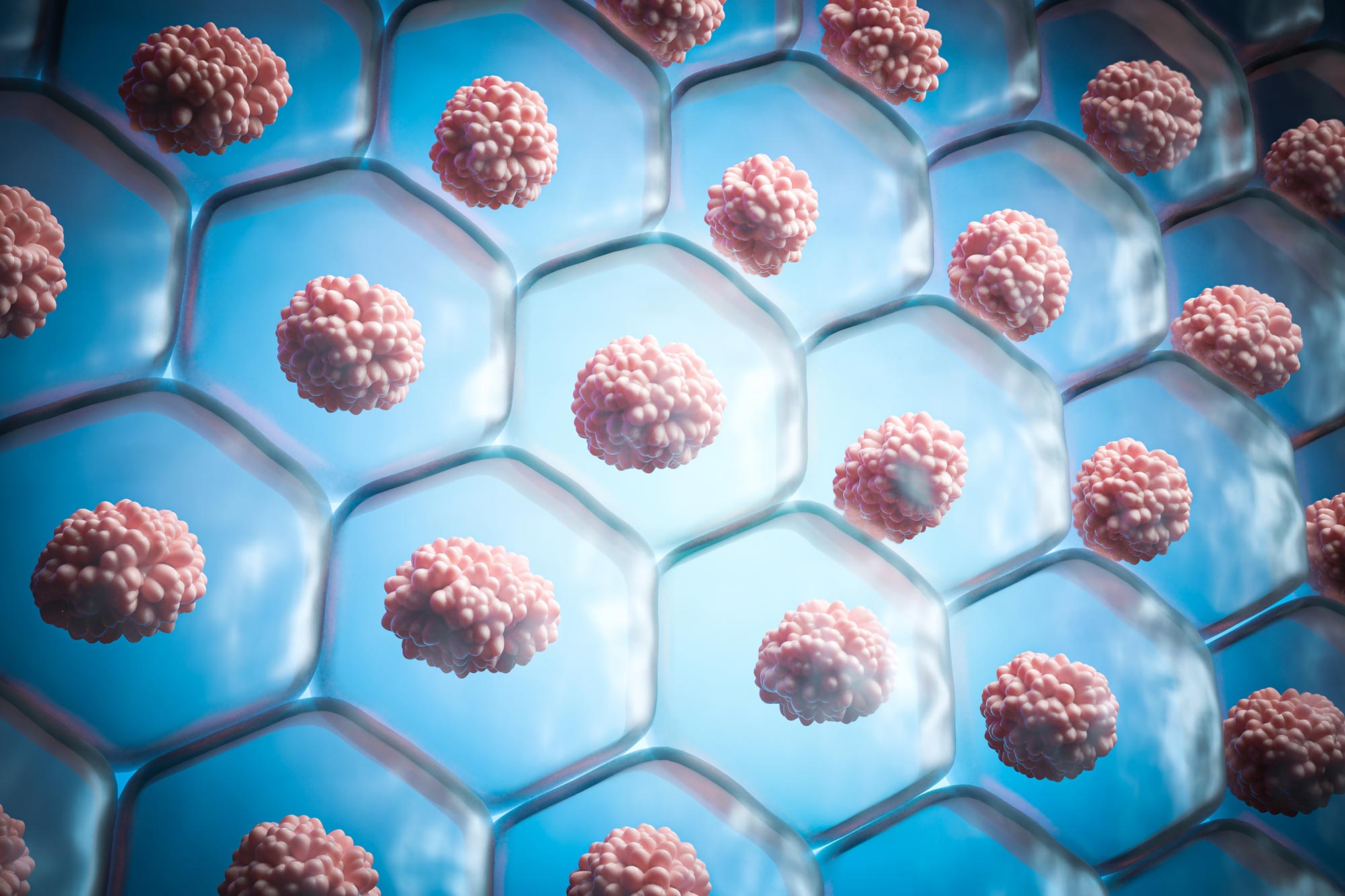
Sea cucumber tissue kept growing for more than three years after removal, surviving in seawater teeming with microbes.
Like Thing, the disembodied hand in The Addams Family, a severed piece of sea cucumber tissue kept living without the body it came from, prompting scientists to describe the animal as a “real-life zombie.” Weeks after being cut from a tube foot, the fragment appeared to be growing in seawater full of microbes, far from the sterile conditions usually needed to keep tissue cultures alive.
Scientists at Memorial University of Newfoundland followed up by placing tissue removed from the feet, main body, and tentacles of three sea cucumbers in flowing seawater. The animals belonged to Psolus fabricii, a cold-water species. Working with collaborators including Rachel Sipler, a senior research scientist at Bigelow Laboratory for Ocean Sciences, the team documented what happened to those fragments in a study published in Science Advances.
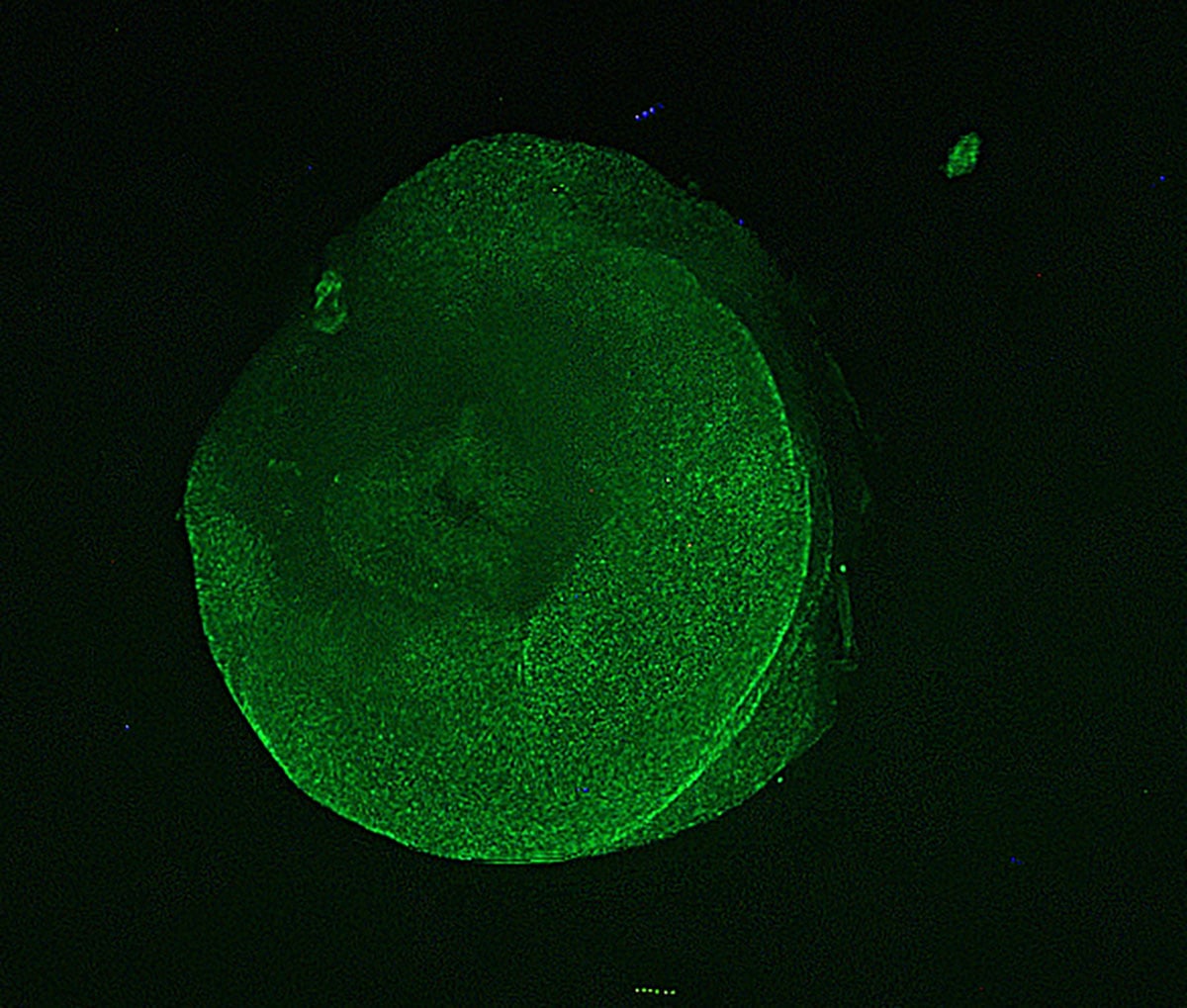
The detached fragments, called explants, retained their structure and could move independently, while the researchers detected immune activity and tissue reorganization. More than three years after removal, the tissue remained active when the team ended the experiments to prepare the findings for publication.
Seawater may feed the mouthless fragments
Without a mouth to take in food, the fragments appeared to absorb amino acids directly from the seawater. These molecules, which cells use to build proteins, offered a possible source of nourishment for tissue separated from its animal.
“Natural seawater is just about the most microbially diverse, least clean approach we could take experimentally,” Sipler said. “Yet, that rich environment full of bacteria and all this organic matter was actually feeding them and allowing this tissue to heal and grow.”
Keeping “immortal” cell lines such as HeLa alive has enabled scientists to conduct long-term experiments since the mid-20th century. Those cells can continue dividing indefinitely, but the earlier tissue cultures described by the researchers depended on carefully maintained “axenic” conditions, meaning bacteria and other organisms were absent. The team reports this as the first known demonstration of discarded tissue surviving and growing over the long term outside those tightly controlled conditions.
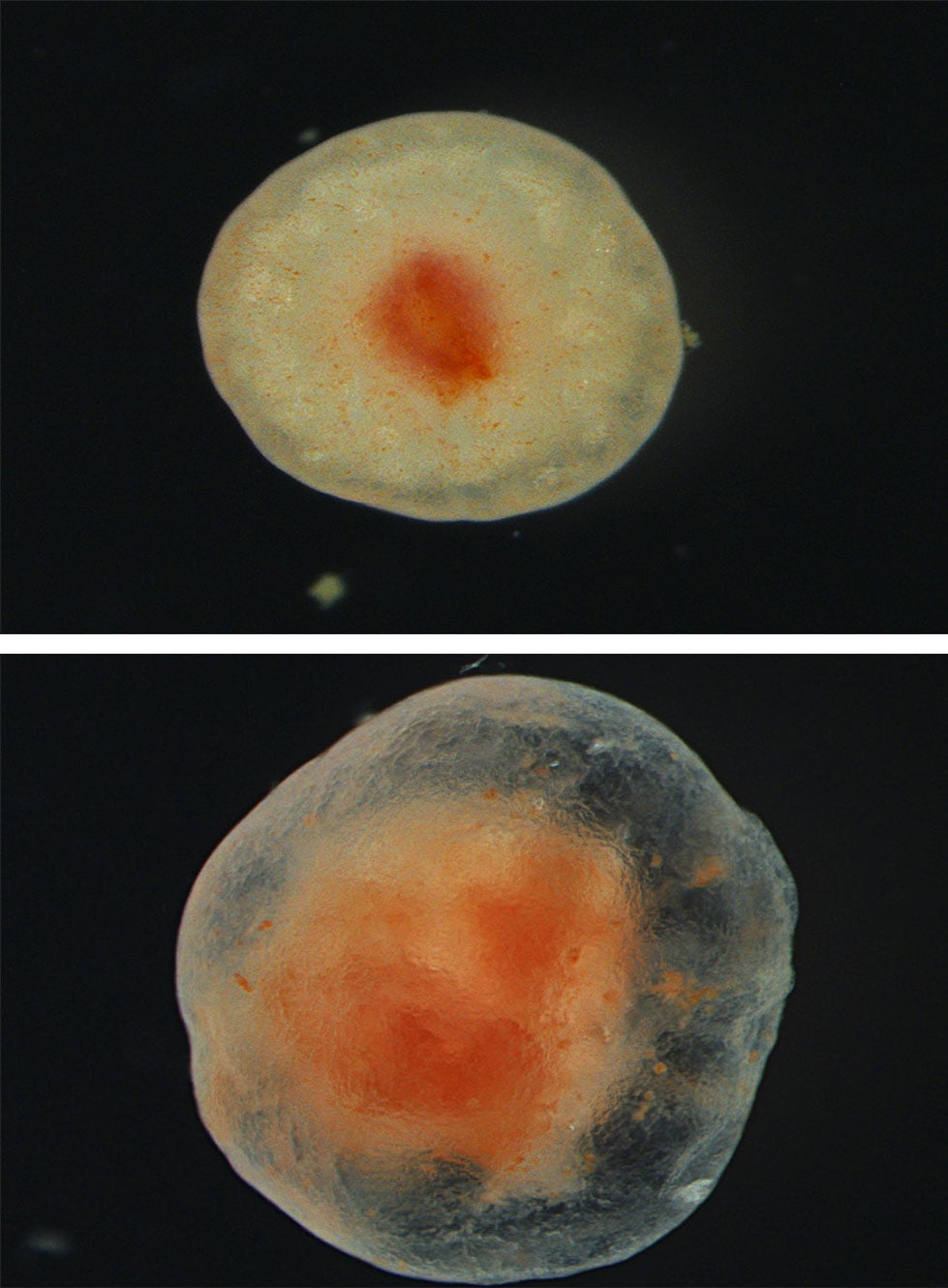
When many echinoderms lose tissue, they can regenerate it, and many members of this animal group also show little cellular aging. Sea cucumbers belong to that group, but researchers had generally expected their detached tissue to eventually die. How long the surviving fragments can remain viable is still an open question.
“We haven’t grown a new, complete sea cucumber yet, but we are seeing pretty stunning growth and diversification of cells literally years after this tissue was removed,” Sipler said. “It’s like a lizard that loses its tail. We know some lizards can grow new tails; we’re talking about whether the tail can grow a new lizard.”
Regeneration research with fewer laboratory barriers
By studying how the tissue repairs itself in the presence of microbes, biomedical scientists and engineers could investigate new approaches to tissue regrowth and antimicrobial healing, the authors suggest.
“This discovery highlights that the ocean holds profoundly unexpected biological innovations,” said Gloucester Marine Genomics Institute Science Director Andrea Bodnar, who was not involved in the study. “The fact that tissue explants from a sea cucumber can heal, reorganize, and survive independently for years in natural seawater suggests an entirely new model for biological resilience and tissue regeneration.”
Culturing sea cucumber tissue could also give research and teaching laboratories a more accessible experimental model. The authors say it is easier to grow and, because it comes from an invertebrate, involves fewer research restrictions than human-based or other vertebrate cell lines. That could be useful where legal obstacles or limited biosafety infrastructure make those established models difficult to use.
Sipler, an oceanographer, credits “keen observation” with recognizing the significance of that discarded tube foot tissue, still growing in seawater weeks after removal. “The best advances in science are made when you find a natural analog for what you’re studying,” she said. “Here is this species that has this groundbreaking ability, and we had no idea. It’s a reminder how much is yet to be discovered in the marine environment, and how important it is to protect these resources that may hold really valuable knowledge for us.”
Reference: “Natural tissue immortality: Indefinite survival of sea cucumber explants” by Sara Jobson, Emaline M. Montgomery, Jean-François Hamel, Rachel E. Sipler and Annie Mercier, 27 May 2026, Science Advances.
DOI: 10.1126/sciadv.aeb1394
Funding was provided by the Natural Sciences and Engineering Research Council of Canada through a Discovery Grant (204058; A.M.) and Doctoral Scholarship (569840; S.J.) and through start-up funding (132024) from Bigelow Laboratory for Ocean Sciences (R.E.S.).
Never miss a breakthrough: Join the SciTechDaily newsletter.
Follow us on Google and Google News.