
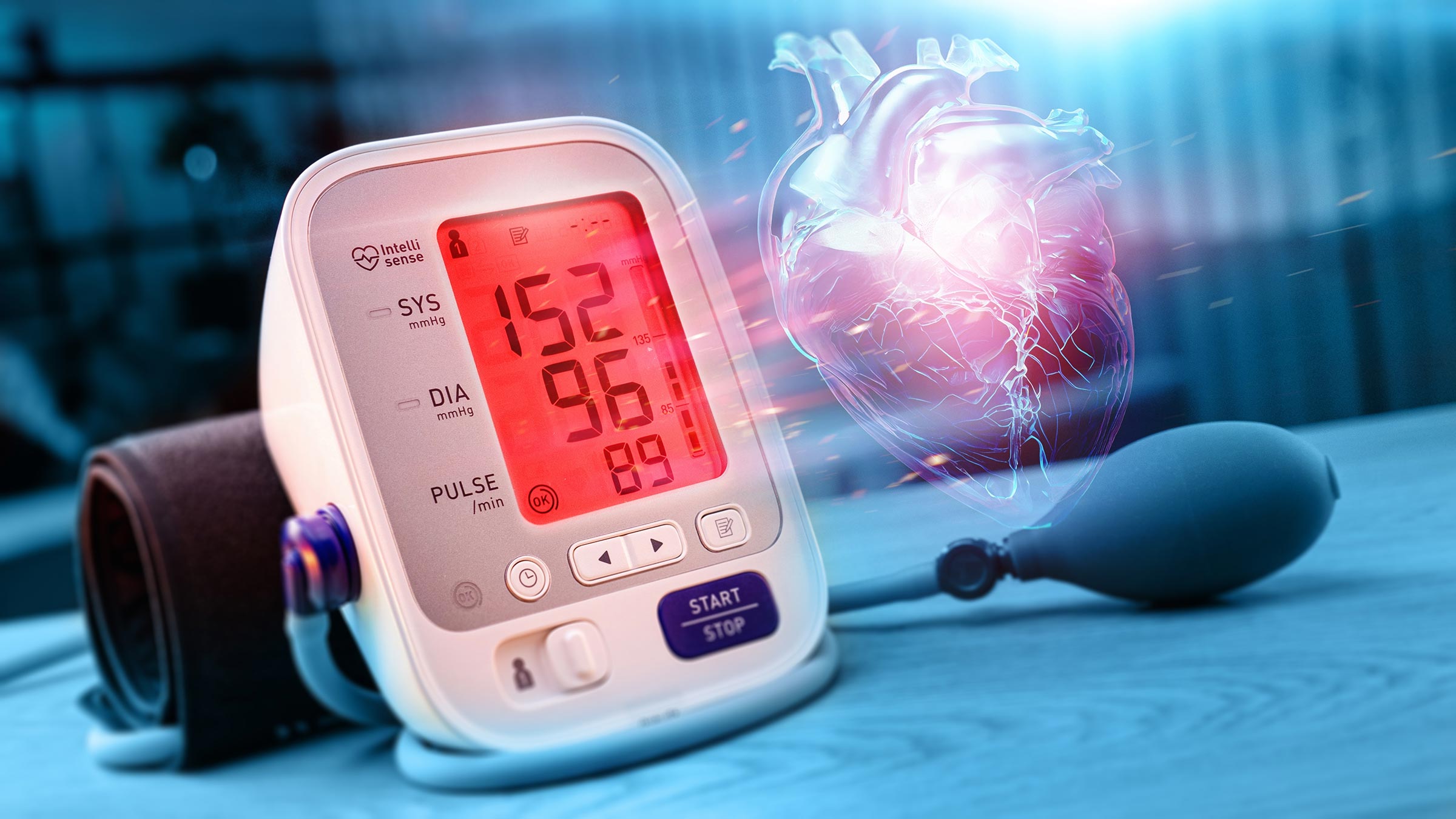
People with type 2 diabetes and highly variable systolic blood pressure had nearly triple the death risk of those with normal blood sugar and steadier readings in an observational study.
At a blood pressure check, the cuff around your arm captures a moment in the pressure inside your arteries. Readings that rise and fall across later visits could hold clues to the risk of stroke or death, yet those fluctuations are not routinely considered when assessing health.
Dr. Fariba Ahmadizar and her colleagues in the Netherlands compared readings from 57,611 UK Biobank participants and found that people whose blood pressure varied more between research visits had a higher risk of dying during follow-up. Some measures of that variability were also associated with strokes, suggesting that the movement between readings deserves closer investigation.
“Our findings suggest that changes in blood pressure over time may provide information beyond the average blood pressure readings in routine care,” says Ahmadizar, of the Department of General Practice at Amsterdam University Medical Centre.
Participants returned for at least one blood pressure measurement after their initial assessment, allowing the researchers to compare readings while accounting for the time between visits. Their average age was 55.4 years, and 52% were women. Follow-up began at the first visit when enough measurements were available to calculate variability and lasted a median of 5.1 years. During that period, 1,460 participants died, 571 had a stroke, and 319 developed dementia.
Higher death risk with diabetes and pressure swings
Comparing those outcomes with blood sugar status brought a particularly striking association into view. Participants with type 2 diabetes and highly variable systolic blood pressure, the upper number in a reading, were 2.8 times as likely to die during follow-up as those with normal blood sugar and low variability.
Participants with prediabetes and high systolic variability also had a higher risk of death, by 62%, compared with the same reference group. Prediabetes means blood sugar has risen above normal without reaching the threshold for diabetes. At the start of the study, 5,397 participants had prediabetes, 1,470 had type 2 diabetes, and 50,744 had normal blood sugar.
People in these comparisons differed in both blood sugar status and blood pressure variability, so the additional risk cannot be attributed to fluctuating readings alone. To express the findings as absolute risks, the researchers also estimated the likelihood of death over 10 years. That estimate was approximately 1.0% for participants with normal blood sugar and low systolic variability, compared with approximately 2.9% for those with type 2 diabetes and high variability. These were longer-term estimates, rather than death rates observed over a full decade of follow-up.
Death risk beyond average blood pressure
Each heartbeat pushes blood through the arteries, producing the systolic pressure recorded as the upper number. Between beats, the heart relaxes, and the lower number records diastolic pressure. The researchers examined changes in both, along with mean arterial pressure, the average pressure across a heartbeat, and pulse pressure, the difference between the upper and lower readings.
Greater swings in all four measures were associated with a higher risk of death from any cause. The associations remained after the researchers accounted for average blood pressure, blood sugar status, and other factors. For systolic variability, each increase of one standard deviation was associated with an 11% higher risk of death. For diastolic variability, the corresponding increase was 8%.
Those percentages describe differences in variability across the study population, rather than the consequences of a particular jump on a blood pressure monitor. A standard deviation reflects how widely participants differed in their variability, so the findings cannot be translated directly into a specific rise or fall in millimeters of mercury, or mmHg.
Tracking strokes revealed associations with two of the measures: diastolic pressure and mean arterial pressure. Each standard-deviation increase in their variability was associated with a 12% and 10% higher stroke risk, respectively. The researchers found no statistically significant associations between blood pressure variability and dementia.
Can steadier blood pressure save lives?
Researchers presented the findings at the Annual Meeting of the European Association for the Study of Diabetes. Ahmadizar cautions that the observational study cannot establish that blood pressure fluctuations caused the deaths or strokes. The results suggest that variability might help identify patients whose risk would otherwise be overlooked, but that potential still needs to be tested.
A patient returning to have a cuff wrapped around their arm might eventually benefit from closer attention to the changes between readings. Whether doctors can turn that information into better outcomes remains unresolved.
Ahmadizar says, “However, more research is needed before blood pressure variability can be recommended for routine clinical use. Questions that need answering include whether it is possible to reduce these fluctuations – and if doing so reduces the risk of stroke or death.”
Meeting: Annual Meeting of the European Association for the Study of Diabetes (EASD)
Never miss a breakthrough: Join the SciTechDaily newsletter.
Follow us on Google and Google News.