
Close Menu
    Facebook X (Twitter) Instagram
    SciTechDaily
    • Biology
    • Chemistry
    • Earth
    • Health
    • Physics
    • Science
    • Space
    • Technology
    Facebook X (Twitter) Pinterest YouTube RSS
    SciTechDaily
    Home»Science»The Real Reason Barns Are Red – And It’s Not Just Tradition
    Science

    The Real Reason Barns Are Red – And It’s Not Just Tradition

    By Thomas Durant Visser, University of VermontJuly 28, 20253 Comments4 Mins Read
    Facebook Twitter Pinterest Telegram LinkedIn WhatsApp Email Reddit
    Share
    Facebook Twitter LinkedIn Pinterest Telegram Email Reddit
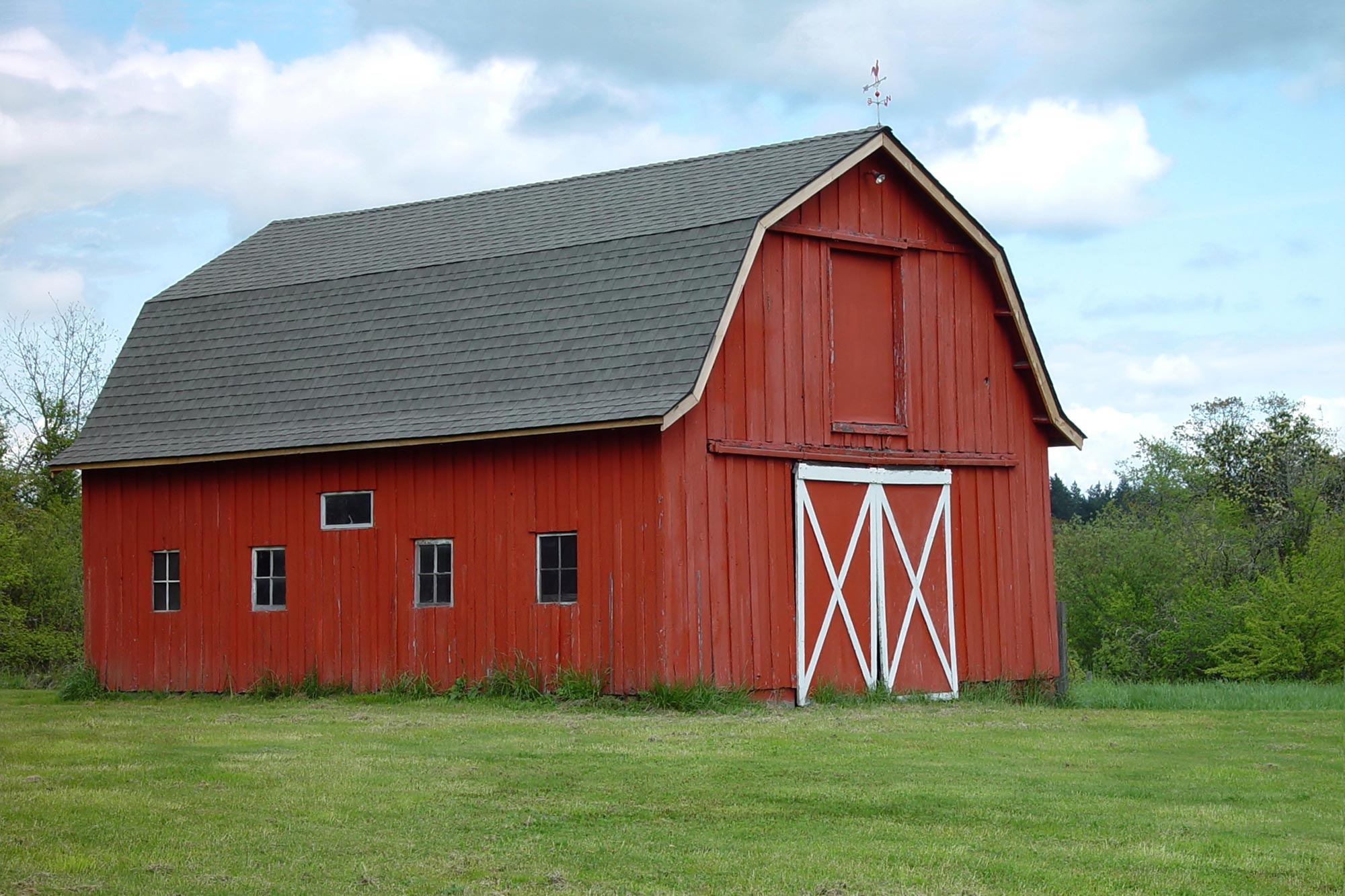
    Red Barn
    Venetian red pigment made from iron-rich clay became the go-to barn color due to its affordability, durability, and visual charm—transforming barns into iconic fixtures of American farmland. Credit: Stock

    Why Are Barns Red?

    Many American barns are painted red for three main reasons: it’s rooted in tradition, the color is practical, and it has a strong visual appeal.

    While appearance is a big motivator for painting wooden structures, paint also serves a functional purpose by protecting wood and helping it last longer.

    How Early Barns Were Built and Weathered

    In the 1700s and early 1800s, family farms in the Northeastern United States often built barns with thick, vertical wooden boards. If left without paint, these boards would slowly take on a weathered, brownish-gray tone over time.

    After the mid-1800s, many farmers began upgrading their barns to make them more efficient, particularly in colder months. To block drafts and keep animals warmer during winter, they started installing horizontal wooden clapboards on the exterior walls. These boards were much thinner than earlier styles, so applying paint became essential—not only for protecting the fragile wood but also for improving the barn’s appearance.
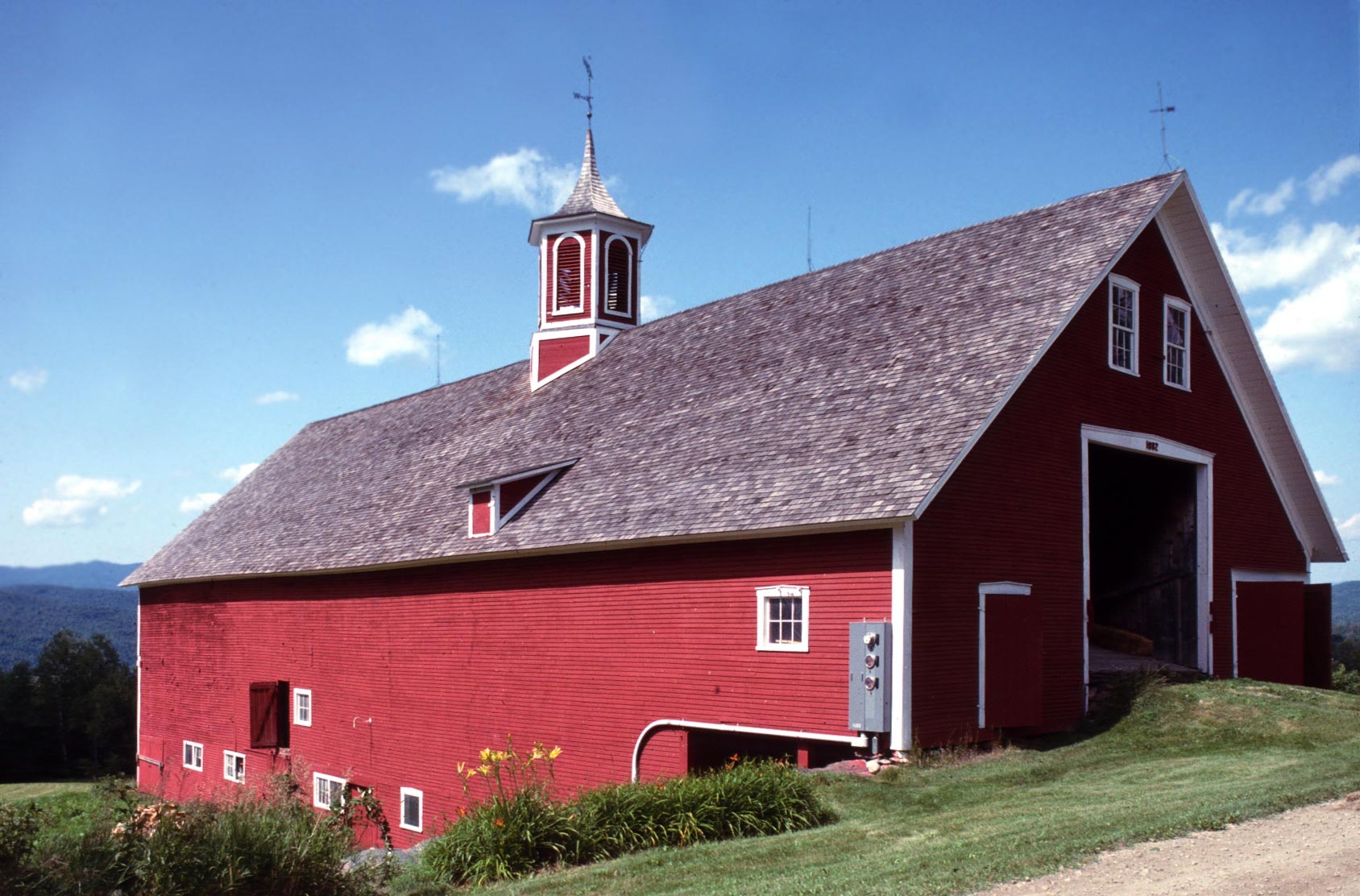
    Dairy Barn Waitsfield Vermont
    A dairy barn in Waitsfield, Vermont, built circa 1890. Credit: Thomas Visser, CC BY-ND

    DIY Paints and the Rise of Venetian Red

    In the 1800s, it was common practice for people to create their own paint by mixing dry pigments with linseed oil (made from flax seeds) and other ingredients. These pigments came in a variety of colors, but the shade most commonly seen on older American barns became known as Venetian red.

    According to the 1884 edition of “Everybody’s Paint Book,” by F.B. Gardner, Venetian red was “suitable for any common work, or for brickwork and outbuildings.” The pigment bonded deeply with wooden surfaces and resisted fading under sunlight, which meant barns kept their bold color for decades.

    The name “Venetian red” comes from the pigment’s early origins in natural clay deposits near Venice, Italy. These clays were rich in iron oxide, which gave the pigment its distinctive red color.
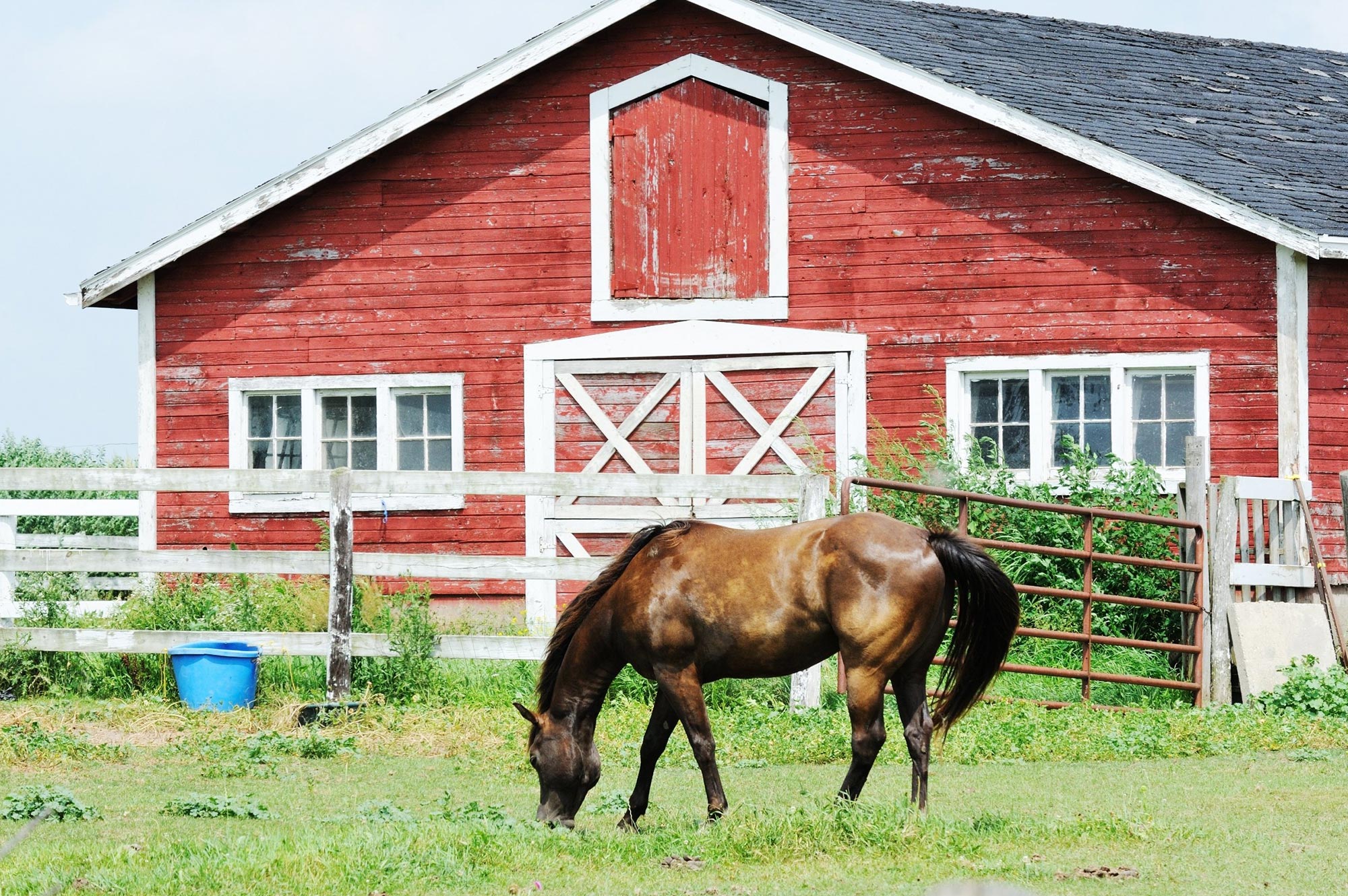
    Horse Red Barn
    A horse grazes on a farm.

    Earth Pigments Across America

    However, as people discovered similar iron oxide deposits in many other locations, “Venetian red” became a generic term for light red pigments that lacked a purplish tinge. By the 1920s, such “earth pigments” used to make red paints were being dug in Georgia, Pennsylvania, Virginia, Alabama, California, Iowa, and Vermont.
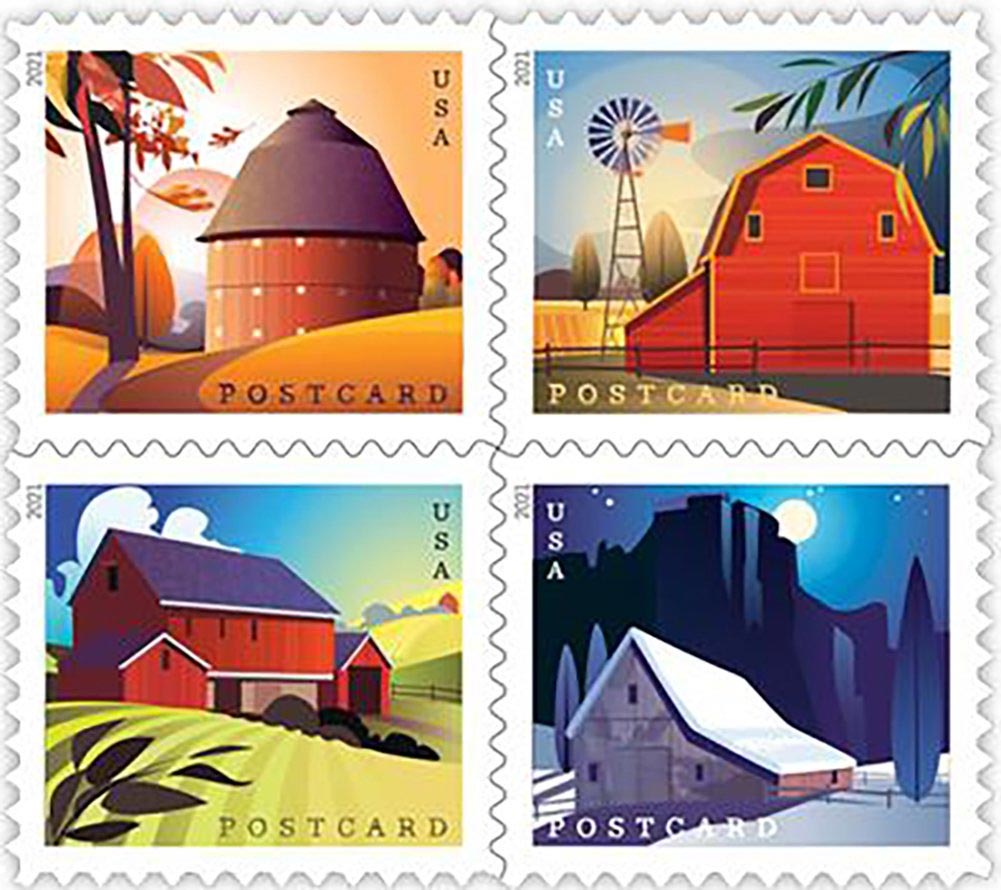
    Barns USPS Stamps
    These stamps, released January 24, 2021, show a round barn surrounded by the hazy light and warm colors of fall; a gambrel-roofed barn in summer; a forebay barn in an early spring countryside; and a Western barn on a winter’s night. USPS, artwork by Kim Johnson, CC BY-ND

    By the late 1800s, in addition to red, it became fashionable to paint barns with other color schemes, especially those designed to complement the architectural styles and finishes of the owners’ houses. These included various hues of yellows, greens, and browns. Additionally, white paint was often used to paint barns and houses.

    Red Paint’s Affordable Advantage

    However, red paint remained popular on many farms because it was the most affordable option. In 1922, the Sears, Roebuck catalog offered red barn paint for just $1.43 per gallon, while other colors of house paints sold for at least $2.25 per gallon – nearly twice as much.

    Today, many modern barns don’t resemble classic versions. Very large barns that hold hundreds of cows or pigs look more like hangars or warehouses, and may be built of metal. But the tradition of painting smaller barns red continues – so strongly that the U.S. Postal Service now celebrates them on postage stamps.

    Written by Thomas Durant Visser, Professor of Historic Preservation, University of Vermont.

    Adapted from an article originally published in The Conversation.The Conversation

    A version of this article was originally published in November 2021.

    Never miss a breakthrough: Join the SciTechDaily newsletter.
    Follow us on Google and Google News.

    The Conversation University of Vermont
    Share. Facebook Twitter Pinterest LinkedIn Email Reddit

    Related Articles

    How Reading Reshapes Your Brain and Boosts Cognitive Power

    The Science of Clean: How Often to Wash Towels and Sheets

    Meet the Massive 100-Million-Year-Old Sky Predator That Once Ruled Australian Skies

    String Theory: Why Are the Violins the Biggest Section in the Orchestra?

    Adding Insult to Injury: Uncovering the Ancient Origins of Epic Action Movie Quips

    Want To Be Happy? Stoic Secrets To Overcome Modern Stress

    Ancient Mysteries: Five Enigmatic Artifacts That Still Baffle Modern Archaeologists

    Counteracting Addiction: How Alcohol and Drugs Genetically Rewire Your Brain

    Why Are Barns Almost Always Painted Red?

    3 Comments

    1. Jan Lindström on July 28, 2025 10:45 am

      Did you look at the Swedish tradition of painting your house or barn with “Falu Rödfärg”, a tradition brought in to the United States by Swedish immigrants settling in Minnesota and other surrounding states, during the 1850s and onwards. The color is surprisingly similar to what you call Venetian Red, derived from the copper mining process in Falun, one the biggest European copper mines from the 17th century.

      Reply
    2. Charles on July 28, 2025 3:45 pm

      A green roof on a red barn can symbolize a bountiful harvest, as the colors often represent fertility and growth in agricultural contexts.

      Reply
    3. Mike Palin on July 29, 2025 12:01 pm

      No mention that some red paints contained lead (Pb) oxide which prevented decay.

      Reply
    Leave A Reply Cancel Reply

    • Facebook
    • Twitter
    • Pinterest
    • YouTube

    Don't Miss a Discovery

    Subscribe for the Latest in Science & Tech!

    Trending News

    Scientists Finally Uncover How a “Forever Chemical” Causes Birth Defects

    Scientists Uncover the Earliest Brain Changes That May Predict Alzheimer’s Decades Before Symptoms

    Surprising New Study Challenges a Century-Old Theory of Habit Formation

    Scientists Turn Seawater Into Drinking Water Without Toxic Brine

    Vitamin D Drug Shows Surprising Promise Against One of the Deadliest Cancers

    NASA’s X-59 Sonic Boom Killer Is Ready for Its Biggest Test Yet

    The Best Exercise Combination for Longevity, According to a 30-Year Study

    Popular Weight-Loss Drug Found To Slow Biological Aging in Landmark Human Trial

    Follow SciTechDaily
    • Facebook
    • Twitter
    • YouTube
    • Pinterest
    • Newsletter
    • RSS
    SciTech News
    • Biology News
    • Chemistry News
    • Earth News
    • Health News
    • Physics News
    • Science News
    • Space News
    • Technology News
    Recent Posts
    • Record-Breaking Black Hole Wind Blasts Through Space at 30% the Speed of Light
    • Interstellar Comet 3I/ATLAS Reveals Strange Chemistry Beyond Our Solar System
    • A Newly Found Cellular Shift May Explain Why Aging Leads to Disease
    • A Normal Kidney Test Could Still Signal Serious Risk
    • Scientists Discover Gut Signal That Turns Off Sugar Cravings
    Copyright © 1998 - 2026 SciTechDaily. All Rights Reserved.
    • Science News
    • About
    • Contact
    • Editorial Board
    • Privacy Policy
    • Terms of Use

    Type above and press Enter to search. Press Esc to cancel.