
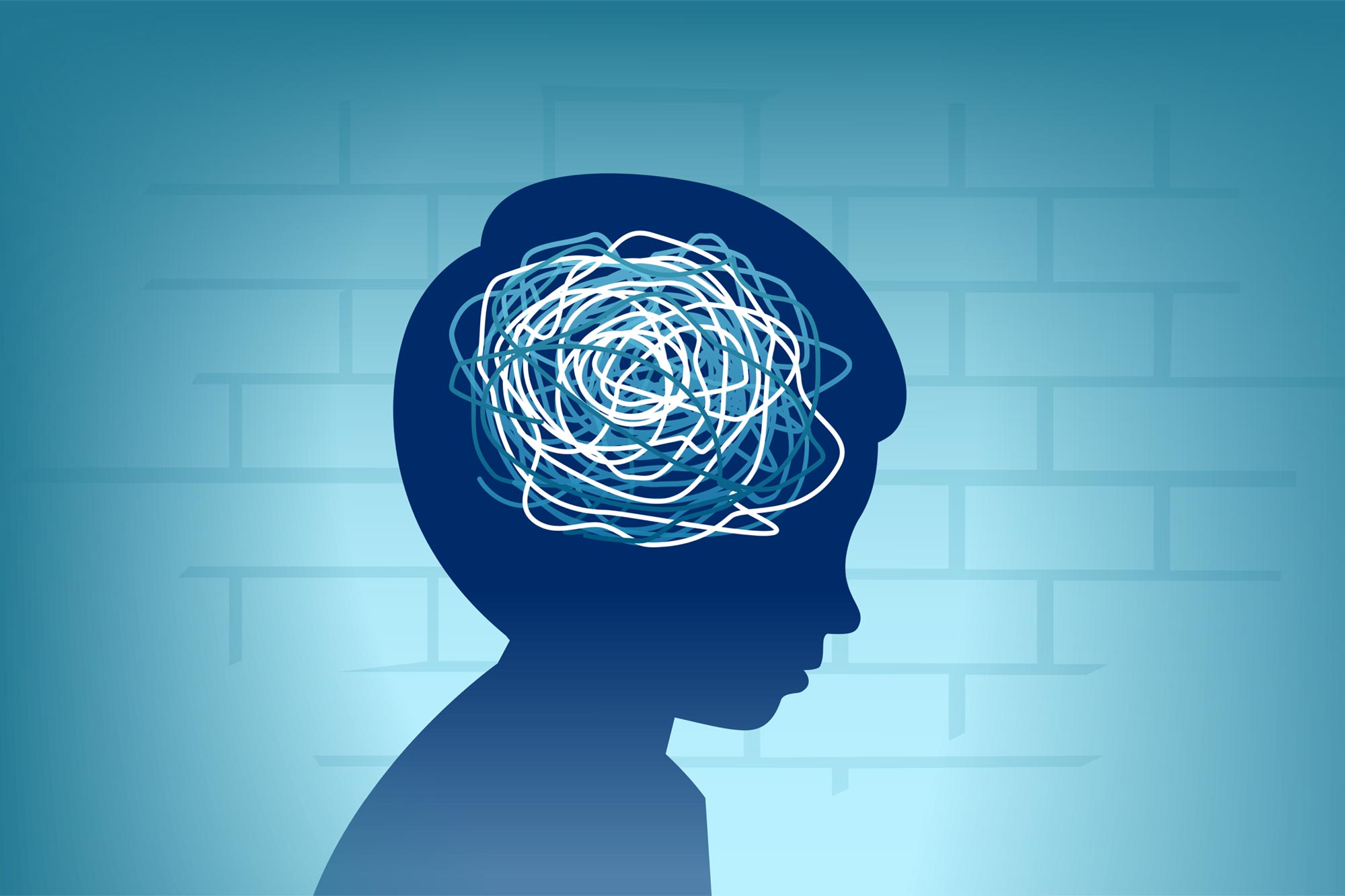
ADHD-related attention patterns may become a source of creativity and focus when supported through structured creative expression.
How can ADHD create serious everyday challenges for millions of people while also appearing among highly successful creative figures such as Justin Timberlake and Simone Biles?
New research from Constructor University neuroscientist Dr. Radwa Khalil, published in iScience, examines the neuroscience behind that apparent contradiction by looking at how creativity and attention are connected in the brain.
The study shows that some mental processes linked to ADHD, including defocused attention, can also support creative thinking when they are guided in useful ways. Its findings point to possible creative therapies using art, music, and dance as effective nonpharmacological options for the nearly 8% of children worldwide affected by ADHD.
Attention may widen creativity
The study, written with researchers from several leading French research institutions, points to a changing view of ADHD.
“There’s a tendency to view attention-related conditions like ADHD purely through the lens of deficit: what is wrong, what is missing, or what needs to be fixed?” said Dr. Khalil. She noted that although ADHD is often understood as a deficit, emerging evidence shows that attention and creativity rely on shared neural networks.
“Neurodivergent attention patterns, then, are not merely problems. They can open pathways to powerful creative thinking when directed appropriately,” she said.
The study brings together findings from multiple fields to show that creativity and attention processing involve overlapping brain networks. It also describes how free associative thinking, which can generate creative ideas, is connected with distractibility, mind wandering, and other behaviors often seen in ADHD.

Dr. Khalil used an analogy to make the connection easier to understand: “Think of attention like a spotlight. Most people are able to focus their beam on one thing. ADHD brains have a wider spotlight, taking in more information at once. This condition can make routine tasks that require focus challenging. However, this broader view, or ‘defocused attention,’ also encourages exploratory thinking and new idea combinations, which fuel creativity.”
The healing power of creativity
Dr. Khalil and her colleagues see meaningful therapeutic potential for people with ADHD and related conditions. Creative practices such as art, music, dance, writing, gaming, and other activities can give individuals with ADHD structured ways to direct and explore their defocused attention. These activities may also help strengthen brain networks involved in attention control, potentially reshaping patterns tied to impulsivity and hyperactivity.
“Authentic creative expression is so much more than a pleasant distraction,” continued Dr. Khalil. “It is engaging the same neural circuits involved in attention control, essentially providing a workout for the brain. For a child with ADHD, the experience of getting ‘lost in the moment’ when creating art or playing music may actually be strengthening their ability to focus by working with their natural cognitive style instead of against it.”
Although the findings are encouraging, Dr. Khalil and her colleagues stress that the relationship between attention and creativity is still not fully understood. To move the field forward, the study lays out a framework for future research, emphasizing collaboration across disciplines, new methods, and long-term studies. Dr. Khalil argues that any major change in ADHD treatment must begin with a broad research agenda that brings together neuroscientists, art therapists, clinicians, and other specialists.
Reference: “Attention unleashed: Creative therapy for thoughtful transformation” by Sarah Bou Sader Nehme, Emiliano Macaluso and Radwa Khalil, 15 May 2026, iScience.
DOI: 10.1016/j.isci.2026.115387
Never miss a breakthrough: Join the SciTechDaily newsletter.
Follow us on Google and Google News.