
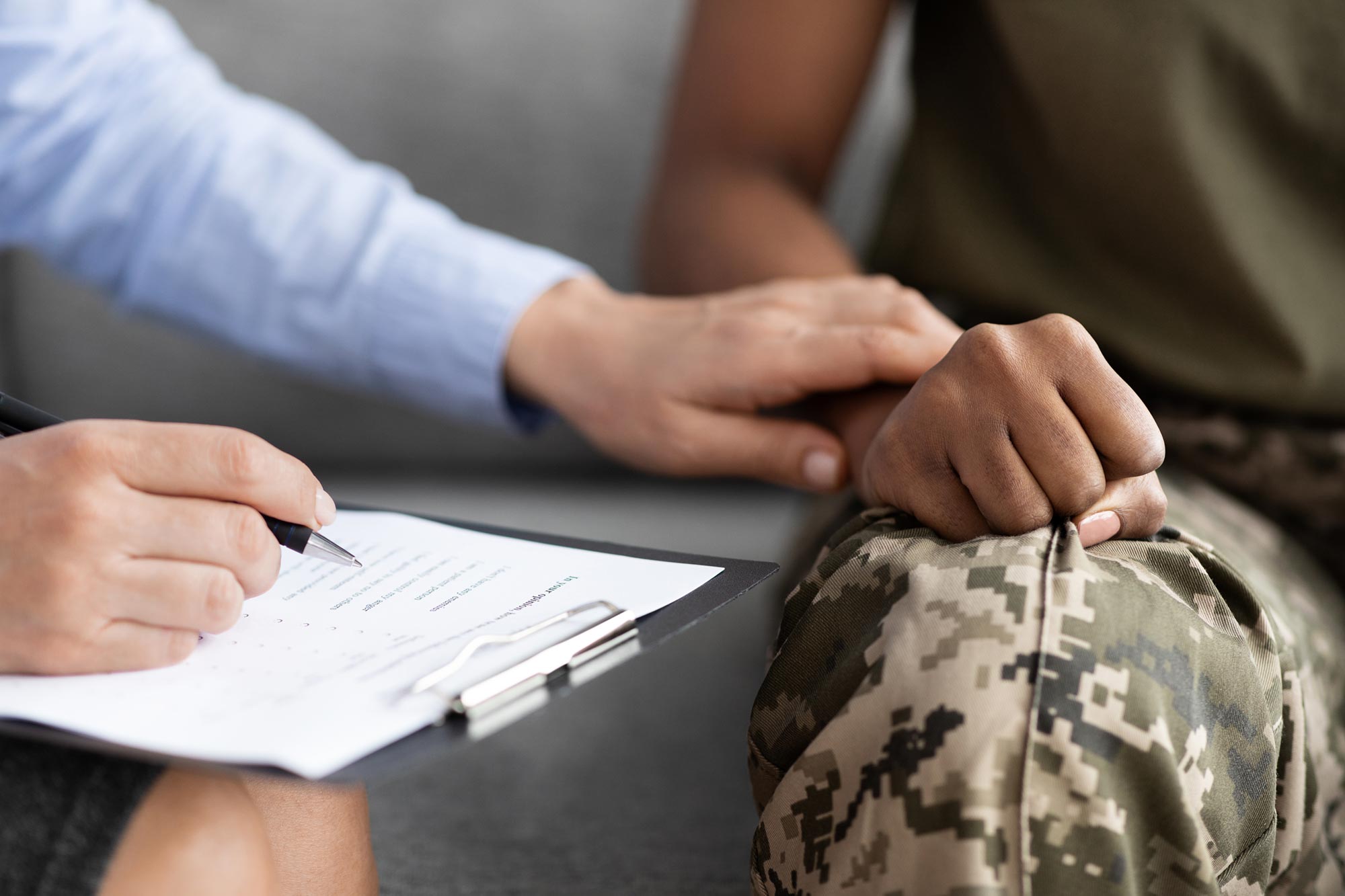
Foreign veterans fighting in Ukraine face intense combat, serious mental health challenges, and limited access to care, leaving many without adequate support.
Drone strikes, trench combat, and constant frontline danger have become defining features of the war in Ukraine. Now, a new UK study suggests that foreign military veterans who volunteered to fight in the conflict may be paying a lasting physical and psychological price, often without adequate medical support.
Led by Dr. Victoria Williamson of the University of Bath’s Department of Psychology, the study examined the experiences and well-being of military veterans from the United States and United Kingdom who volunteered to support Ukraine after the conflict intensified in 2022.
Published in the European Journal of Psychotraumatology, the research highlights the extreme conditions many volunteers encountered, including drone attacks, trench warfare, and frequent injuries.
Many participants said they received little formal training or preparation from the Ukrainian military before being assigned to frontline units. They also described medical care in Ukraine as inadequate or unavailable. After returning home, some continued to deal with untreated injuries and ongoing mental health problems.
Severe Combat Exposure and Lack of Preparation
The researchers found widespread psychological distress among participants. Many showed signs consistent with post-traumatic stress disorder (PTSD), other common mental health conditions, alcohol misuse, reduced quality of life, and distress linked to moral injury.
Moral injury refers to severe psychological distress that can occur when someone witnesses or participates in actions that conflict with their deeply held moral values. It is often associated with lasting feelings of shame, guilt, disgust, or anger.
Many veterans reported repeatedly seeking mental health treatment while in Ukraine and again after returning to the United States or the United Kingdom. However, they frequently encountered long waiting lists or were unable to access services.
Because of these barriers, many relied primarily on fellow volunteers for emotional support instead of professional healthcare providers or military leadership, both during their time in Ukraine and after returning home.
PTSD, Moral Injury, and Barriers to Care
Since Russia’s full-scale invasion of Ukraine in 2022, large numbers of military veterans have traveled to support the Ukrainian Armed Forces. Reports indicate that nearly 20,000 foreign nationals applied to join Ukraine’s military following the invasion, often motivated by political beliefs or personal convictions.
A substantial share of these volunteers came from the United States and the United Kingdom. Estimates suggest that about 3,000 Americans applied to join the International Legion. Because these fighters operate outside traditional military structures, their healthcare and support needs may go unnoticed within existing systems.
The study included 31 participants who completed psychological assessments. Of those, 21 also took part in detailed interviews about their experiences in the conflict zone.
The researchers warn that, without coordinated and specialized support, these veterans could become an overlooked population with serious unmet physical and mental health needs. They call for improved clinical pathways tailored to the unique circumstances of people who voluntarily travel abroad to fight in armed conflicts.
Foreign Veteran Volunteers: An Overlooked Group
Dr. Williamson, who also serves as president of the UK Psychological Trauma Society, said: “This is the first study to examine the experiences and health of UK and US veterans who have volunteered to fight in Ukraine. Many have described extremely intense combat, including sustained frontline exposure and persistent drone-related threats, often with limited preparation or support. Their psychological distress should not be surprising.
“The nature of combat in Ukraine is fundamentally different from other recent conflicts such as Iraq and Afghanistan. In those wars, Western personnel operated within formal military systems, with clear rules of engagement, structured command chains, and established legal and welfare protections. They received preparation before deployment and support on return.
“In contrast, many foreign volunteers in Ukraine are effectively self-deployed into a far less predictable environment. Levels of training, leadership, equipment, and medical support can vary considerably.
“Our study showed significant gaps in understanding of the clinical and welfare support needed by people subjected to these conditions. Without coordinated and informed care pathways, there is a real risk that this group will fall through the cracks and remain unsupported.”
Why Ukraine’s War Creates Unique Mental Health Risks
The researchers emphasize that the psychological effects of war extend beyond volunteer fighters and professional militaries. In current conflicts, such as the US/Israel/Iran war – which has involved large-scale missile and drone strikes on urban areas, schools, airports, and other civilian infrastructure, along with mass displacement – both civilians and military personnel are facing significant psychological strain.
These conditions are well-established contributors to trauma-related mental health problems. The researchers argue that providing timely and accessible psychological support to everyone affected by modern warfare should be treated as an urgent global priority.
Reference: “Volunteering for Ukraine: scoping the operational experiences and impacts among UK and US veterans” by Victoria Williamson, Gavin M. Campbell, Nadav Liam Modlin, Walter Busuttil, Neil Greenberg and Dominic Murphy, 22 March 2026, European Journal of Psychotraumatology.
DOI: 10.1080/20008066.2026.2641410
Never miss a breakthrough: Join the SciTechDaily newsletter.
Follow us on Google and Google News.