
Close Menu
    Facebook X (Twitter) Instagram
    SciTechDaily
    • Biology
    • Chemistry
    • Earth
    • Health
    • Physics
    • Science
    • Space
    • Technology
    Facebook X (Twitter) Pinterest YouTube RSS
    SciTechDaily
    Home»Health»Hip Replacements Are Lasting Far Longer Than Doctors Once Thought
    Health

    Hip Replacements Are Lasting Far Longer Than Doctors Once Thought

    By The LancetJuly 9, 2026No Comments3 Mins Read
    Facebook Twitter Pinterest Telegram LinkedIn WhatsApp Email Reddit
    Share
    Facebook Twitter LinkedIn Pinterest Telegram Email Reddit
    Human Anatomy Hip Bone Pelvis
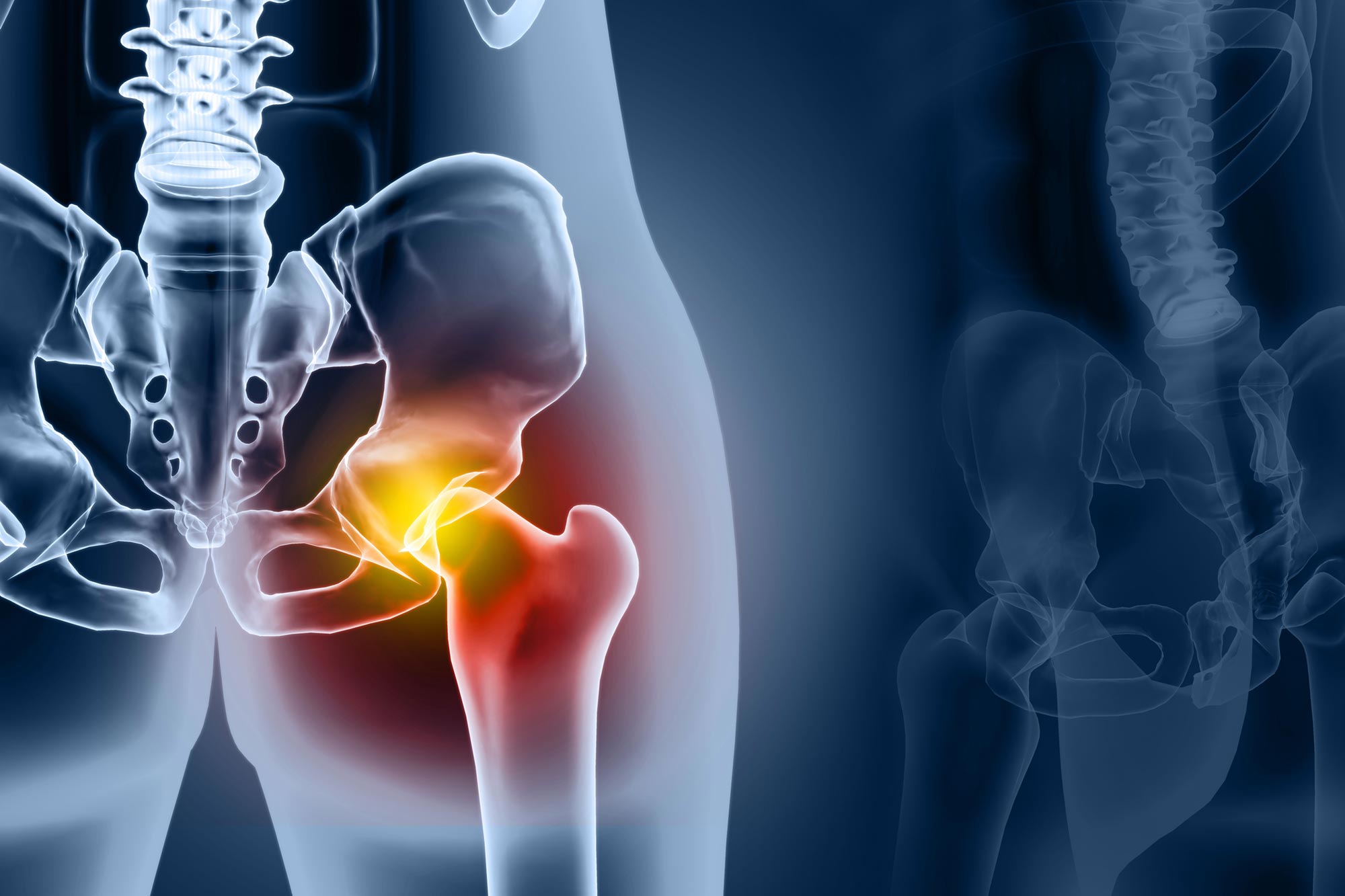
    Modern hip replacements could change what patients expect from surgery. Instead of a temporary fix, they may offer decades of reliable movement. Credit: Shutterstock

    A large international study suggests today’s hip replacements may last much longer than previously thought.

    Hip replacement surgery has become so successful that more people are receiving new hips at younger ages than ever before. That success has also raised an important question: can today’s artificial joints keep pace with decades of active living?

    A major new study published in The Lancet offers encouraging news. An analysis of nearly 1.9 million hip replacements from national joint registries, combined with clinical studies involving more than 5,000 patients, suggests that modern hip implants are lasting far longer than earlier generations. The researchers estimate that about 93% remain functional after at least 20 years, with roughly 92% still working after 25 years and about 91% after 30 years.

    The findings mark a substantial improvement over previous estimates. A 2019 Lancet study found that only about 58% of hip replacements lasted 25 years, but that analysis included older implant materials that are no longer widely used. Advances in modern bearing surfaces have greatly reduced wear, allowing many of today’s implants to remain functional for decades.

    Why Today’s Implants Last Longer

    The improvement appears to be tied largely to better bearing surfaces, the parts of the artificial joint that move against each other every time a person walks, climbs stairs, or gets out of a chair. Newer materials, including highly cross-linked polyethylene and advanced ceramics, are designed to produce less friction and shed fewer wear particles.
    Hip Xray
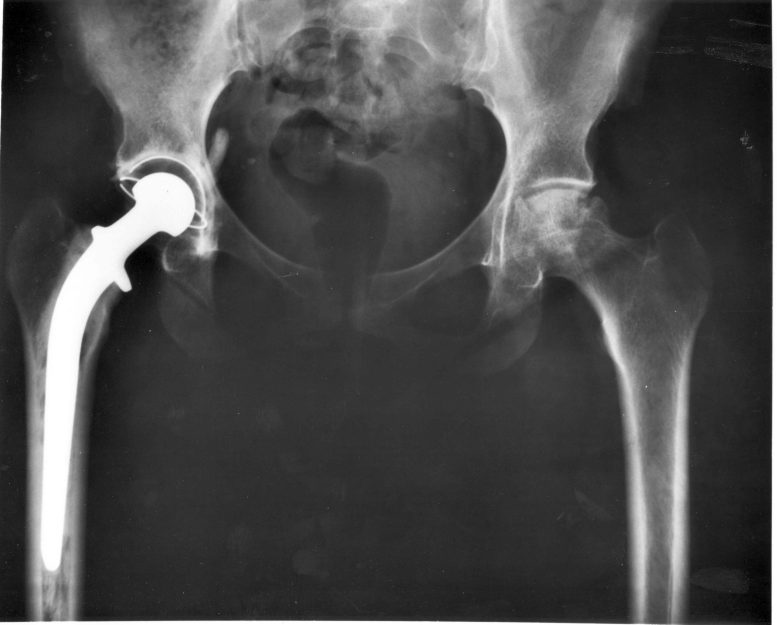
    An A-P X-ray of a pelvis showing a total hip joint replacement. Credit: NIH

    As older implants wore down, they could release tiny particles that triggered inflammation in the surrounding tissue, raising the likelihood that the implant would gradually loosen.

    What the Findings Mean for Patients

    The findings could change how patients think about surgery. In the past, younger adults were often warned that getting a hip replacement too early might mean needing another operation later.

    Revision surgery is usually more complex than the first procedure. It can involve bone loss, scar tissue, and fewer implant options. Longer-lasting implants may reduce that concern, although they do not remove it entirely.

    The researchers caution that these numbers describe large groups, not individual guarantees. A hip replacement’s lifespan can still depend on age, activity level, bone quality, weight, overall health, implant type, and surgical technique.

    Even so, the study offers a reassuring message: for many patients, a modern hip replacement is no longer just a temporary fix. It may be a decades-long repair that helps people move with less pain for much of the rest of their lives.

    Reference: “Survivorship of modern total hip replacement to 30 years: systematic review, meta-analysis, and extrapolation of global joint registry data” by Veronica Pentland, Zoe Thompson, Alimu Dayimu, Nikos Demiris, Eric Bohm, David Campbell, Erik Lenguerrand, Anne Marie Fenstad, Ove Nord Furnes, Nils Hailer, Gaeme Hoit, Johan Kärrholm, Torbjørn Berge Kristensen, Keijo Mäkelä, Søren Overgaard, Elizabeth Paxton, Heather Prentice, Bheeshma Ravi, Mike Reed, Ola Rolfson, Claus Varnum, Tommi Viitanen, James P Waddell, Michael Whitehouse, Amir Khoshbin and Amit Atrey, 28 February 2028, The Lancet.
    DOI: 10.1016/S0140-6736(25)02305-0

    Never miss a breakthrough: Join the SciTechDaily newsletter.
    Follow us on Google and Google News.

    Bones Orthopedic Research Surgery The Lancet
    Share. Facebook Twitter Pinterest LinkedIn Email Reddit

    Related Articles

    Scientists Create “Off-the-Shelf” Cartilage That Safely Guides the Body To Regrow Bone

    New Research Suggests That Surgeons Should Rethink a Common Practice

    Python Power: New Bio-Inspired Device Doubles Strength of Rotator Cuff Repairs

    ACL Surgery Delays: Risky for Children, Safer for Adults, Johns Hopkins Study Reveals

    Sonic Hedgehog to the Rescue: Impressive Regeneration To Repair Large Bone Injuries

    New Research Links Kidney Stones With Bone Problems

    Sweet Coating for Sour Bones: Bridge-Burning Coating for Bone Implants

    New Hope for Healing Spinal Injuries Using Commonly Available Drugs

    Johns Hopkins Analyzes the Effectiveness of Electrical Stimulation Therapies on Spinal Fusion

    Leave A Reply Cancel Reply

    • Facebook
    • Twitter
    • Pinterest
    • YouTube

    Don't Miss a Discovery

    Subscribe for the Latest in Science & Tech!

    Trending News

    Don’t Miss: A Brilliant Venus and Glowing Harvest Moon Light Up the Sky

    New Twist on the Einstein Problem Reveals Unexpected Physics

    JWST Captures Stunning Evidence of How Supermassive Black Holes Feed

    Early Exercise May Permanently Change How Much Energy the Body Uses To Move

    New Molecule Wipes Out Aggressive Lymphoma Tumors in Mice in Just 11 Days

    The Human Family Tree May Need a Major Rewrite

    Scientists Find a Surprising Cancer-Fighting Effect in Dark Sweet Cherries

    New AI Detects Hidden Warning Signs of Solar Eruptions Hours Before They Emerge

    Follow SciTechDaily
    • Facebook
    • Twitter
    • YouTube
    • Pinterest
    • Newsletter
    • RSS
    SciTech News
    • Biology News
    • Chemistry News
    • Earth News
    • Health News
    • Physics News
    • Science News
    • Space News
    • Technology News
    Recent Posts
    • Africa’s Giant Herbivores Were Disappearing Millions of Years Before Humans Could Hunt Them
    • This Utah Mountain Is Hiding Enough Ice To Fill 600 Olympic Pools
    • Vagus Nerve Stimulation Could Unlock the Brain’s Hidden Learning Potential
    • Your Mother’s Age May Leave a Biological Mark That Lasts for Generations
    • Women Who Ate More Antioxidants Had Strikingly Lower Rates of Cervical Cancer
    Copyright © 1998 - 2026 SciTechDaily. All Rights Reserved.
    • Science News
    • About
    • Contact
    • Editorial Board
    • Privacy Policy
    • Terms of Use

    Type above and press Enter to search. Press Esc to cancel.